Another chance to hit the Road

We were lucky enough to have been drawn as winners by Bluebridge when we responded to their customer satisfaction survey, resulting in us getting a sizable discount off our next Bluebridge fare. Only problem was it had to be redeemed by August 2023, so when our friendly housesitters, Sandra and Stephan offered us a housesit we decided to take up their offer, and head south again.

First though, we had a long awaited visit from Judy’s son Michael, his wife Lynn and grandson Jack, who live in Houston. It had been 5 years since their last visit and 3 years since we had been over to visit them. The visit became more complicated with the state of the Coromandel roads after Cyclone Gabrielle. That meant some of the planned activities, such as tramping the Pinnacles, were no longer possible. We made the best of things though.

First up was a trip to Lonely Bay. It was a beautiful day so we made the most of it.

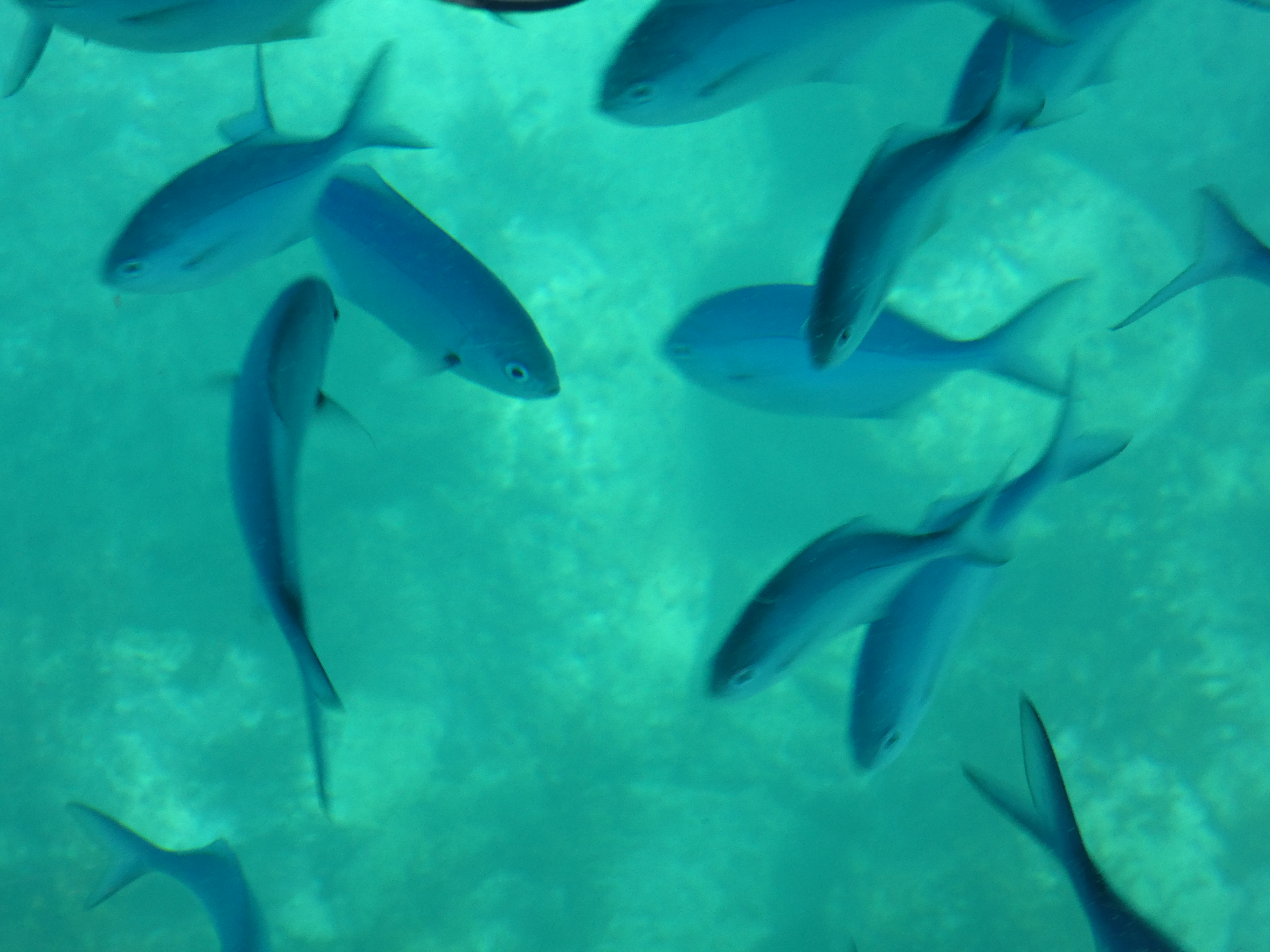
The next day came the opportunity to take a trip on the Glass Bottom boat, (Thank you Steve and Stacey). That was a great trip as well. It was interesting to see the fish actually following the boat, and also the wasteland on the sea floor caused by kina.
Jack had the chance to do a few new things, such as making his own pizza, but his favorite activity seemed to be building lego creations with Grandad.

All too soon the short 4 day visit was over and they left for Hamilton, for a special function there. We decided to head to Hamilton also and had a great overnight stay at Altus and Letitia’s house on Saturday night.

The next day we headed to son Steve’s house for a barbeque lunch where all of my four children would be together in one place! Doesn’t happen often these days.
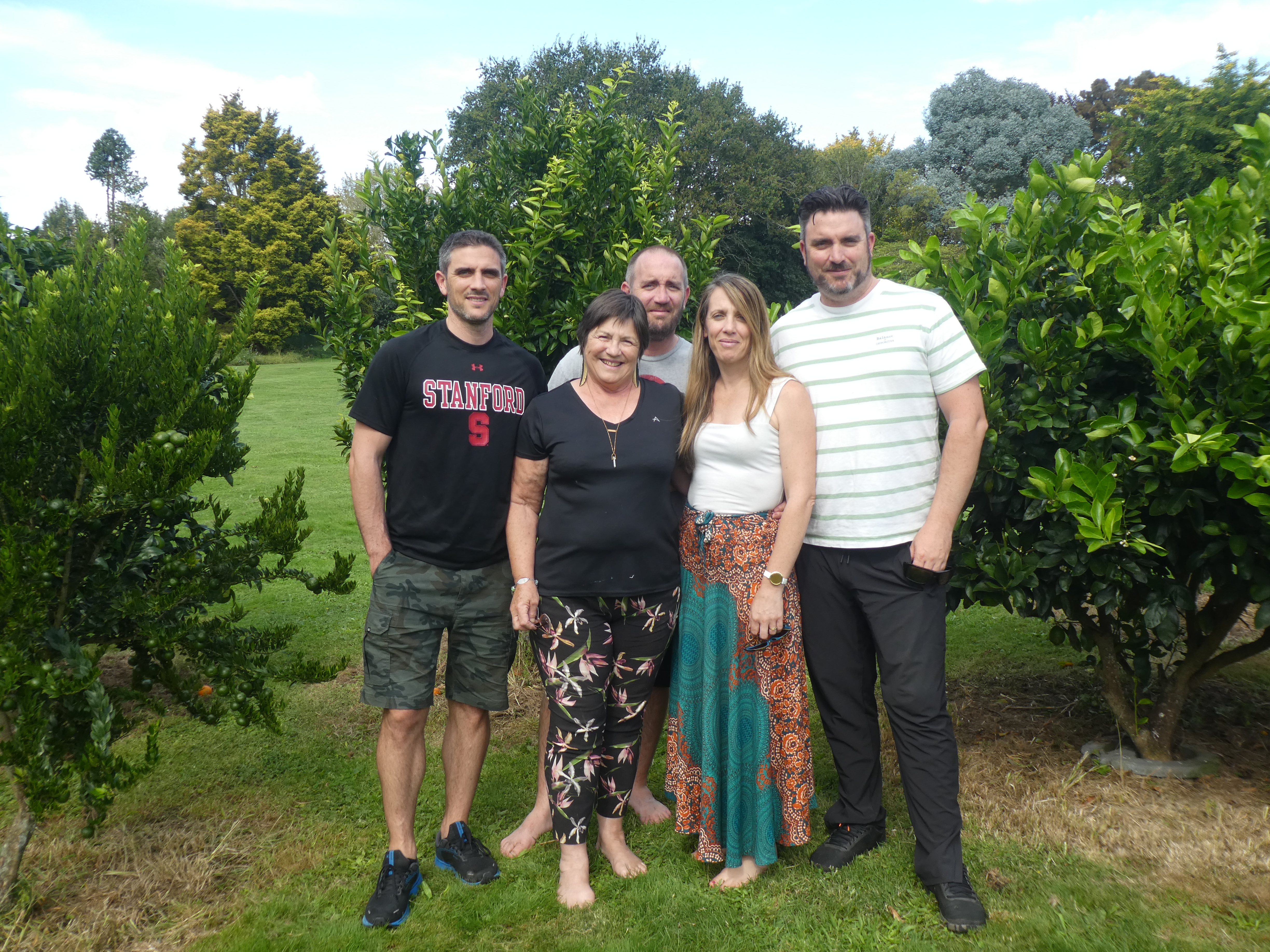
The two older grandchildren were not there, which was a shame, but the others all had a good time together.
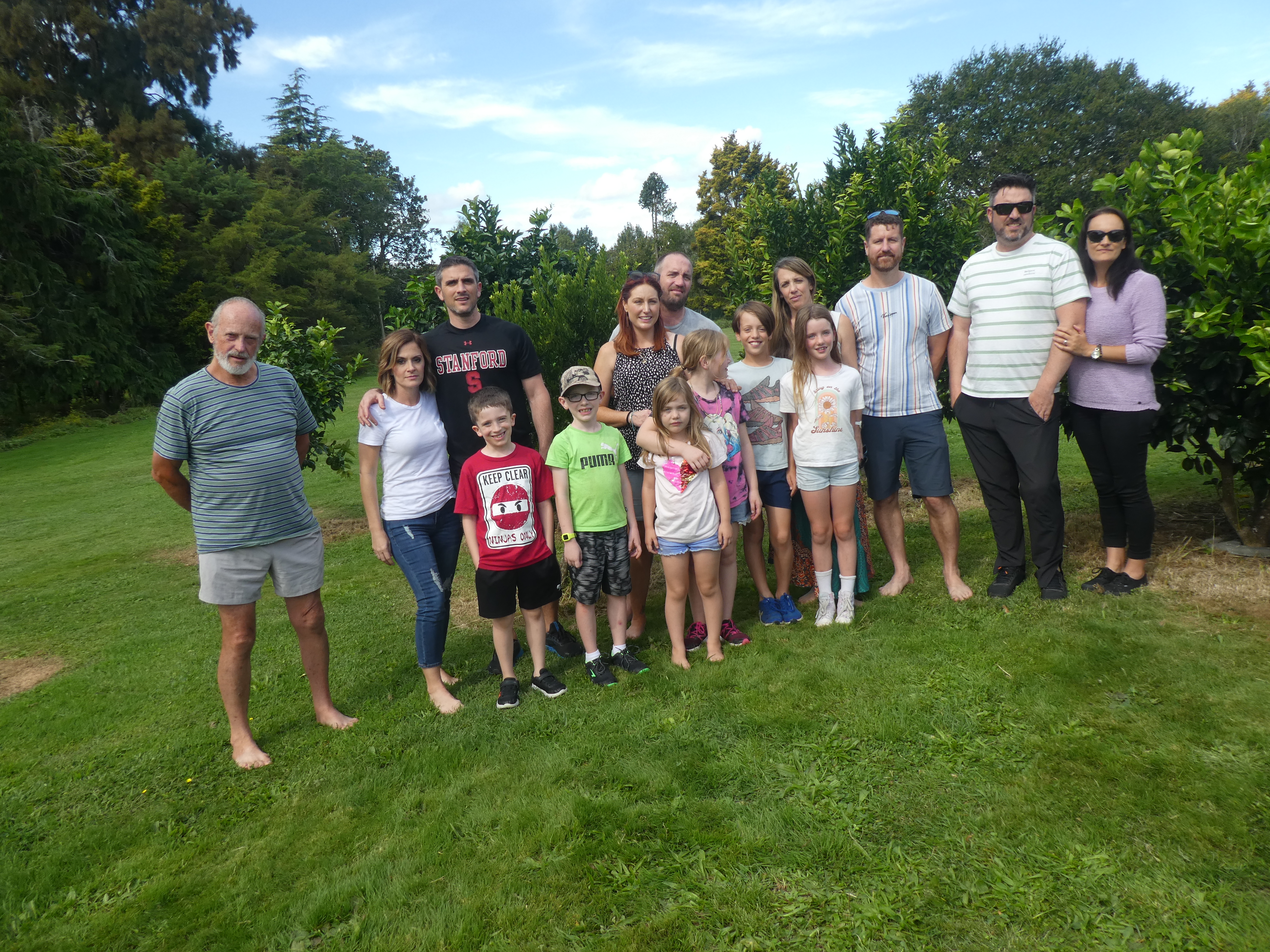
I would have to mention that Steve was given a new smoker barbeque by Stacey, and the ribs that he presented from that were superb.

We headed for home the next day as we only had 3 days after that before our house sitters, Sandra and Stephan, were due to arrive. We had decided to leave our dogs, Hunter and Beau, with them this time. We thought we would take the opportunity to do some of the South Island activities where you could not take dogs. I am convinced that Hunter knew something was up, but Beau seemed completely oblivious.

Bruce spent the next few days installing two new house batteries into the motorhome, and I spent my time preparing the house and packing the motorhome.

We made the deadline with little time to spare, and by then the trip suddenly became REAL.
Oamaru and Timaru

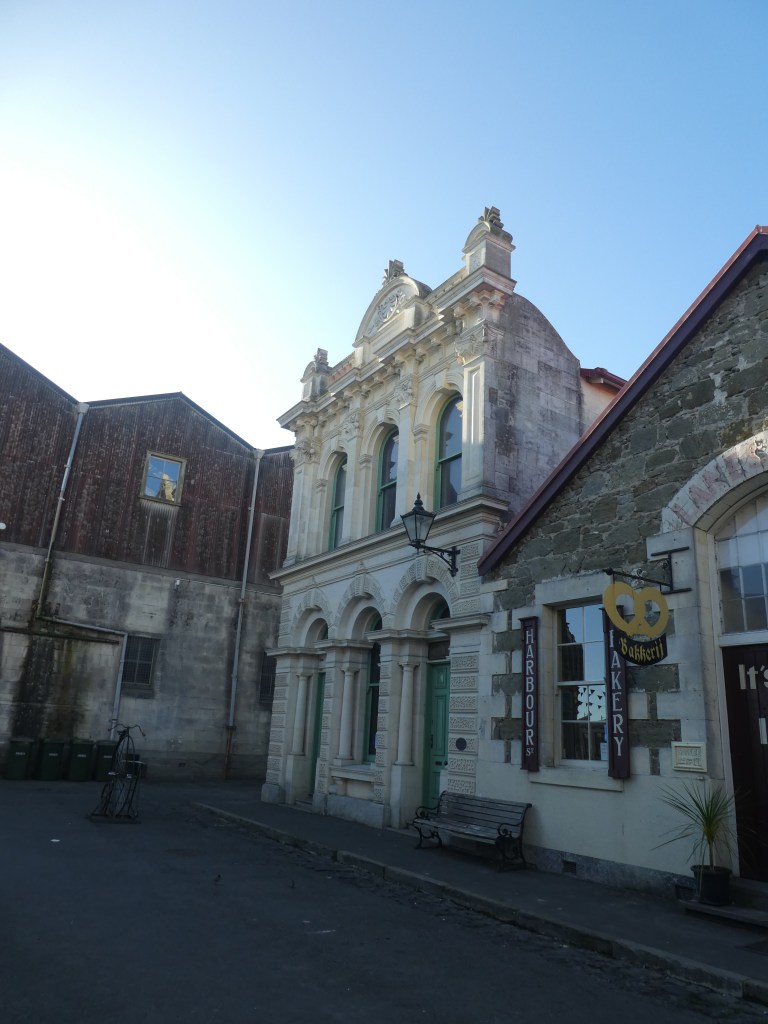
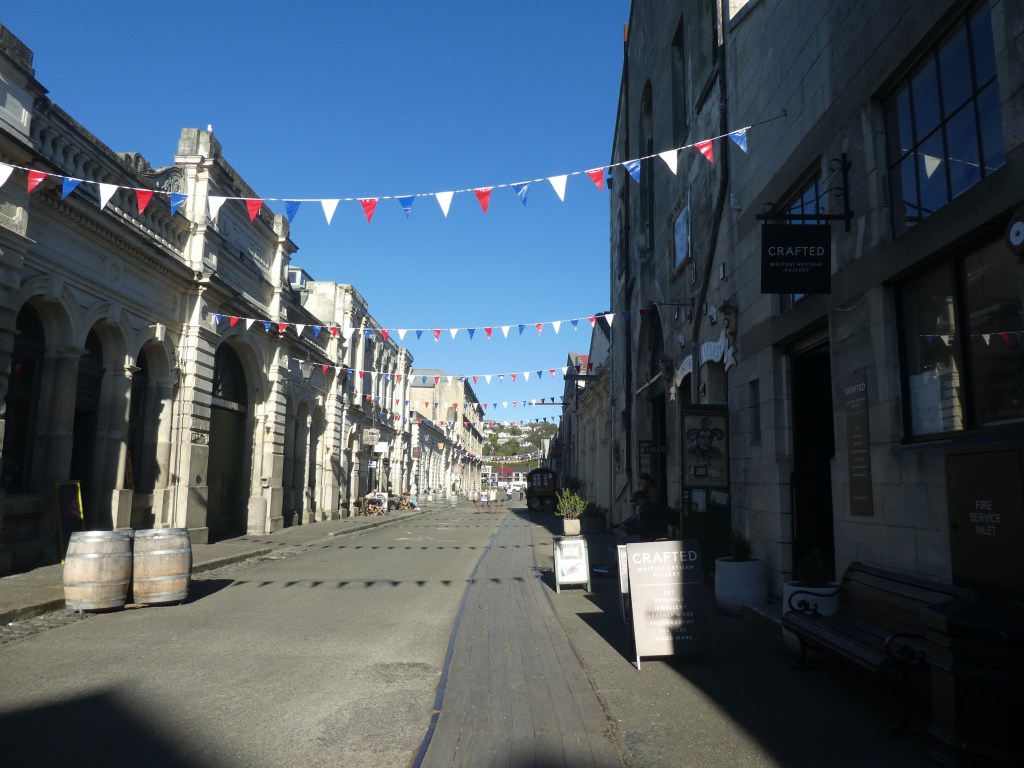
We were sad to leave Moeraki, but keen for the next stage of our adventure which was to be Oamaru. On our last trip I had really enjoyed this area, and I had hoped to catch a glimpse of yellow eyed penguins this time. However, it seems that they are a very shy bird, and you need to be concealed in hides, with a guide and also with a good pair of binoculars. Therefore we had to content ourselves with another walk through the historic quarter in the first instance.
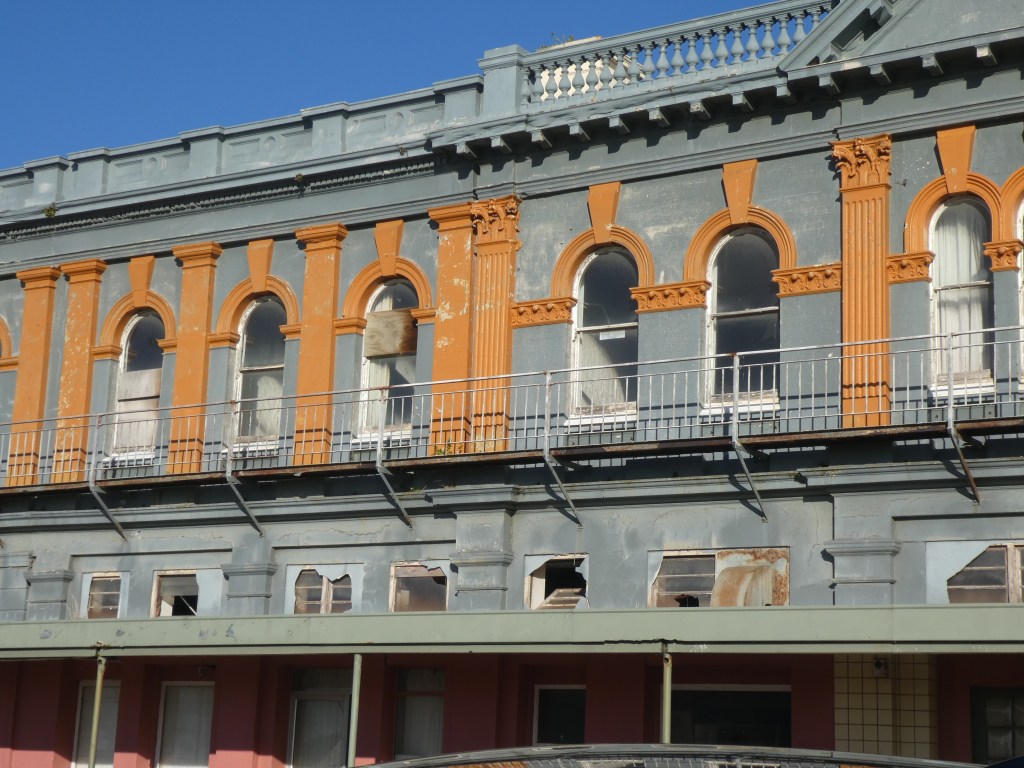
Again, we were surprised to see some of these beautiful old buildings being abandoned and not being restored. They are majestic and sprinkled all through the township of Oamaru. We then took a walk out to the old wharf and that had not changed a lot since our last visit.

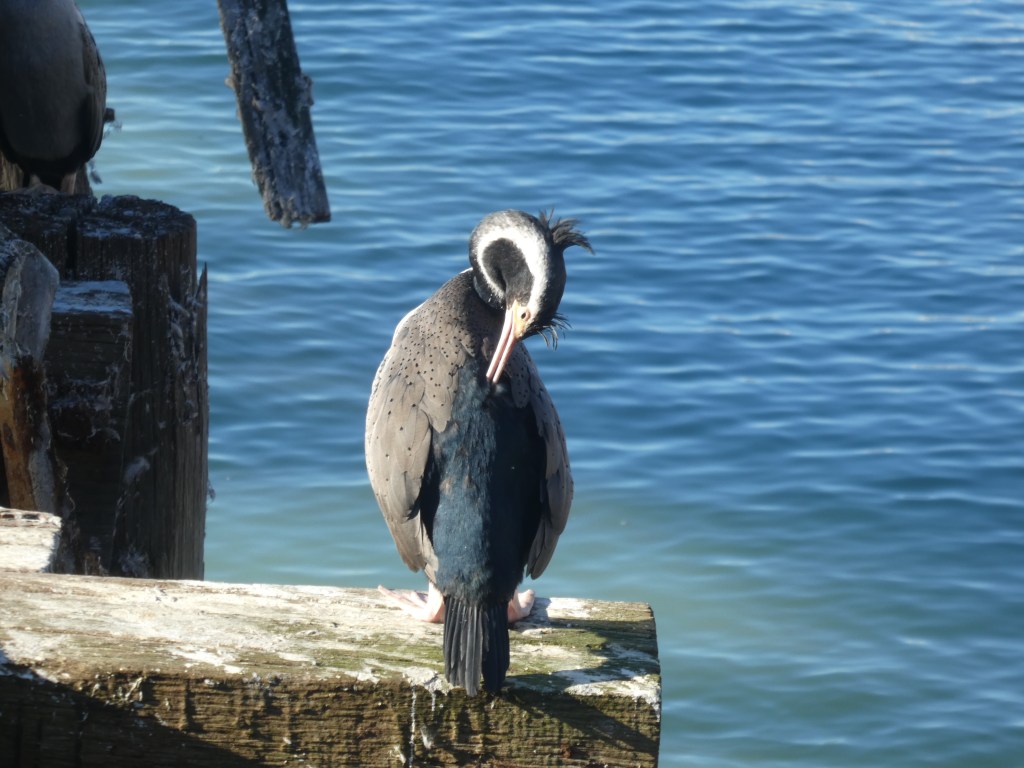
The old Sumpter wharf is no longer used and has been cordoned off to humans. The Otago shags have now made it their breeding colony, and it is the largest NZ colony of the birds. They are very territorial, so any other breeds of shags that try to move in are quickly dispatched. At the last official count there were more than 600 nests on the wharf.

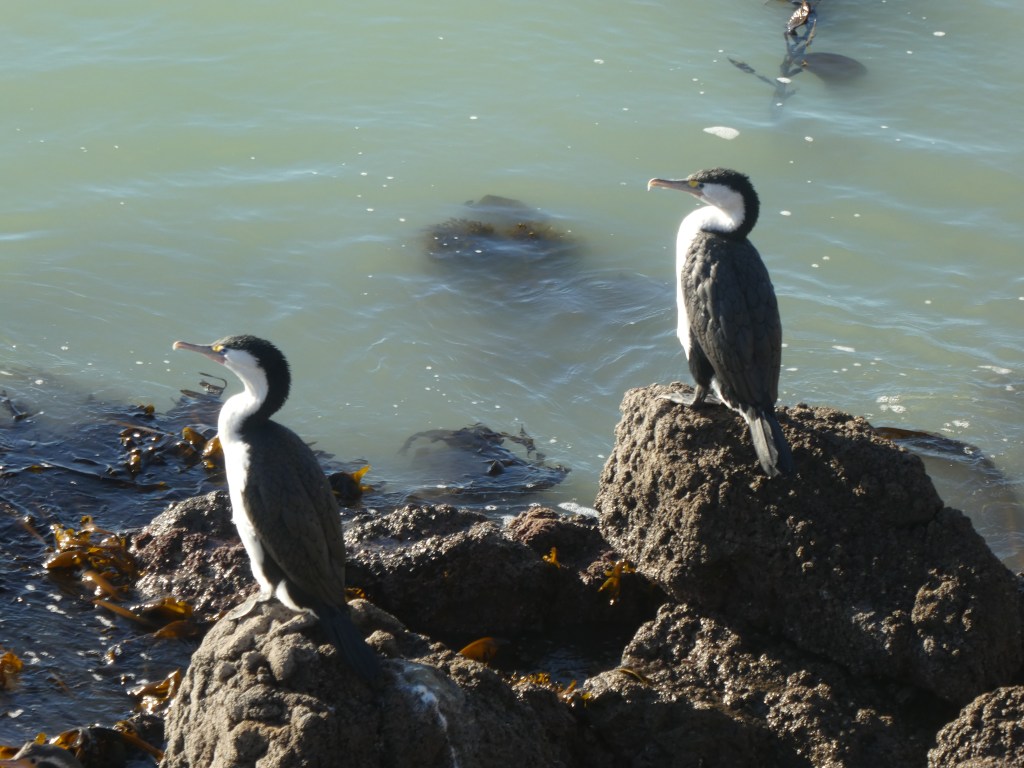
The smell coming from the wharf was quite powerful. A few spotted shags roosted on some rocks nearby, and it is probably as close as they are allowed to get.

The Blue Penguin colony is at the end of this road, but we had that experience last time and brilliant though it was, we decided not to do it again this trip.

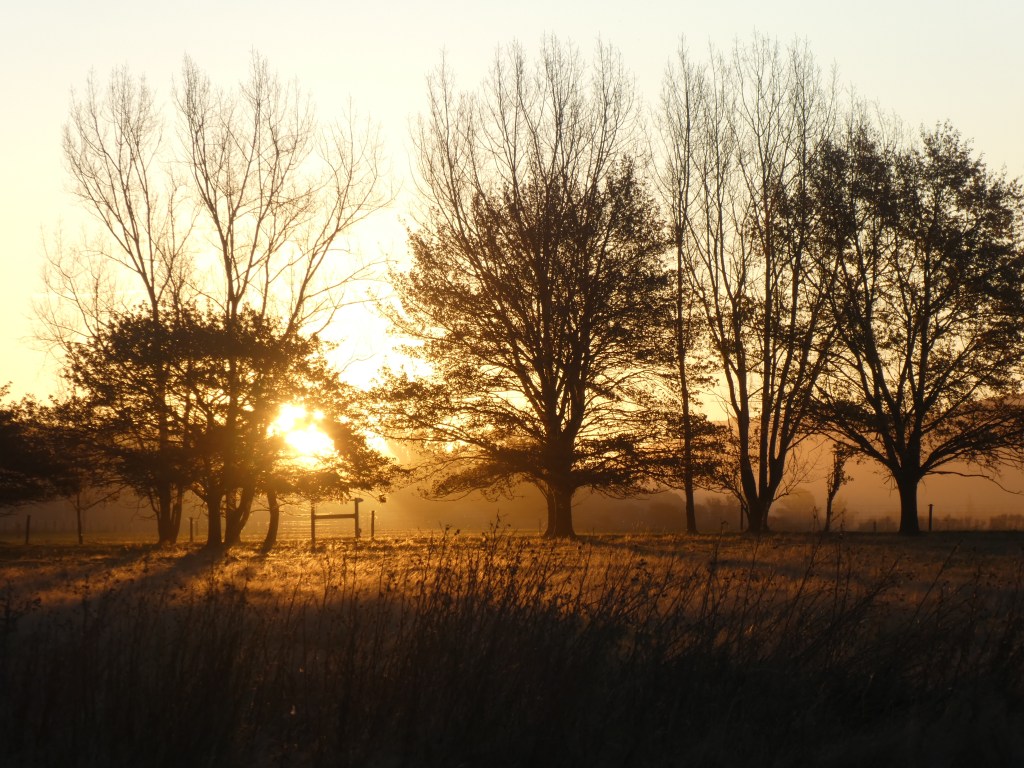
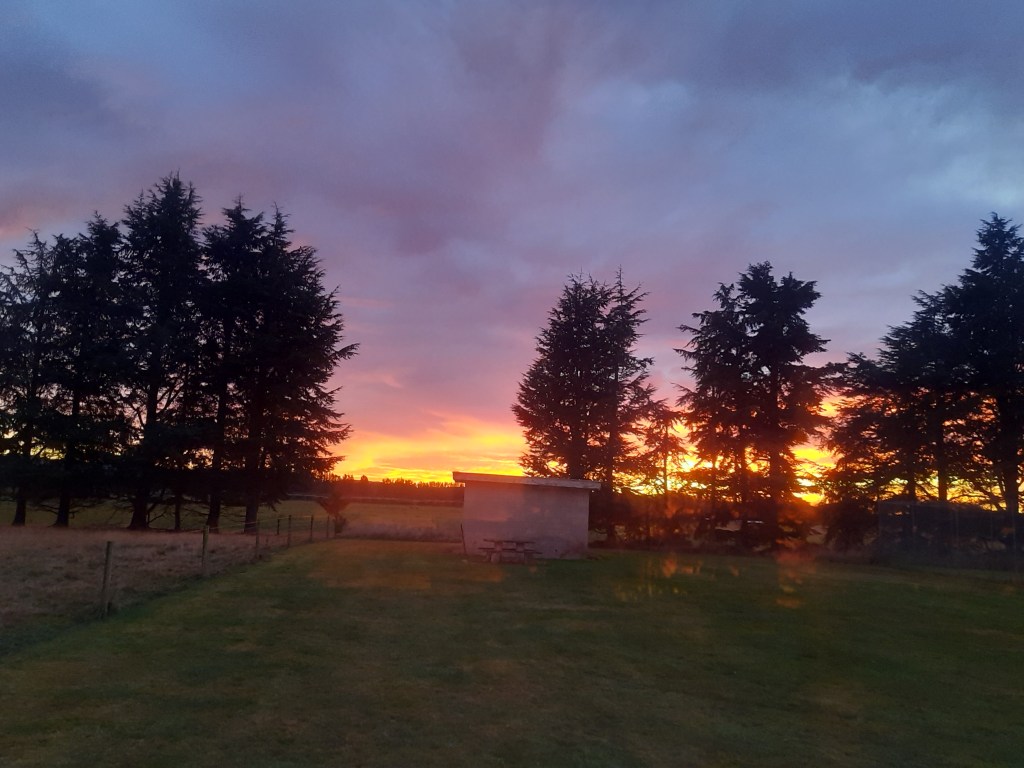
We spent the night at the NZMCA park at Awamoko that we had not been to before, and probably would not bother to again. It seems to be just a paddock in the middle of nowhere. At least we had a quiet night, and were treated to a great sunset.

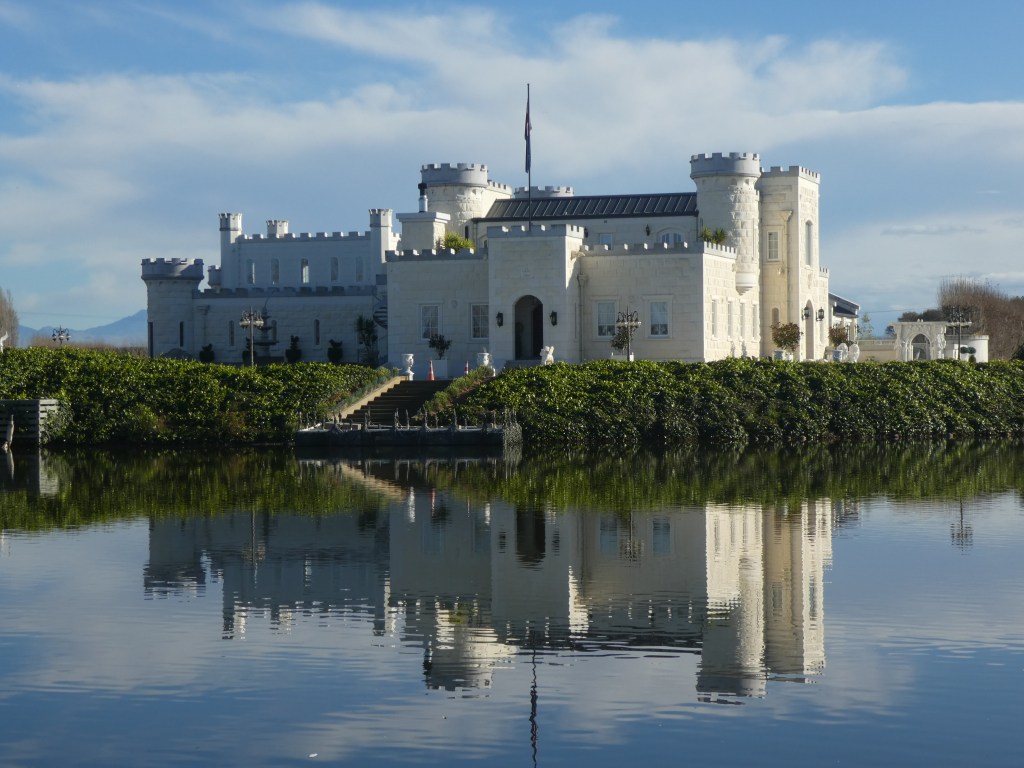
Riverstone Castle was on the agenda for the next day, but unfortunately we had chosen to visit on a day that they do not conduct tours through. We therefore had to content ourselves with views from across the lake.

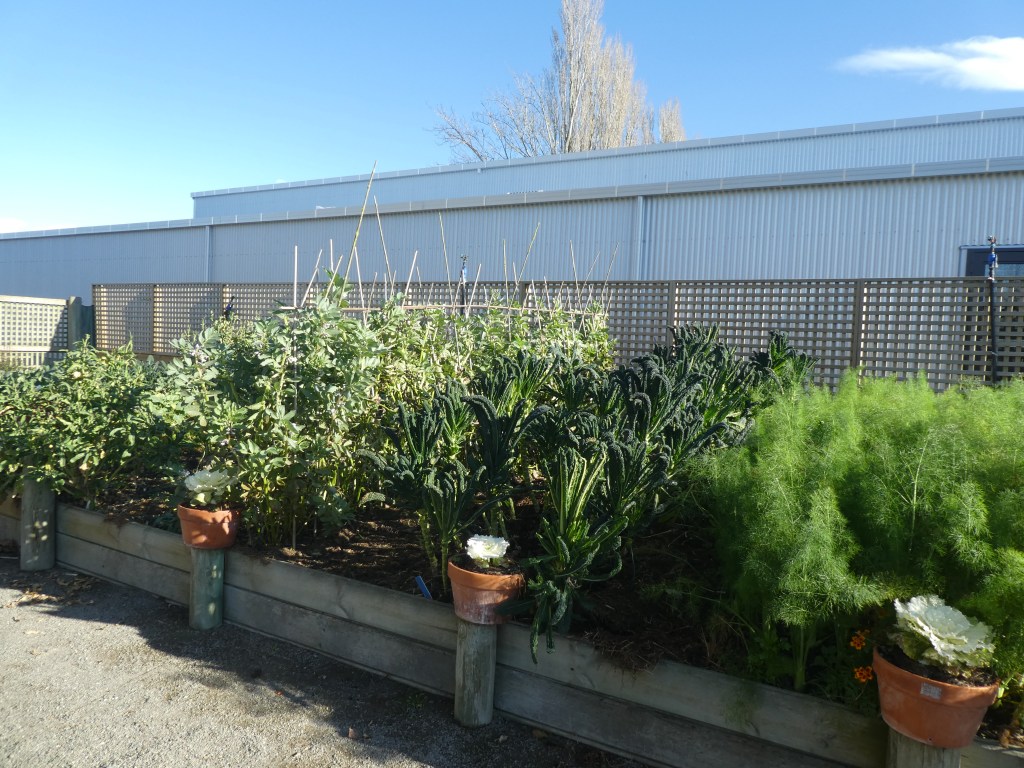
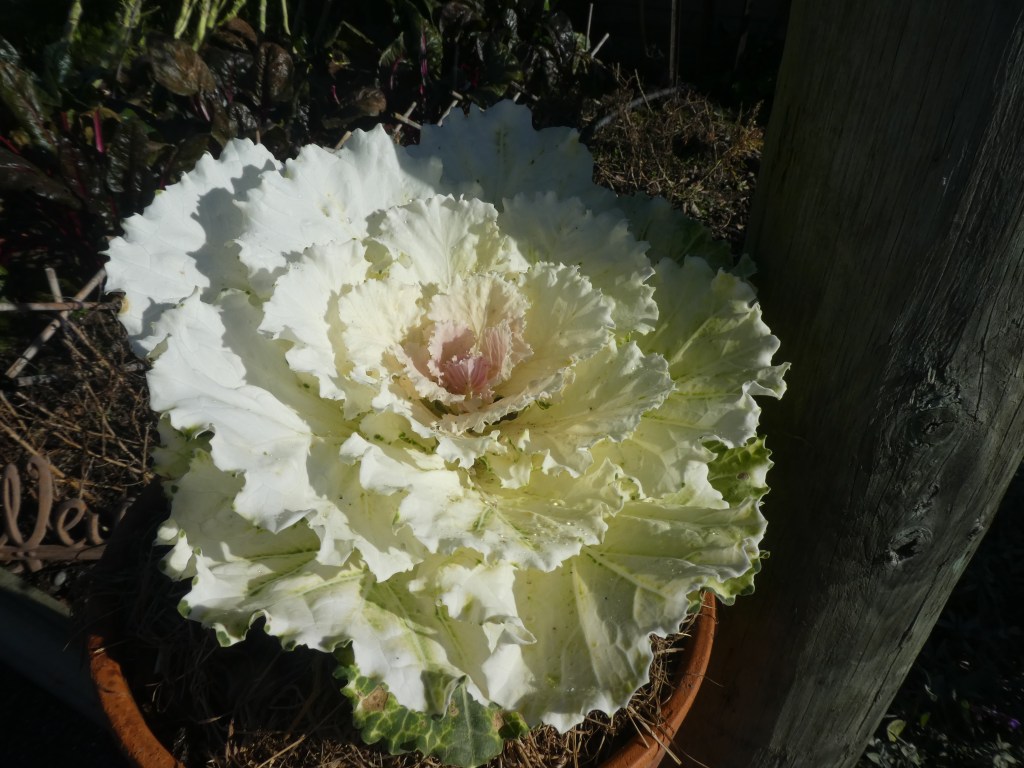
And a wander through their vast vege gardens:

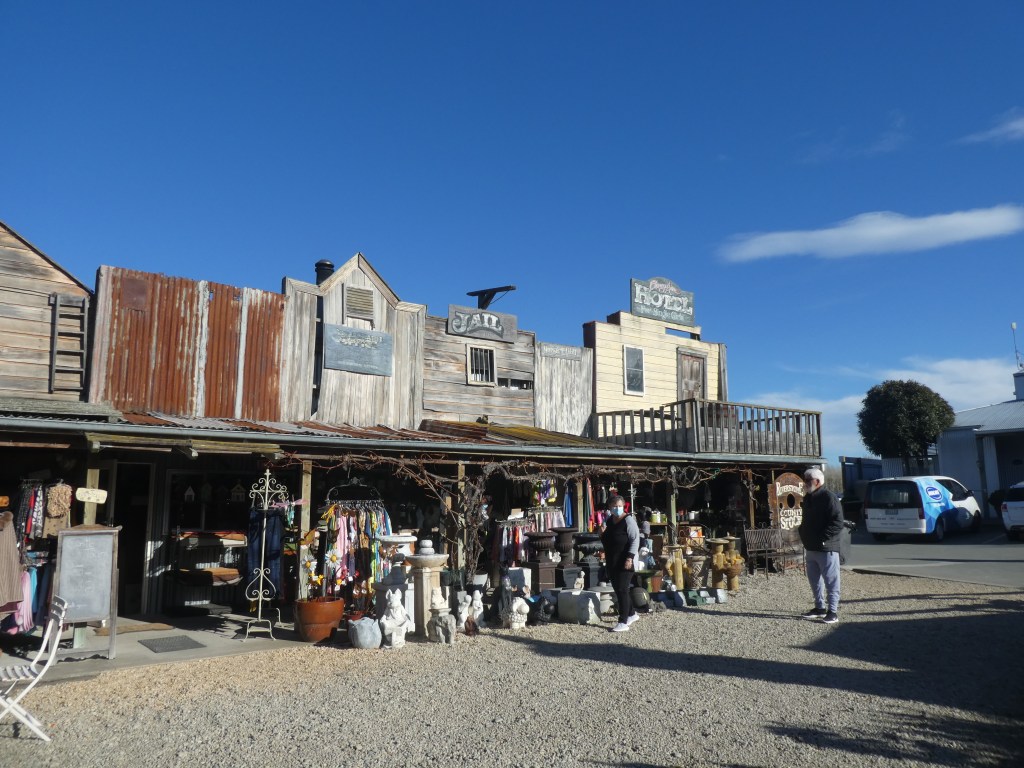
And a browse through their quirky retail area:

From here it was on to Timaru, where Bruce was to meet up with an old work pal from 47 years ago. The story has it that Dave was one of the “mates” who tried to stuff Bruce in a mail sack destined for the South Island on the night of his stag do. Bruce managed to escape but in the process broke his leg, so appeared at his wedding in a full leg cast.

It was a good catch up for the men, and it was nice for me to meet them. They took us out to lunch and we headed away later that afternoon to the dog park, and then to our overnight stay at the Phar Lap racecourse. Apparently is is slated for closure and it may be a good thing. The grounds are unkempt, and the buildings could do with some maintenance (seems to be theme here).

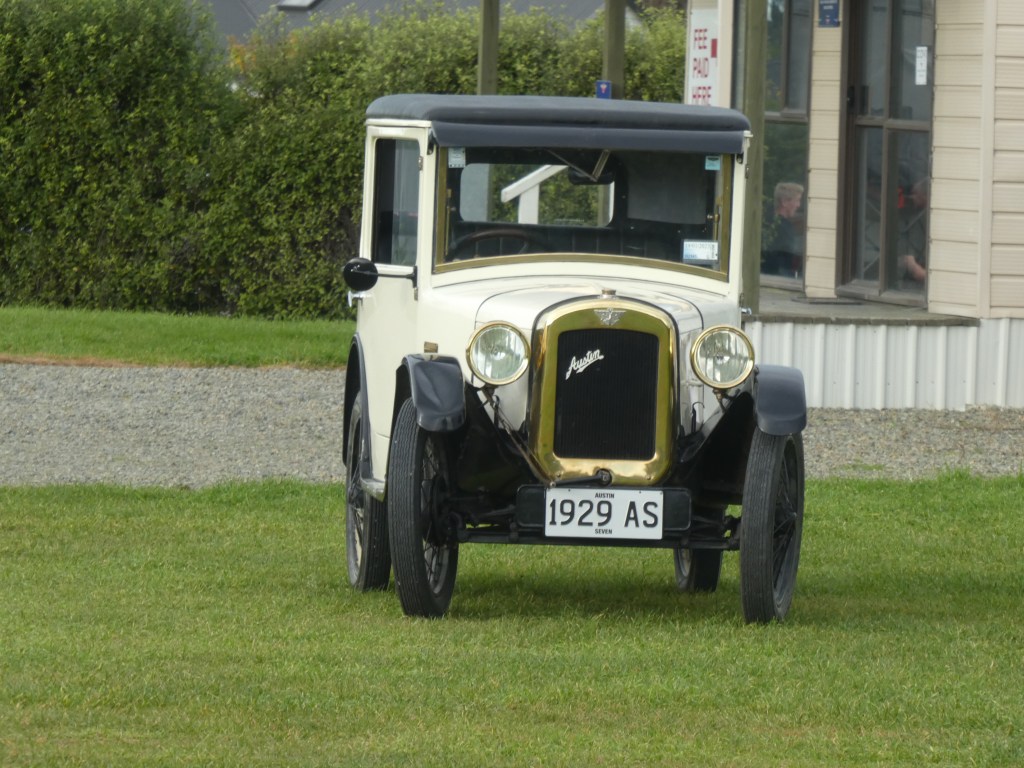
Early the next morning we were woken to the sound of thundering hooves. The nose of the motorhome wasn’t far from the railings so Bruce and Beau watched out the windscreen to the horses galloping by. Beau was not a happy camper! He seemed to thinks that each time they came around the track they were coming to get him, and it took him a couple of days to calm down. We were both a bit surprised by this and it was an easy decision to spend the next night at the NZMCA Park at Waimate. No horses here, only this old buggy!

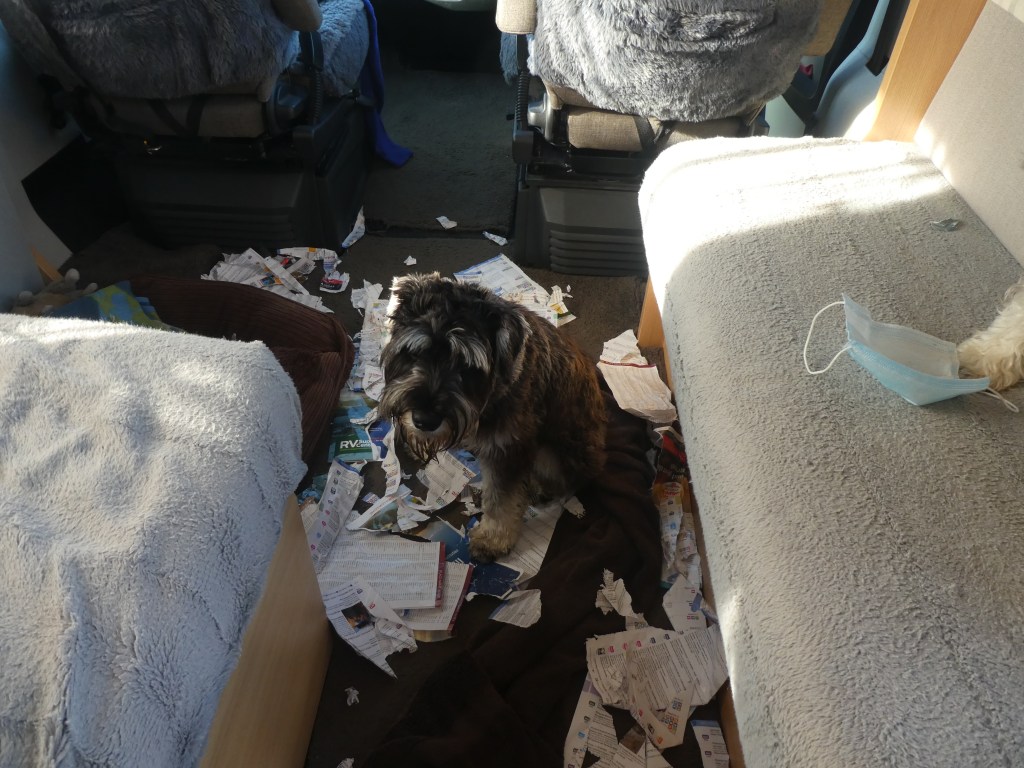
Before heading to Waimate though, we took the dogs for a beach walk at Caroline Bay, and paid a visit to the South Canterbury Museum. While we were there Beau decided to have a look for himself for another Park Over Property, and the evidence of this was throughout the van.

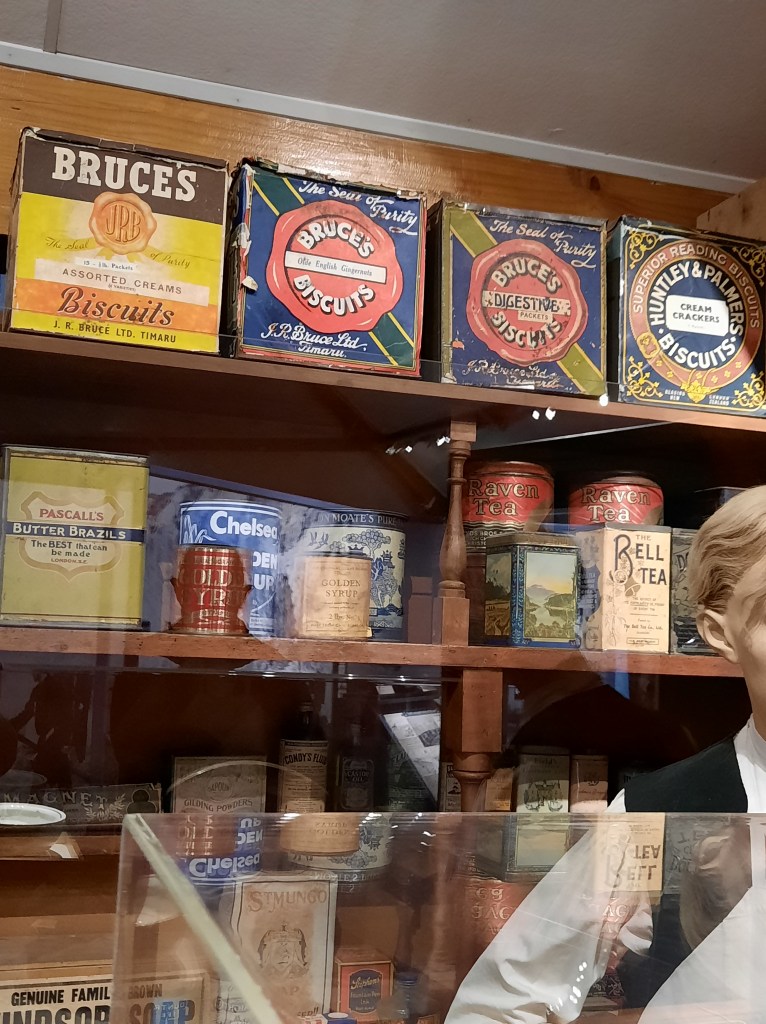
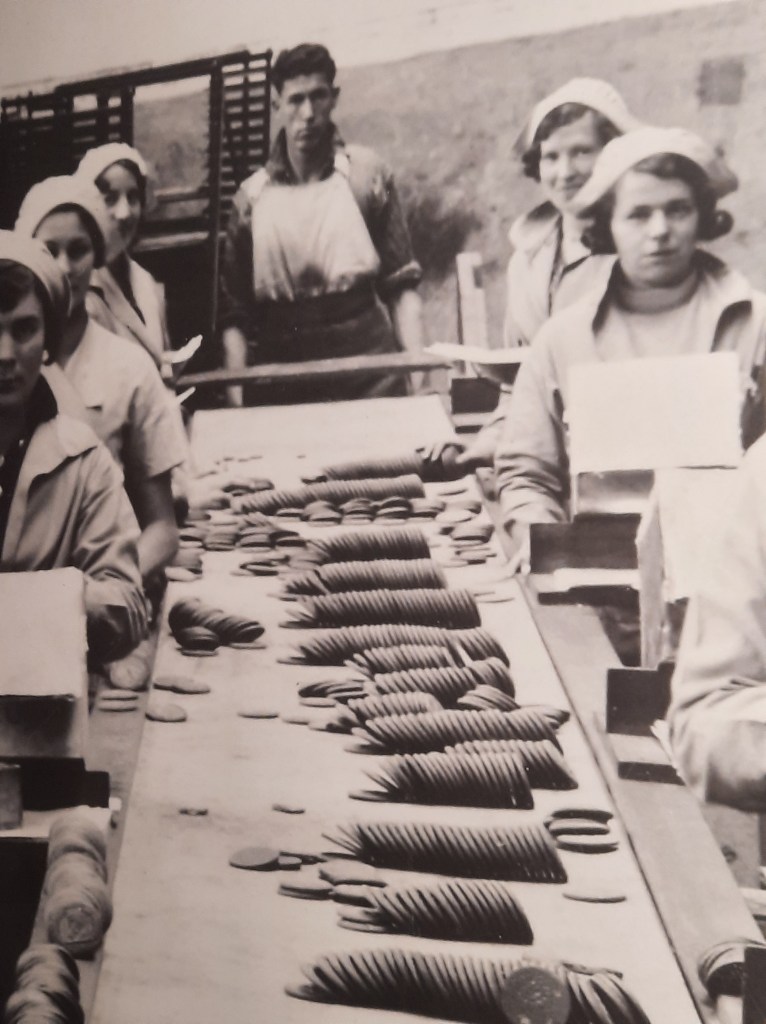
At the museum, we saw another bit of “Bruce” history. Apparently Bruce’s biscuits were a big thing once (in the 40’s).

Really not sure why he is not making them for me!!!

Destination Moeraki

After leaving Invercargill, we decided to head east to try and avoid the weather threatening the west coast and the interior, and first stop was Balclutha. The township itself was not bad, albeit quite small. We stopped for a coffee in a park by the Clutha river but didn’t stay long as it was lettered with rubbish and dog faeces, despite there being three big bins for rubbish and recycling.

We overnighted at the A&P showgrounds and the next morning I was able to get a physio appointment. The physio was great, and my hip, although a bit more sore for the next couple of days, began to improve from then on. The physio also told us to head to the library as they were having a mammoth book sale there – fill a shopping bag with books for $5. We found some great books that should keep us going for a while (especially as we still don’t have TV).

The next morning we headed on up the coast, with a quick stop in Dunedin for some necessities, then on to Moeraki. This time we stayed at a Park Over Property called the Red Shed. The last time we were here we stayed in the campground, with a steep entrance way, and in negotiating that we damaged the back end of the van. Access to the Red Shed was level, and just a couple of metres away from the beach. At one end of the beach the dogs were able to run free, and to say they loved it would be an understatement.

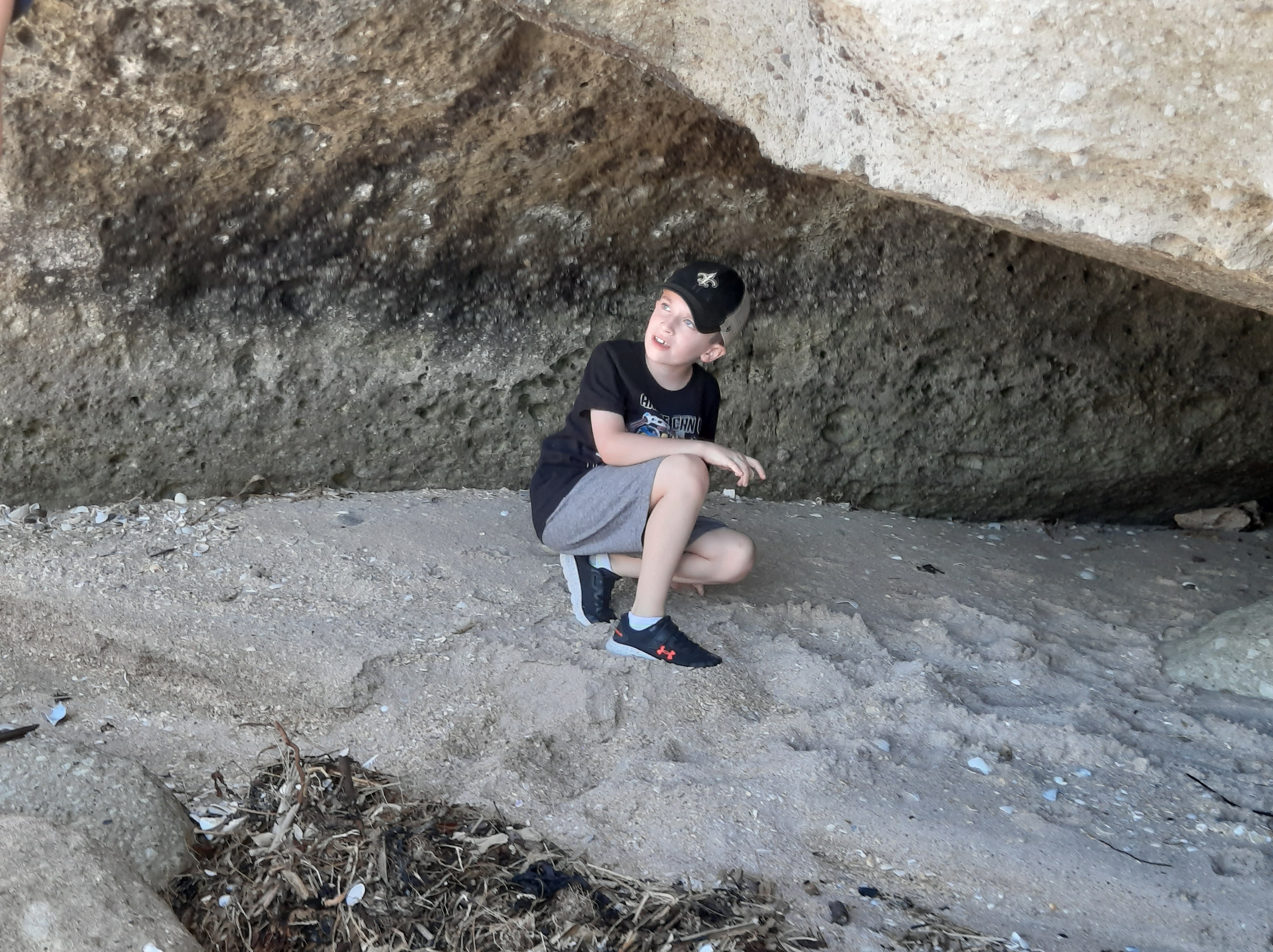
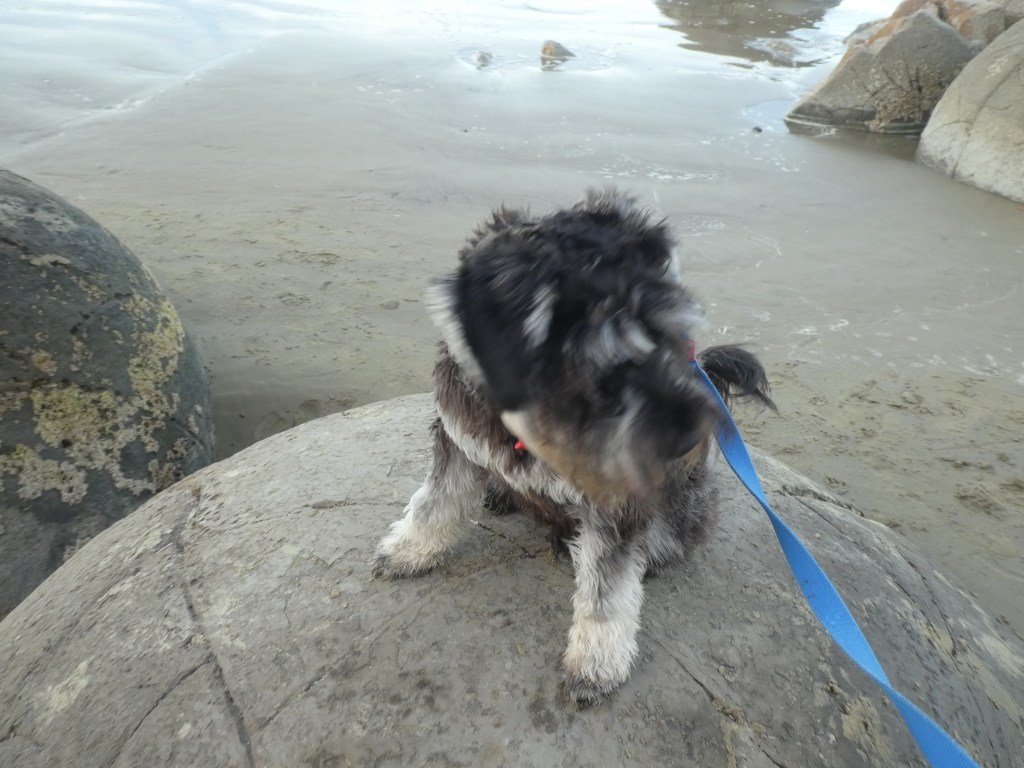
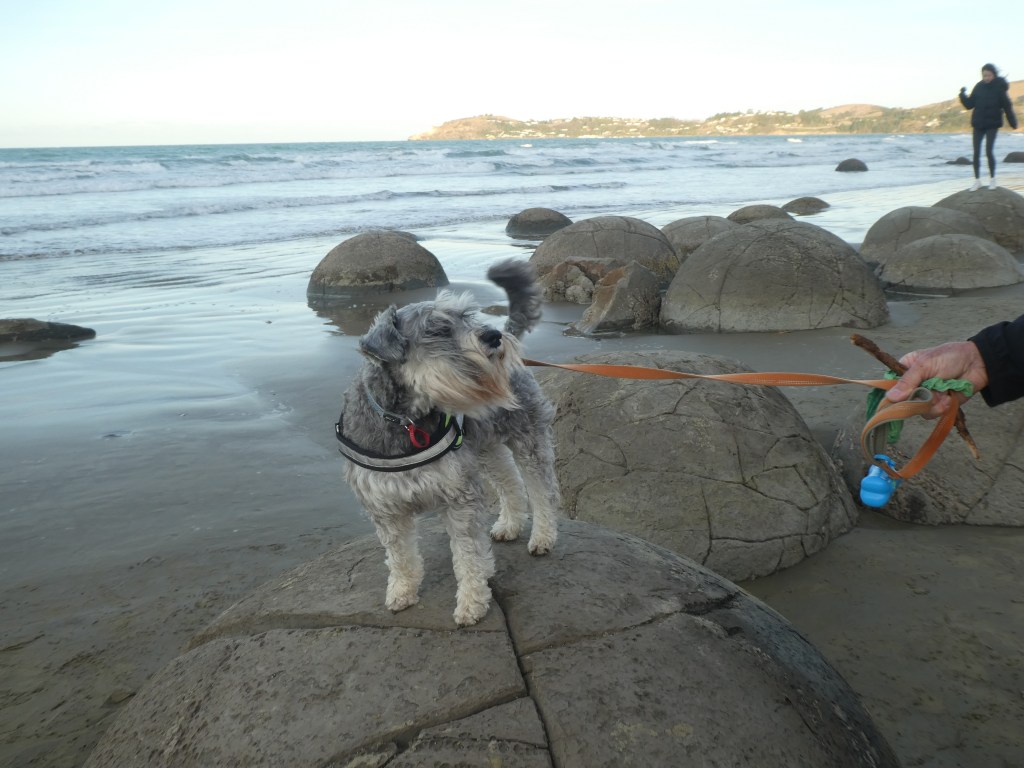
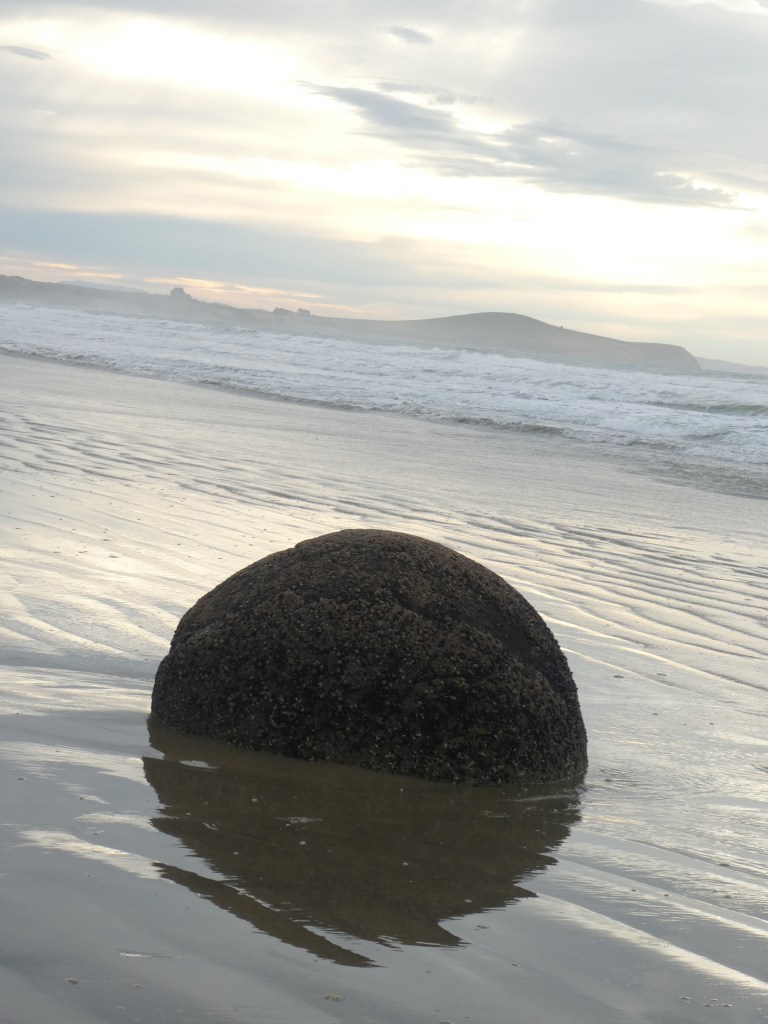
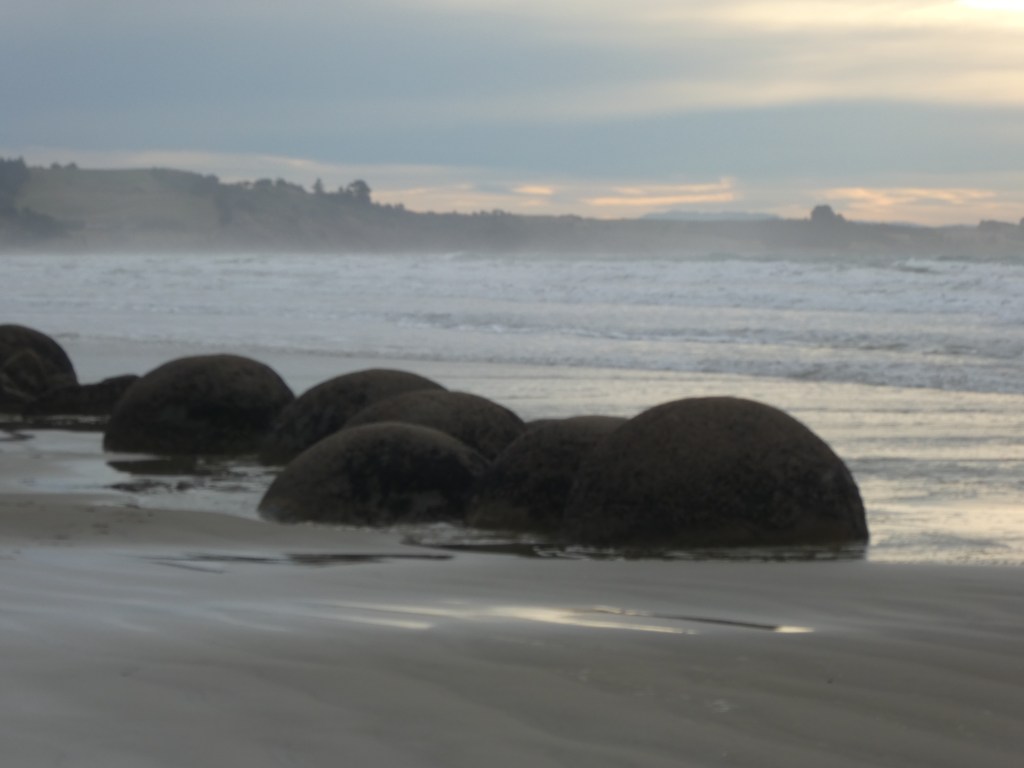
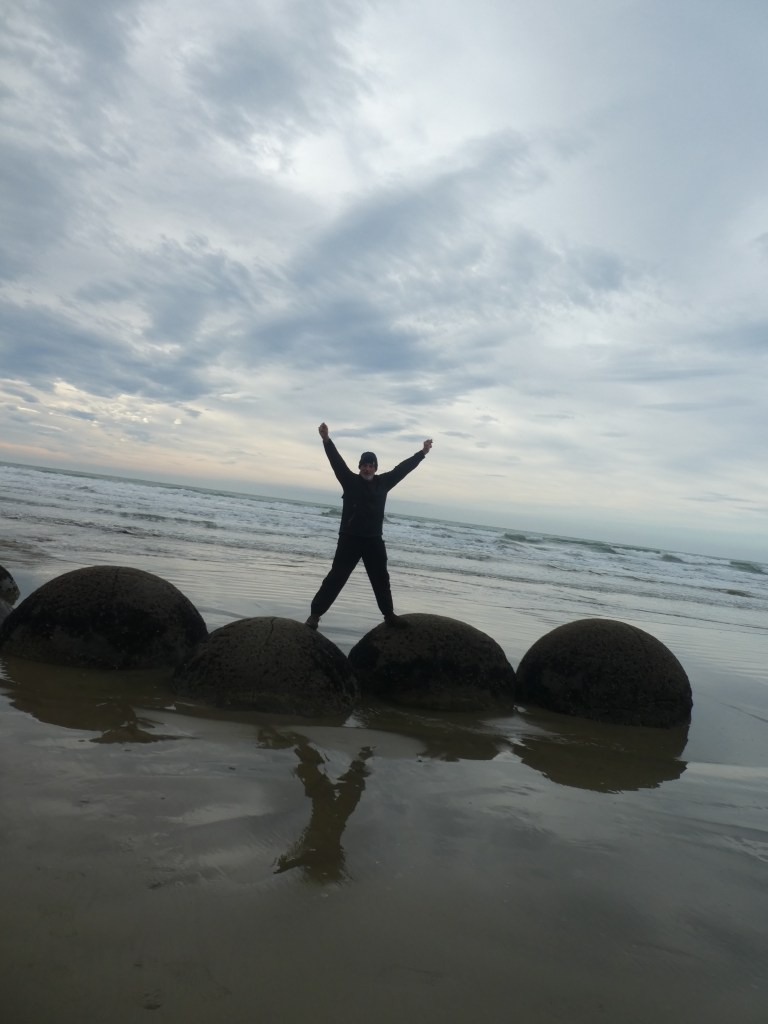
We explored the boulders, even though it was half tide, and we knew that low tide would have been better, but still we had a good time.

Boulder Beau
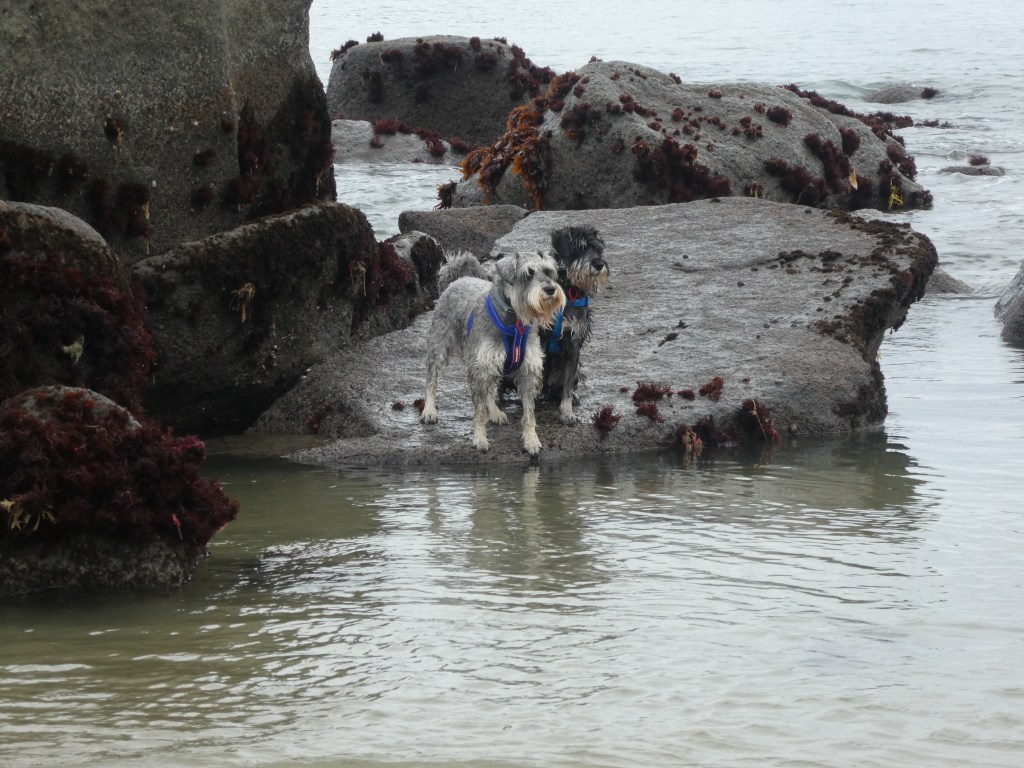
Rock Hunter

The next day Bruce and headed back to the boulders at low tide. The light today was amazing for photography, with a pink tinge in the sky all day.

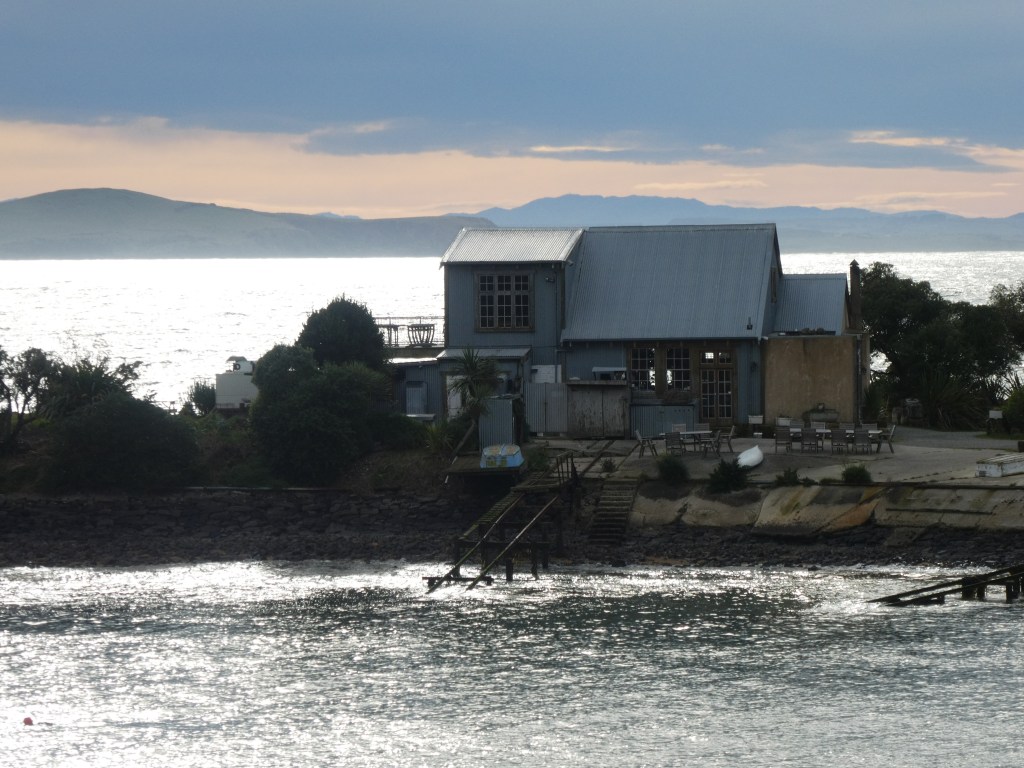
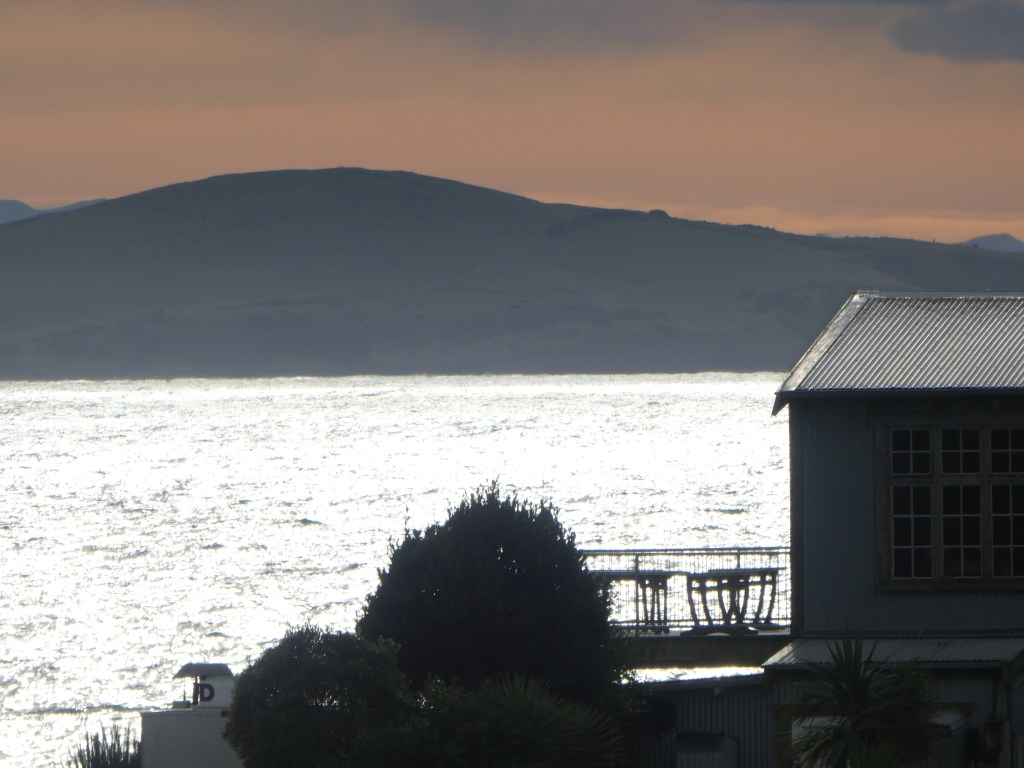
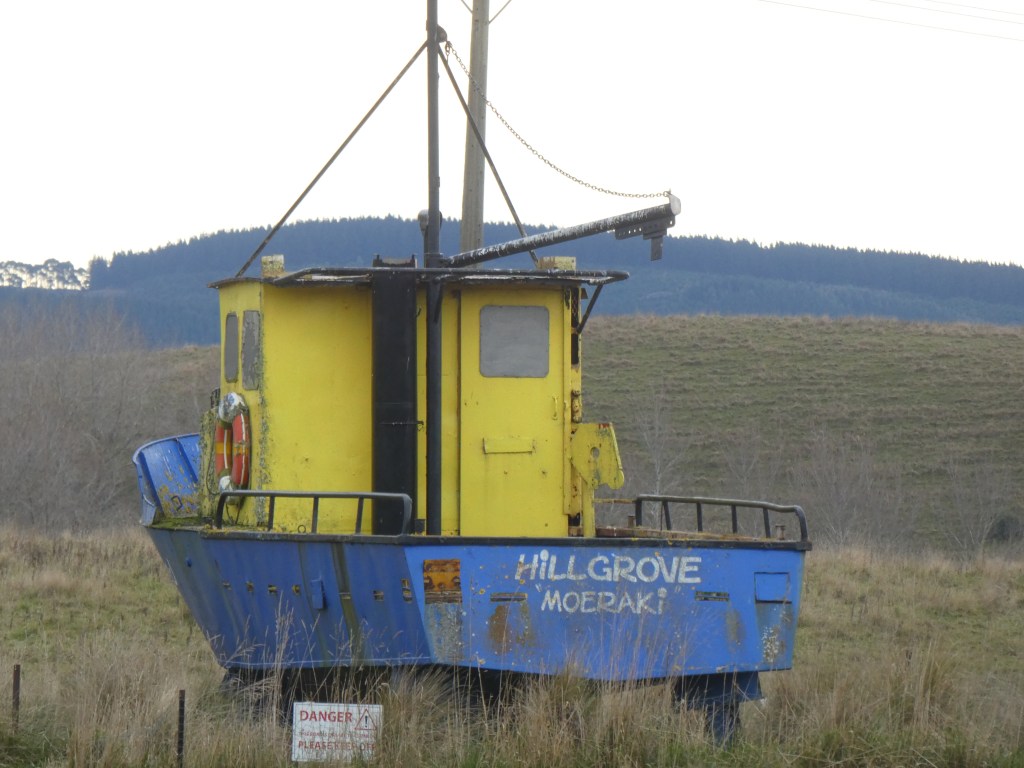
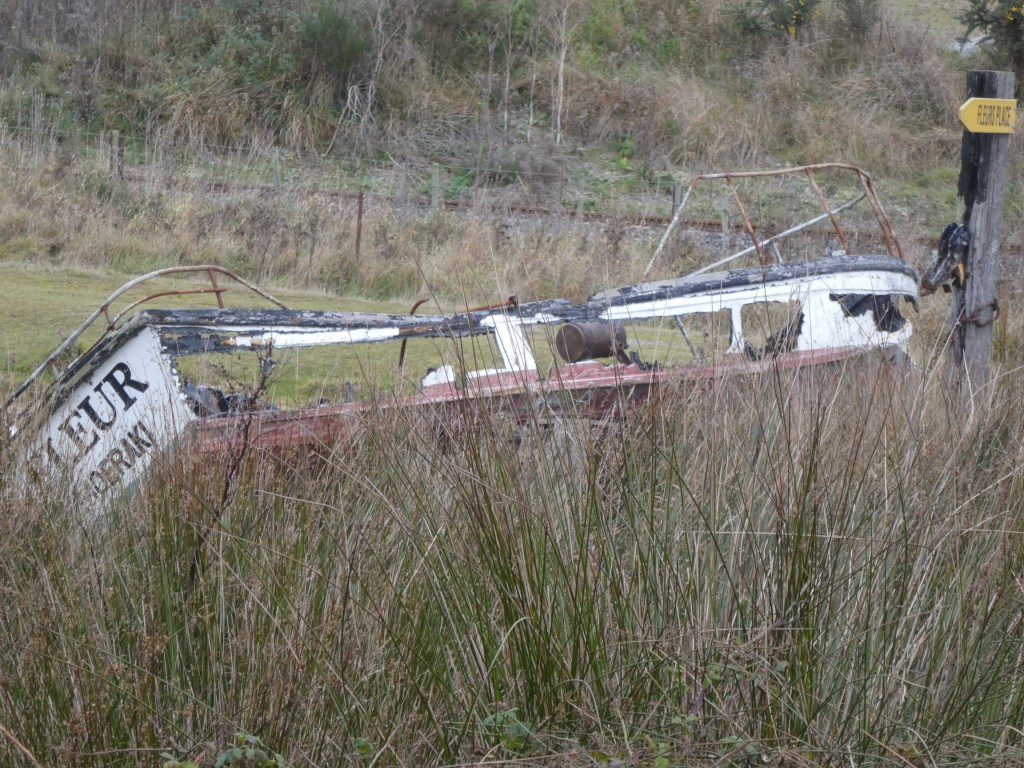
We decided to head into the township of Moeraki to mosey around and maybe get a feed of blue cod and chips again. We knew that the iconic “Fleur’s” was closed, but there was the pub and the takeaway store there. Again, the light gave us some interesting photos.

We elected to eat at the pub as there was nowhere to sit in the takeaway kiosk. We could not believe how busy the place was – especially for an out of the way sort of place. The meals were generous but a little on the greasy side.

The next morning the dogs had their last run on the beach, and we headed back on the road towards Timaru.

Bluff

While staying at the NZMCA Park in Invercargill, we decided to do a day trip to Bluff as it had been years since we were there. There are three things that struck us this time:

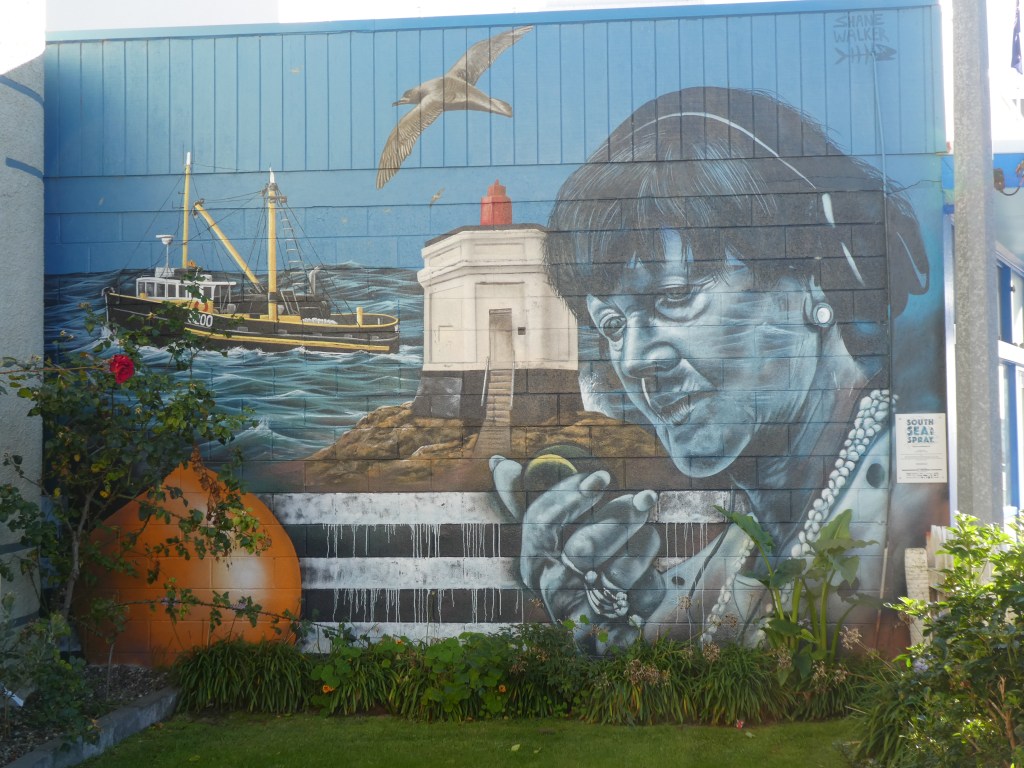
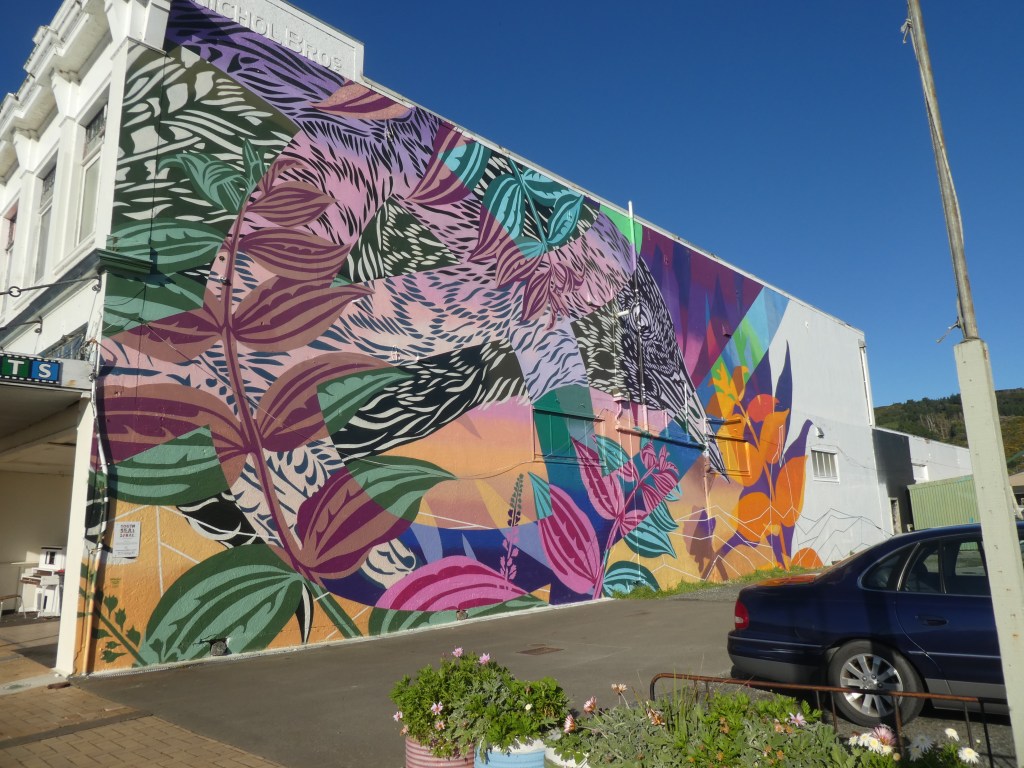
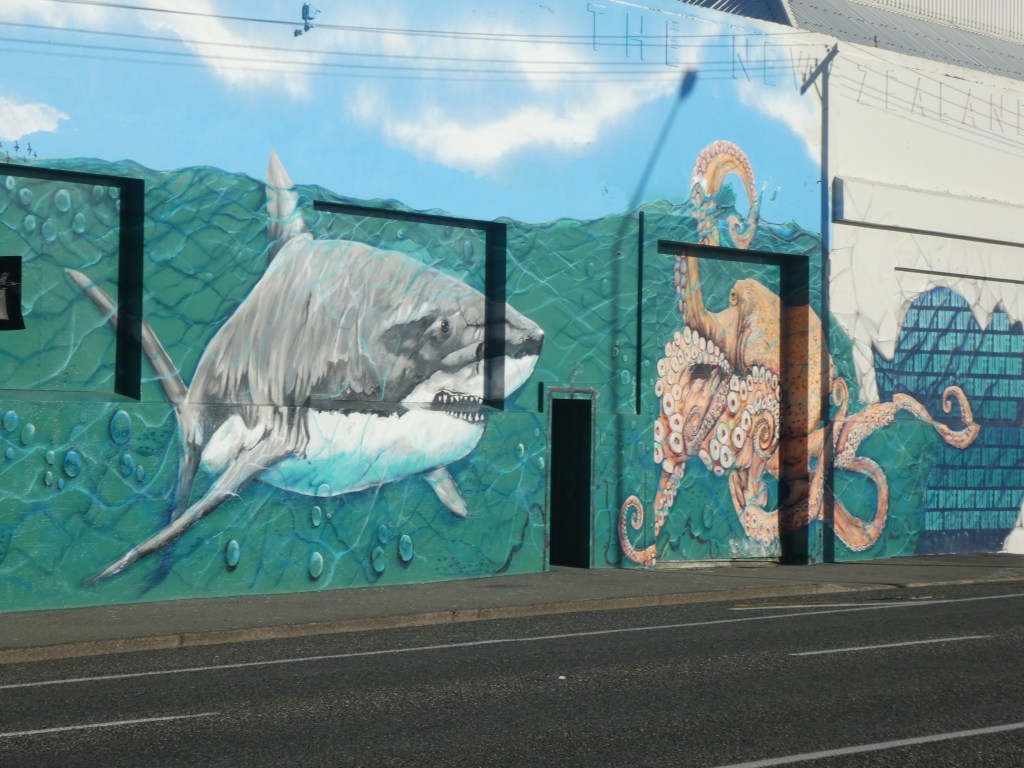
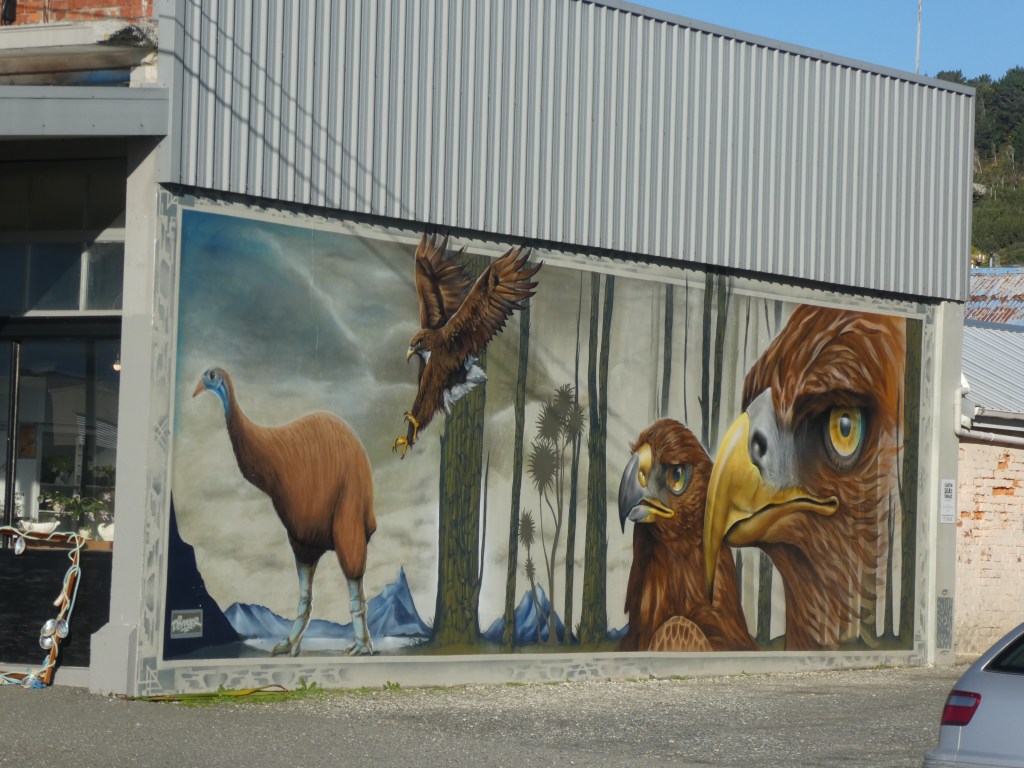
1/ A lot of money and effort had been spent beautifying the town with murals

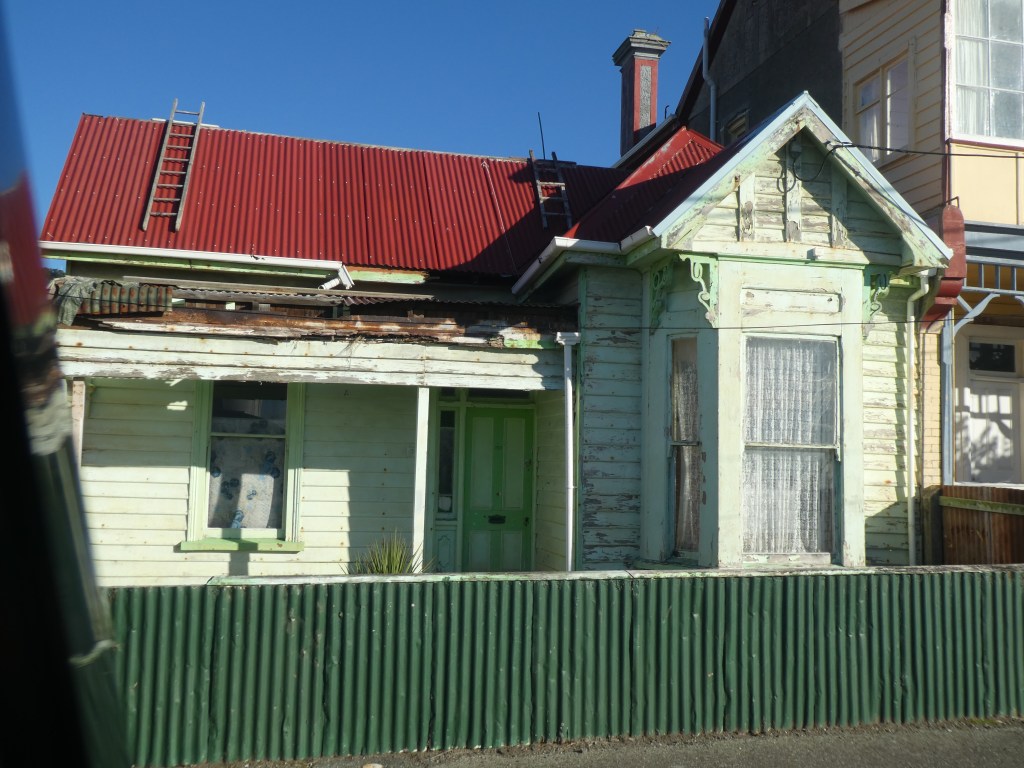
2/ The age of the town – lots of old buildings and houses and not a lot of maintenance

3/ The lack of people.

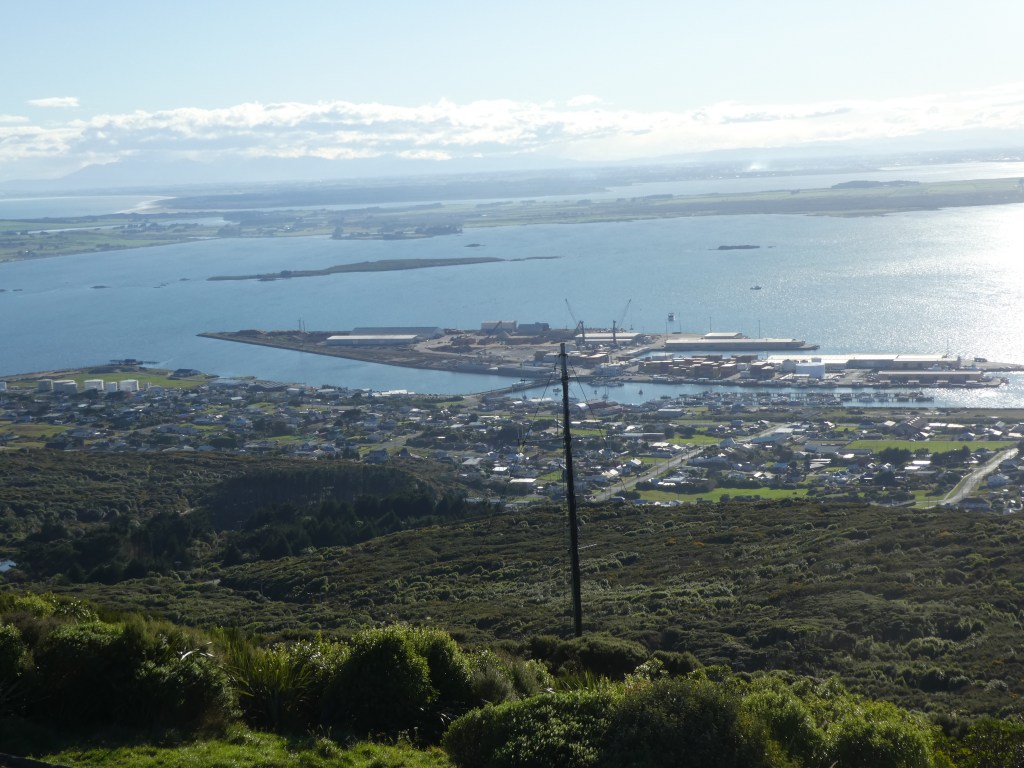
Our first stop was to the lookout. It was a very steep, narrow and windy road to the top but the views were great.

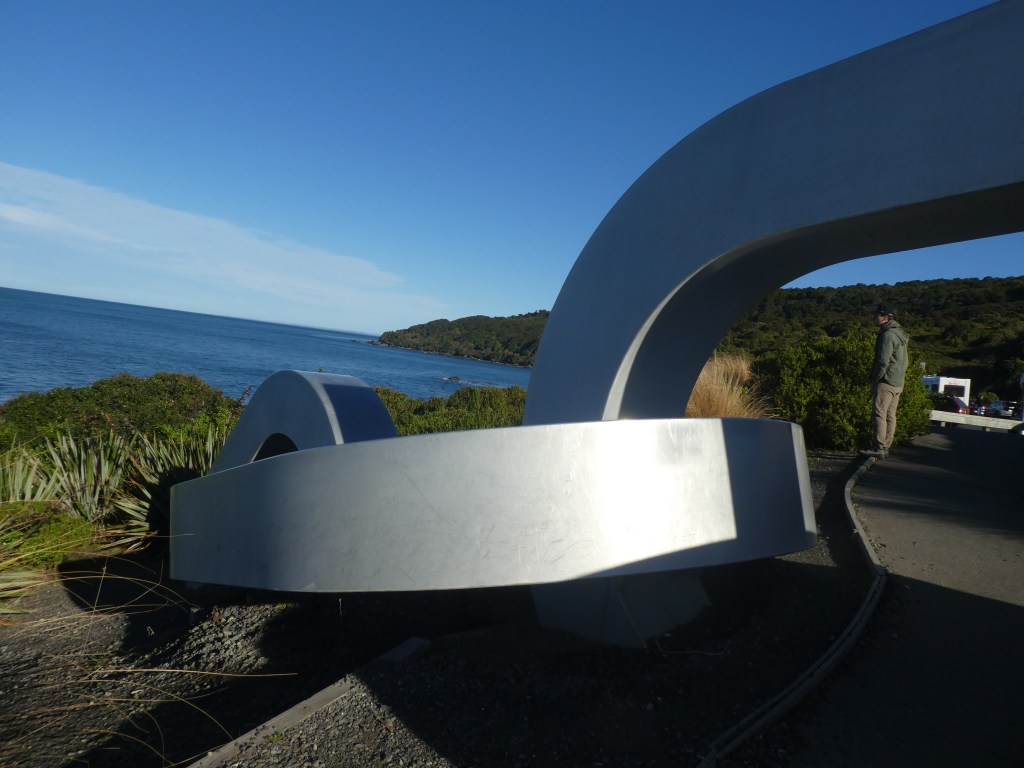
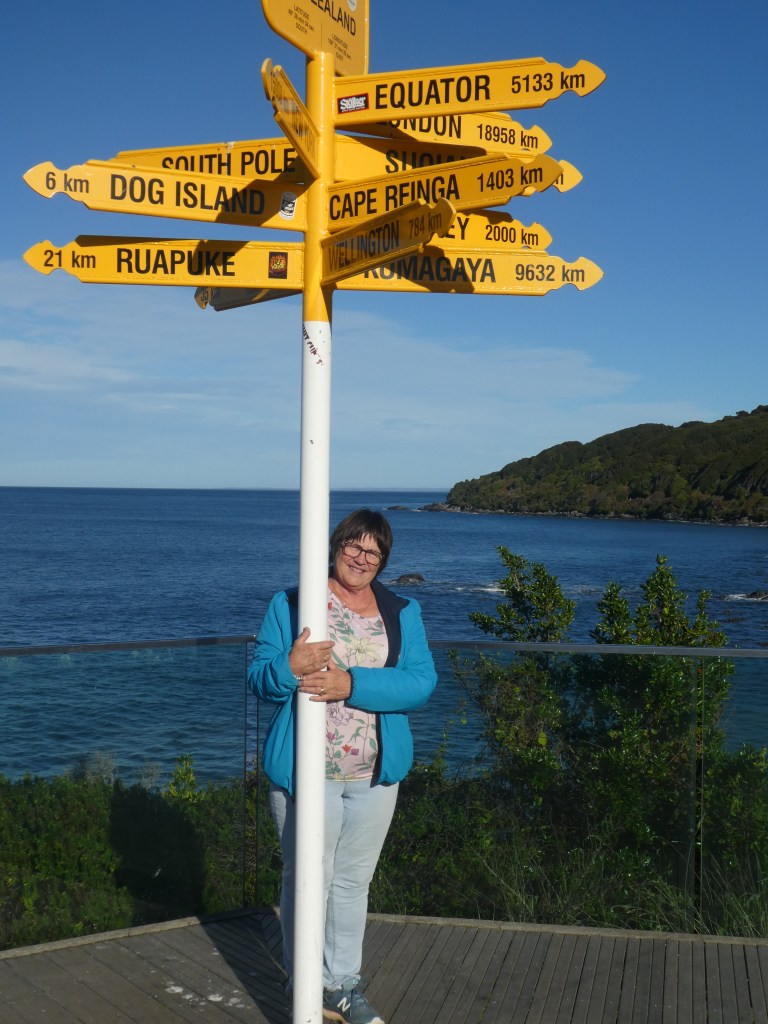
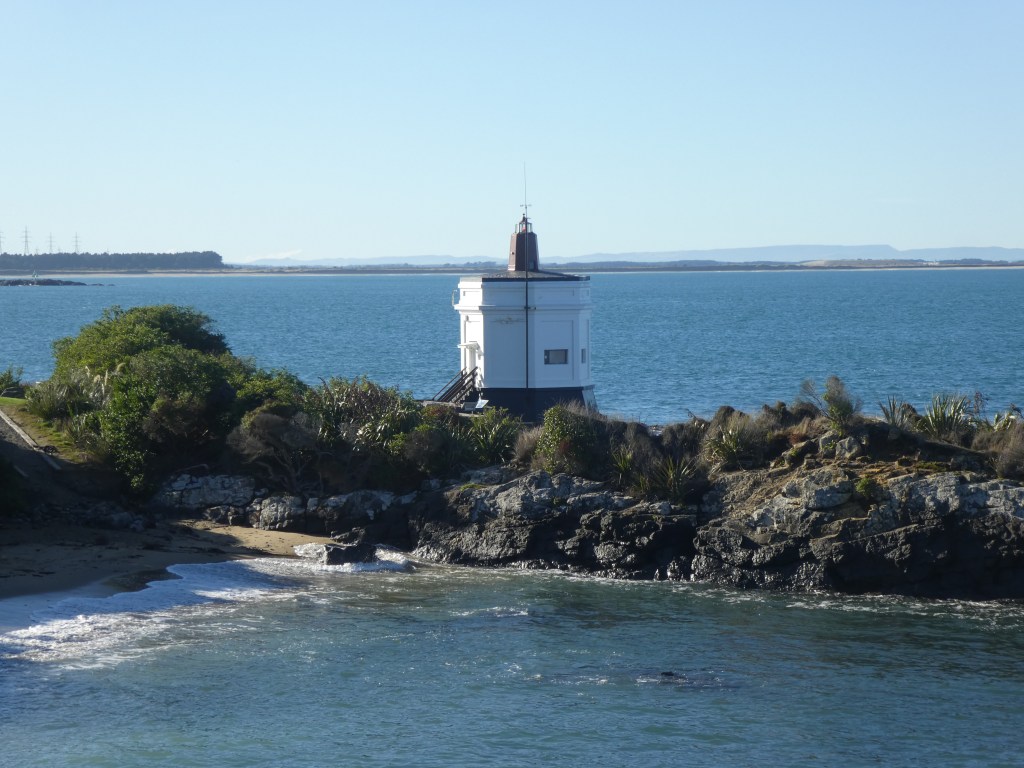
I let Bruce tackle the drive down and we then went out to Sterling Point. Neither of us had been there before and it was a great little place with a cute light house, and a length of what I assume was supposed to be sterling chain.

There was also a solitary seal mooching around in the seaweed trying to find his lunch. Despite my best efforts I wasn’t able to get a decent photo of him.

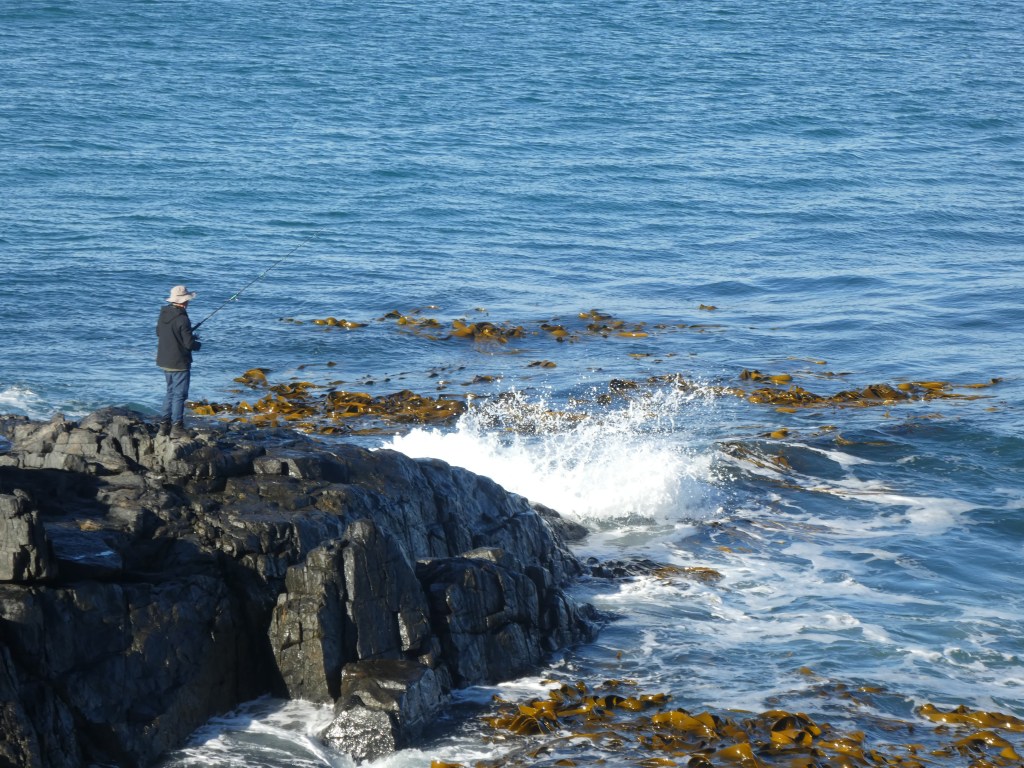
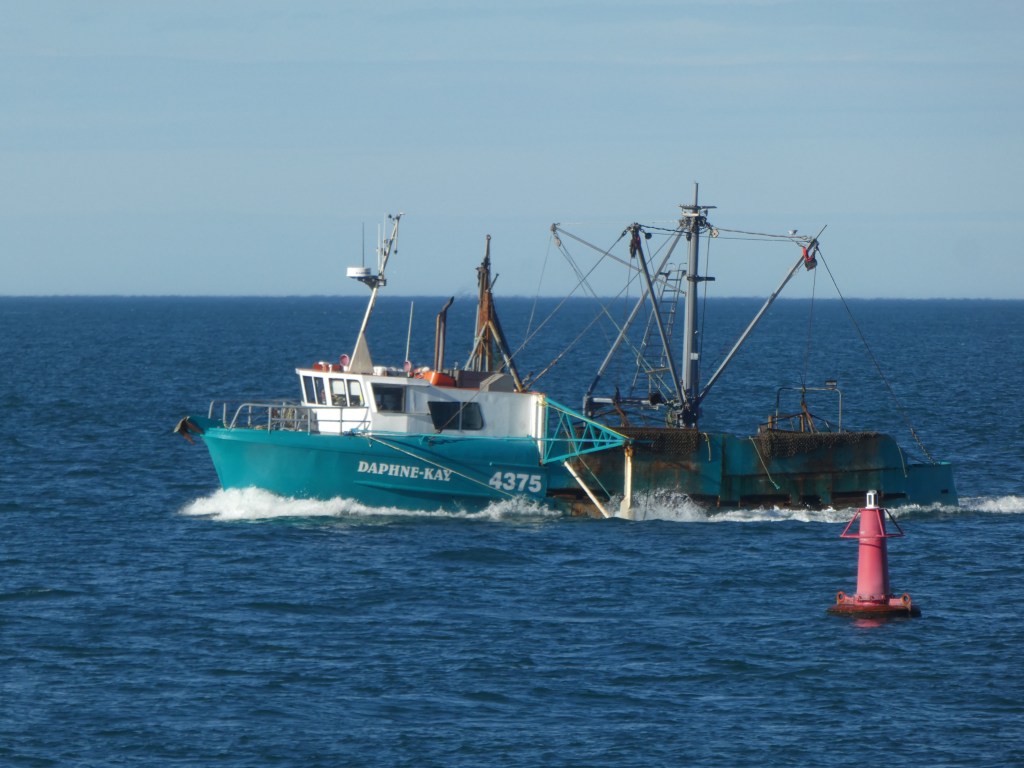
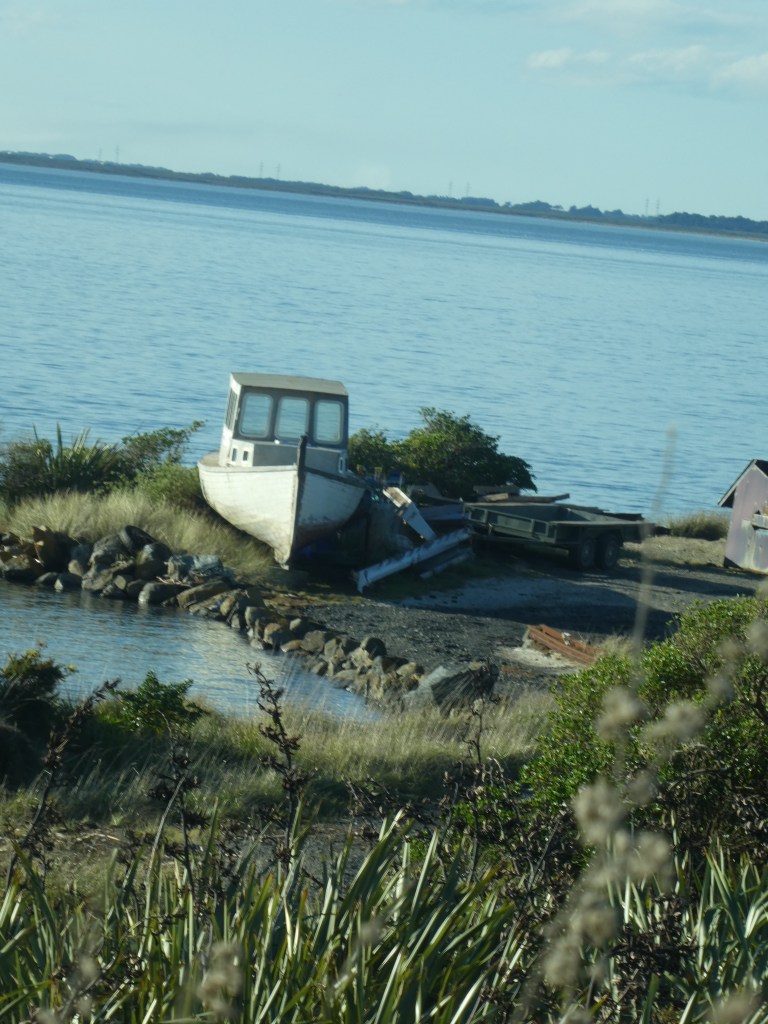
We stopped off at the restaurant here and had lunch and were able to watch the few intrepid fishermen trying to catch a feed from the rocks, (we never saw any signs of success), and what we guessed were the oyster boats making their way back in to port.

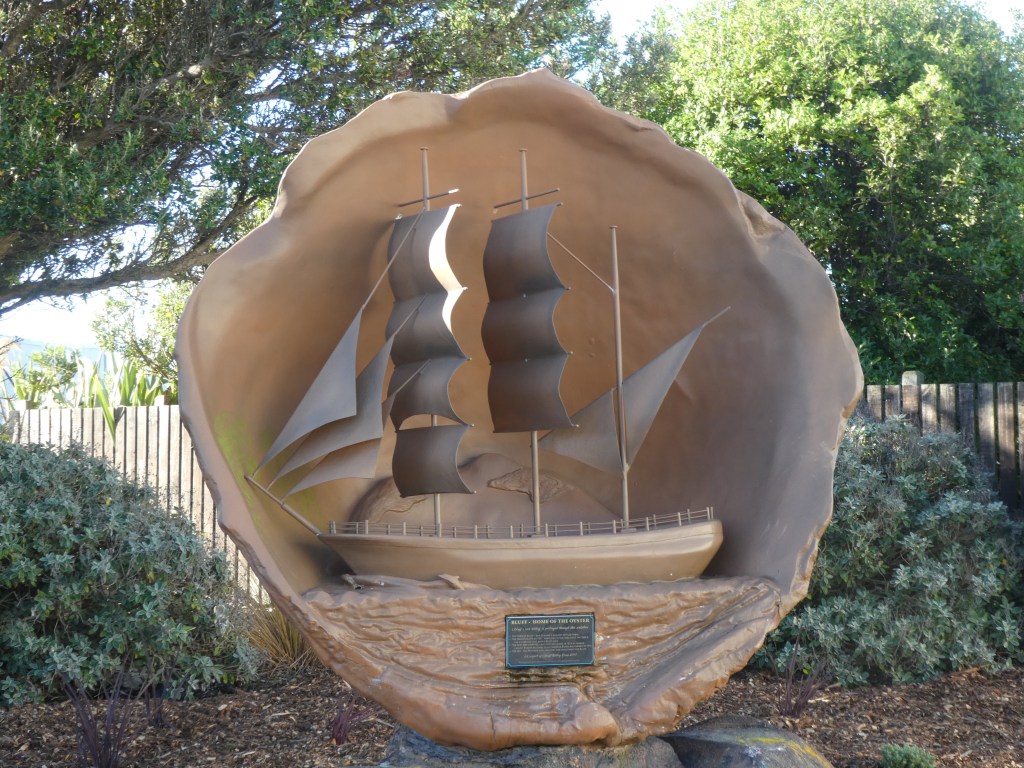
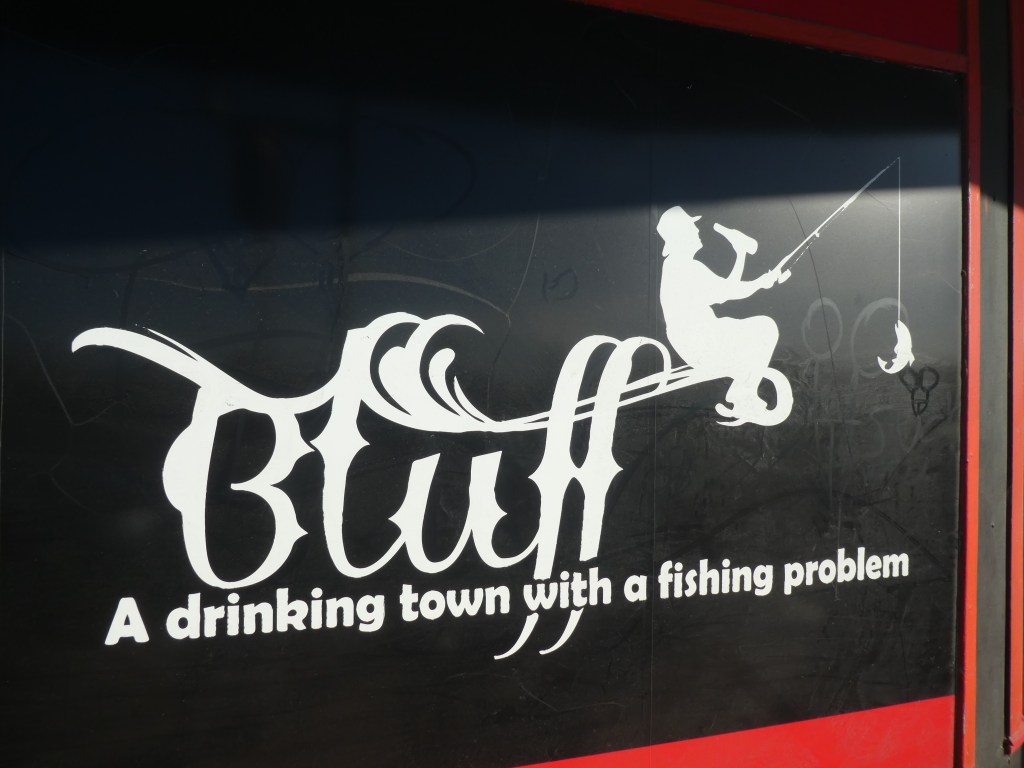
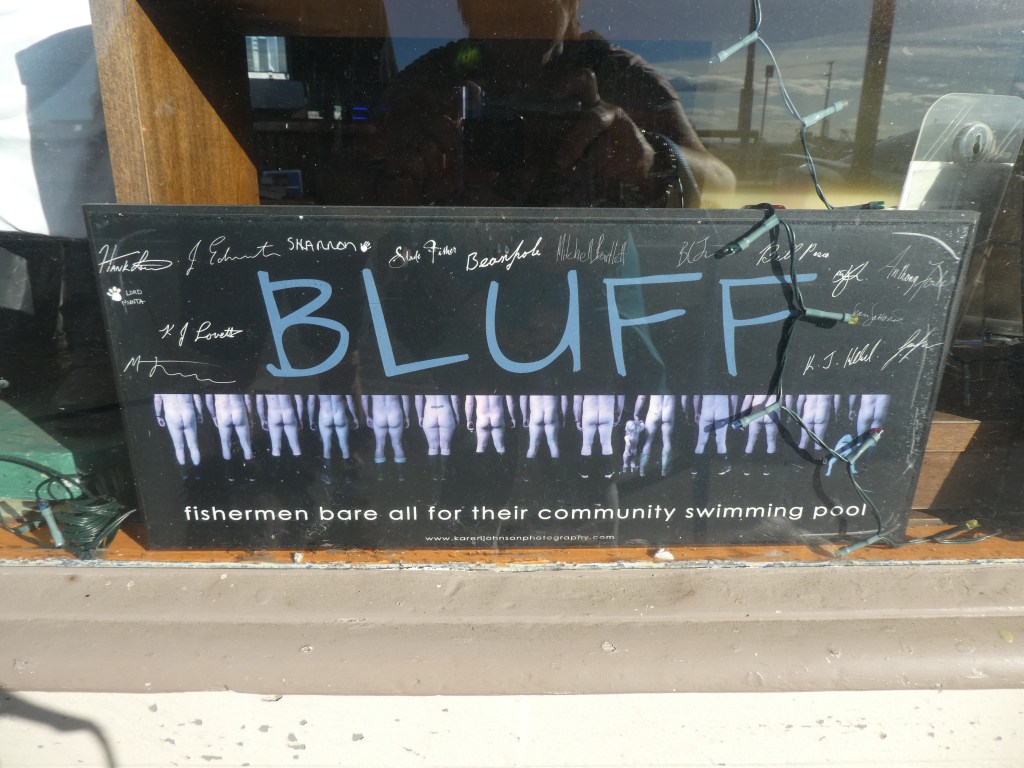
The township itself was, as I said, largely abandoned, but we had a walk around and noticed a few quirky things such as these two notices:

The murals were lovely and probably the high point of the town

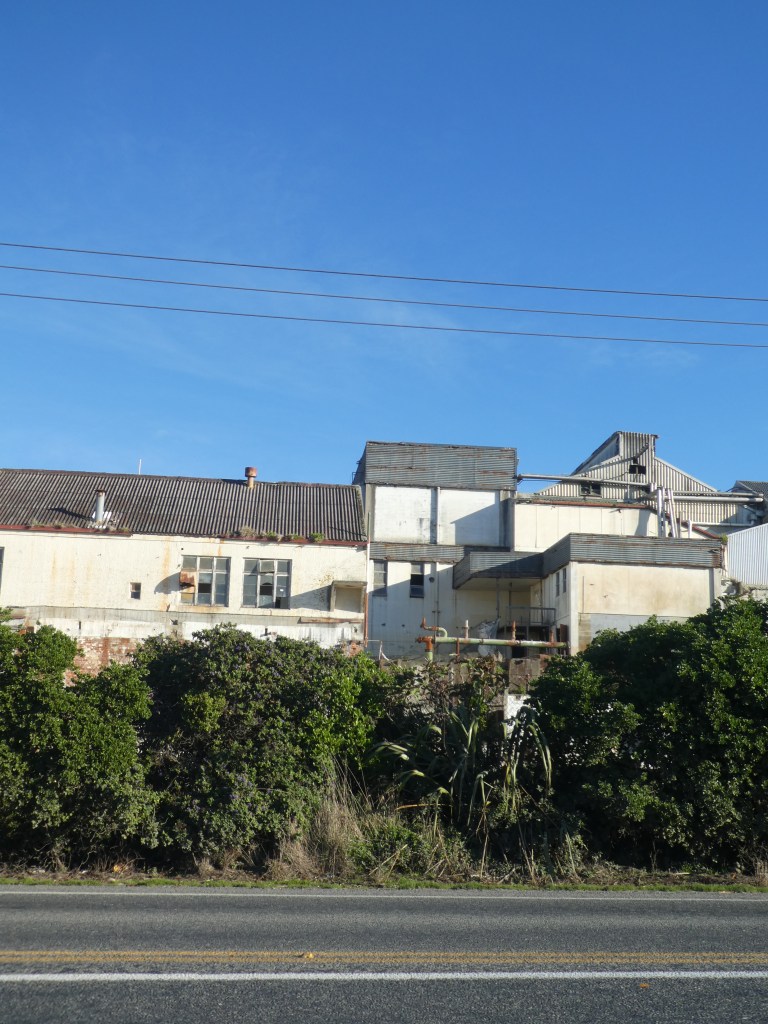
However, everywhere there were signs of neglect – a hotel with broken windows, a house almost falling down and a factory looking overgrown with vegetation.

The highlight for the day for Bruce was probably being able to purchase a dozen fresh Bluff oysters that he cooked for dinner. All in all, a lovely day!

Invercargill

The new day at Monkey Island was also sunny, but nevertheless we packed up and headed to Invercargill, staying at the NZMCA Park. We intended to spend 2 nights here, with one day spent exploring Bluff, and the other going to a place called Demolition World. The last thing on Bruce’s “must do” list, was having a feed of Bluff oysters.

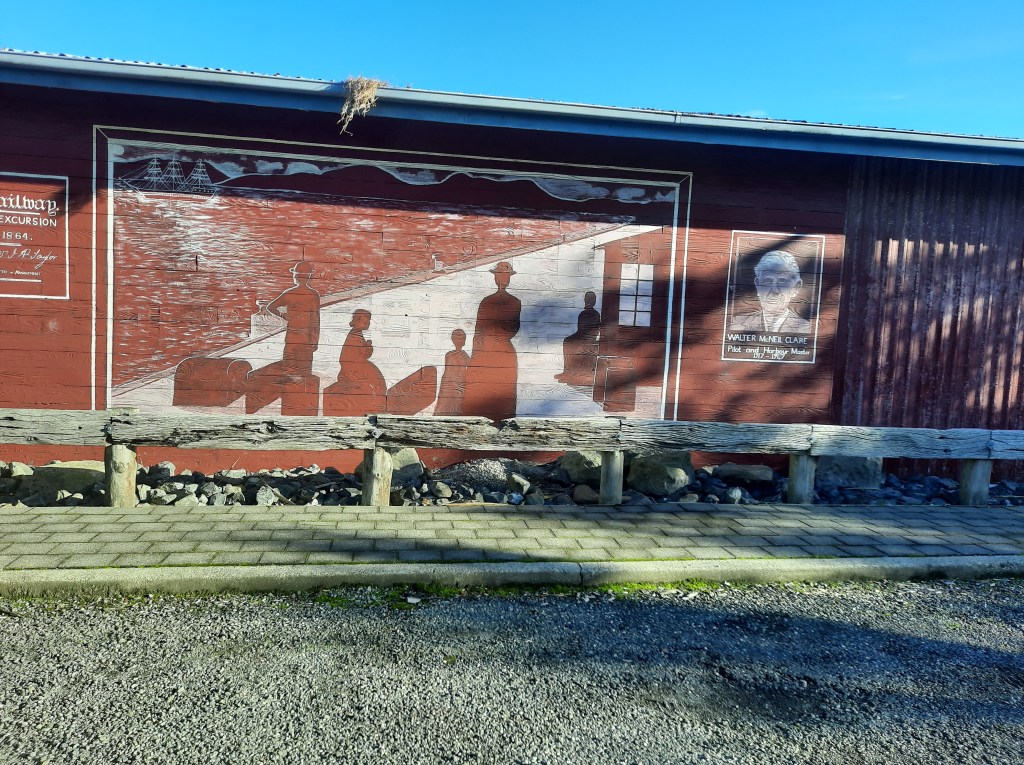
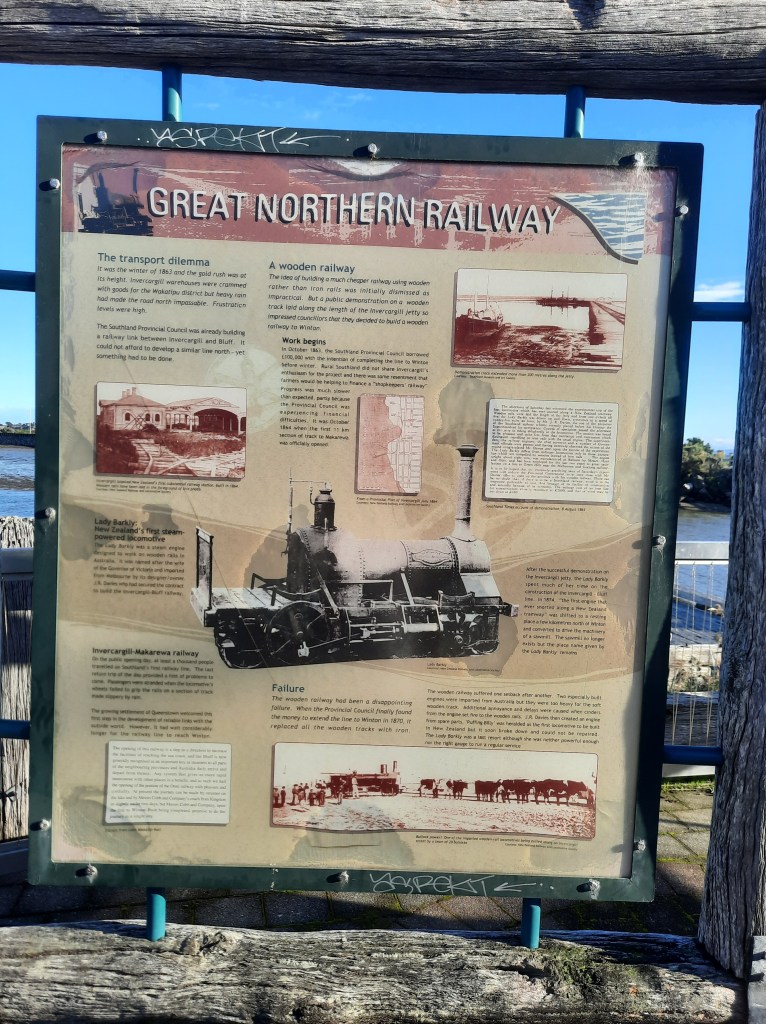
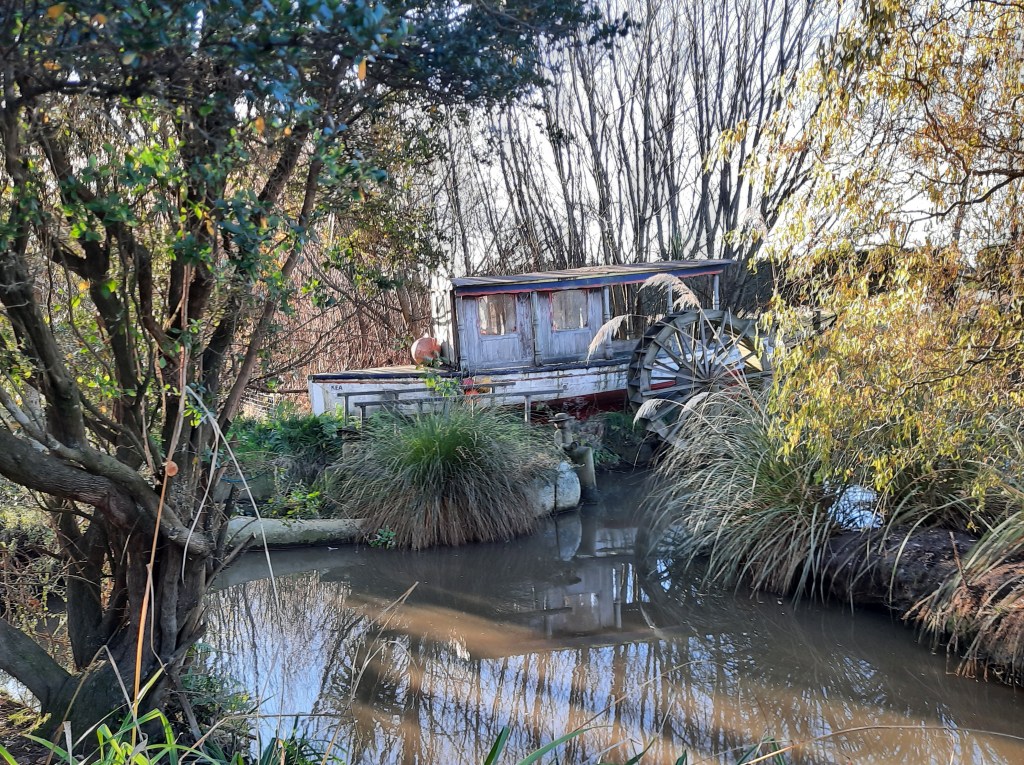
The NZMCA Park at Invercargill is a little unique in that it has a definite maritime theme. The signing in kiosk is the cabin of an old steel boat, there is garden art made of sea faring flotsam and jetsom, and lots and lots of oyster shells lining the driveways. The park is next to the riverside park, so a good place to walk the dogs. A part of the park is dedicated to remembering the early rail pioneers as that is how Invercargill was founded.

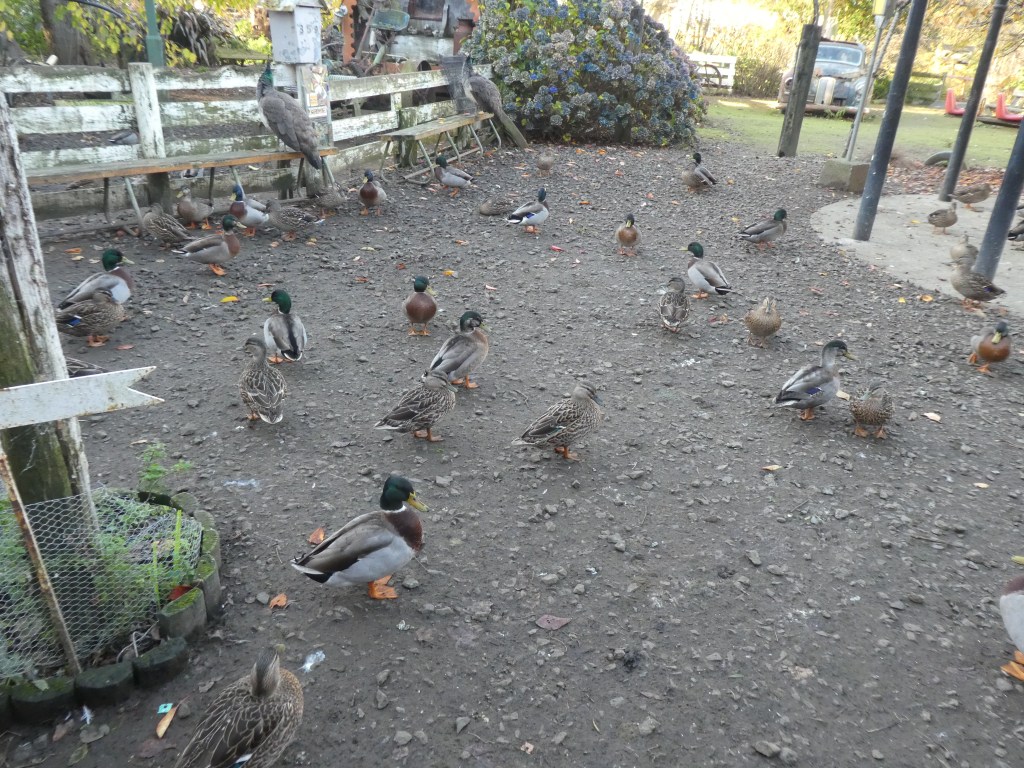
We did not know what we were in for with our visit to Demolition World. It is an active demolition yard where you can buy all sorts of used building materials. We thought it had a nice garden with maybe garden art made of recycled stuff? Well, that was a bit off the mark! We were met by one of the owners, and led through a yard full of ducks and geese (with a few peacocks and chickens added to the mix), and then sent off down a cobbled and overgrown path.

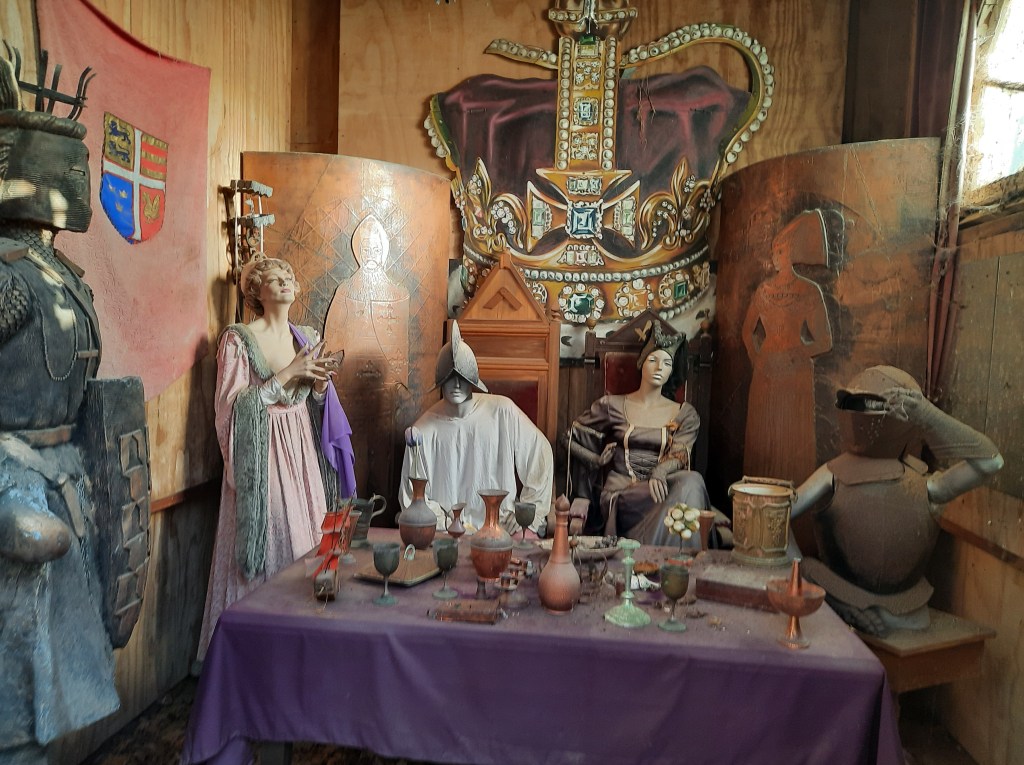
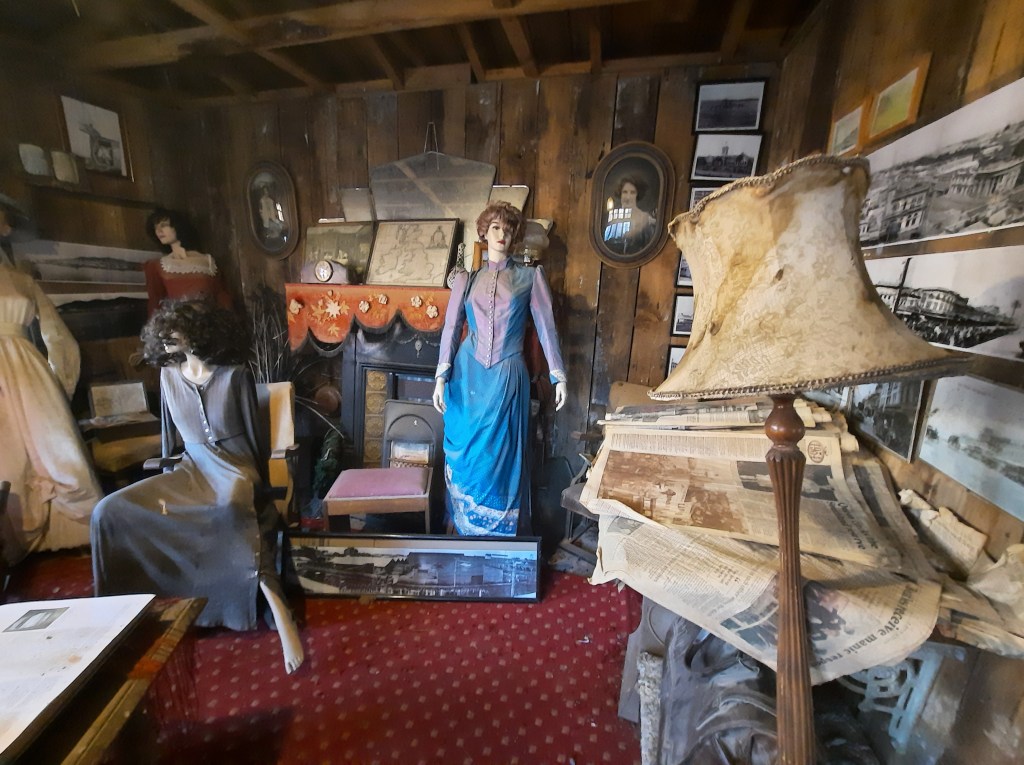
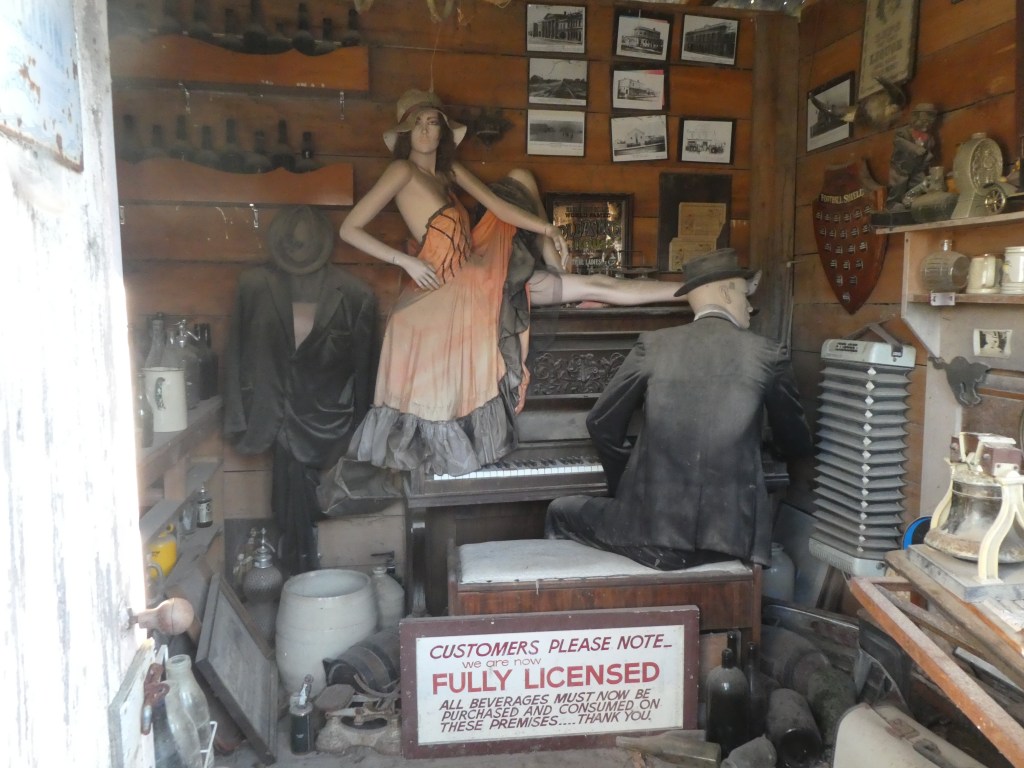
What greeted us next was a series of cabins, all with a theme of some sort.

They were stuffed with manequins dressed for the part and artefacts also pertaining to the theme. There would have been maybe 20-25 cabins.

Medieval feast
Drawing room
School marm
Saloon
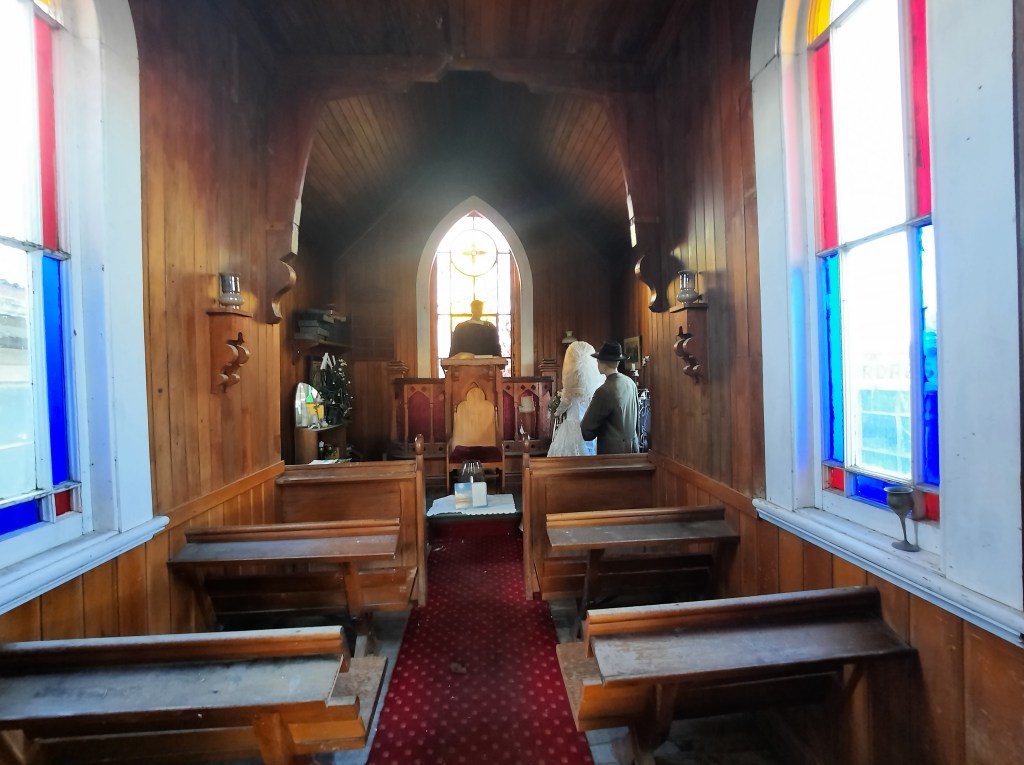
Church

The Church had been rescued from Tarras after it had been badly damaged by fire. The remains were put together in a different way to become part of Demolition World.

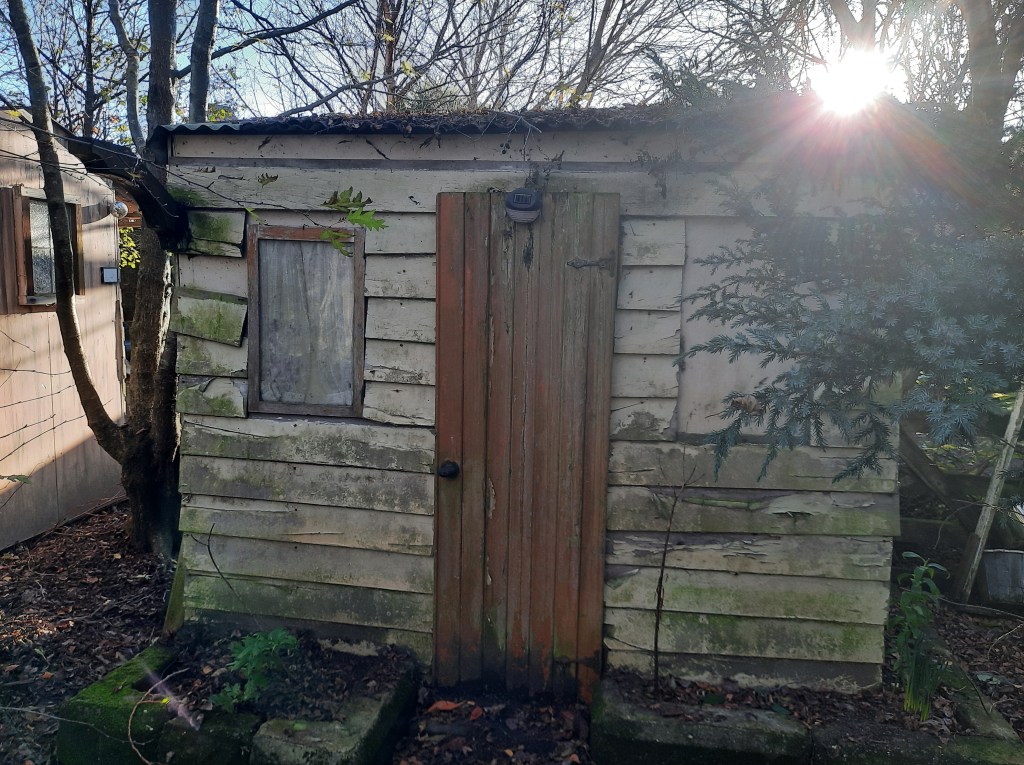
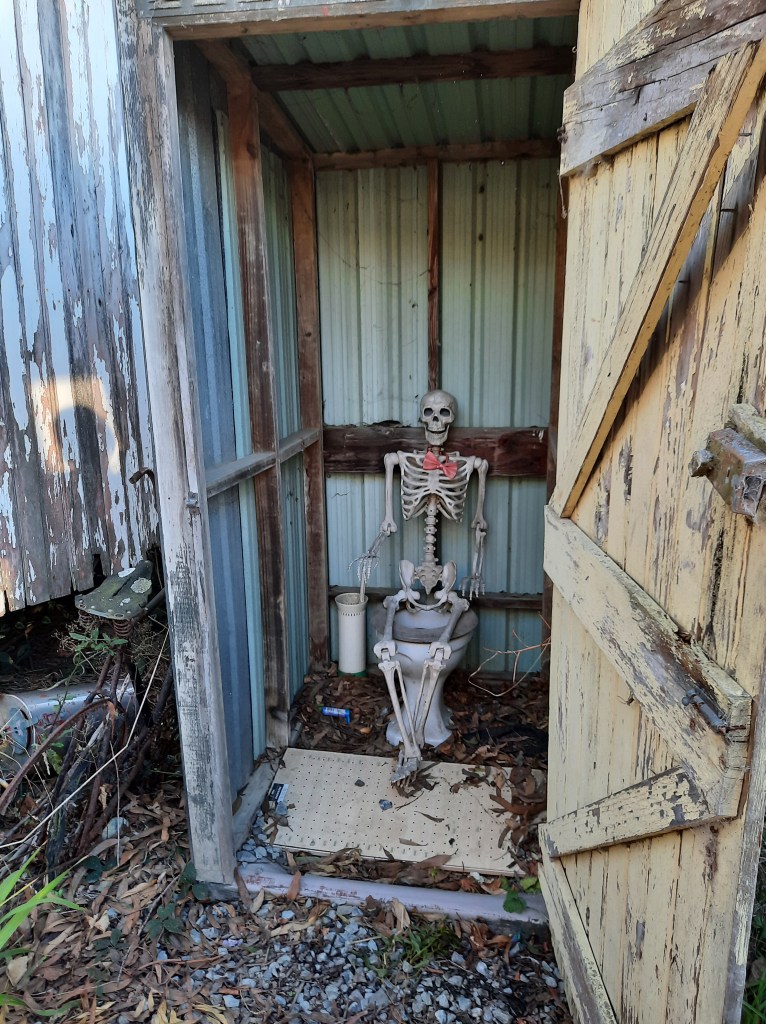
Out house

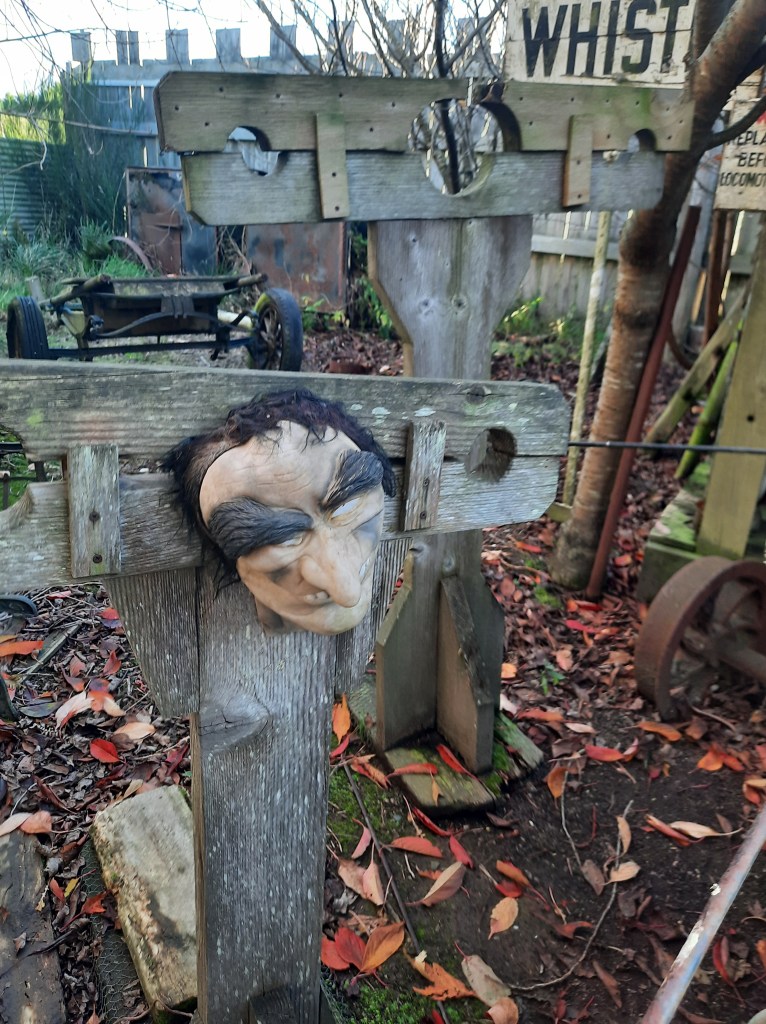
It took us a long time to go through all the exhibits. Some were packed with heaps of antiques, such as the toy cabin, but others were just quirky, such as the outhouse. Every where there were little quirks where you least expected them –

The path finally took us back to the poultry yard but that was also quirky in that it had a big playground and further on, a pond area.

Apparently this had been built up over a period of 26 years by the owners. Some of it is looking worse for wear, and the multitude of windblown leaves in the doorways of the cabins probably didn’t help, but we had a wonderful time nevertheless. The only down point was that I misjudged where the edge of a boardwalk was in the process of my taking photos, resulting in me re-damaging my hamstring – ouch!!! I think I will have to book in to physio somewhere.

Gemstone Beach and Monkey Island

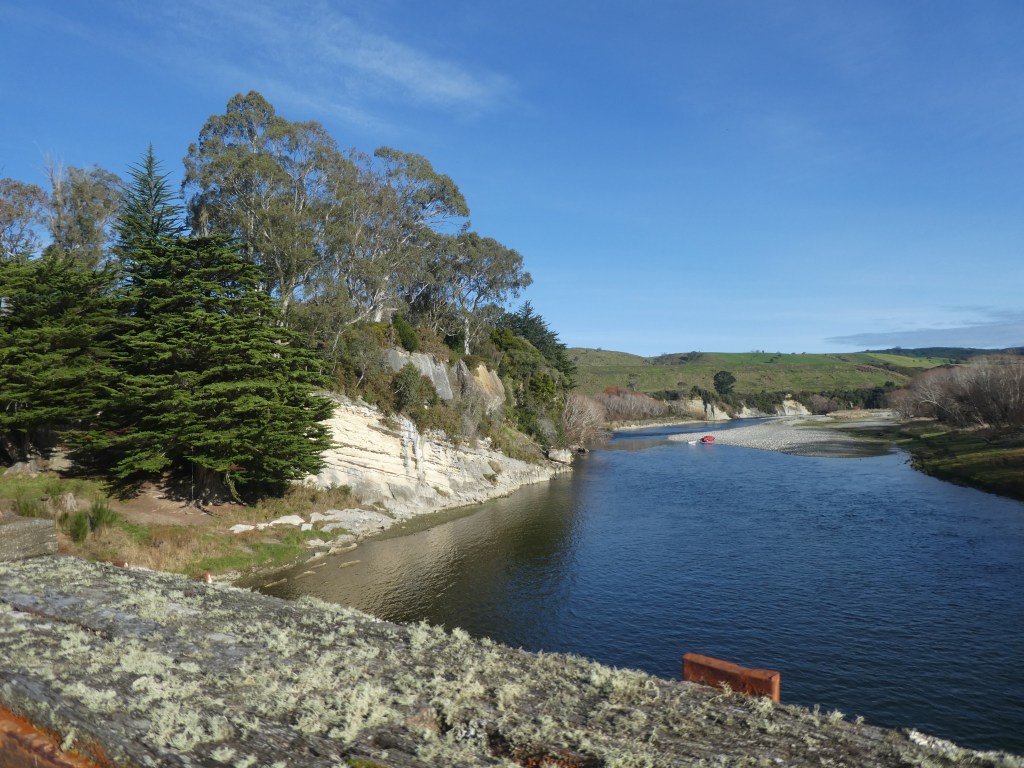
After leaving Manapouri we headed further south towards the coast, intending to spend a night at Monkey Bay. This was a distance of 102 kilometers, and in all that time we must have shared the road with 3, maybe 4, other vehicles. One of those was a red van, converted into a bit of a camper that stopped at the Clifden Suspension bridge at the same time we did. It was driven by a delightful lady who had a four month old puppy that Beau was pretty keen to have a game with.

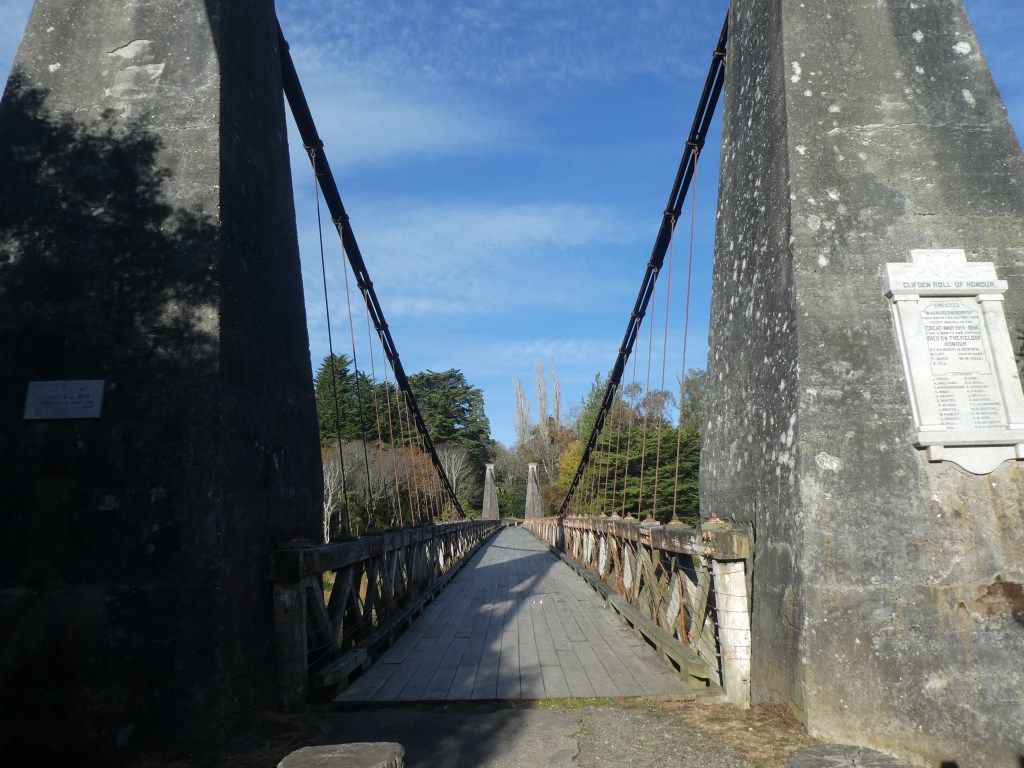
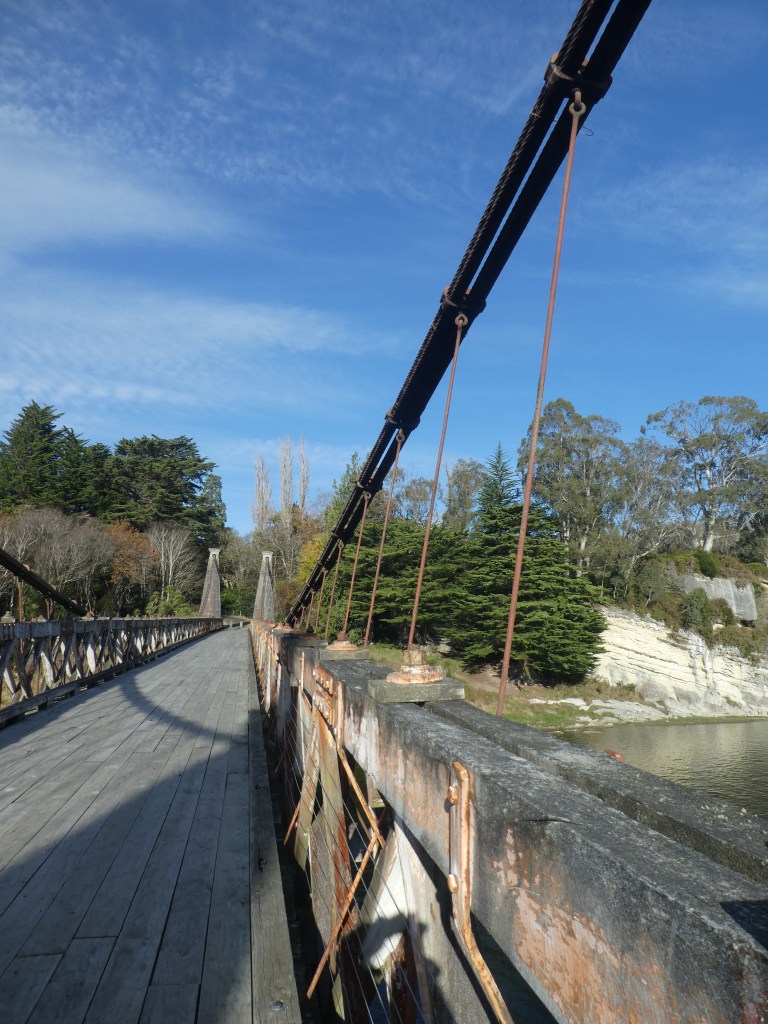
The Cliften Suspension Bridge was built in1898 at a grand cost of 5007 pounds sterling, as a reliable way of crossing the fast flowing Waiau River. It was converted to a walking bridge in 1978 when a new concrete, 2 lane bridge was built just down the road a bit.

The bridge still seems remarkably sturdy considering it is 133 years old!

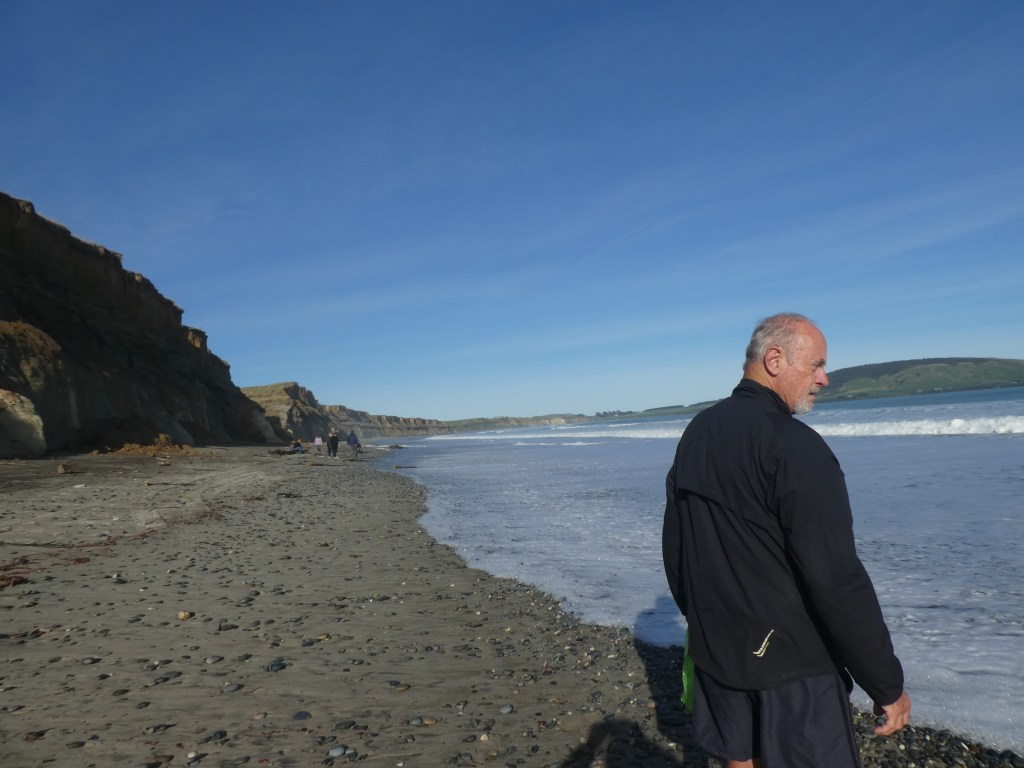
Next stop was Gemstone Bay, just outside of Orepuki. We decided to leave the dogs in the van for this excursion as I did not want to risk them pulling me off balance and re-injuring my hip, which still has not recovered fully.

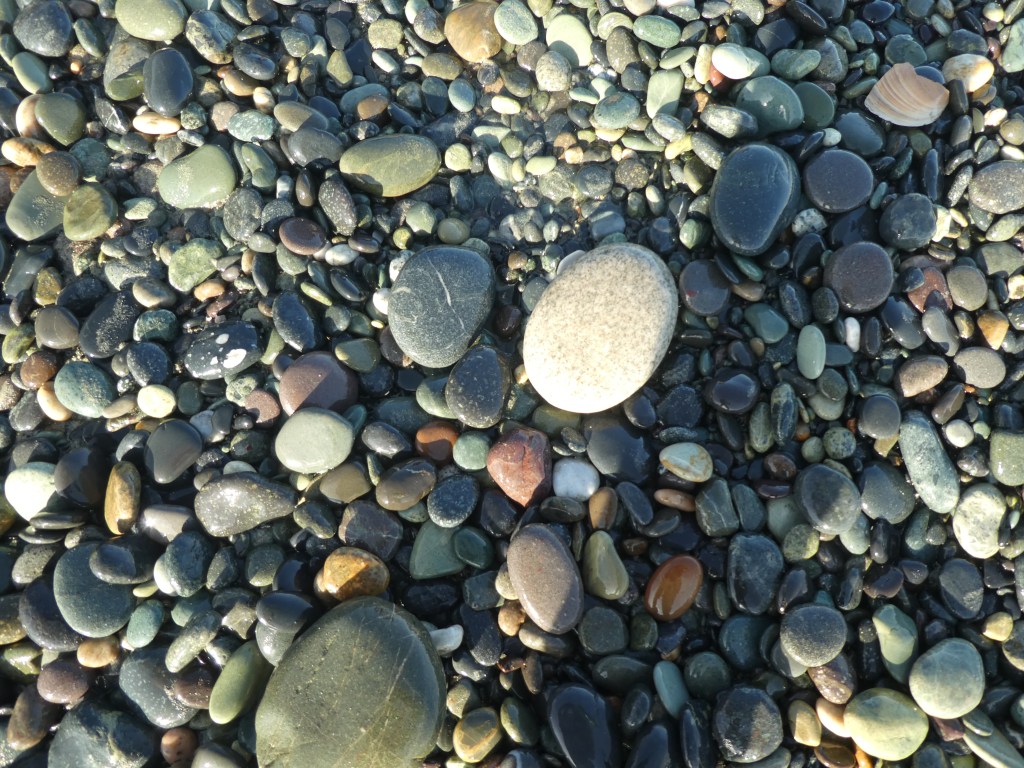
Grandson Theo would love this place. There were rocks of every shape and colour, and the beach has been known to yield garnets and jasper. It is best to go at low tide, but unfortunately we were there at high tide and as a result had to spend a bit of time dodging incoming waves.

Despite the fact that I did not manage to find any garnets (I was very disappointed with this) the beach lived up to it’s name. There were some good finds and Bruce had to find some more room in the boot for our growing collection of rocks.

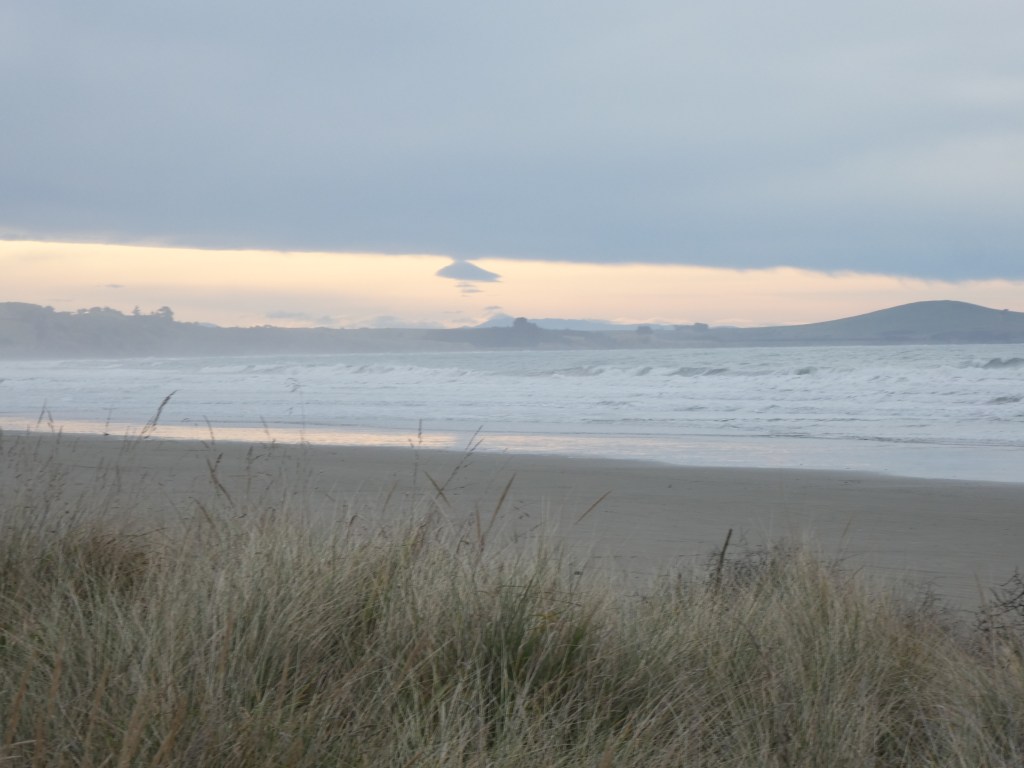
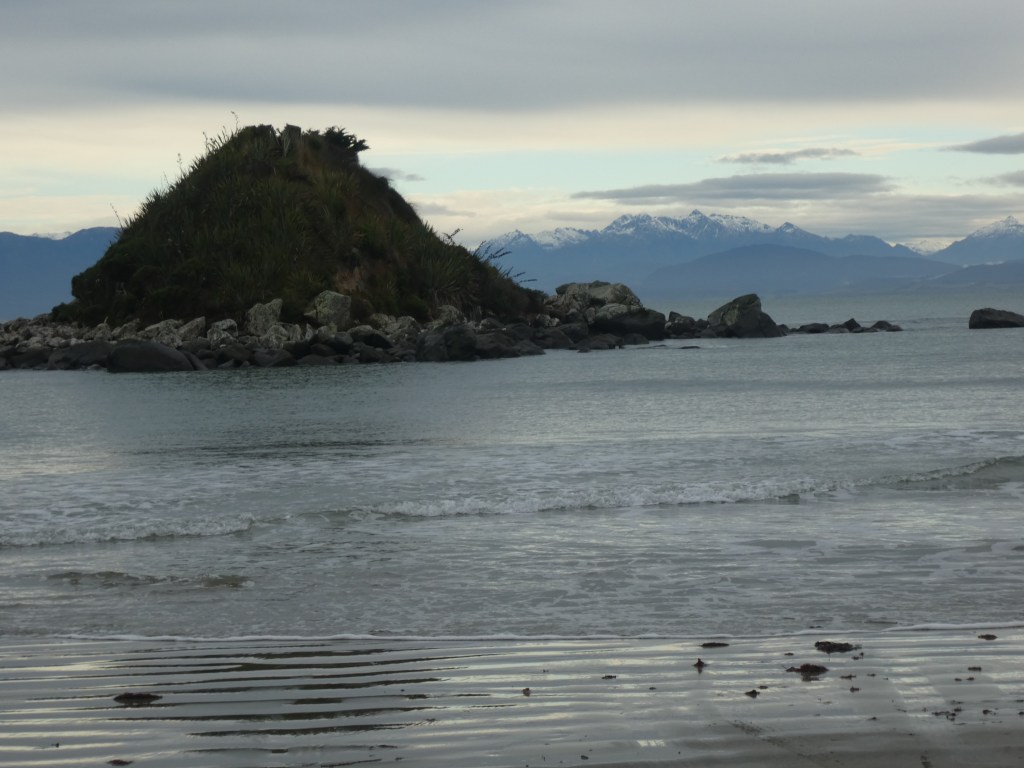
Last stop for the day was Monkey Island. It is a bit of a stretch to call it an Island really as it is a bit of a hill that is accessible from the beach at low tide. Apparently it got its name because Monkey winches were used to hoist boats out of the sea onto the island. There are no traces of the winches now, but some wooden stairs have been built to the top of the knob as a lookout. The mountains in the distance are part of Fiordland.

We took the boys for a walk on the beach before low tide and they enjoyed having a run and a play around. We took them up to the rocks at the base of Monkey Island and Beau had a go at walking on water, only to find he couldn’t and had to swim for it. Hunter, in the meantime went rock hopping and when it came time to come back he was reluctant as the waves had cut the rock off, and he might have had to get wet! Of course, whatever Hunter does, Beau has to do as well.

In the end Bruce and I had to pretend to walk off and leave them behind to get them to risk the knee deep water (their knee depth that is) to come with us.

The last time we were at Monkey Island the weather was pretty foul, and we had to tuck the motorhome up behind the sandbanks at the back of the beach to avoid being blown over in the wind. It was not the case this time, and we had a very pleasant stay.

Manapouri and Te Anau

The NZMCA had opened a new park in Manapouri that we were keen to try out and we also hoped that we might come across some friendly travellers who may be prepared to look after the dogs for a day while we did a Doubtful Sounds trip. Unfortunately, that was not to be as the first night we were the only ones in the park.

Bruce took the opportunity to have another fiddle with the satellite dish, using tried and tested Health and safety work platforms.

While he was up there I was the “go get” person on the ground, but it was to no avail. After a full afternoon wasted on it we still could not get the dish to go up.

The surroundings of the camp are lovely with mountain views again, but the camp was a little way out of town (such that town is). We took a drive down to the wharf though in case there were any shorter tours that we could do (and therefore not require a dog sitter) , but that was not to be either.

We did stop for lunch in the converted church in Manapouri though, and that was to be recommended. We thought it funny that the sign with the opening hours at the door said 4pm to 8pm, and yet at lunchtime they were very definitely open!

After lunch we took a tiki tour into Te Anau. There was definitely more to see here and a lovely walk along the edge of the lake.

We spent a bit of time trying to find the vets so we could get a remedy to prevent Beau from continuously licking Hunters rump. When we did find them they had nothing to offer except to get him operated on. This was very tempting, but we had, that morning, received a call from the owners of a potential girlfriend for Beau back in Whitianga. However, in the end, the problem was solved by a bit of Tiger Balm applied to Hunter’s fur. Beau wasn’t at all keen on it, and it did not seem to trouble Hunter. All ready for the next adolescent dog behaviour!

A few doors down from the park was an alpaca farm so Bruce and I took a stroll to check them out. They were pretty tame, curious, and all had name tags on so we were able to talk to them by name. Gorgeous creatures.

Lady Zorro

Cromwell and the Bannockburn Sluicings walk

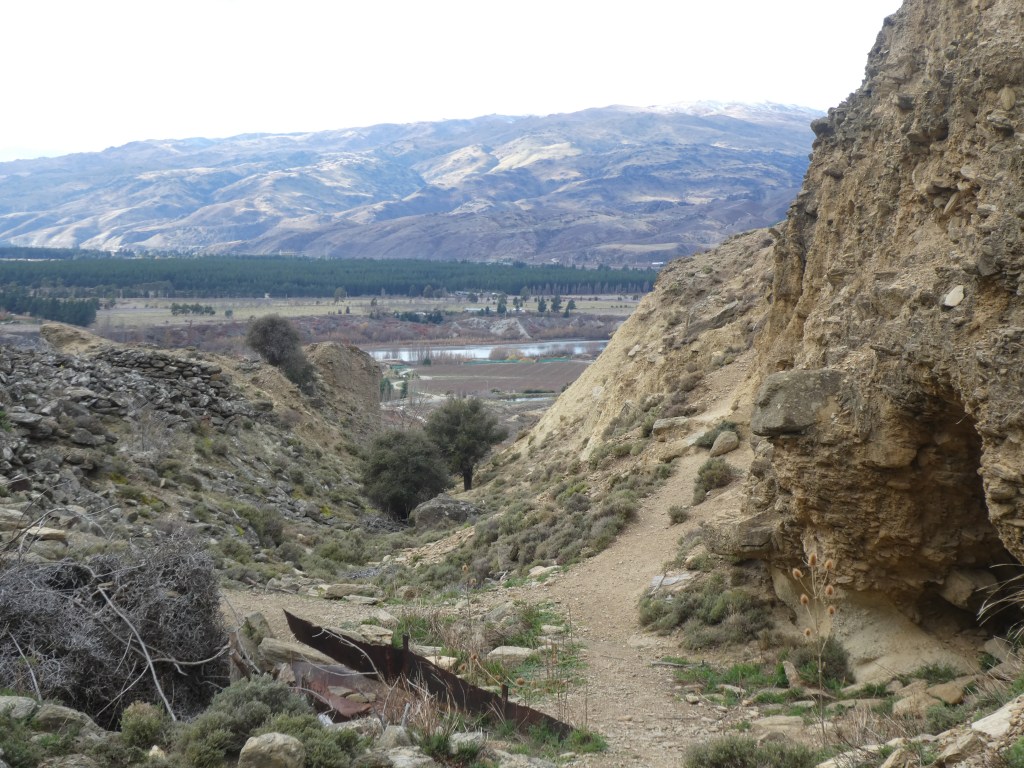
After leaving Glendhu and getting a few supplies in, we headed further south to Cromwell. We had been here before in sunnier times, and really enjoyed the bike riding and exploring the heritage area. This time we decided to do the Bannockburn Sluicings walk.

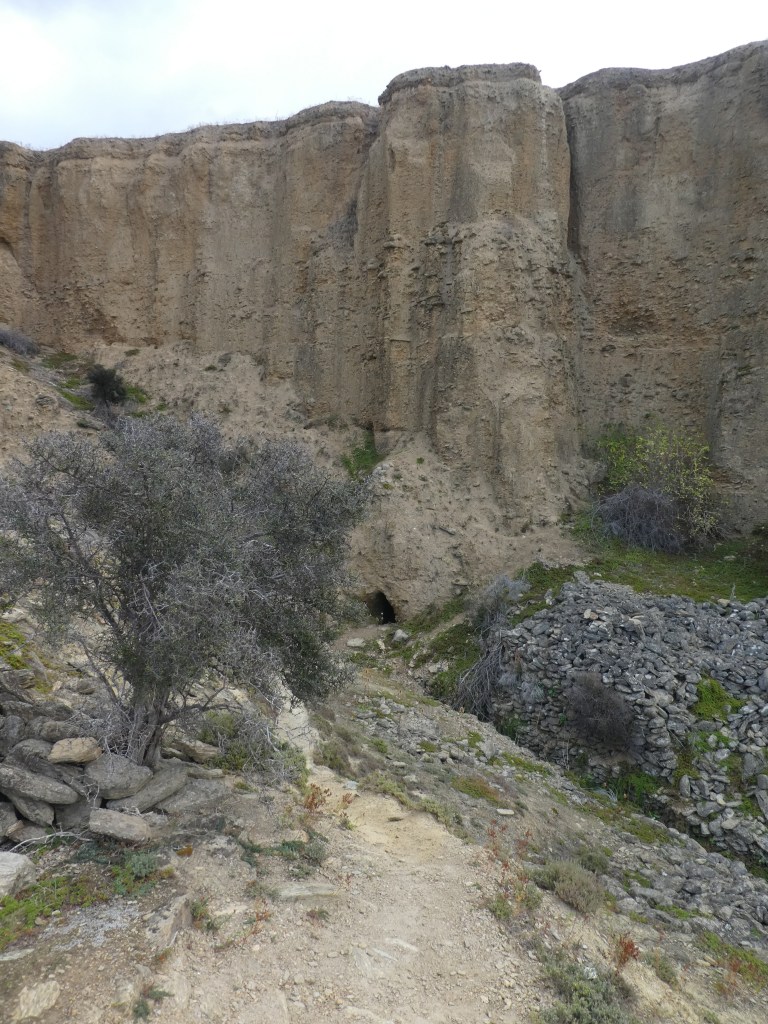
Bannockburn was the scene for gold mining in the early 1860’s, and is also famous now because Jane Campion filmed her latest movie “the Power of the Dog” here. The early miners found gold in between the layers of rubble that formed the hills. They sprayed the hillside with water cannons to loosen the rubble so they could sieve for the gold in the muddy sediment. What they left behind was piles of rocks, and steep towering precipices of hillside that had survived the water cannons.

The landscape leading up to the sluicings
The layers are visible.

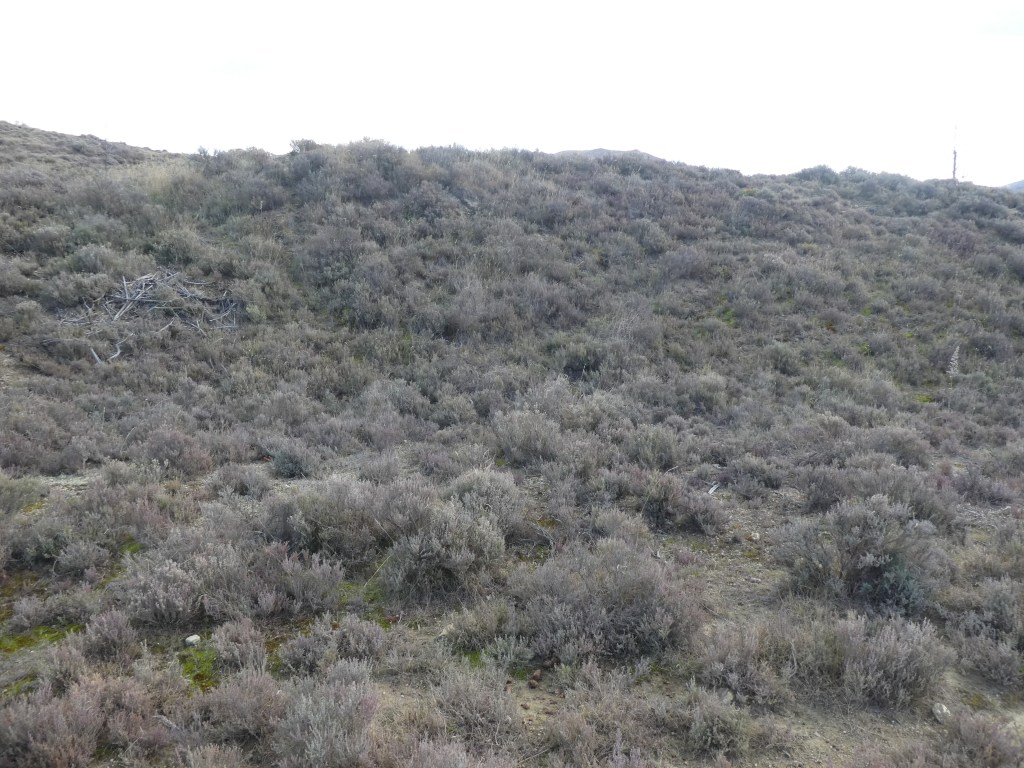
The terrain was bleak and forbidding and dusty. Not much water was to be had in the area, so they built dams (now just ruins) to preserve it. I was really surprised to find that the only greenery growing in the area was actually the herb Thyme – acres of it and so fragrant when you walked on it. There were a few scraggly manuka bushes, but most of the original forest plants had been burnt for fuel.

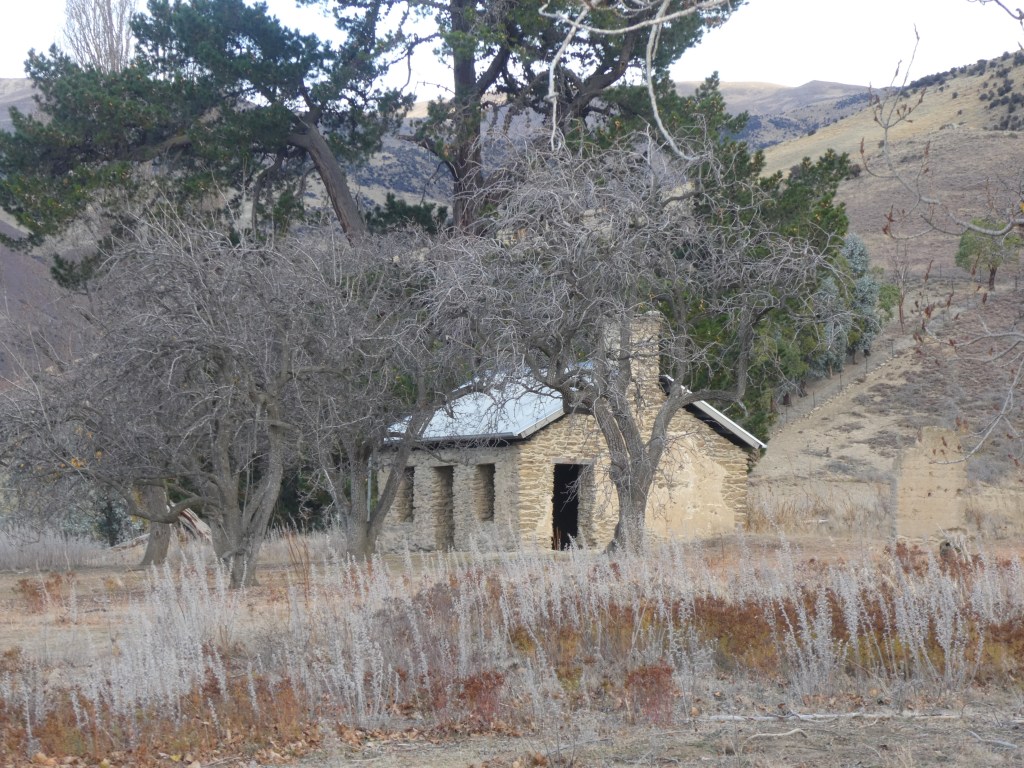
They made a small town up in the hills called Stewart Town. The remains of a few of the stone cottages are still there, as well as the old fruit trees that had planted. ( the tin roof was put on to try and preserve the ruins).It was a fine day when we started out but by the time we got to the top at Stewart Town the wind was up and it was very cold. I have great admiration for the families who tried to survive here.

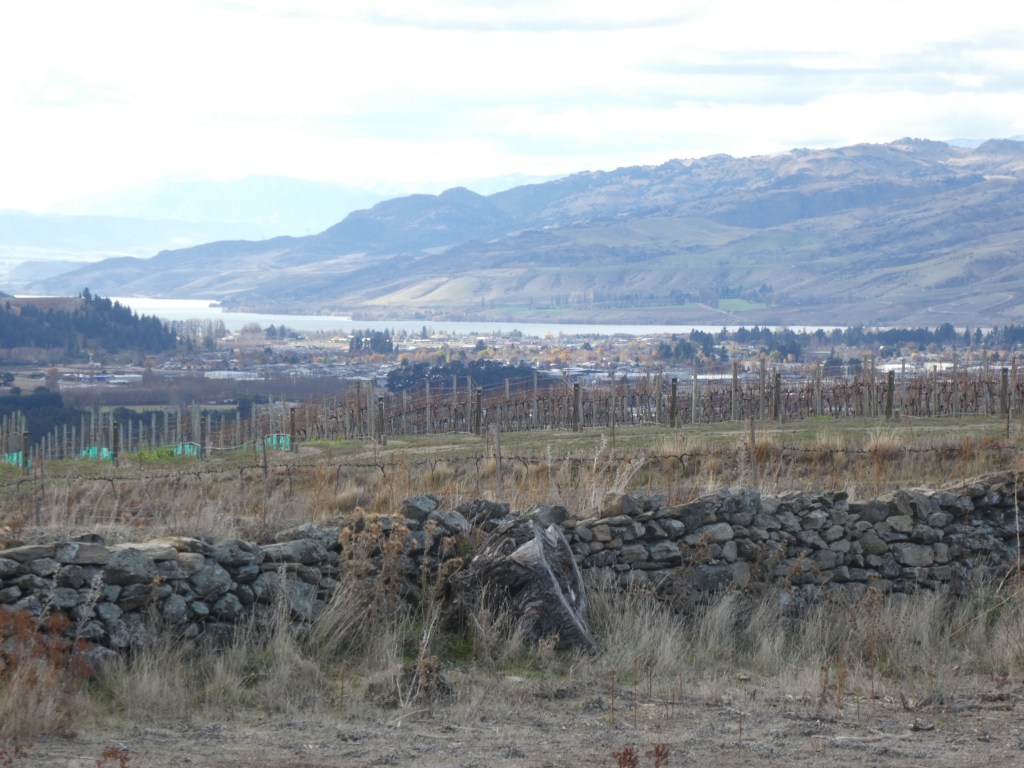
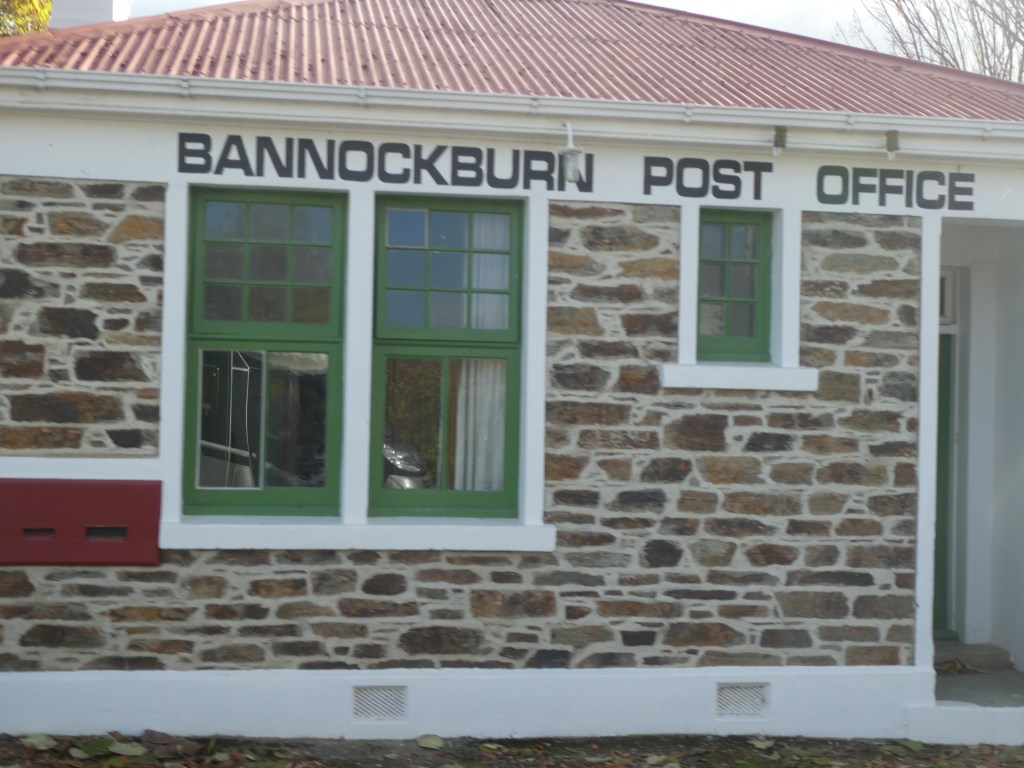
Overall, it was a great walk, with narrow ledges to traverse, but stunning views and a great history lesson. The dogs were happy to get back to the van and have a snooze, and we headed to the Bannockburn township to have lunch. Not much remains of the original buildings of the time but a couple have been preserved.

We had lunch down by the river which was much prettier……

…and then proceeded to the Historic Precinct for a quick look. The wind was freezing, and most of the shops were shut, so a quick look was all it was before we headed back to camp.

The buildings above were saved from the original township when it was flooded to form Lake Dunstan (for a hydro-electric scheme), and set up here out of harms way. A reminder of what the town of Cromwell used to be like. Now it is a sprawling metropolis with lots of building happening and new roading systems to support it.

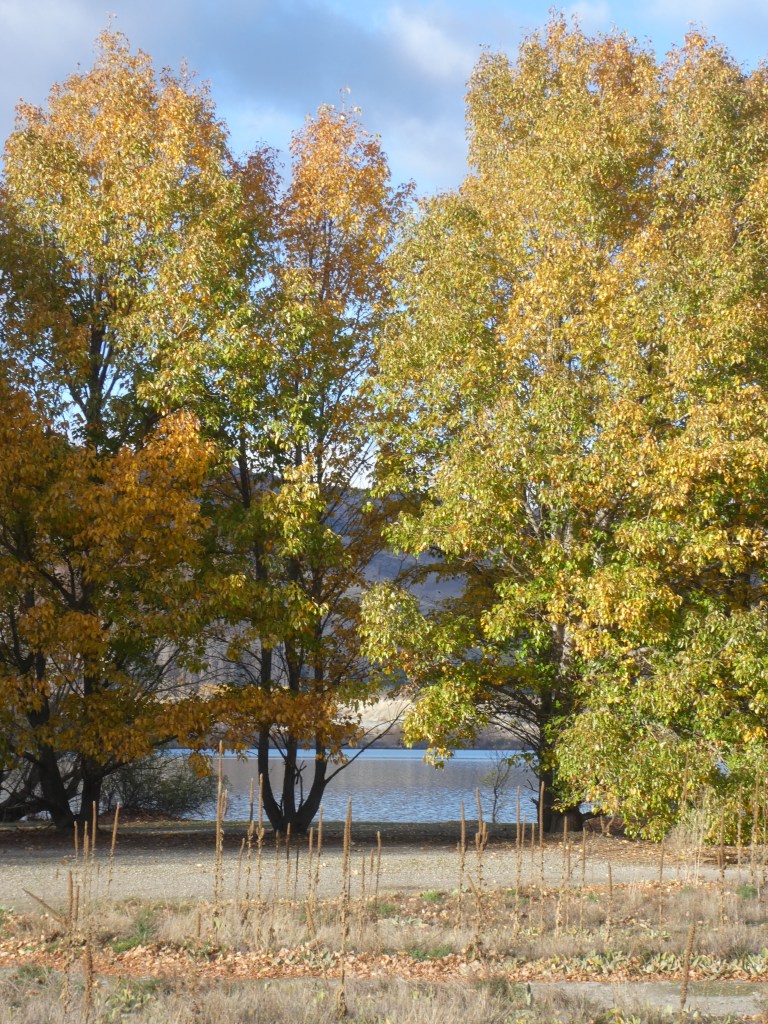
The NZMCA camp is situated on the side of Lake Dunstan, and in itself is really lovely. It is a good place to walk the dogs, and the multitude of rabbits that we had seen the last time we were here, (just before the first Covid lockdown) had settled to a more reasonable few.

Sunrise over Lake Dunstan was pretty.

Glendhu

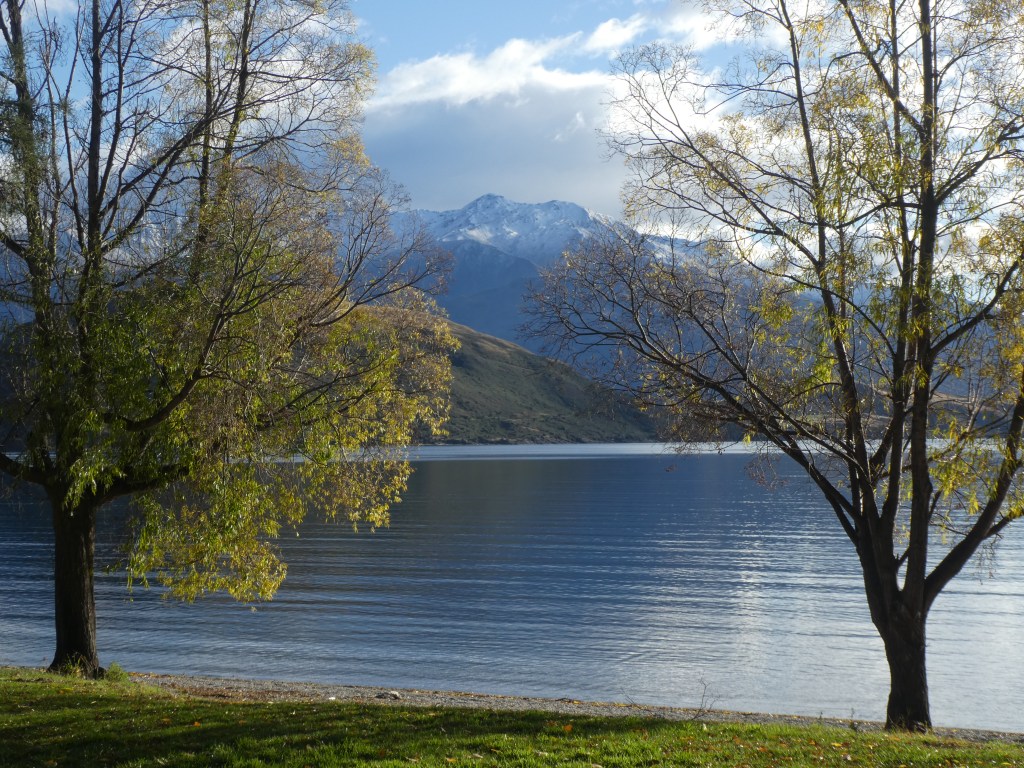
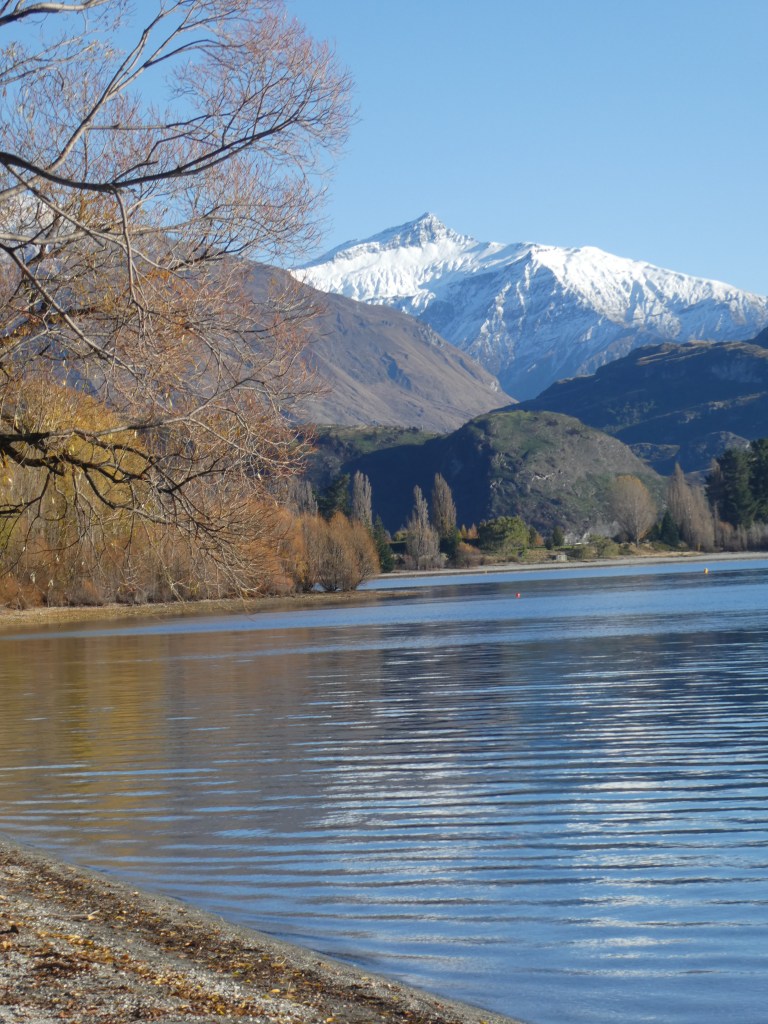
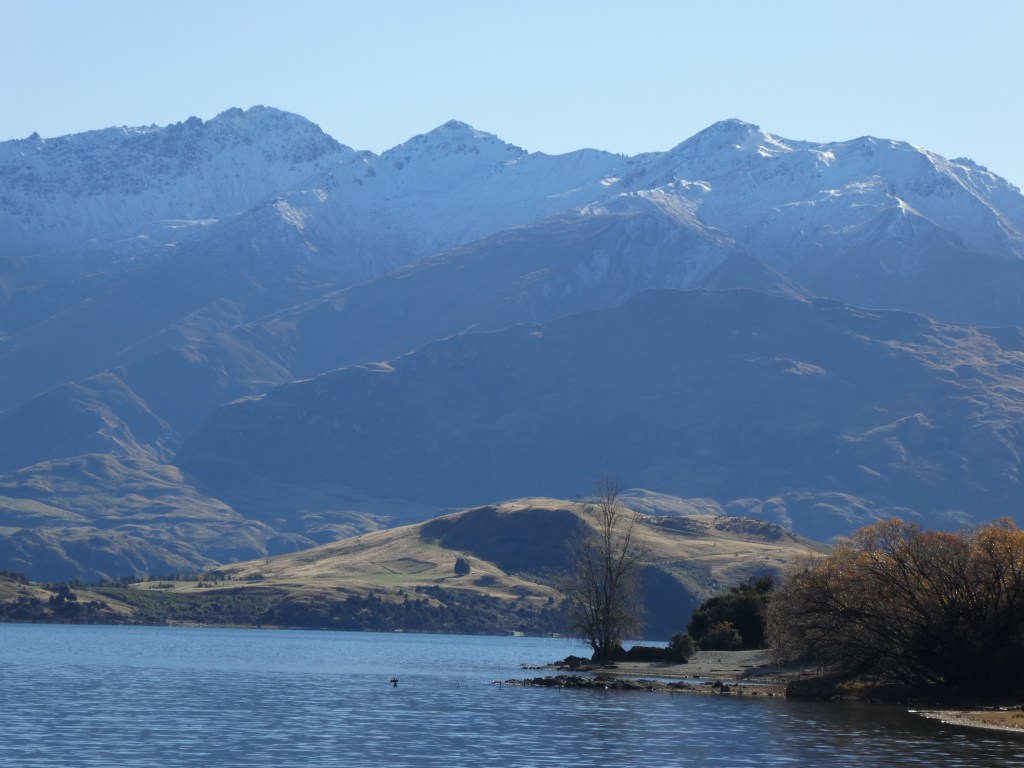
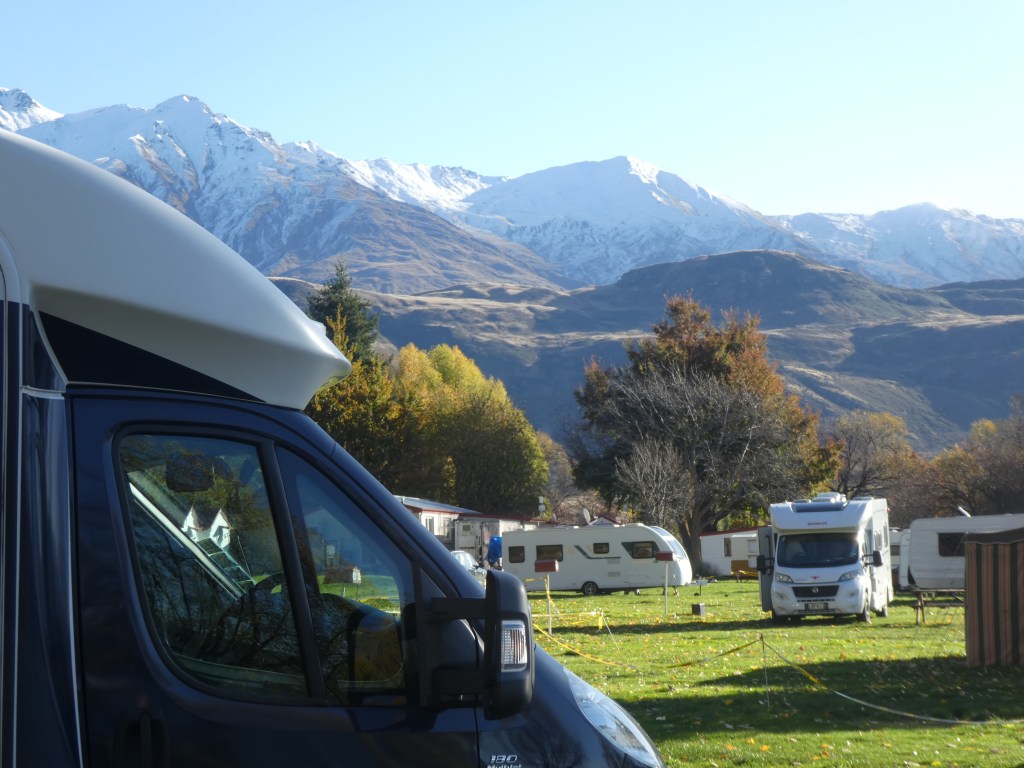
Glendhu is only a few kilometers away from Wanaka. We had an existing booking here from the days when Warbirds over Wanaka was to be happening and our motorhoming friends all booked here as a group. We delayed our booking until now, and to be honest, we expected the camp to be pleasant (and it was), by the lakefront (and it was), but we did not expect to be greeted with the mountain scenery that filled our windscreen as we got close to it.

We found out that Glendhu is just down the road from the Treble Cone ski field. The snow levels were clearly not sufficient for skiing at present but the road was busy with truck loads of metal disappearing towards the ski fields – probably getting the road ready for the winter season. The camp is huge, and there were not many campers so we had plenty of space and the dogs had lots of walking without disturbing anyone.

The weather was clear and cold at night, but followed by beautiful still days, so we elected to stay here for 3 nights and I got my paints out. Bruce managed to get the satelite dish to raise it’s head, so we actually had TV for a couple of nights also.

At the end of the camp is the cycle trail / walk that goes back to Wanaka. We took the dogs for the part that went to Damper bay – a lovely walk with plenty of interesting smells for the boys, as well as glimpses of rabbits and sheep. Bruce and I were continually wowed by the beauty of the surroundings.

We were truly sorry to leave such a beautiful place, but really glad for the few days we had here.

Tarras and Wanaka

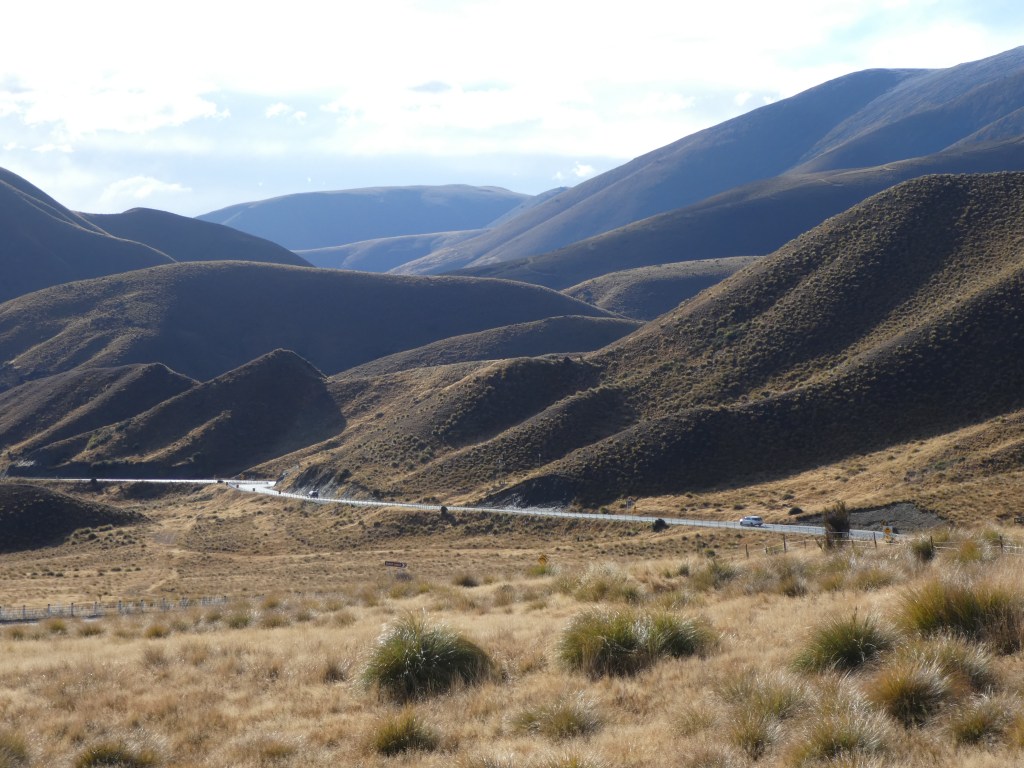
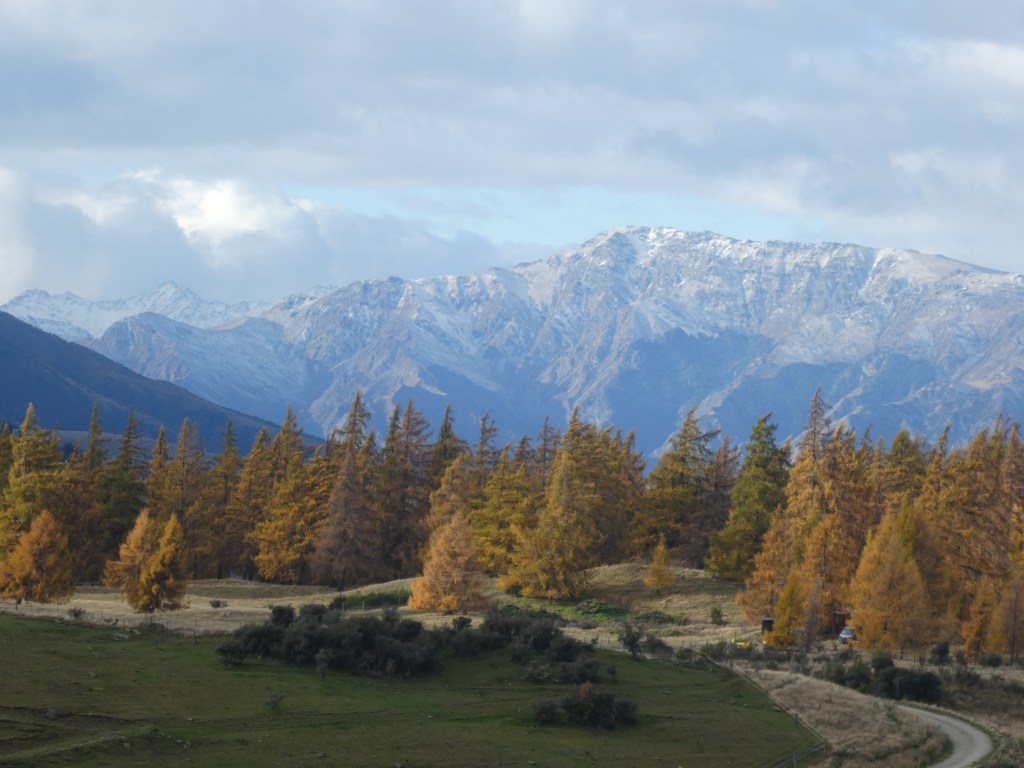
We cautiously left the Ohau Canal and hoped for the best as we approached the Lindis Pass. The weather magically fined up for this part of the journey and we enjoyed the scenery through the Pass. We stopped at the viewpoint at the top and realised there was a walkway to another viewpoint about 200m on. We went to explore, and the ,views were magnificent, as you would expect. The landscape definitely had that alpine feel to it.

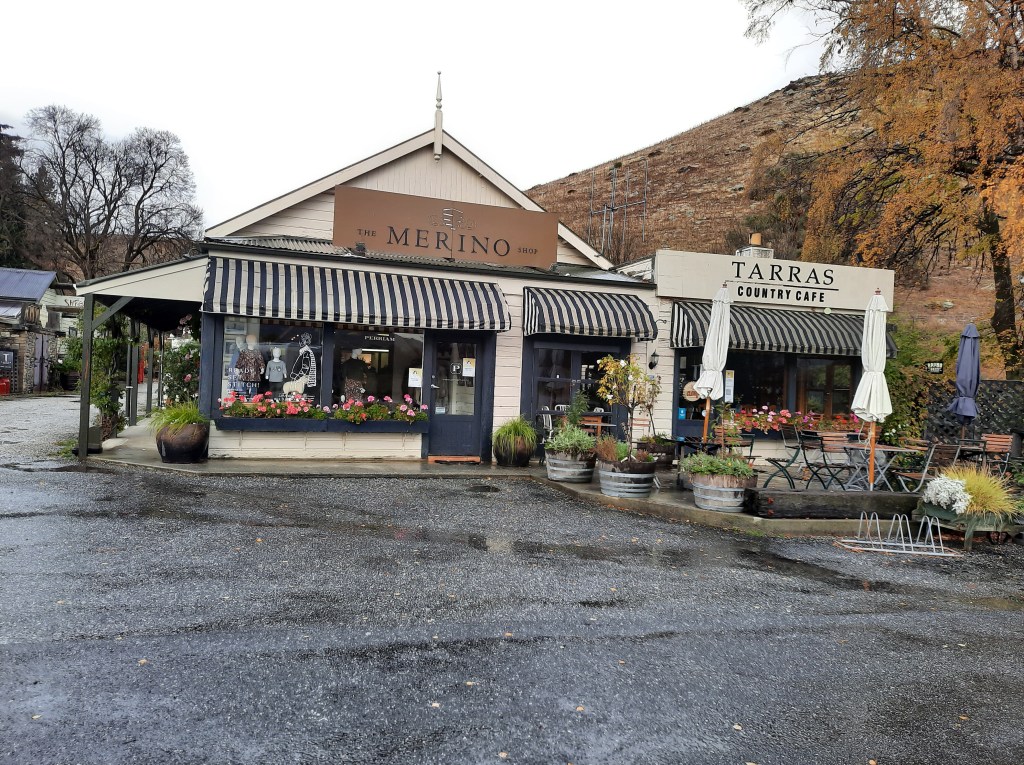
At the Wanaka end of the pass is a little town called Tarras, which is a historic settlement founded in high country sheep farming, and some gold mining. It regards itself as the New Zealand centre for Merino wool, and was also the home of the legendary Shrek – the sheep that avoided being shorn for 6 years, by hiding in caves. When they did catch up with him they got a fleece weighing 27kg off him – a normal fleece weighs about 6kg.

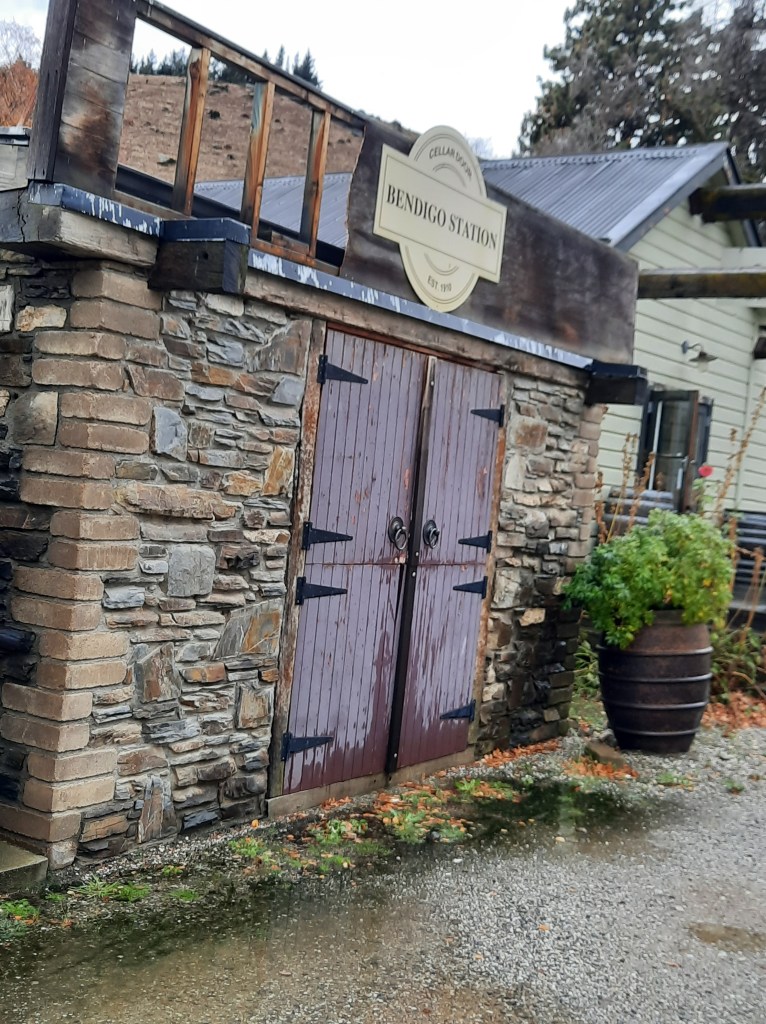
The township is charmingly preserved.

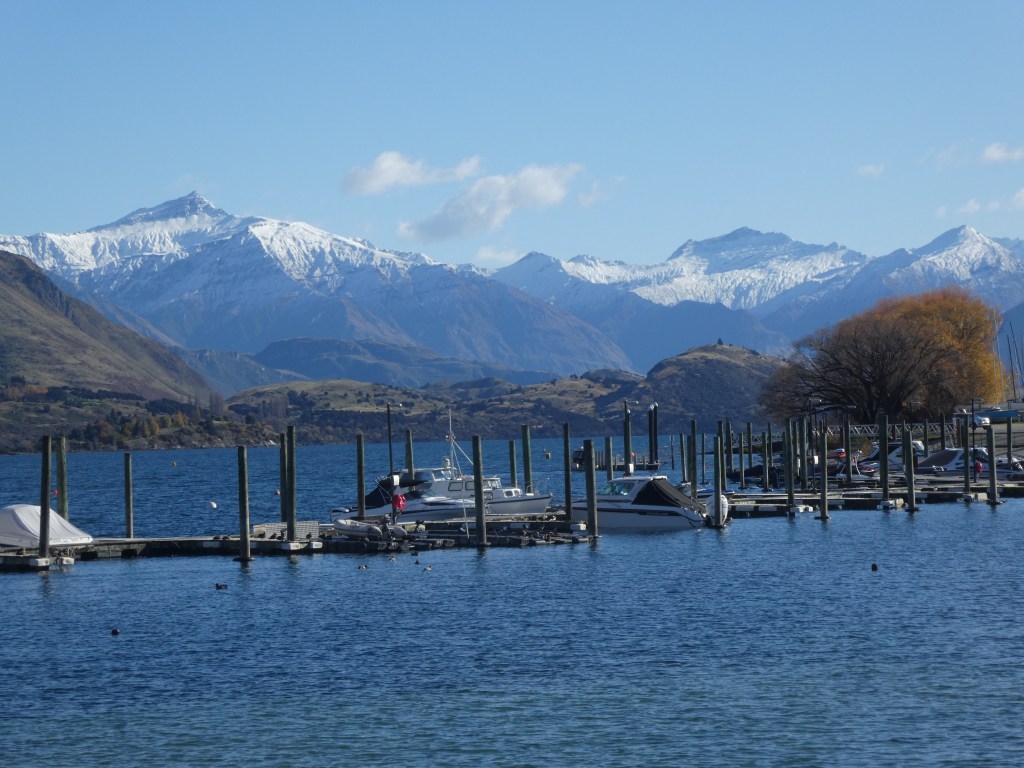
The cafe was closed so we continued on towards Wanaka, and the rain had started again by this stage. We elected to stay at the Mt Aspiring Holiday Park, and were very pleased with the place. Great facilities and a good price and nice views over the lake and the mountains behind it.

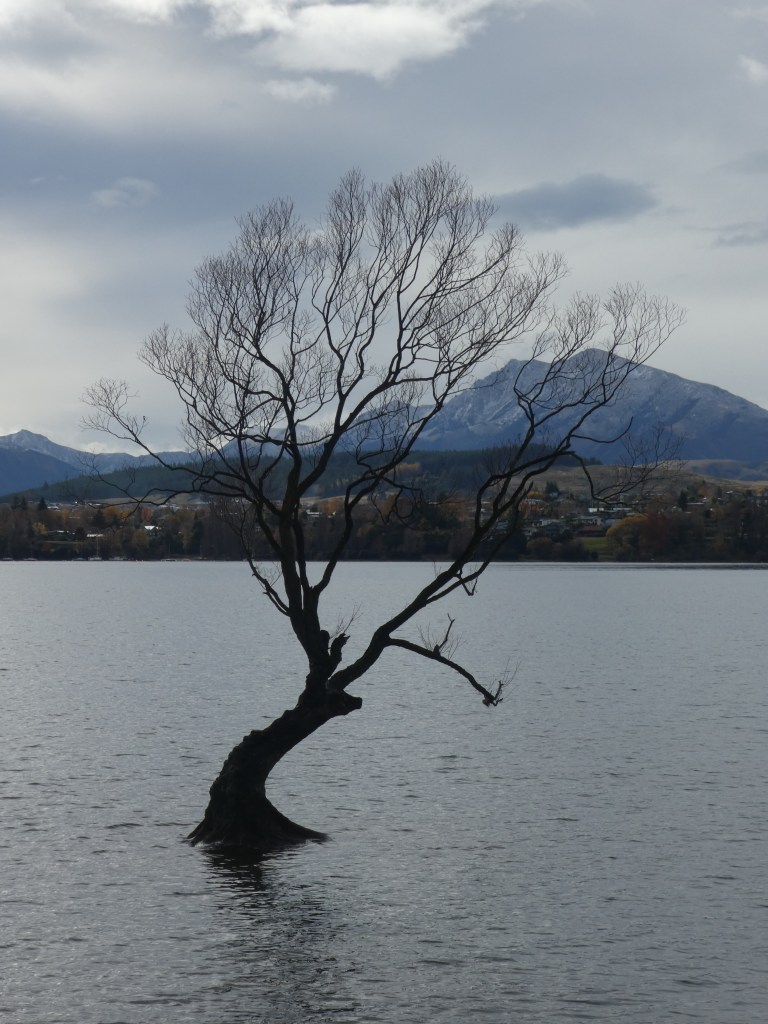
In the morning there was a covering of snow on the hills behind us and a better covering on the mountains behind them, but no snow on the ground around us. The weather was actually 100% better than forecast and the dire weather warnings faded away..

Despite the weather still being a bit showery, we managed to get a walk in with the dogs, and Wanaka certainly has a lot going for it in terms of walks etc. Then there was the obligatory exploration of the shops, but we never did manage to find the gelato shop. We did tiki tour around Wanaka though looking for the new dump station just out of town (finally found it despite the lack of signage); LPG, and finally diesel.

In all, we had 3 days at Wanaka and on the last day managed to have lunch with Ian, a motorhoming friend of ours who is parked up for the winter in Wanaka. From here we decided to head to Glendhu Bay, about 10k outside of Wanaka. We had intended to stay there before going to Warbirds over Wanaka, which was cancelled, so we had put our booking on ice, so to speak. Now was the time to thaw it out.