Blog

Paihia

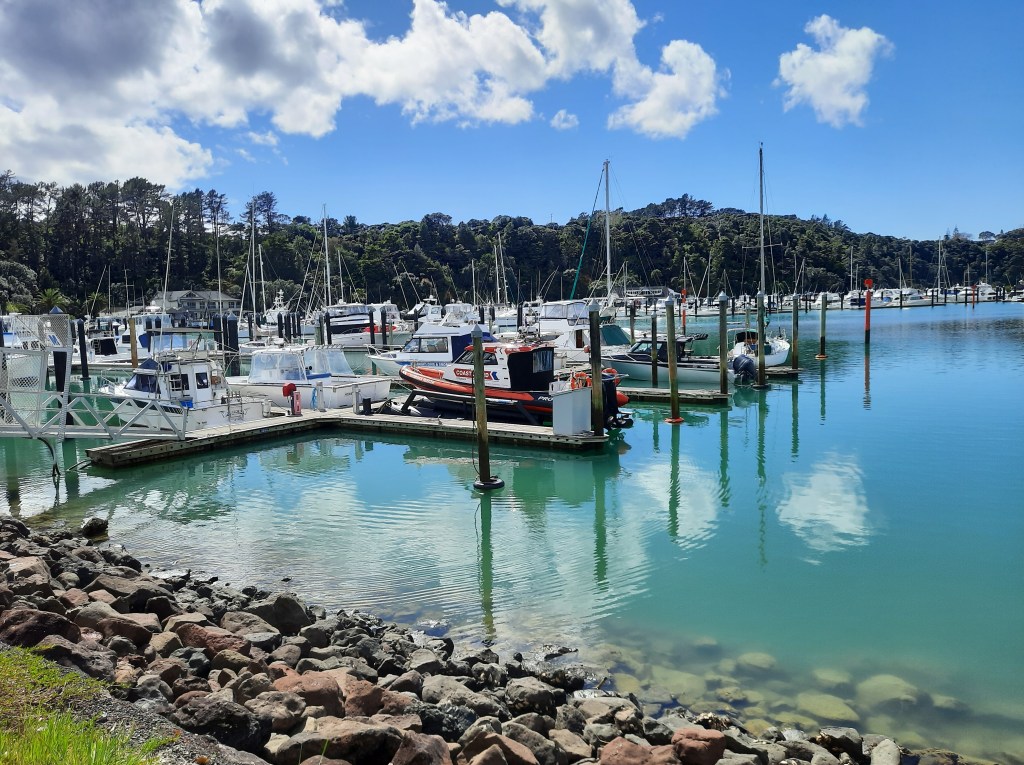
We really enjoyed Russell, but were underwhelmed by the camp, so the next day we headed off to Paihia.

T get there we had to head around the coast some more to take the ferry from Okiato to Opua. We had not done this before and had heard that when you had a motorhome, you could only cross at high tide, otherwise the angles involved would be too acute for the back end of the motorhome. We were glad we had Tina and John as guides – they had done it before.

Just as at Whitianga, the ferry crosses continually, but there are two of them. That meant we did not have long to wait.
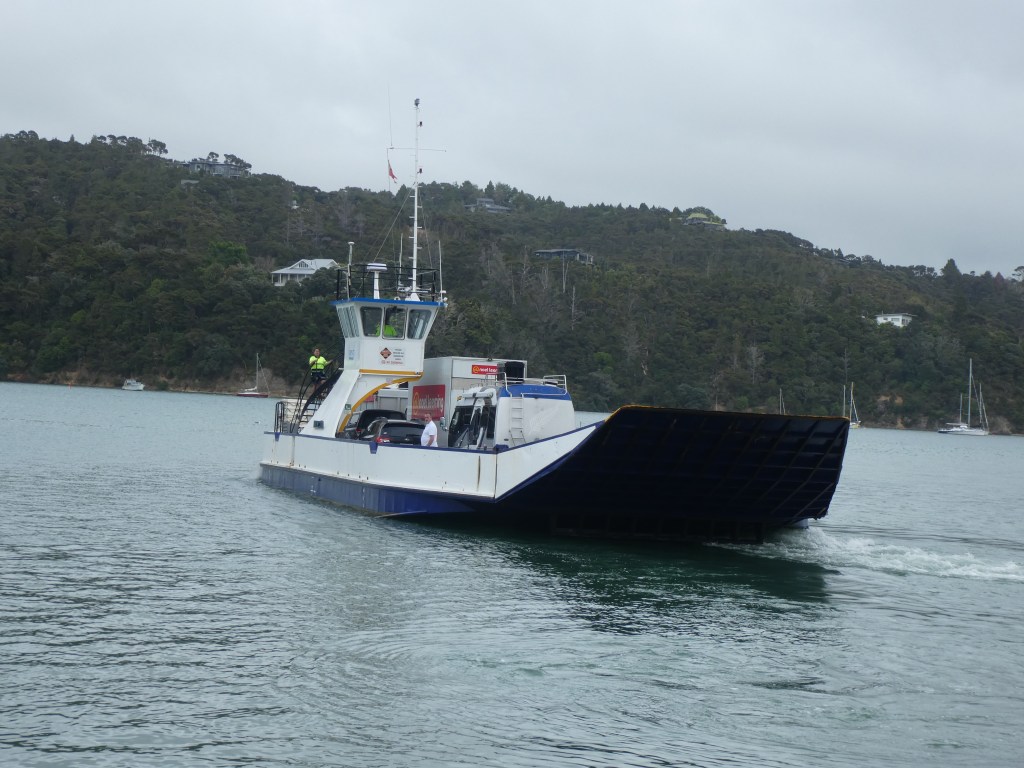
As expected there was a bit of scraping heard from beneath the motorhome as we drove on to the ferry, but not too bad, and we were soon headed off to Opua. I spent some of the trip having cuddles with a miniature schnauzer passenger.

There wasn’t much on offer at Opua so we drove straight through and headed for a Park Over Property in the middle of Paihia, where we planned to spend two nights.

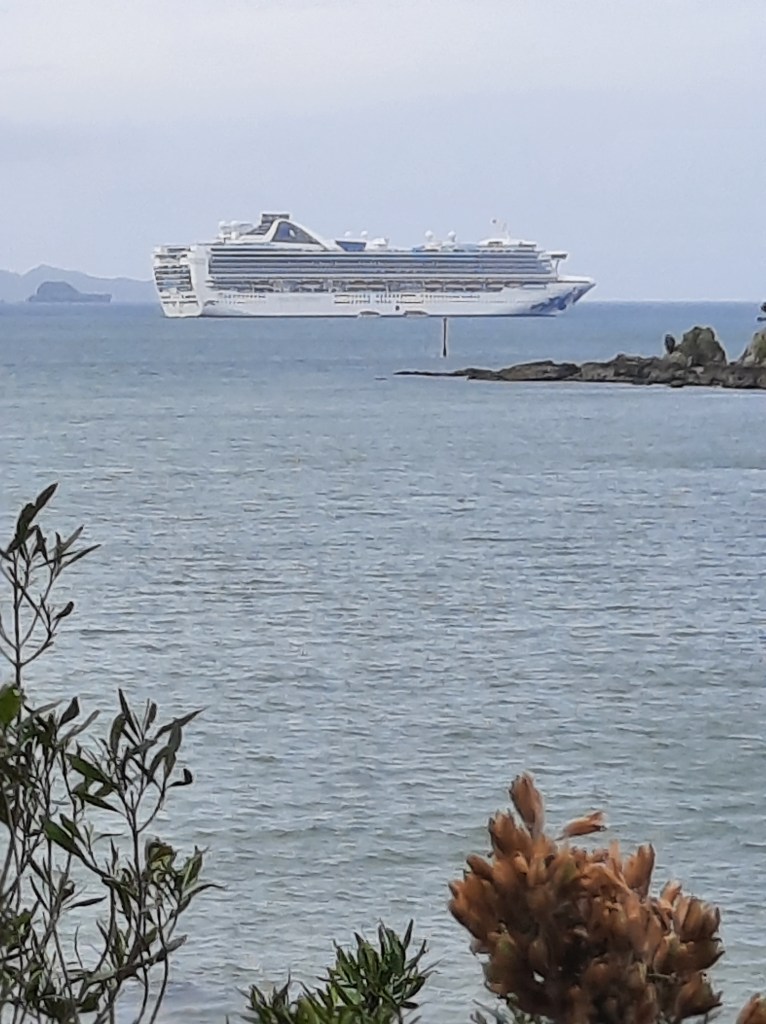
Paihia is a beautiful place, but unfortunately it is a stop over place for the cruise ships. Each day we were there, there was a new cruise ship in the harbour, each one with just over 3000 passengers. We had to plan our activities carefully so we would go to the more popular areas when the tourists had gone back to their boat! It was also notable that all the public toilets were a mess after they left. Apparently they don’t know how to press the flush button!
There was a beautiful gothic church down the road that we had a look around. It turns out that this is where Bruce was married the first time!

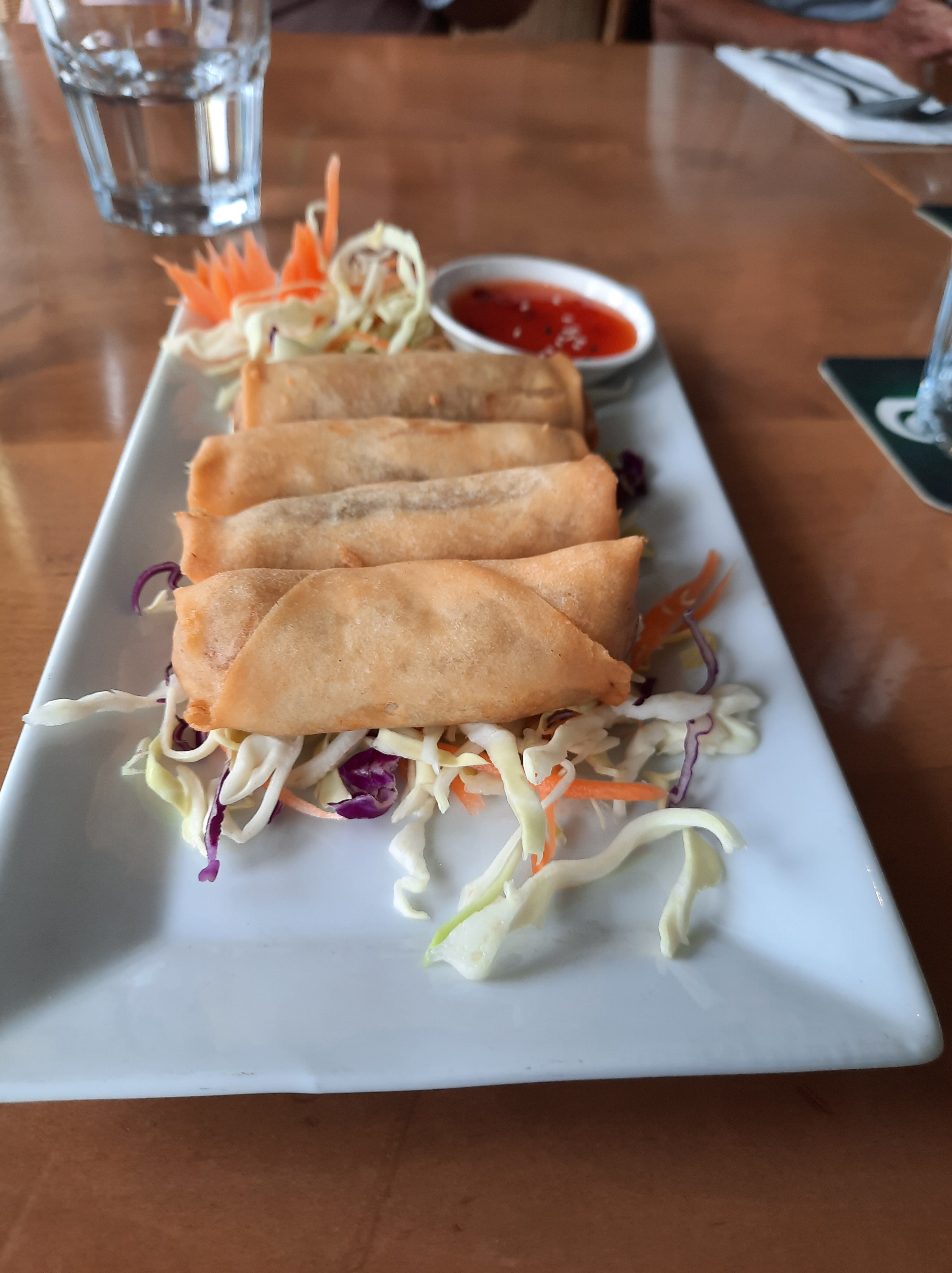
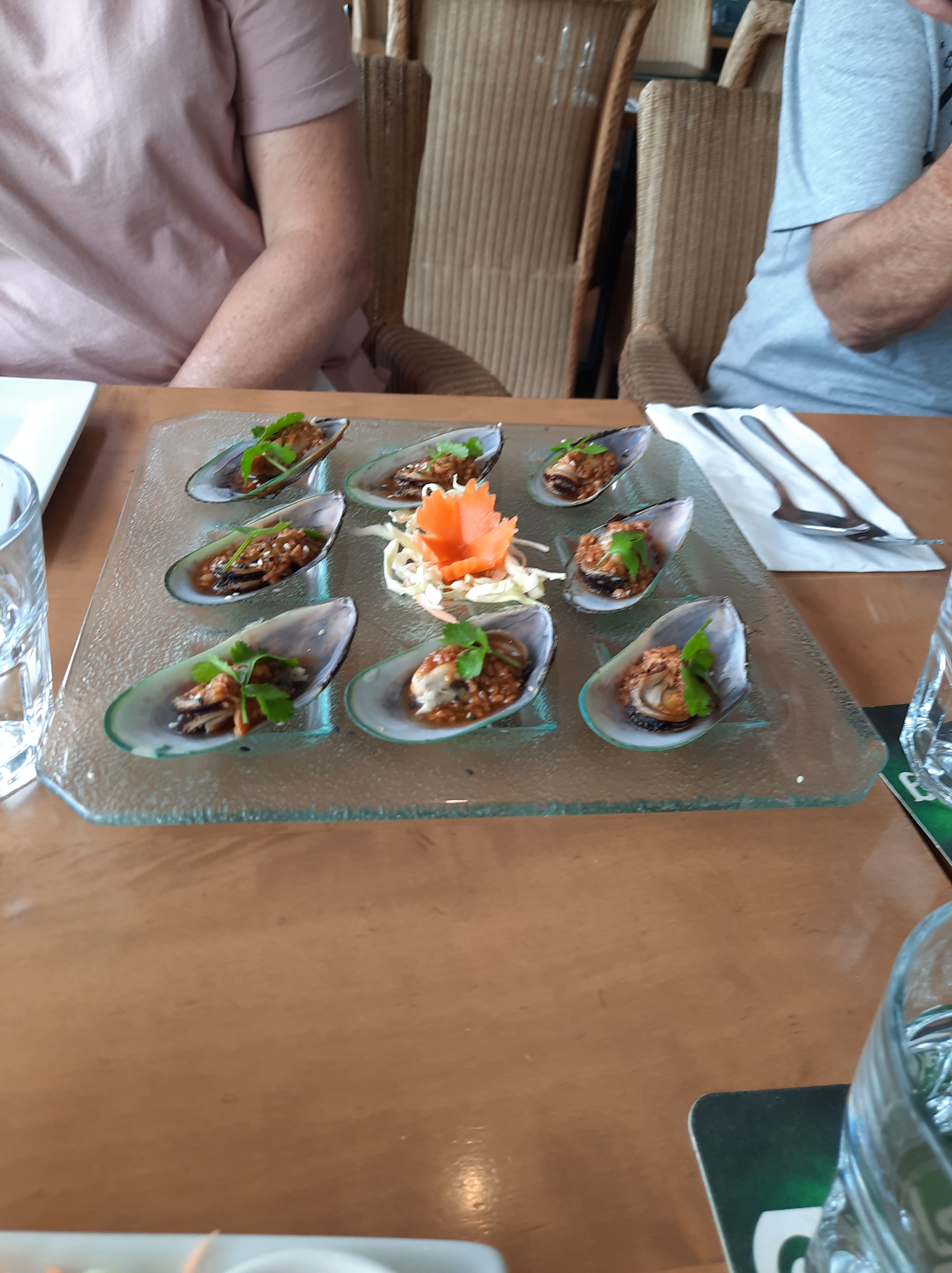
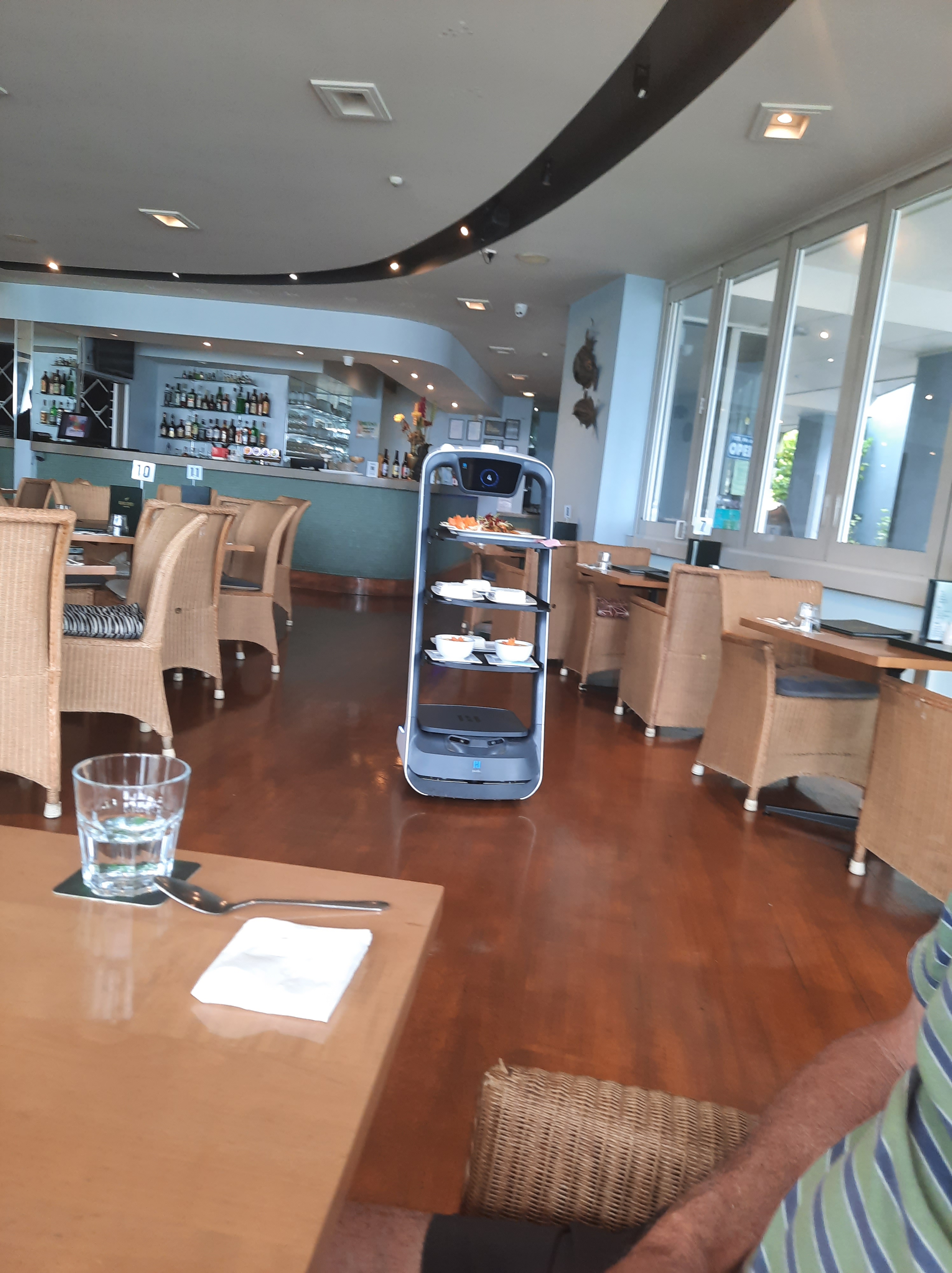
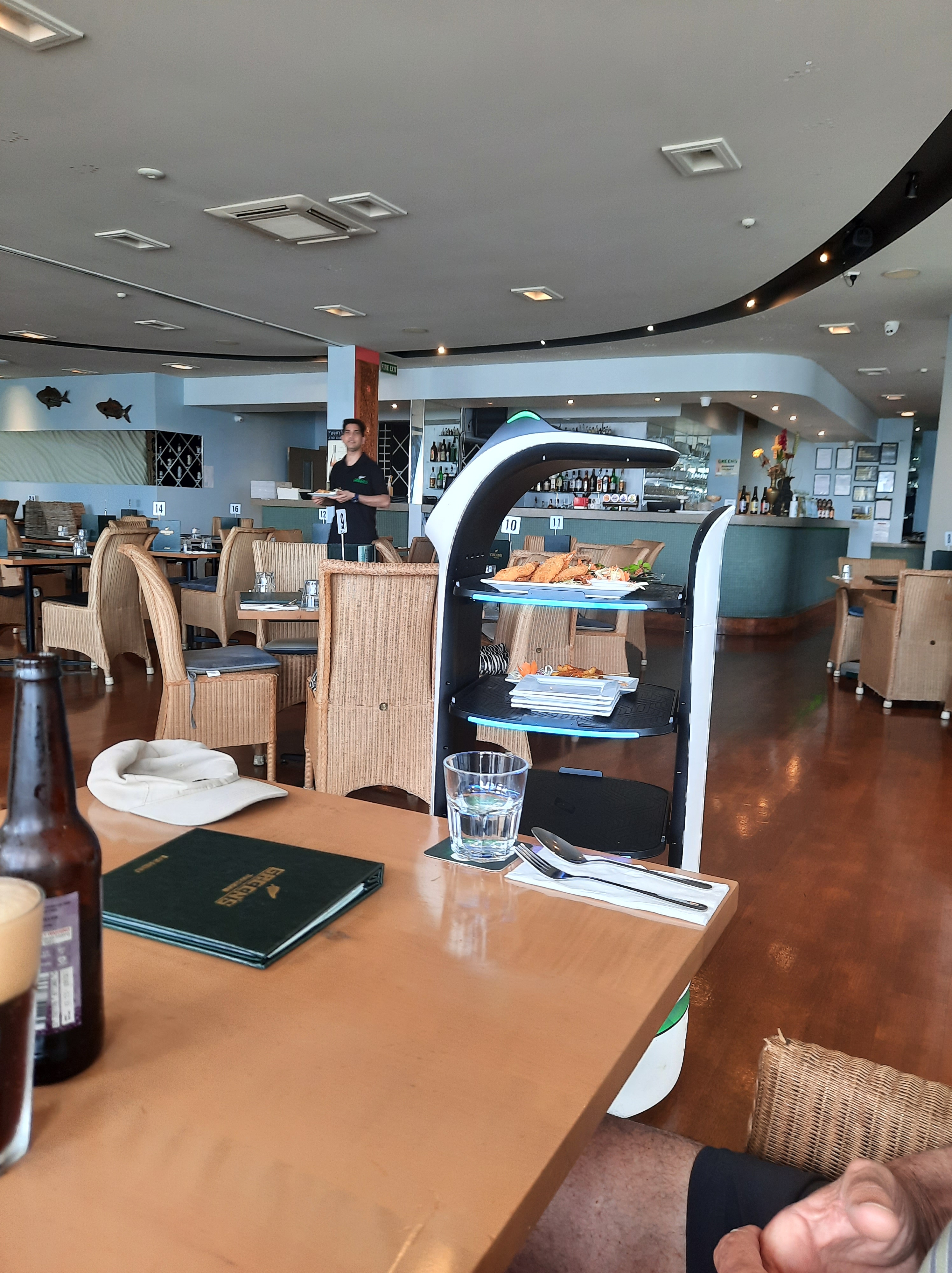
One of the must do’s, according to Bruce’s sister Kay, was to have dinner at the Thai restaurant, where you are served by a robot. We had a beautiful meal there, and Bella Bot was pretty cute.
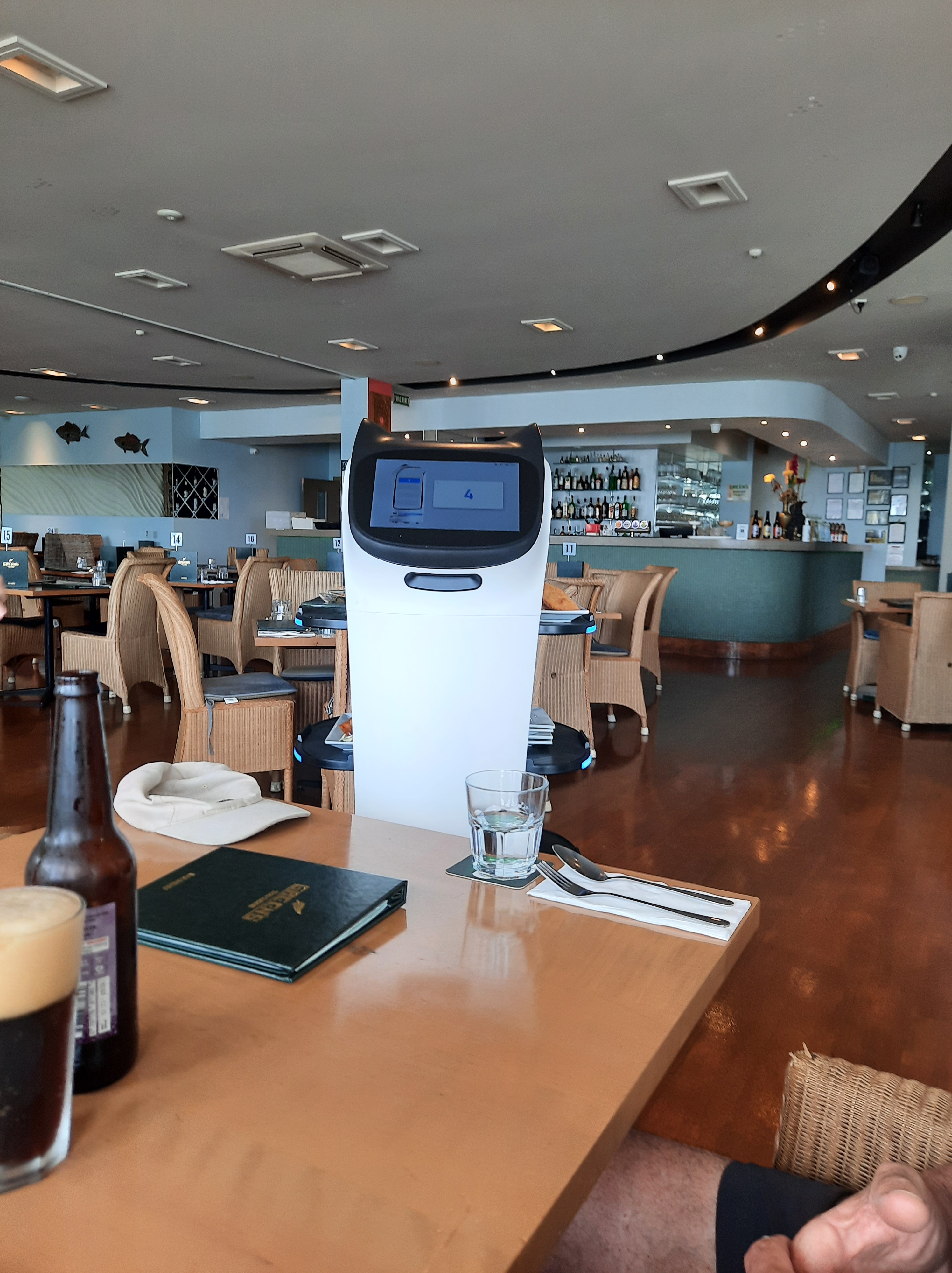
We enjoyed the scenery around Paihia, and it was here that Tina and John’s friends from Whangamata finally caught up with us. Kevin and Marg made a nice addition to our team.

Our evening happy hours were joined by a couple also staying in the POP, called Greg and Marg. Greg entertained us with stories from his youth – he came from England, from a family that worked very hard with a green grocer shop. They expected Greg to work there as well, and when he declined, his father gave him a tanner and told him to “sod off”. He was 13, and thought that a tanner was a lot of money, so he took it, jumped on a bus, and came across a circus. They took him on and he became an animal trainer – elephants, tigers, lions etc., and travelled throughout Europe with the circus. The stories he told about the things that happened were amazing – such as lions escaping their cages and running around loose in a town; one lioness biting a drunk man who wasn’t even aware of it because he was so drunk, and because he was wearing a sheepskin coat that the lion’s teeth couldn’t penetrate!

Greg has built a miniature circus in his garage at home, with thousands of intricate figures and all the costumes pertaining to their roles; all the animals; and the tents etc. The photos he showed me were amazing!
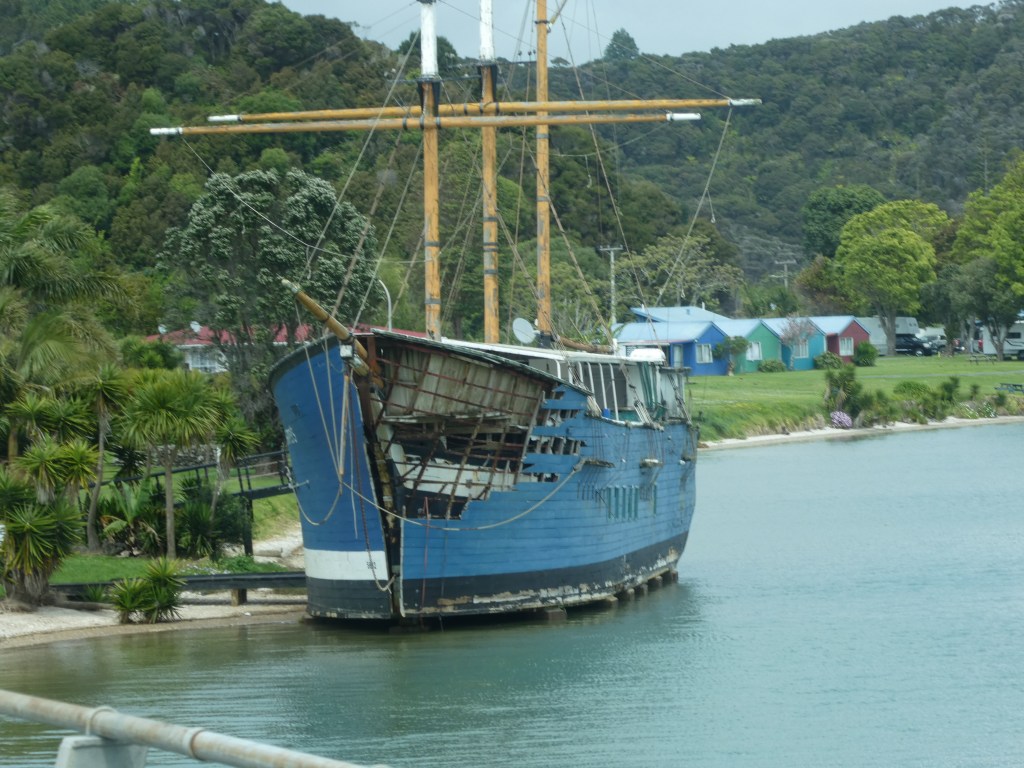
We drove out to see a bit of the countryside around Paihia. On the way we passed the ship Tui, in a very sad state. She used to be a shipwreck Museum, set up by Kelly Tarlton, but apparently it was vandalised, and items stolen, so it is closed and left to decay. So sad. We would like to have gone to Waitangi, but they charge quite a bit now to even go on to the grounds, so we did not bother.

The views from the golf course were lovely though.

After doing the usual filling and emptying of tanks, and also filling the larder, we headed off again.
Russell.

It is now 17th October, and one night at Puriri Bay was enough for us. We agreed to move on. It was my driving day and I wasn’t looking forward to the big hill out of the camp with the additional difficulty of the gate across the road, requiring a steep hill start. Fortunately Camp Mother raced out to get the gate for us so I was able to put my foot down and managed the hill without a problem.

The journey around the coast was hilly, with views out over the sea, but we did not really stop until we reached Russell.

Russell is significant in NZ history. Europeans came here in the 1830’s for whales, and it is the scene of many Maori and Europeans conflicts. It is the site of one of the oldest churches in NZ, and also the site of the hill top flagpole that was cut down no less than 4 times by Maori protesting against the government. We could not get up to the flagpole as it was not suitable for motorhomes, and none of us felt like the climb!

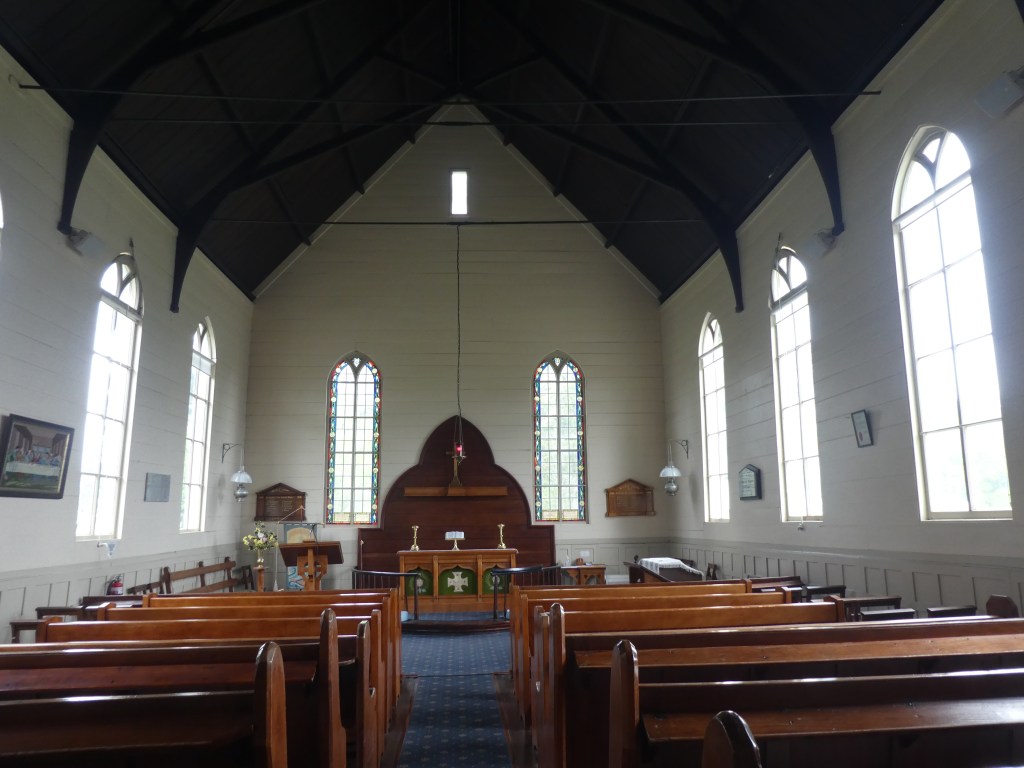
We did, however, spend quite a bit of time at the church —-

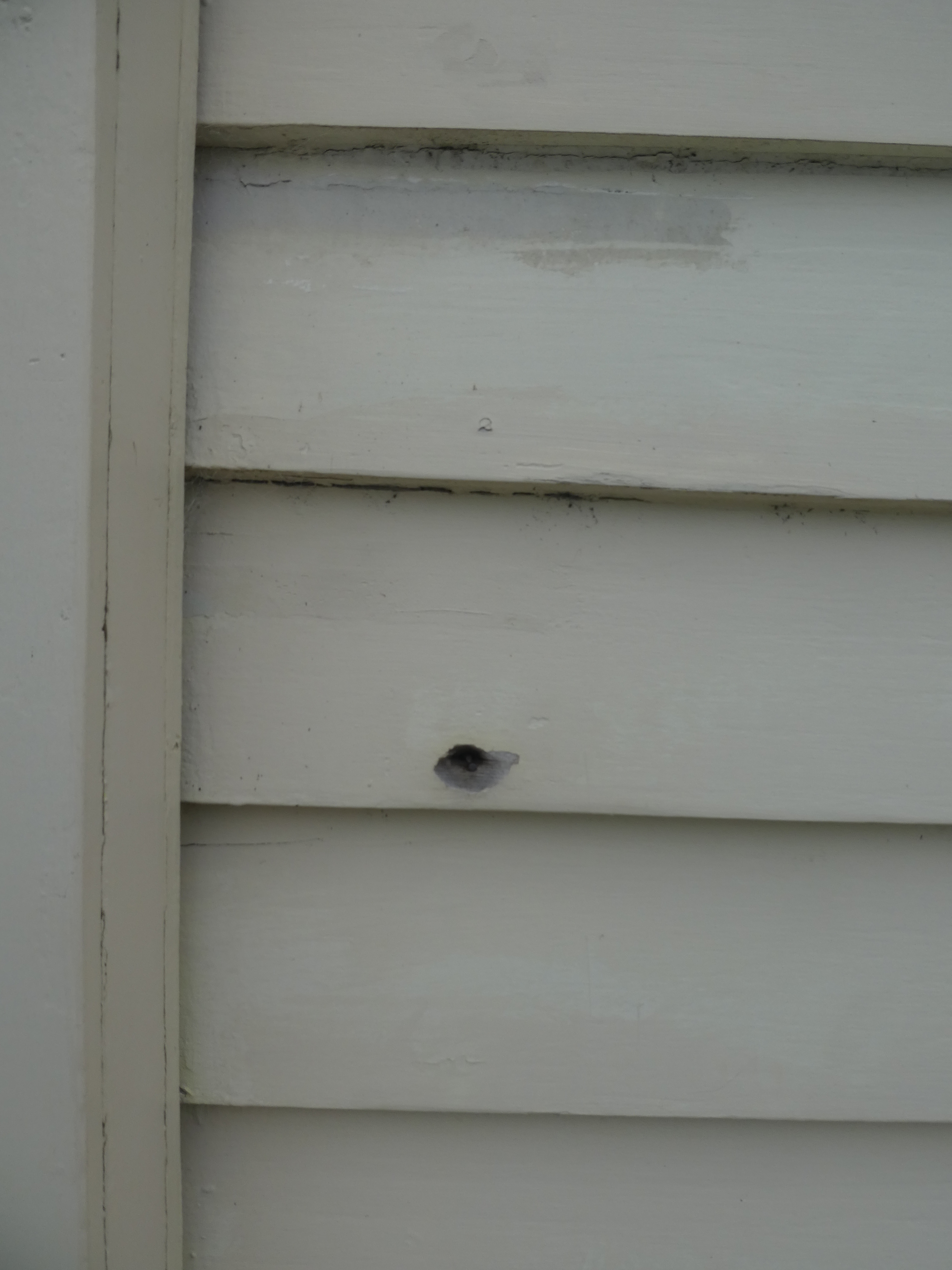
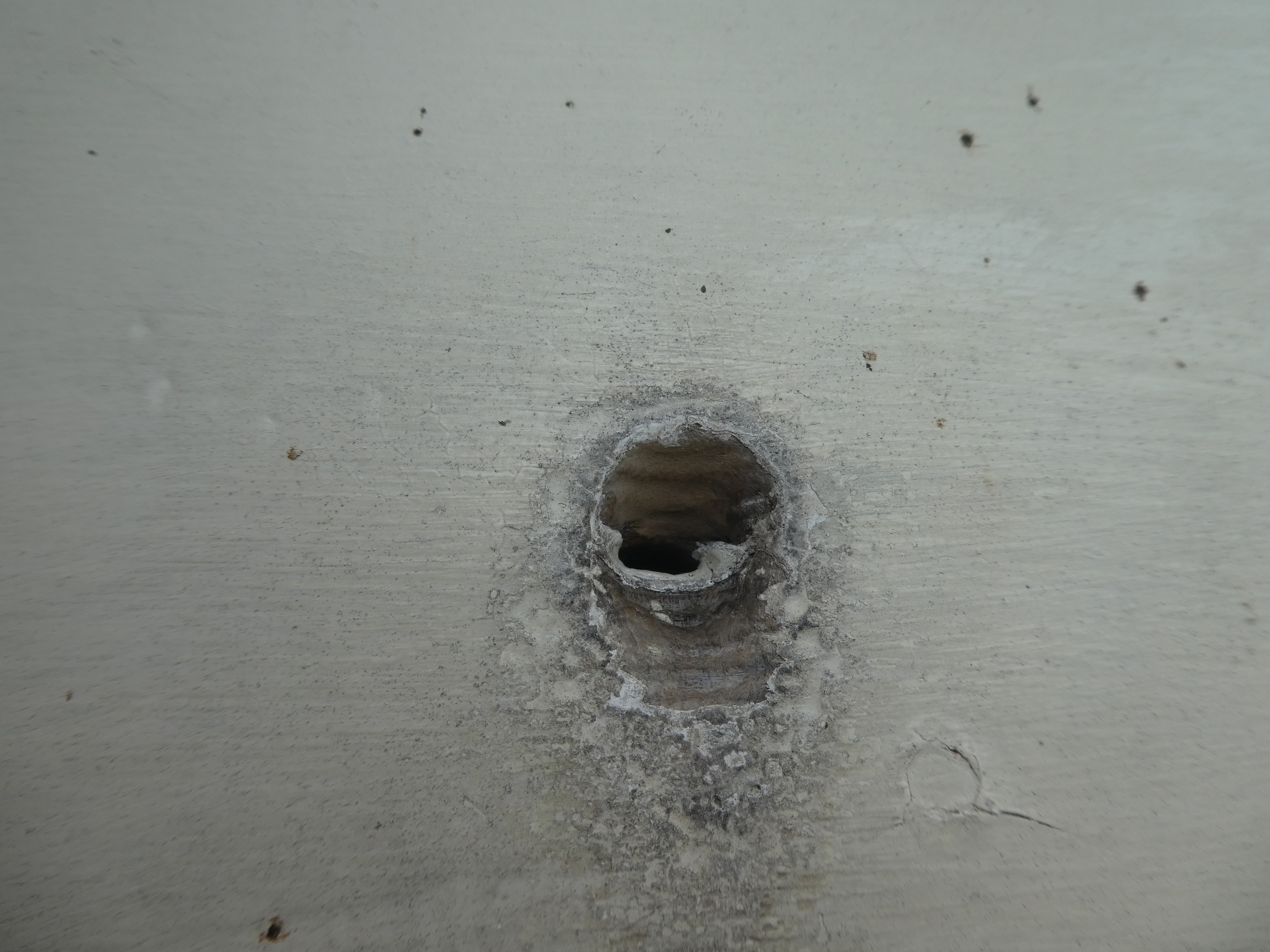
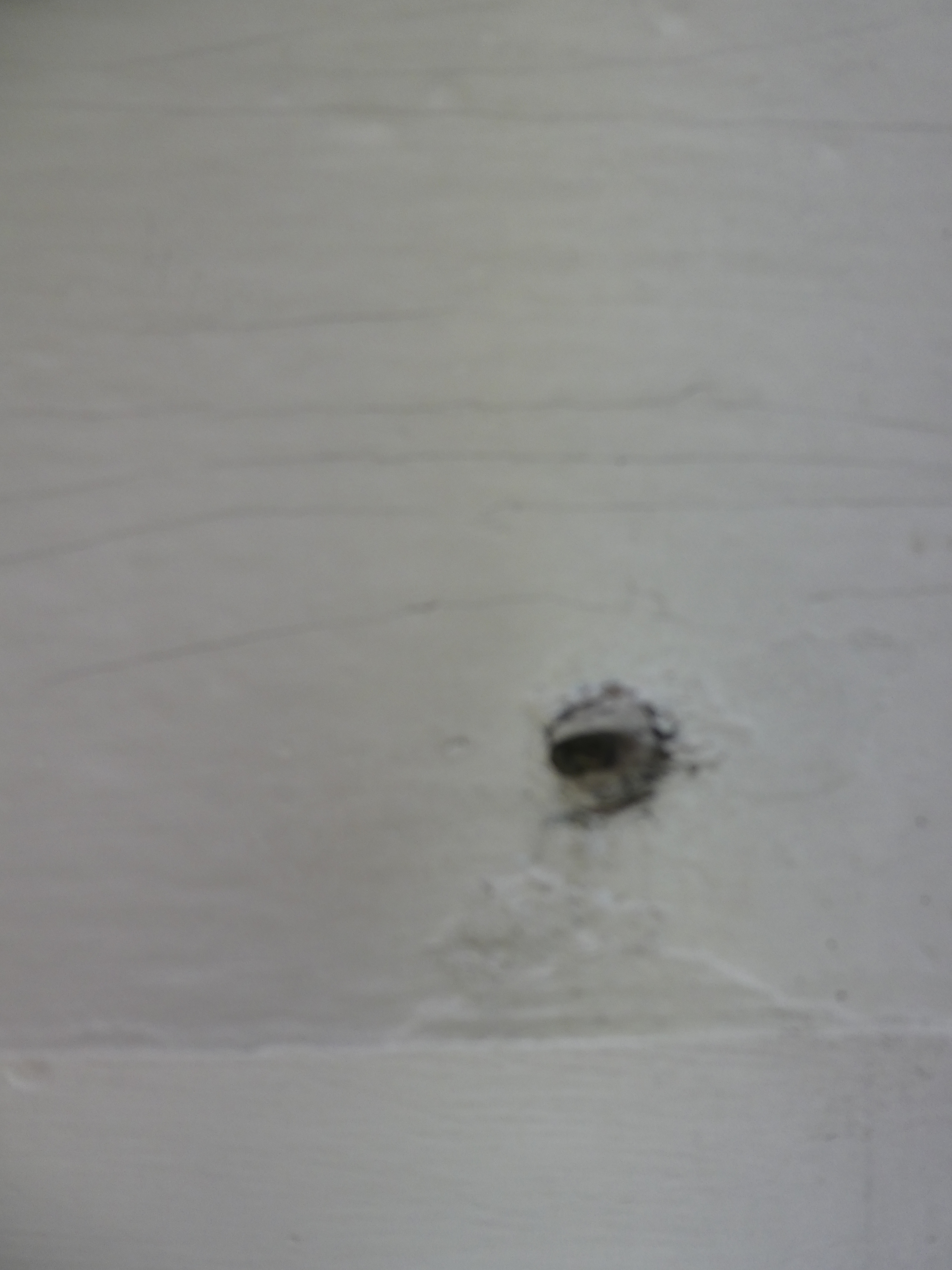
This church was built in 1873 and survived the various skirmishes, although it is still scarred by bullet holes.

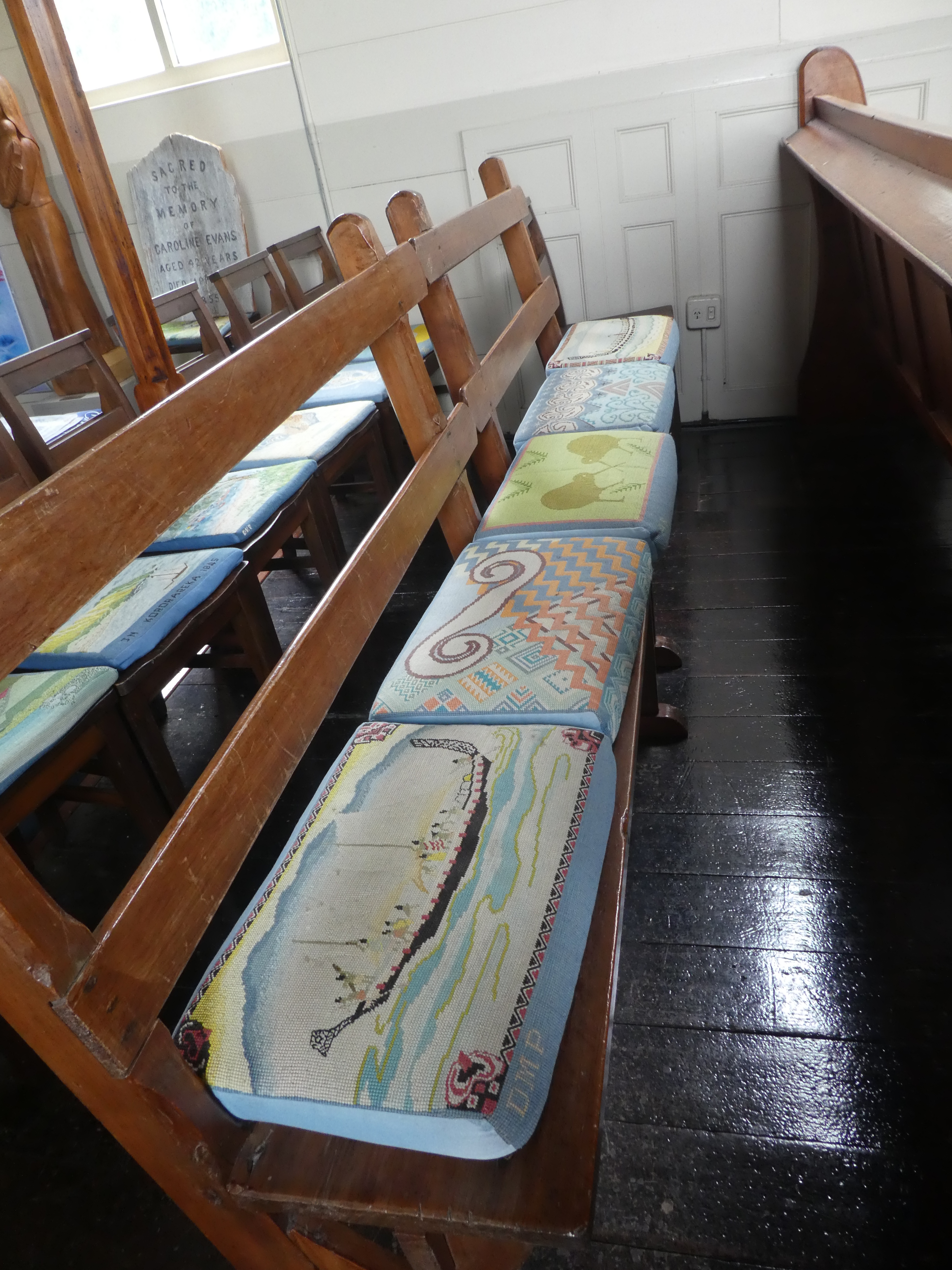
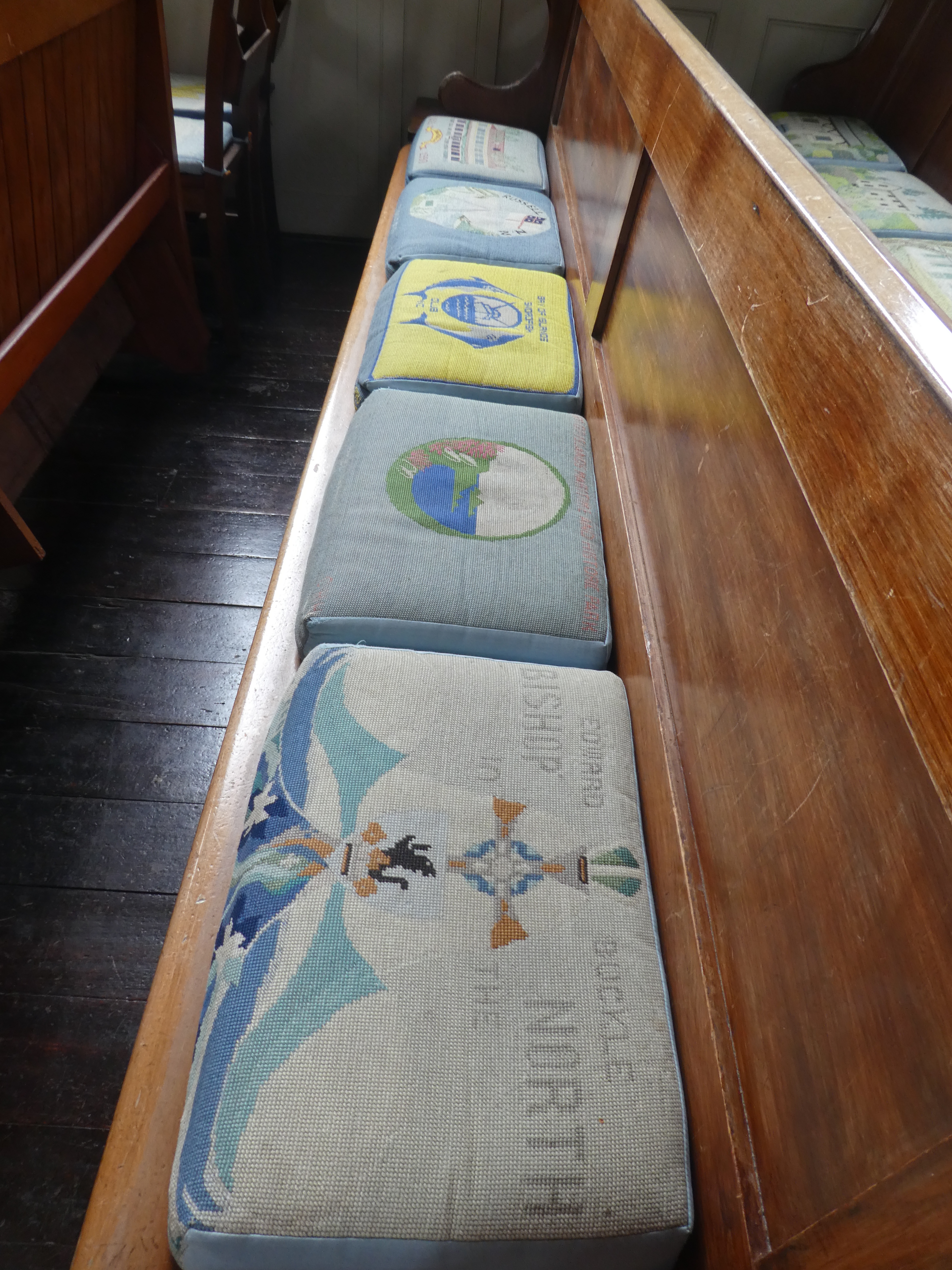
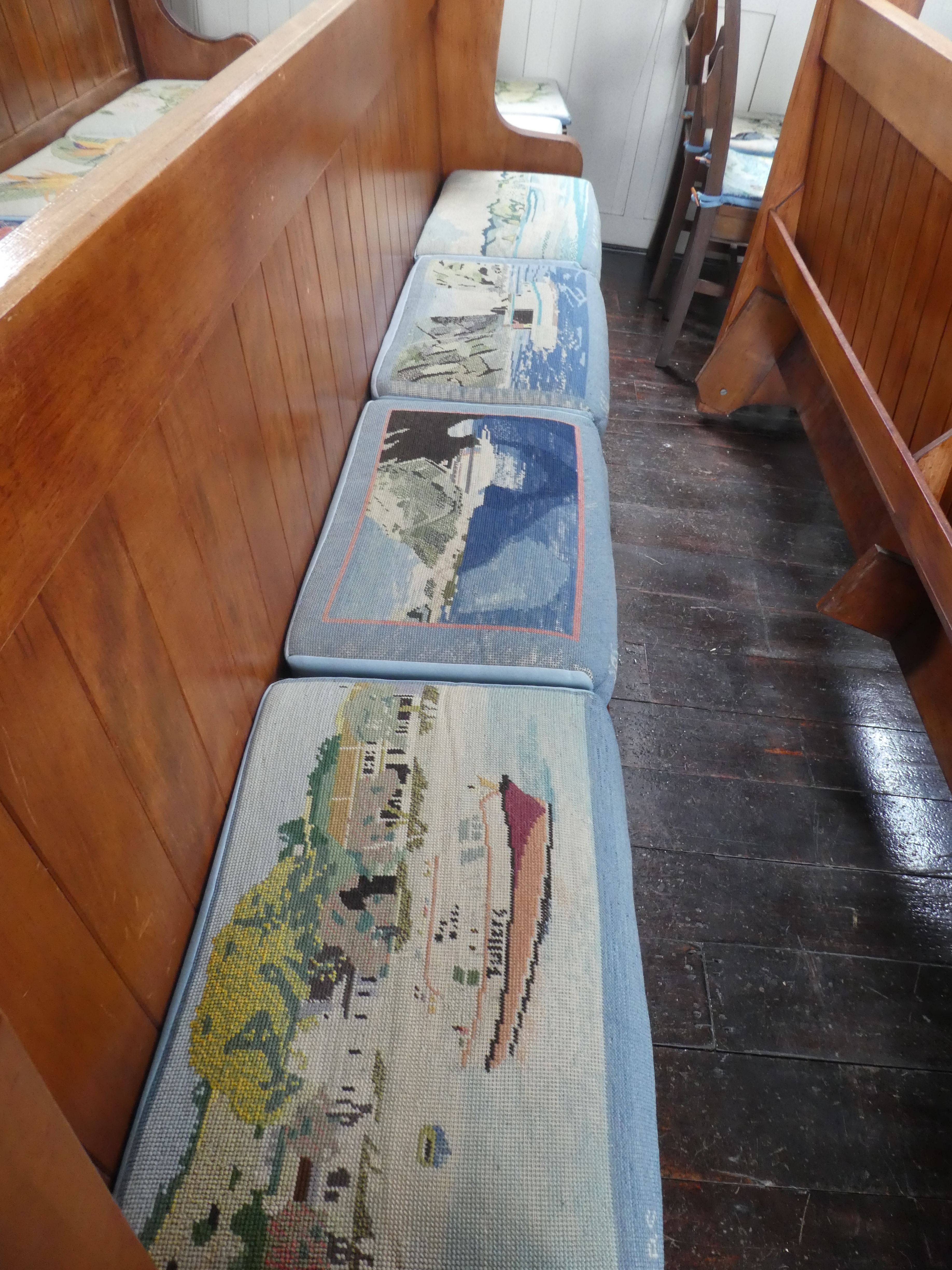
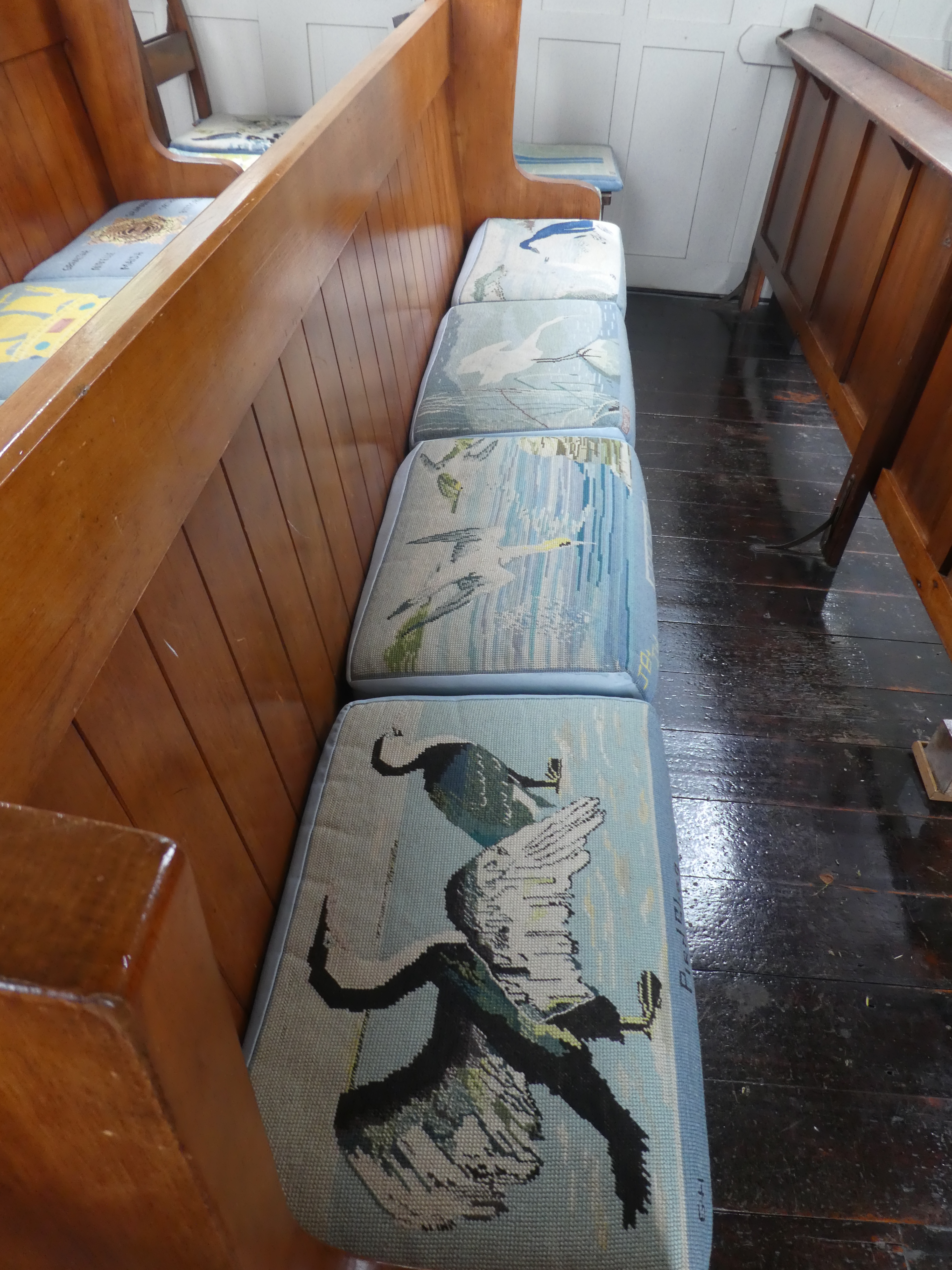
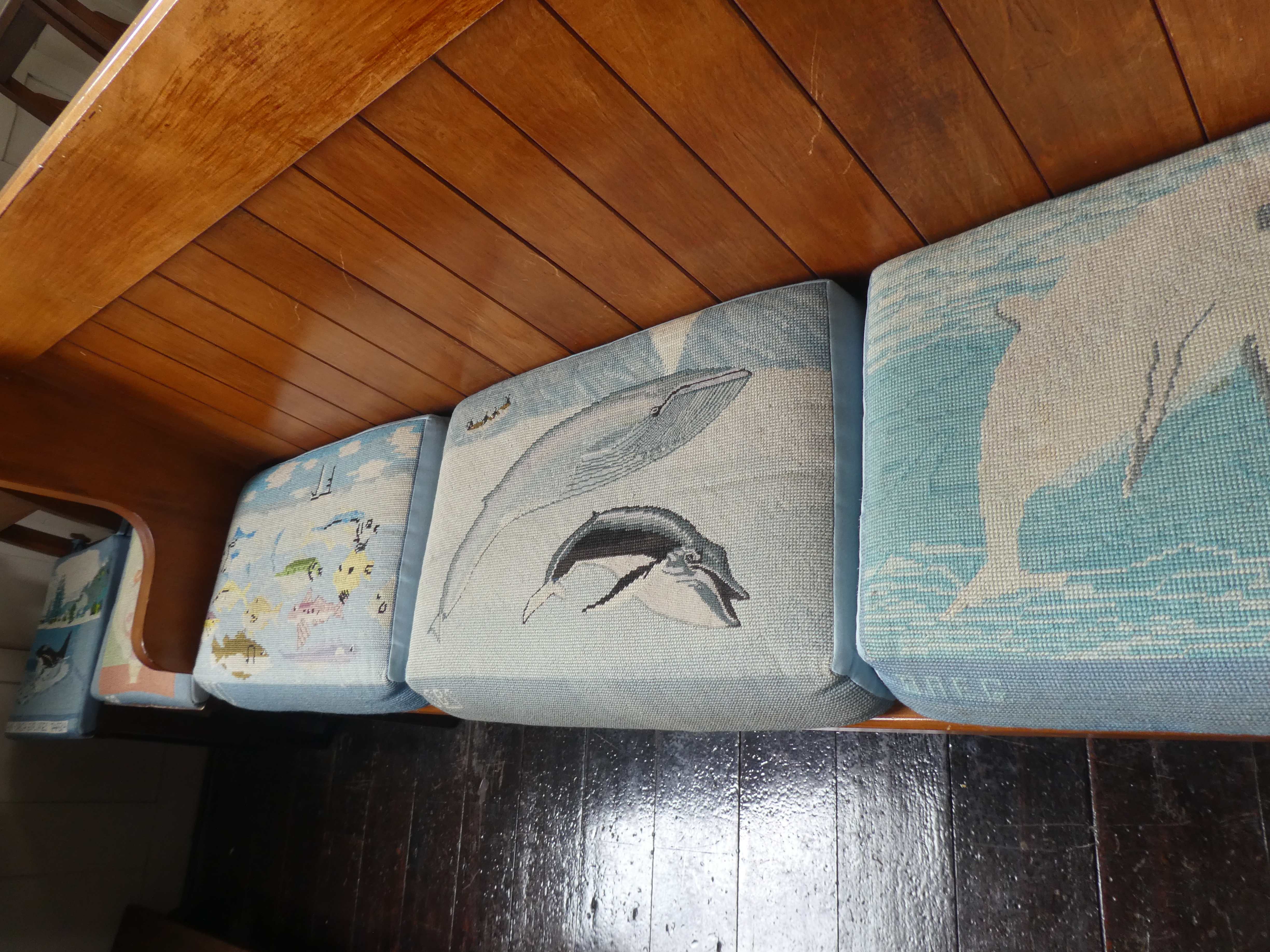
The care that has gone into the church is evident in all the tapestry seat cushions. Each row of pews seems to have a different theme.

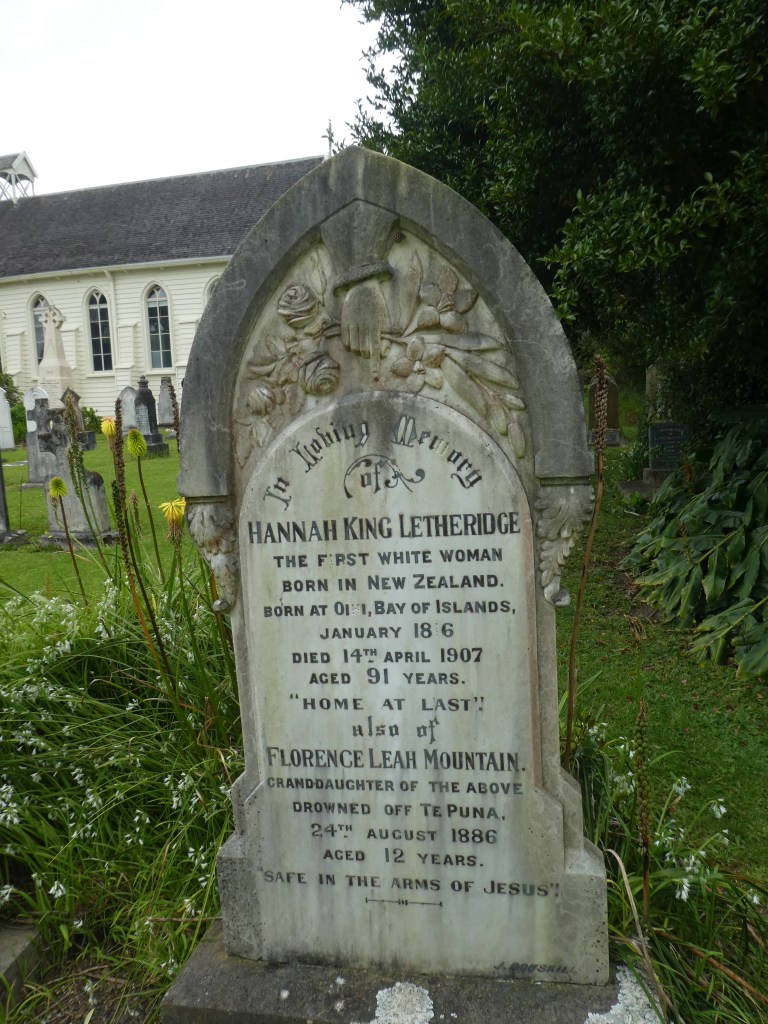
We then had a stroll around the graveyard, and looked at the many very old head stones. One poor man died while fumigating the ship Lancaster (no health and safety then I guess), and there were the graves of several children who either drowned or died of scarlet fever. There was also the grave of the first white woman born in NZ – a lady called Hannah Lethbridge.

We then walked through the town to Pompellier House which was an early Marist Printing House – a cafe now occupies part of the building. There was a charming young French lady also enjoying a coffee and drawing in her sketch book. From what I saw she was a talented artist, and she told me she hoped to make it her full time occupation – however, she was off to Australia in a weeks time.

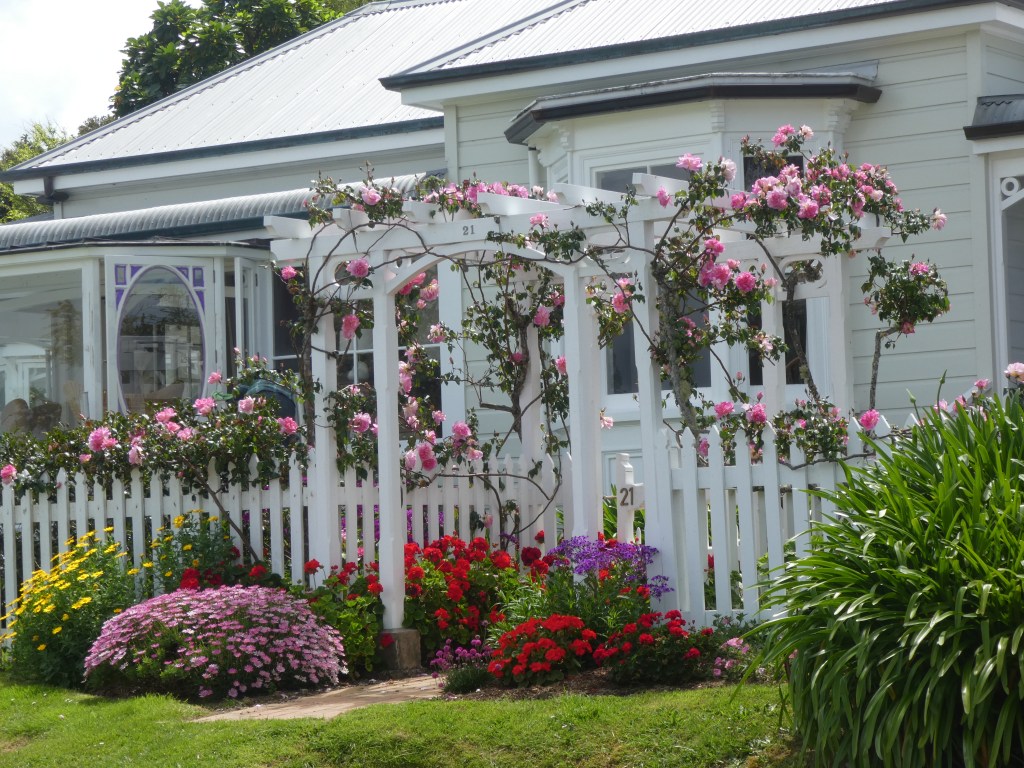
The houses and gardens in Russell were picturesque in parts.

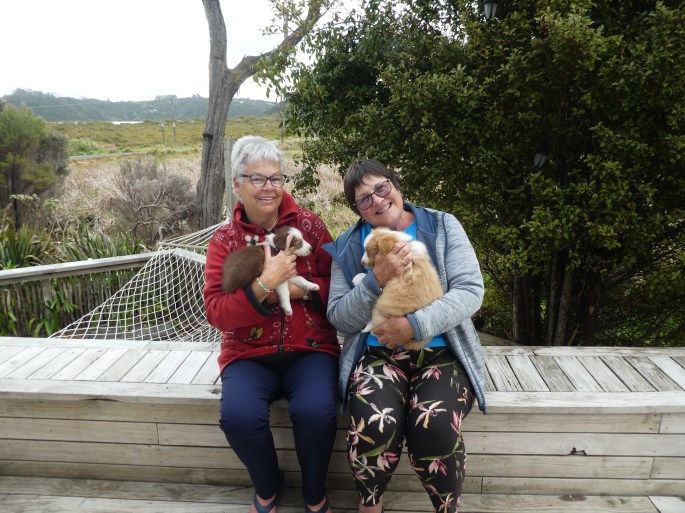
One of the nicest parts of the day though, occurred when we headed to camp. Renting a cabin near our site was a couple, and their teenaged daughter, along with two adorable border collie puppies. Tina and I were lucky enough to spend a bit of time cuddling these bundles of fur.

The camp itself was “unique” and pretty basic, but it was a pleasure to be woken by all the bird call in the morning before we headed off down the road again.
Puriri Bay

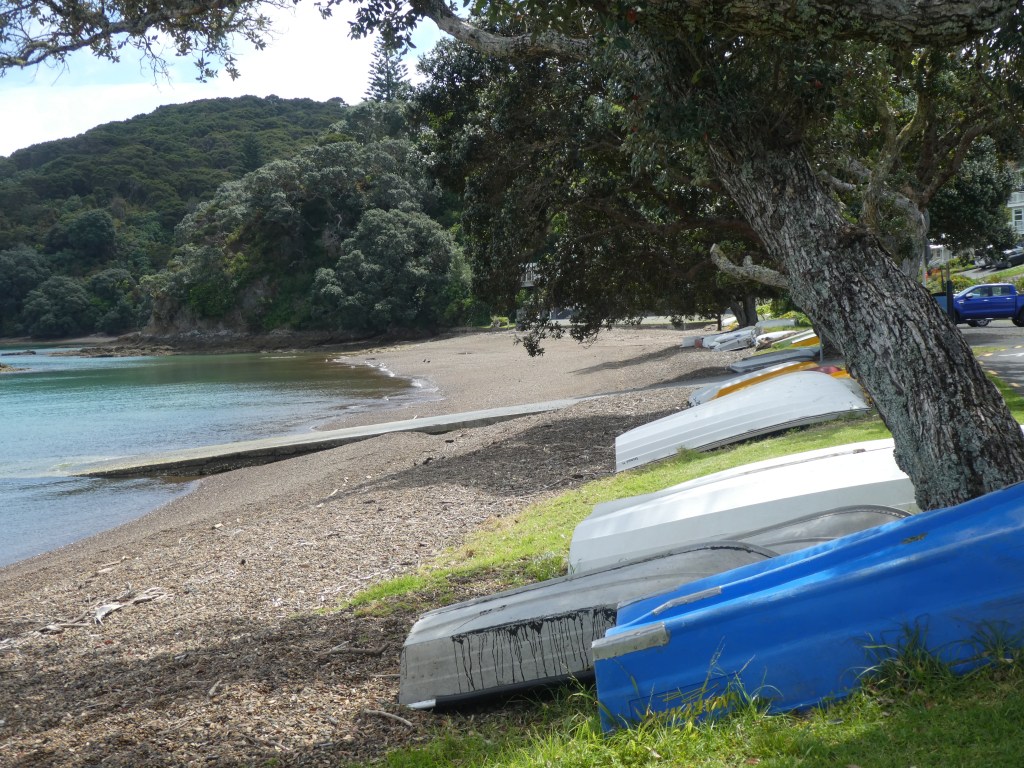
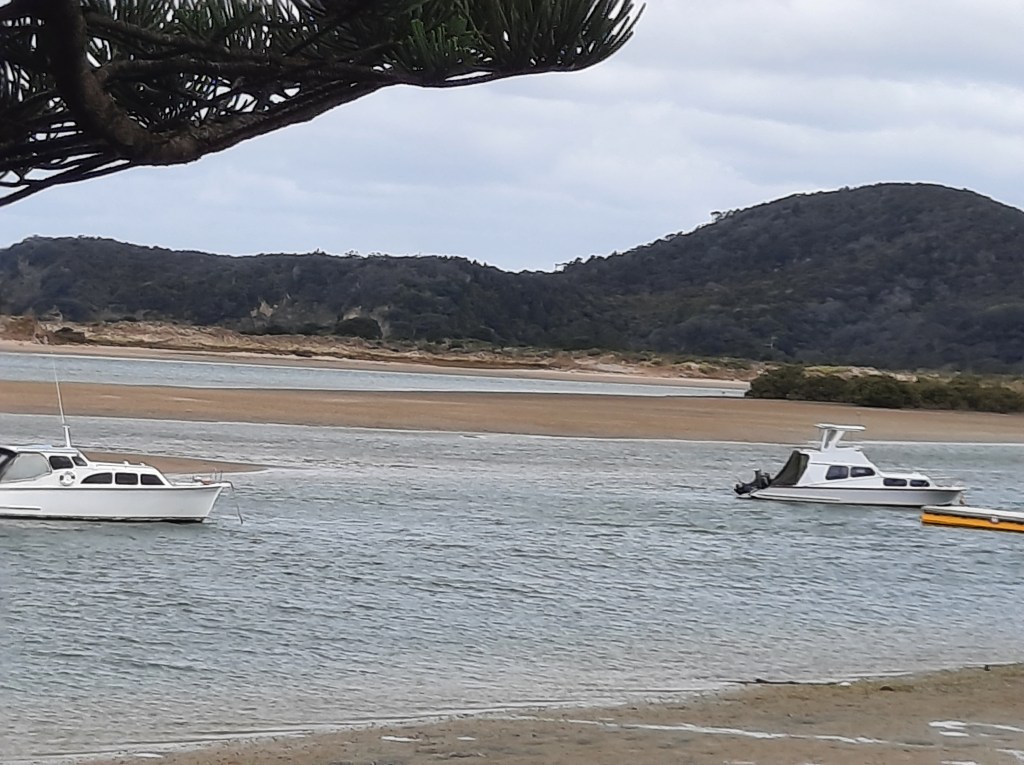
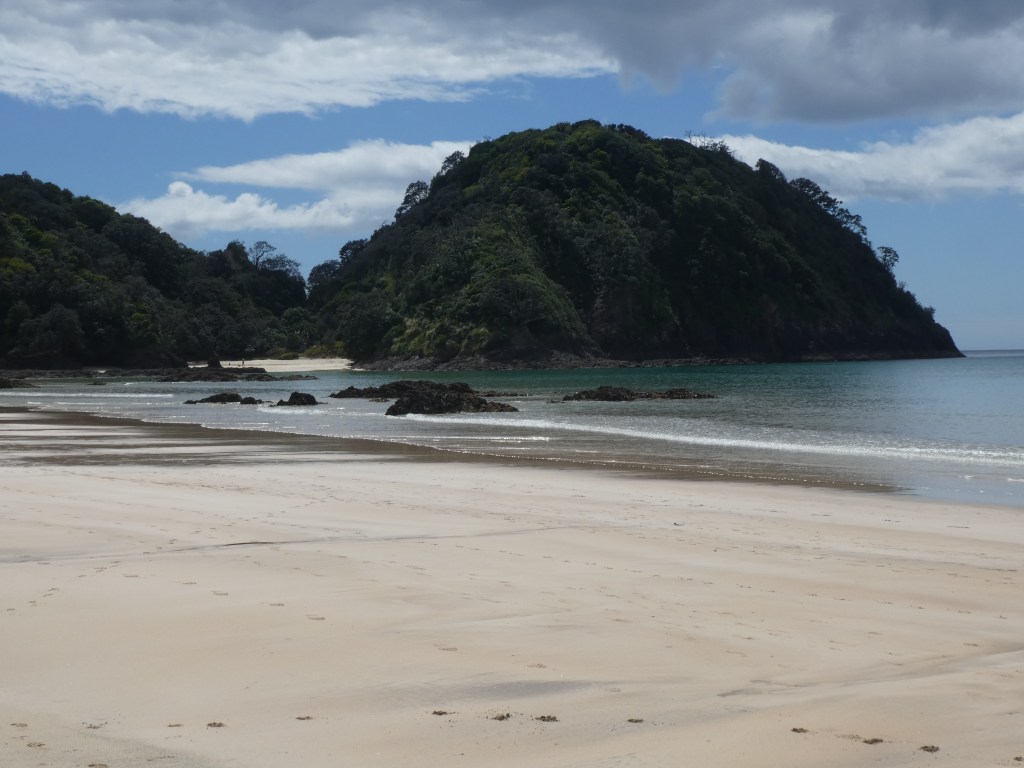
Whangaruru was a basic sort of camp, but very pleasant being on the water. We all took a walk along the beach to the next bay which was really pedestrian only, but the access was also used by cars who had baches along this bay, as there was no other way of getting there.

The walk was very pleasant, and after a bit of shell collecting we ambled back. Tina and I managed to get a load of washing dry each, after we repaired the outside line ourselves! As I said, a bit of maintenance was needed all around.

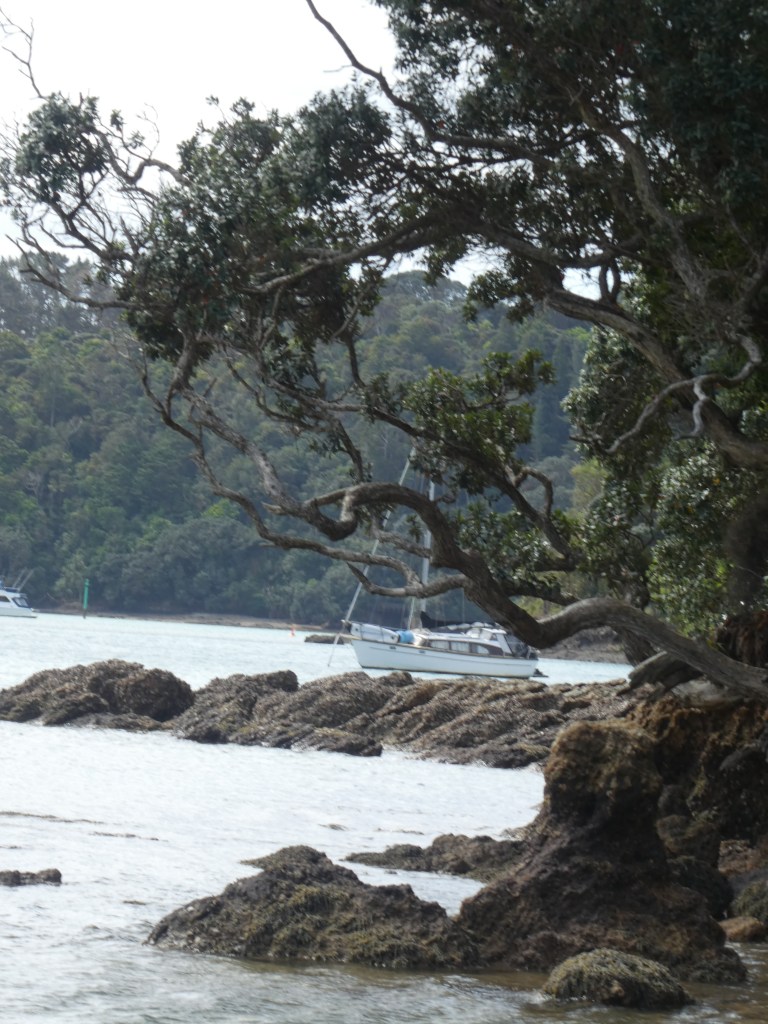
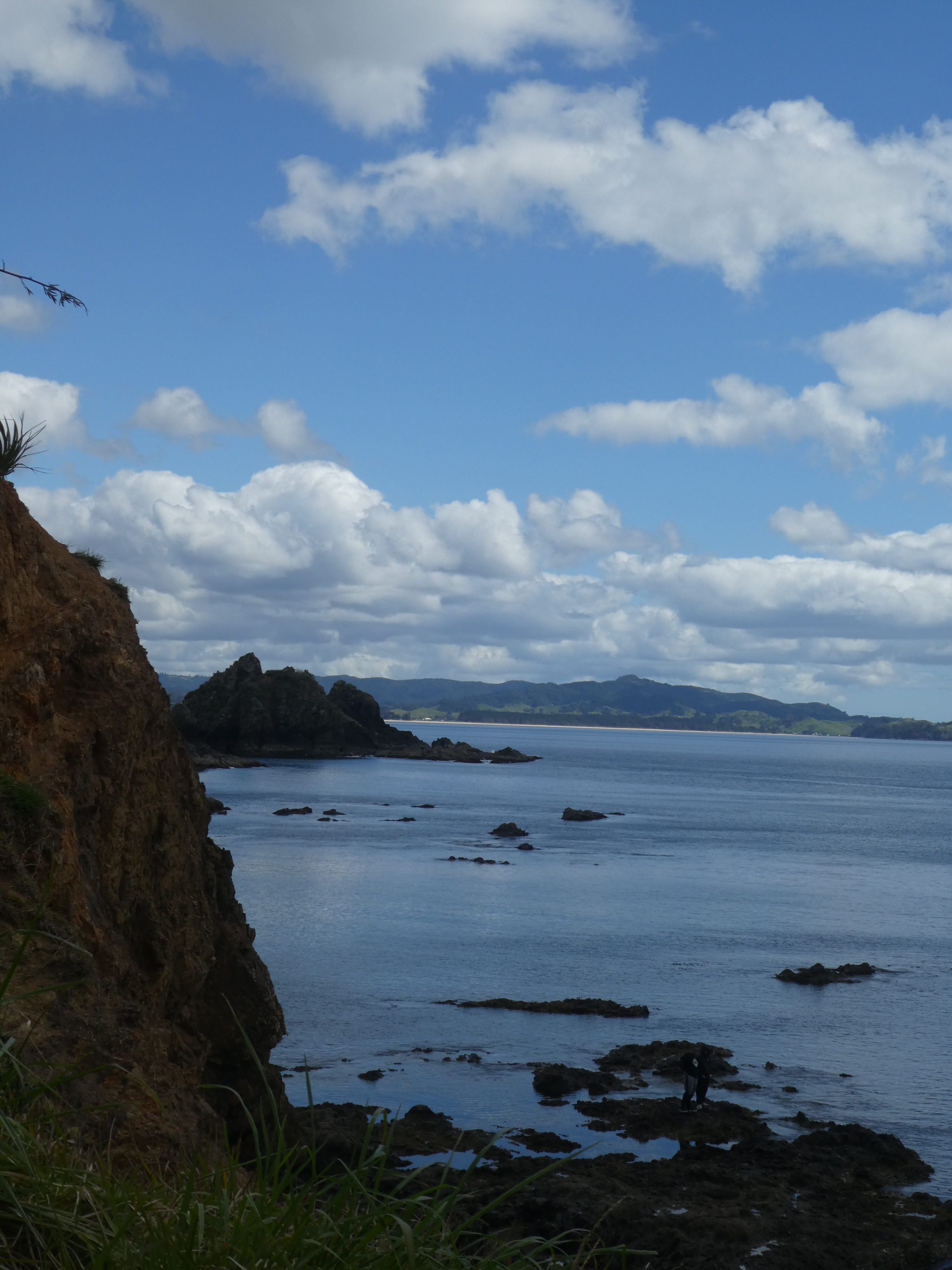
The next day we headed off again to the Puriri Bay DOC Camp. Access to this camp was down quite a steep hill, so we really had to trust our brakes as the gate to the camp stretched right across the road near the base of this hill. Camp Commandant informed us that the camp wasn’t actually open until Saturday, and this was Wednesday, but she told us she would allow us to park in the carpark, no negotiation. The bay was beautiful, and we had seen some quite big fish jumping just a little was along, so we decided to stay.

Bruce and I didn’t take too long to get out the fishing rods, but despite our best efforts we caught nothing. I tried using some oysters off the rocks as bait, but I think the crabs ate that.

That nighit was our turn to cook dinner for Tina and John. However, most of the cooking was done by my son Steve who had given us some of his brisket to take away with us. We couldn’t have had a nicer meal – thanks Steve! Tina gives you a 10/10 and would like to contract you for ongoing supply!

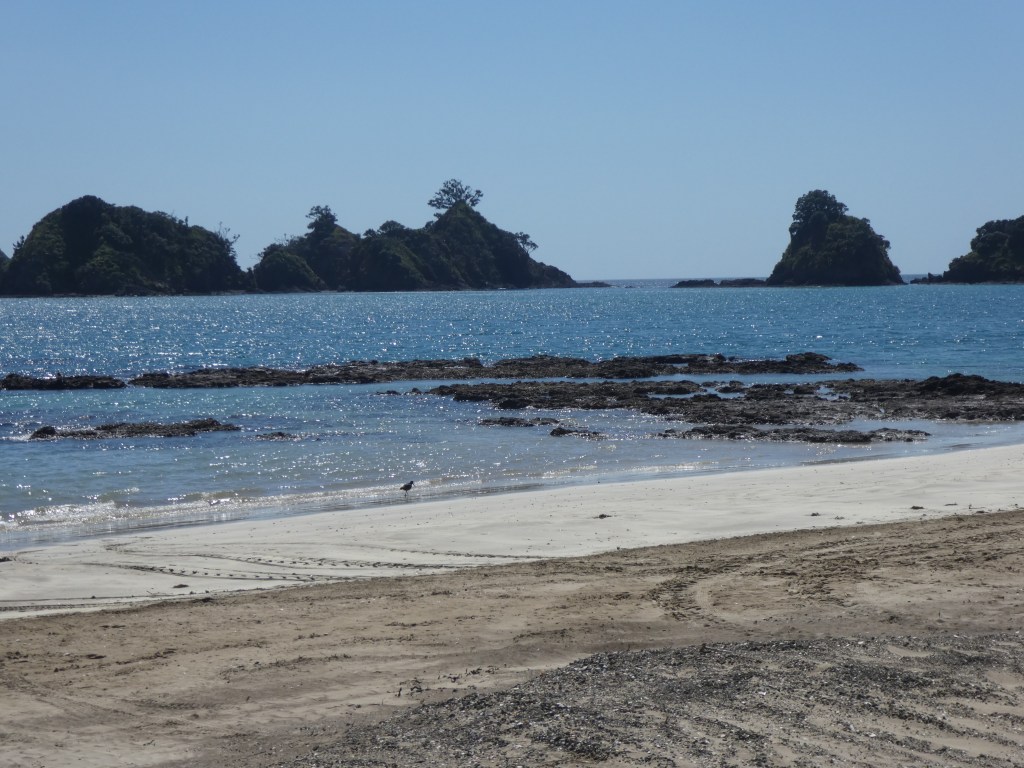
That night Bruce and I enjoyed a bit of a stroll along the beach in the other direction. It is clear that erosion is also a problem here. The owners had told Tina and John about the mess that Cyclone Gabrielle had left behind, and all the work they had to do, as a couple, to clean it up!

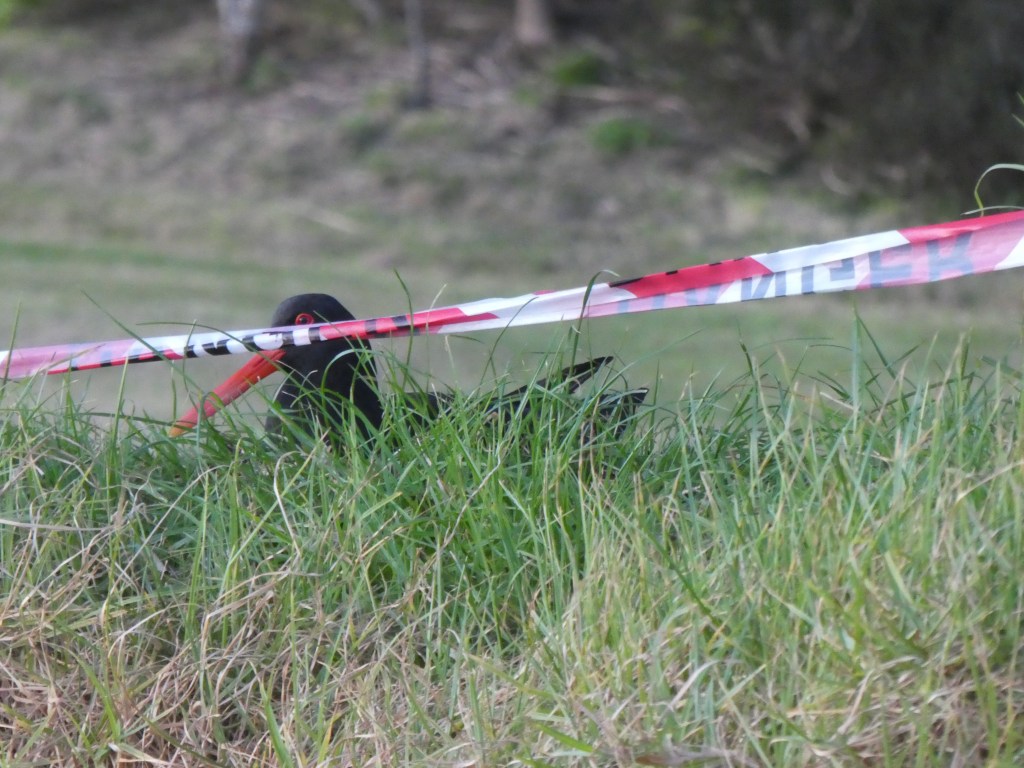
Up on the beach was an oyster catcher patiently sitting on her nest. She was a bit anxious of us passing by but was not prepared to move.

We had a quiet night, but parking on a gravel carpark did not hold a lot of appeal, so we decided to head on to Russell the next morning.

Otamure

After our short stay at Whananaki, we headed just a short distance away to a Department of Conservation camp at Otamure. Bruce and I had not stayed in a DOC Camp before so this was our first introduction, and we were converted! The camp is right on the water front, with a lot of sites, and good facilities. Our only complaint was that it was a little windy (I guess that was outside their sphere of control).

We elected to have a bit of down time at this camp, and I was able to get the paints out and get a bit creative.

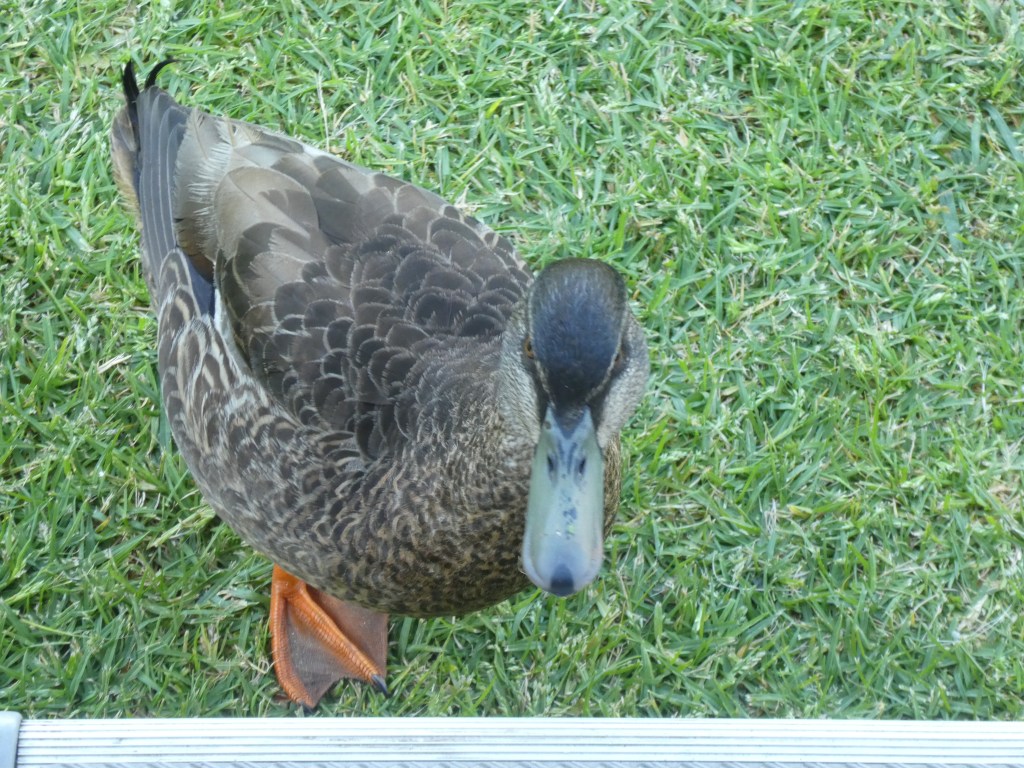
This camp came with it’s own resident ducks who were very tame and were always there when it was time for us to eat! Tina and John decided that they were going to cook us dinner that night, so we were spoilt with a roast lamb meal with all the trimmings. Absolutely delicious.

The weather was a bit windy, and coming straight in off the beach, so no chance for fishing here, but I managed to wile away a bit of time with my paints, and we enjoyed our walks on the beach.

When we left there we started down memory lane for Bruce – looking at some of his childhood haunts. We had already been to see one of his parent’s houses in Whangarei, but now we called in to Teal Bay where he had spent many childhood holidays.

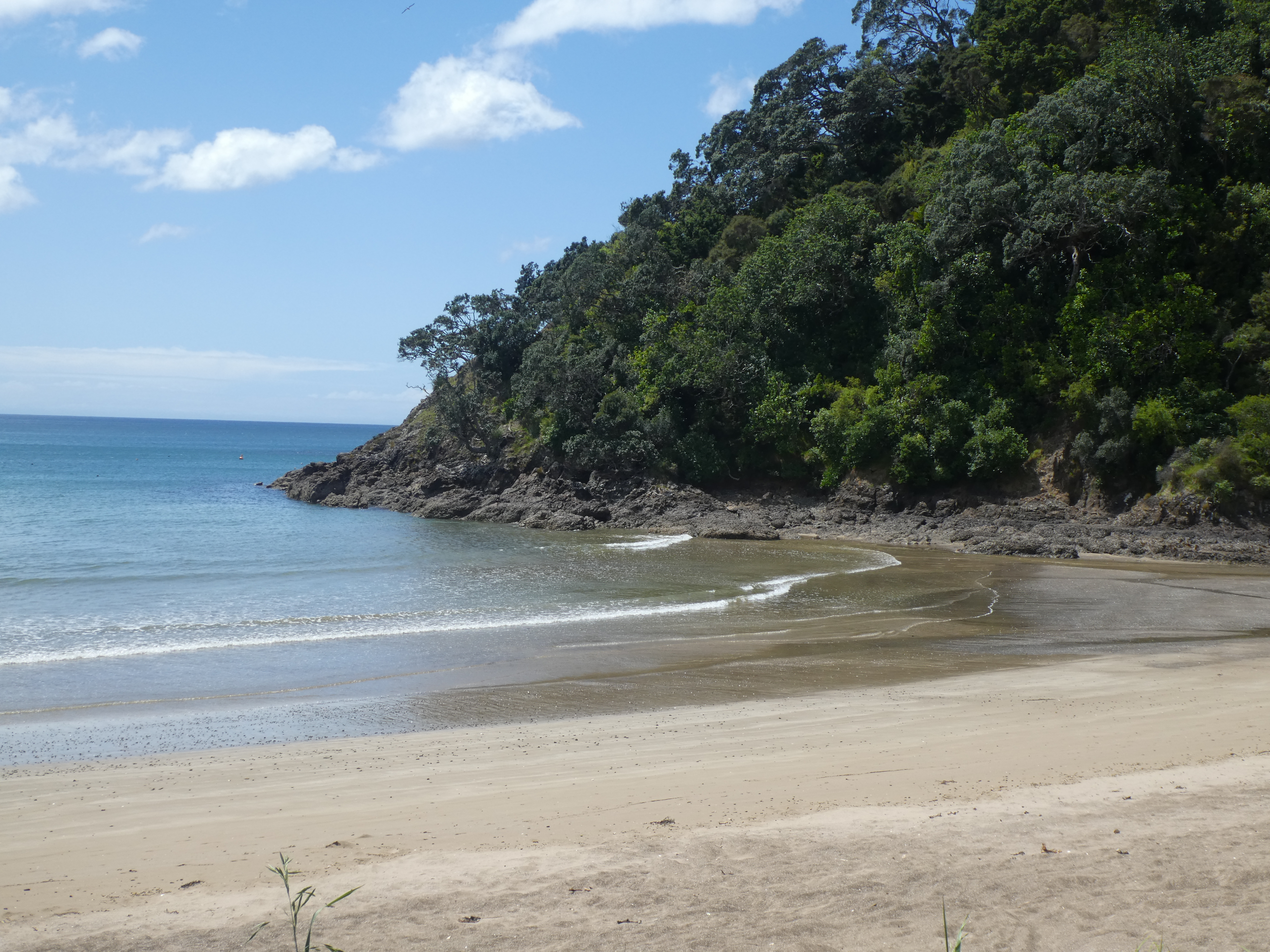
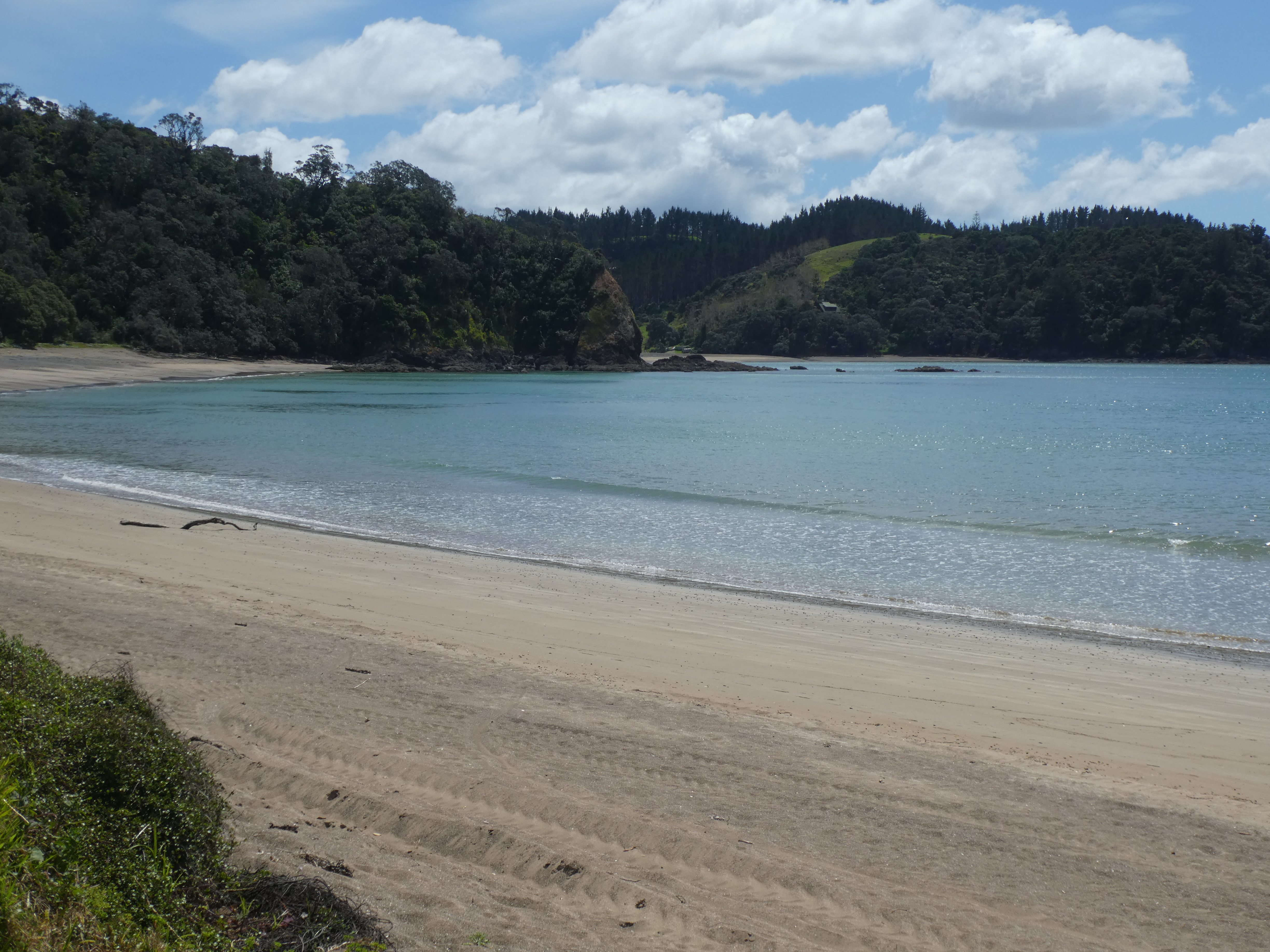
The beach was lovely and Bruce says it is largely unchanged from about 60 years ago.

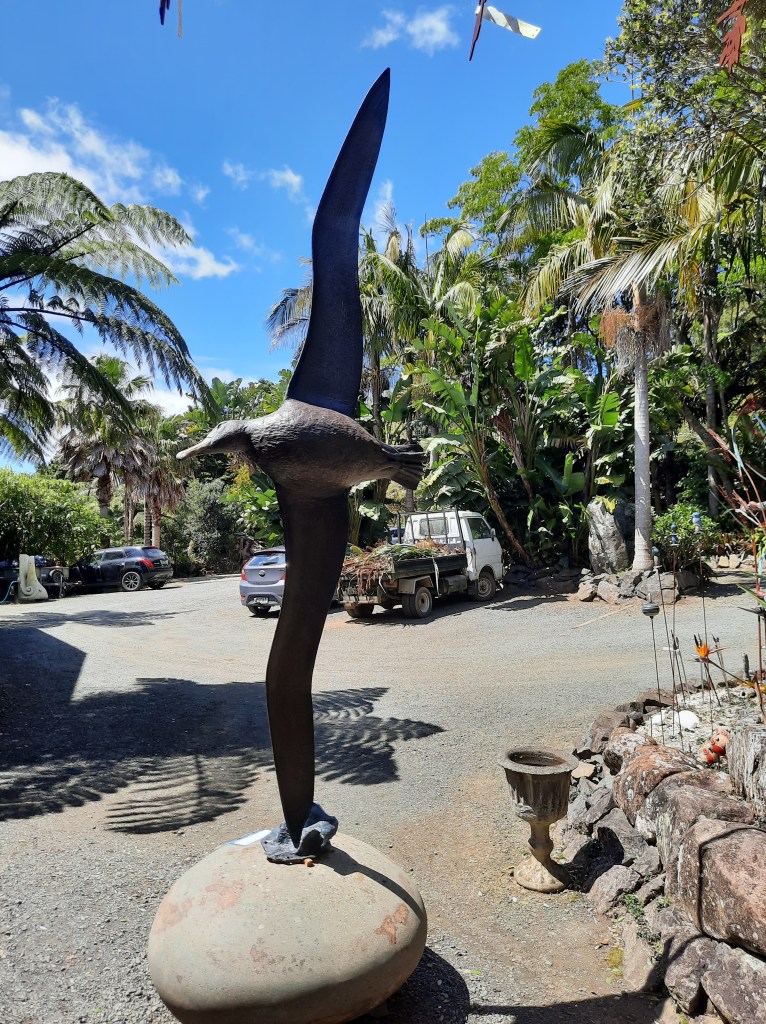
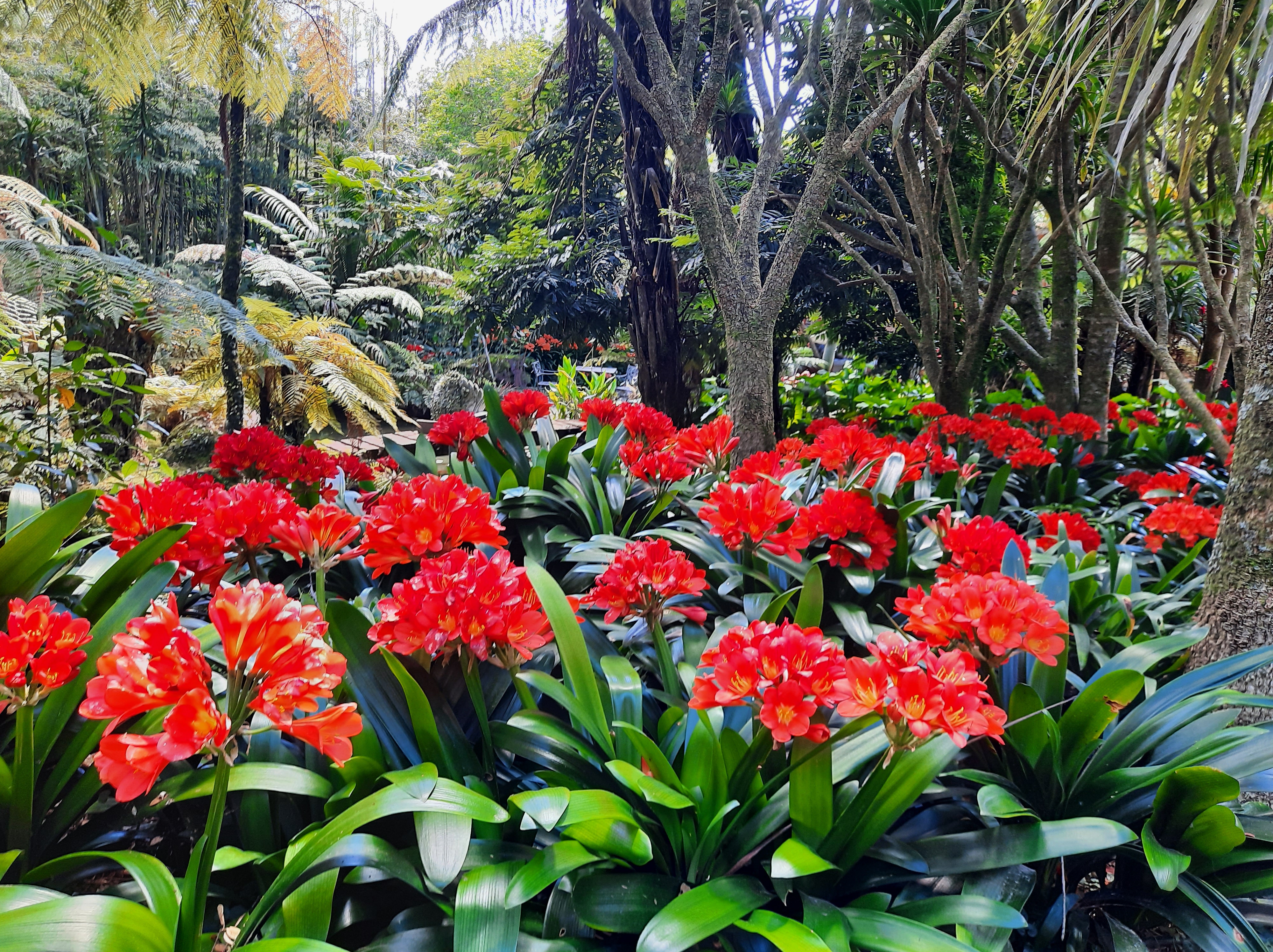
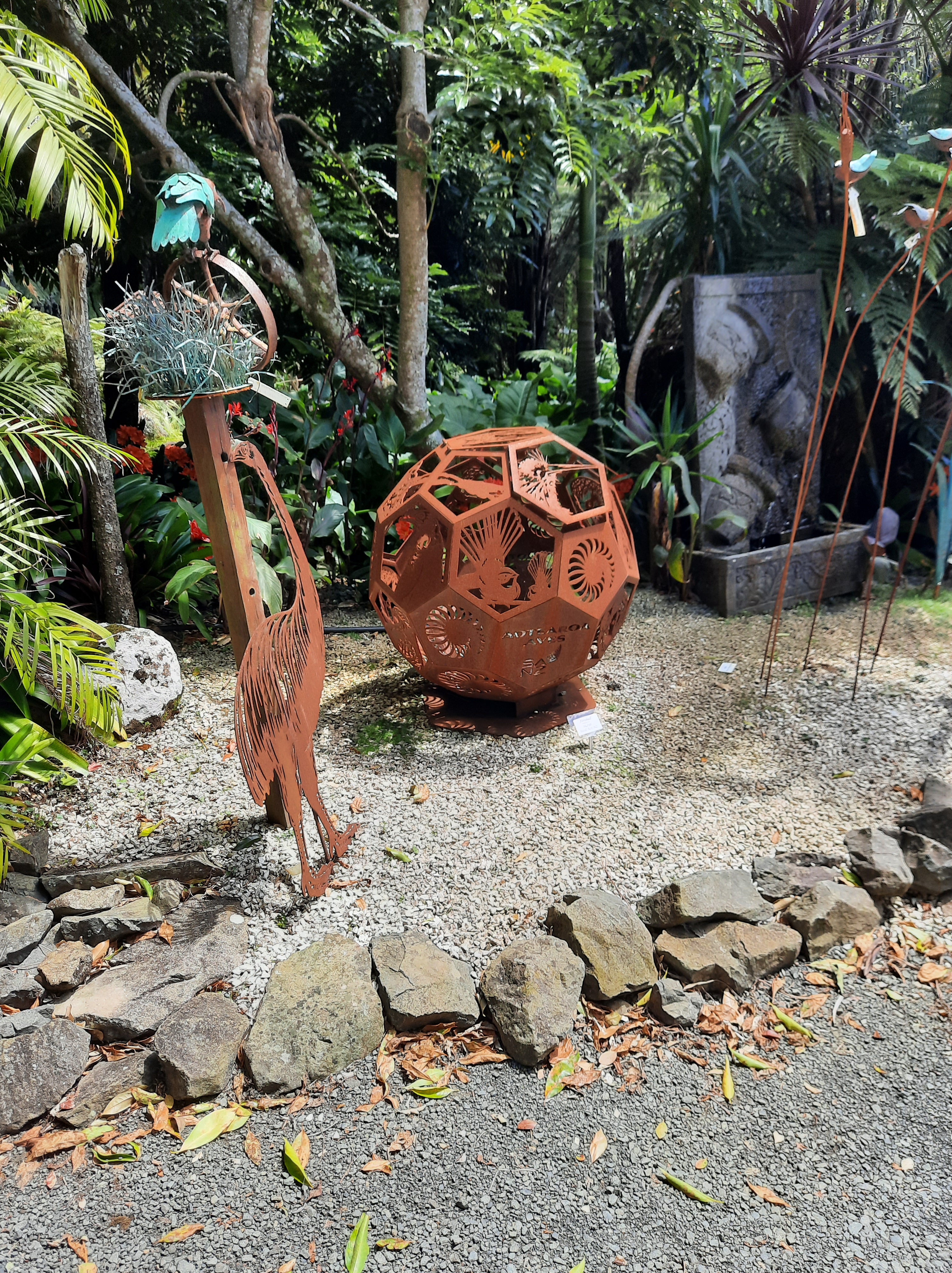
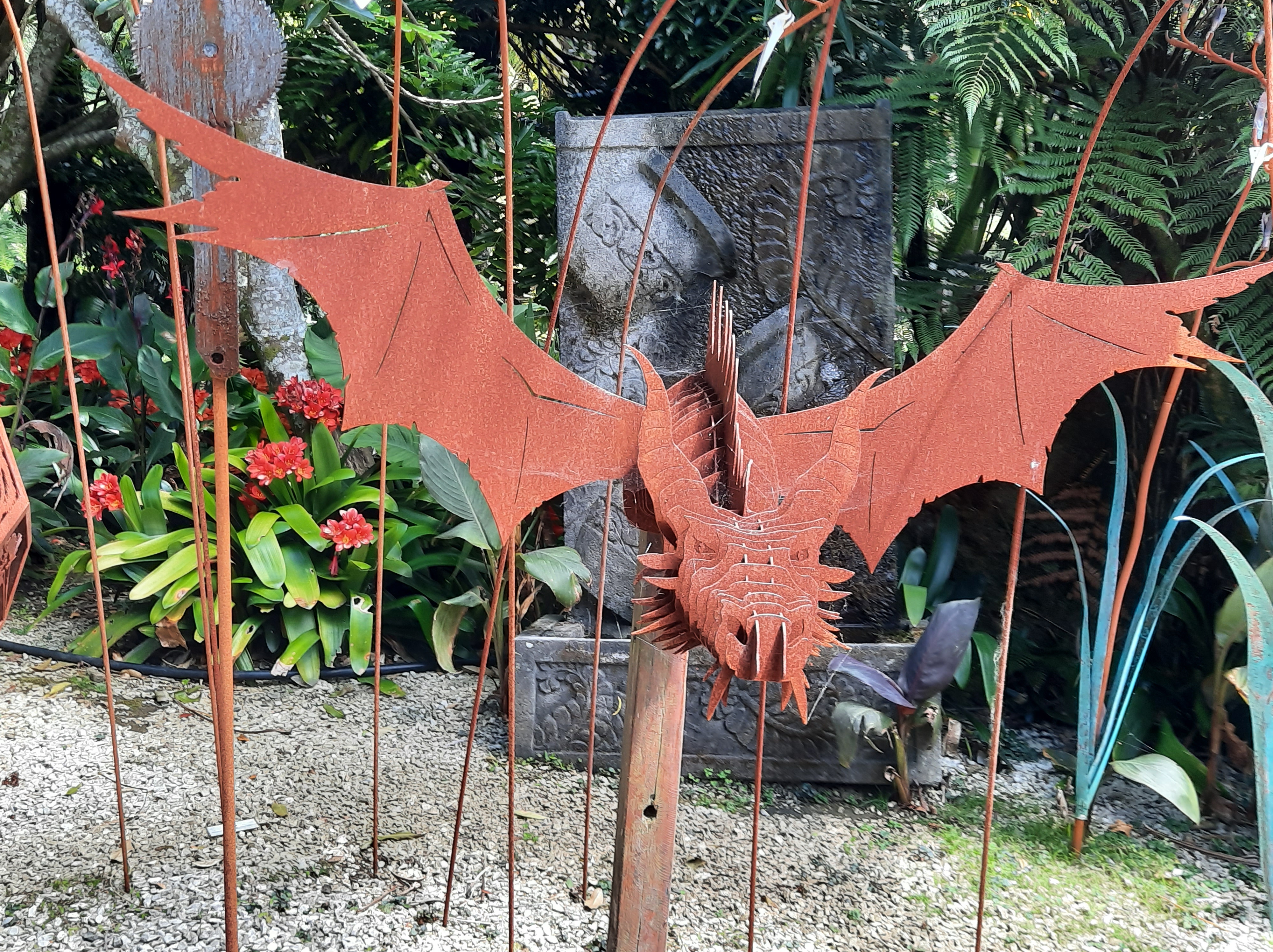
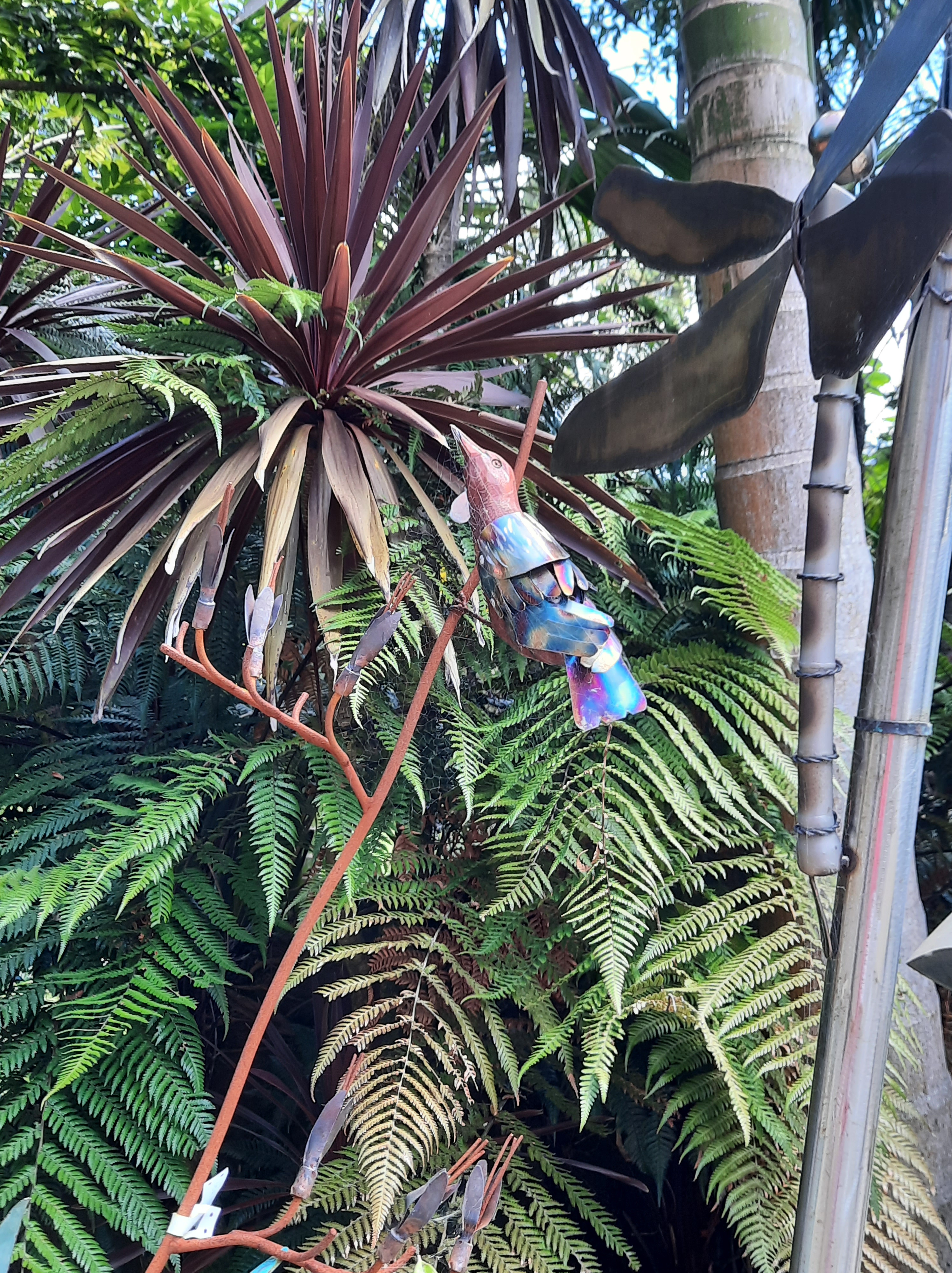
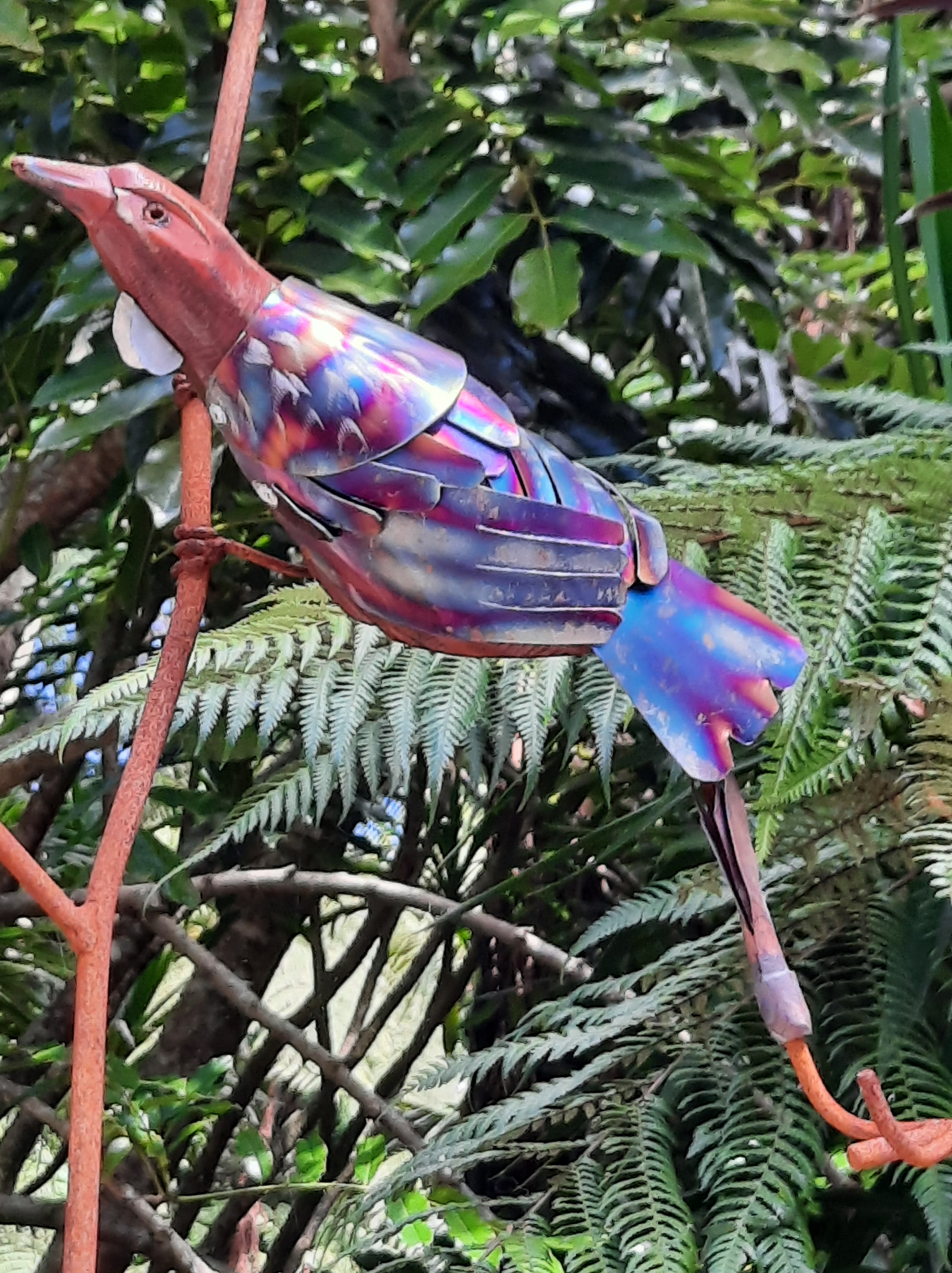
After Teal Bay we stopped at the art gallery at Helena Bay. Bruce’s sister Jan had told us we had to stop there, and we were not disappointed. The gardens were beautiful and full of metal art.

Inside the gallery we found prints for sale from our artist friend Shirley Cresswell.

Our next stop for the night was to be at the Whangaruru Motorcamp. The North Island is not so endowed with facilities for motorhomers as the South Island is. Therefore we carefully plan our stops so we can fill up with water, dump our black water, do our washing etc.

Whananaki

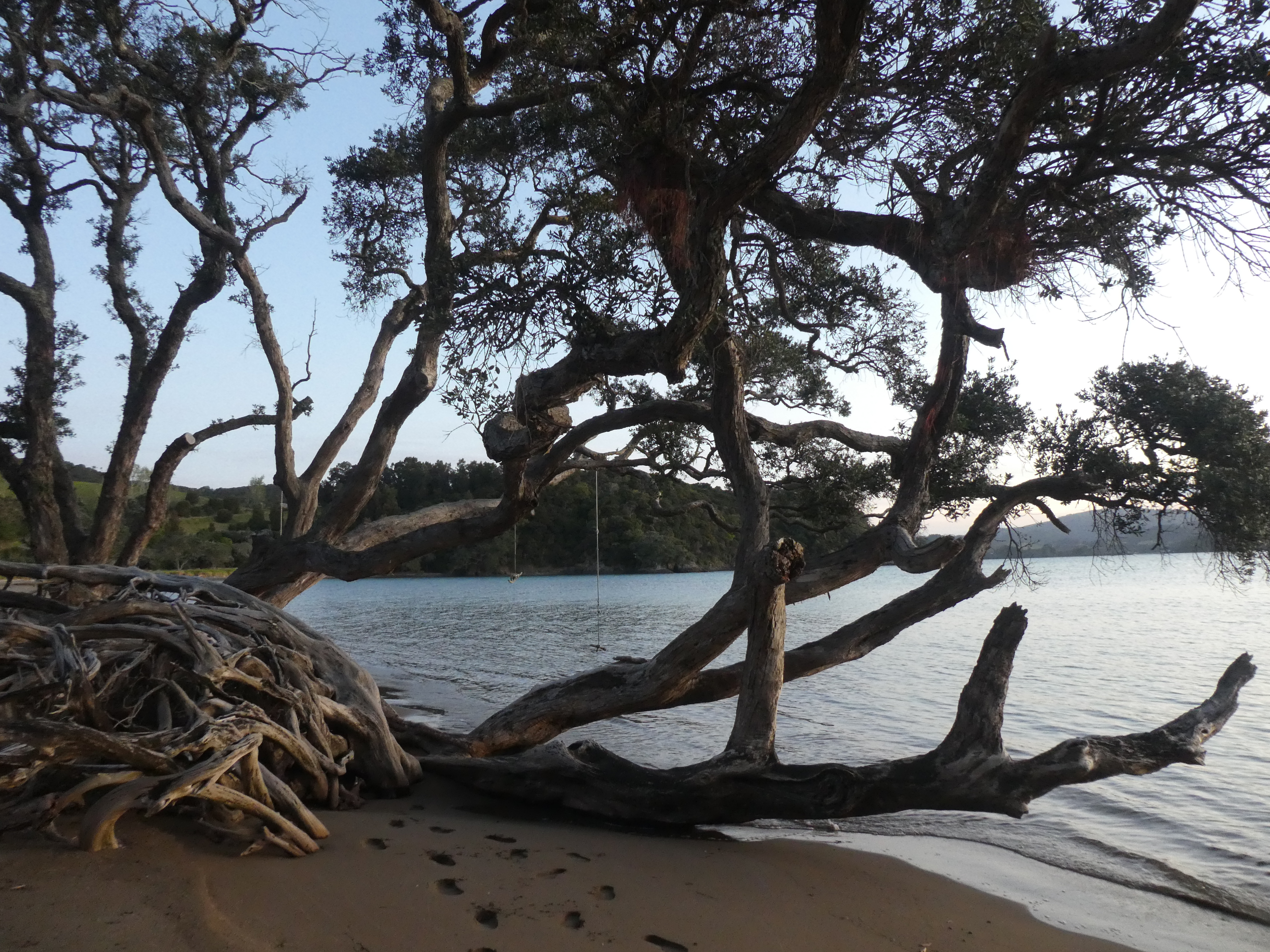
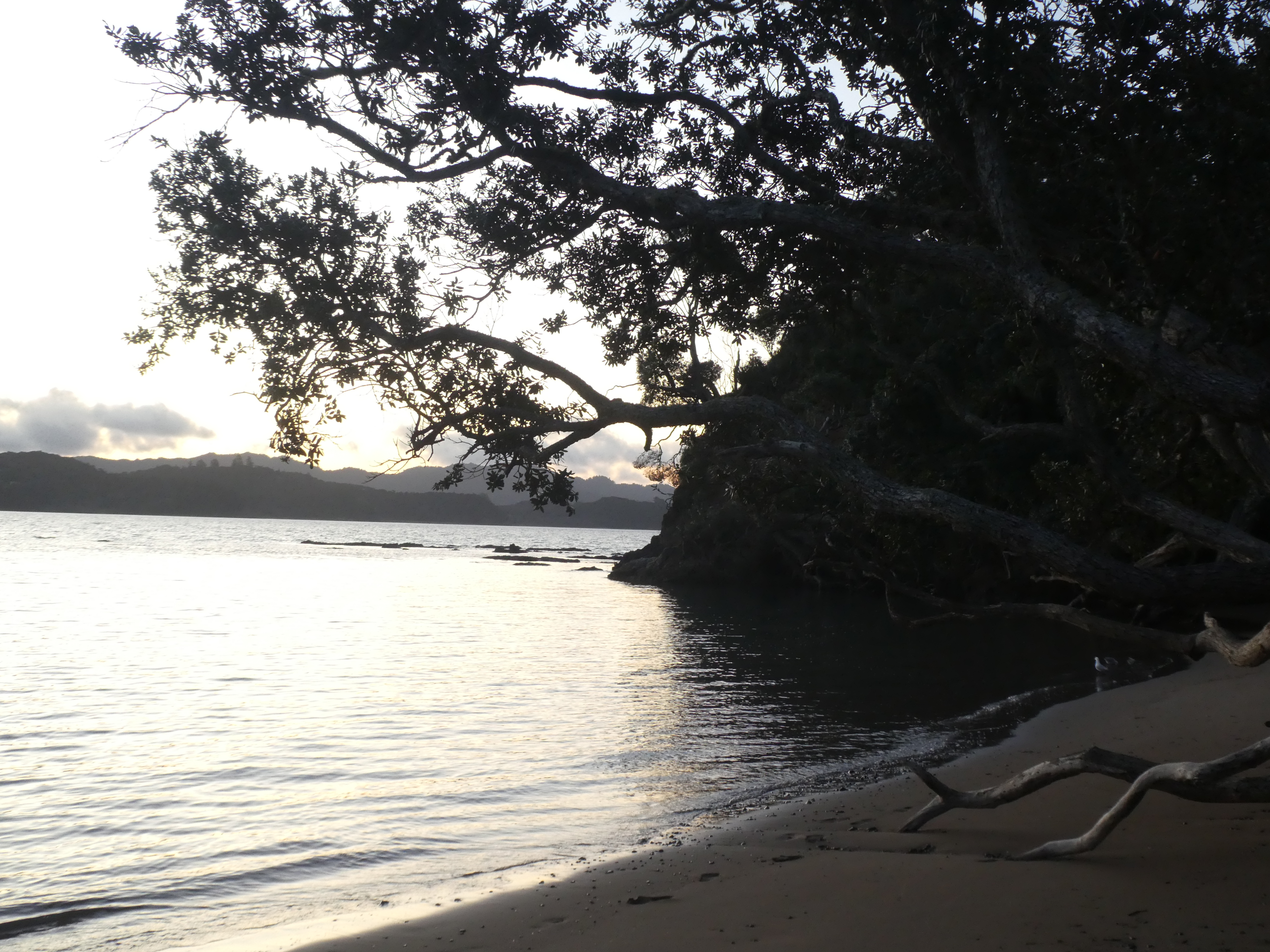
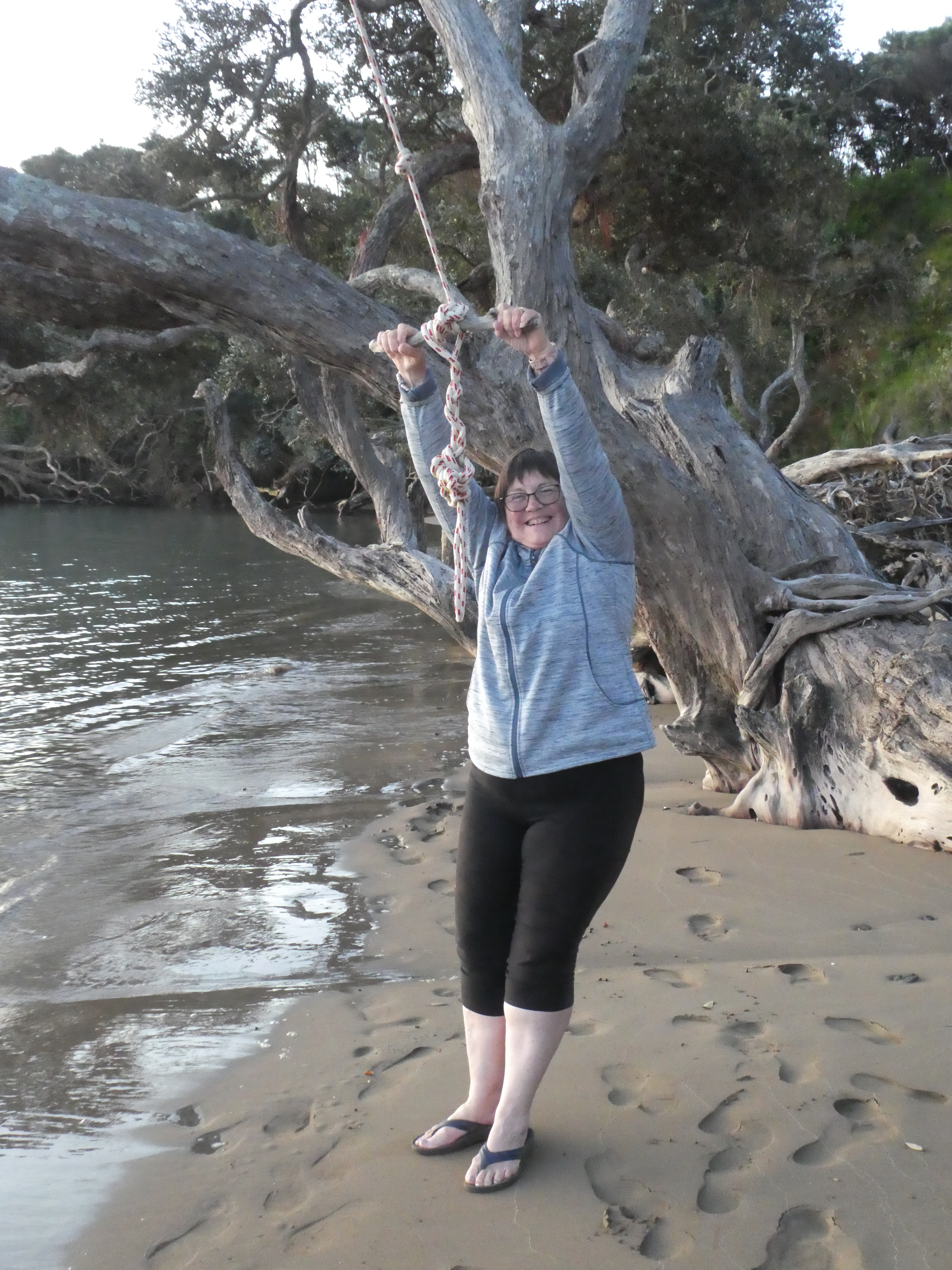
Kowharewa Bay was exquisite, but we were only allowed to park there one night, so unfortunately we had to move on.

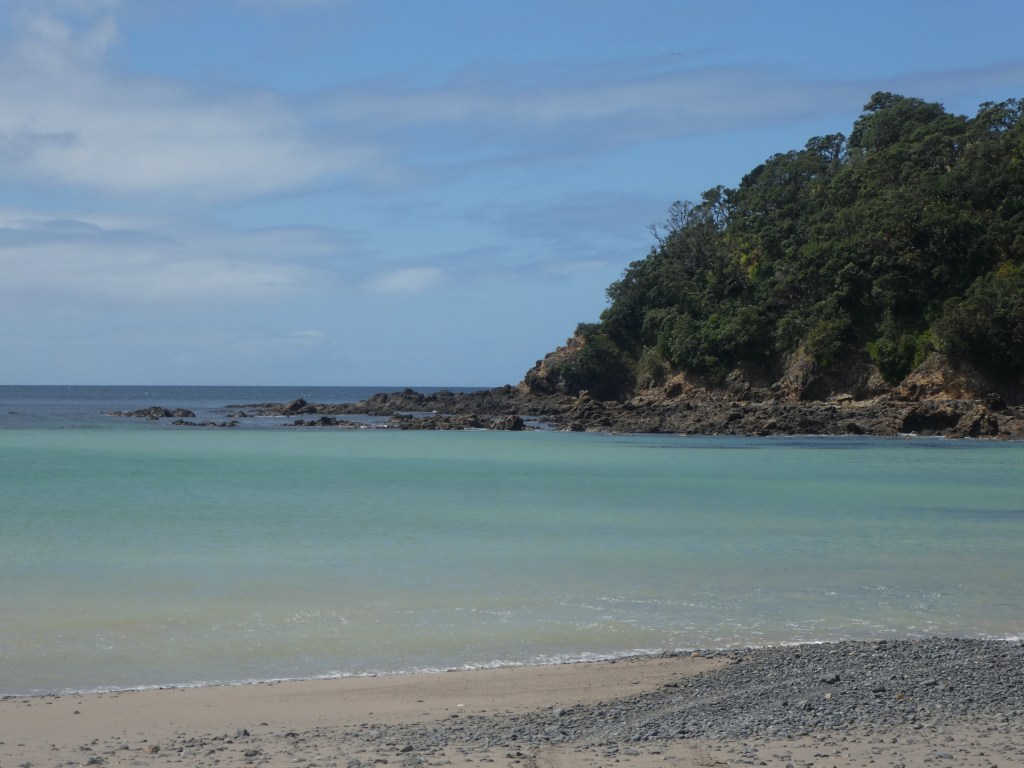
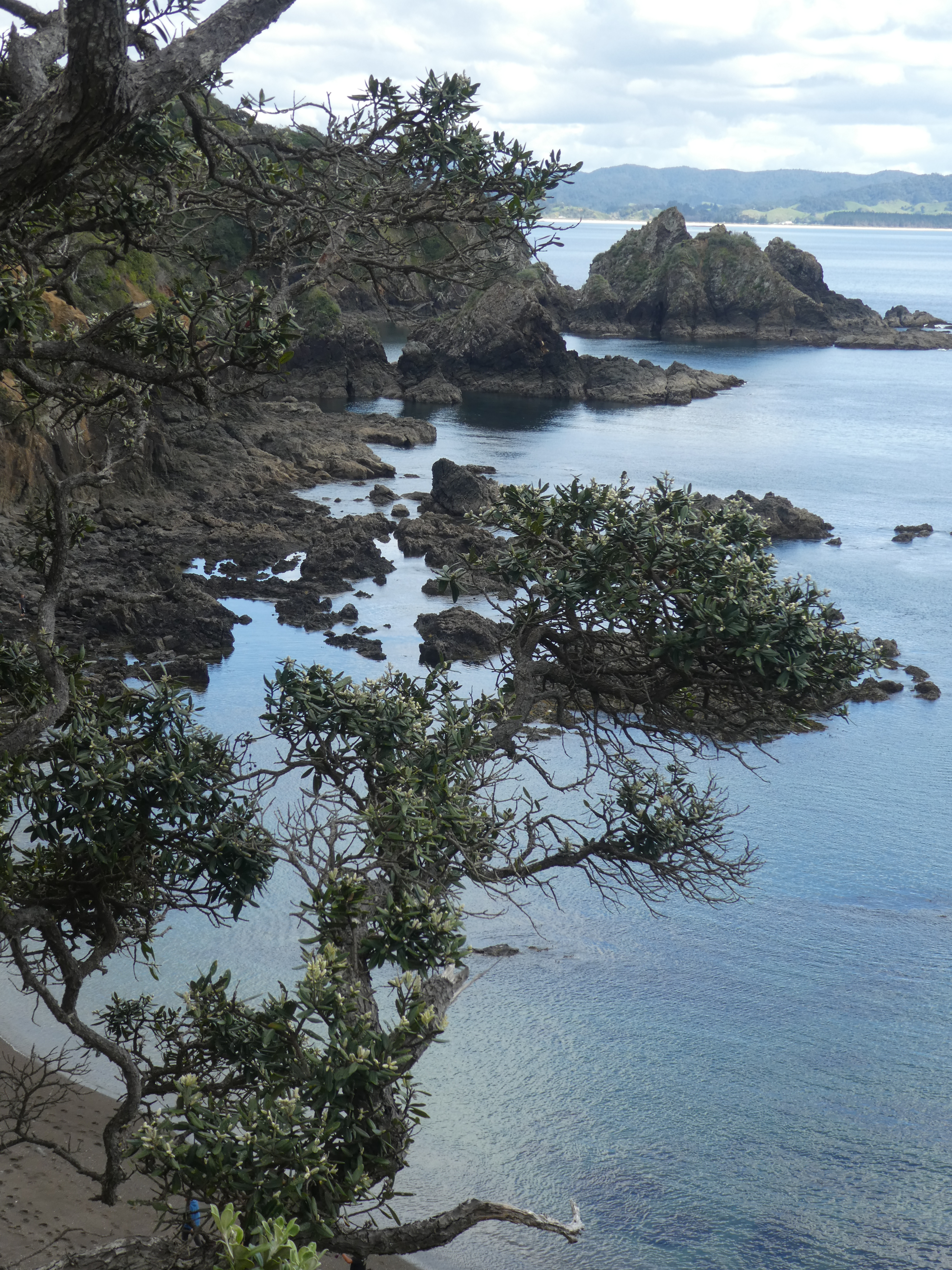
The next morning we decided to see the rest of the little penninsula, out to Wellington’s Bay (or Whangaumu). This was also a long sandy beach, and we had a good walk there before continuing along the coast. First port of call was Matapouri, and this beach was one of the most scenic we had been to.

It is a very popular Beach and the site of the Mermaid Pools. These are rock pools large enough for people to swim in. Unfortunately they are now off limits as visitors defiled and polluted them.

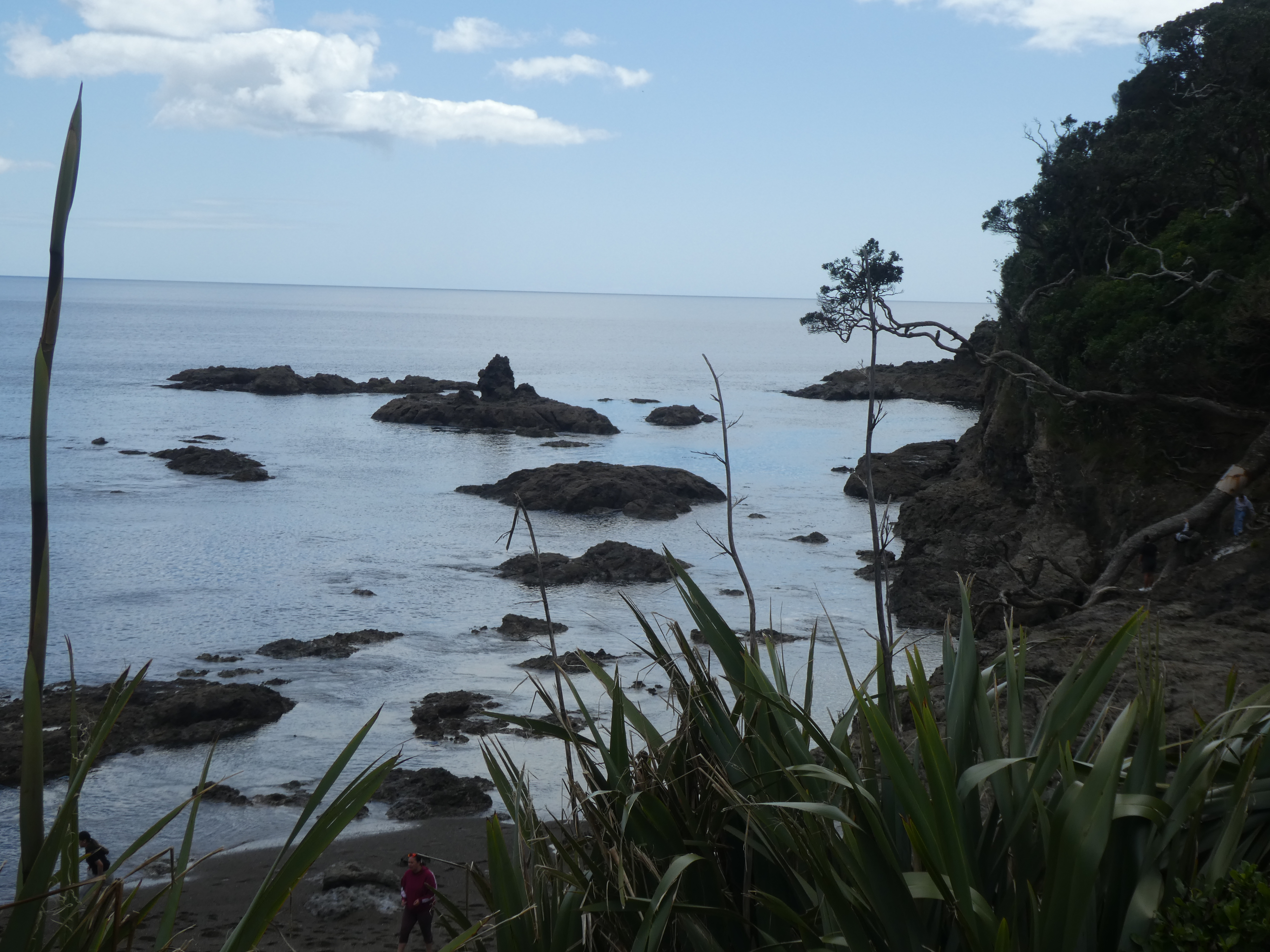
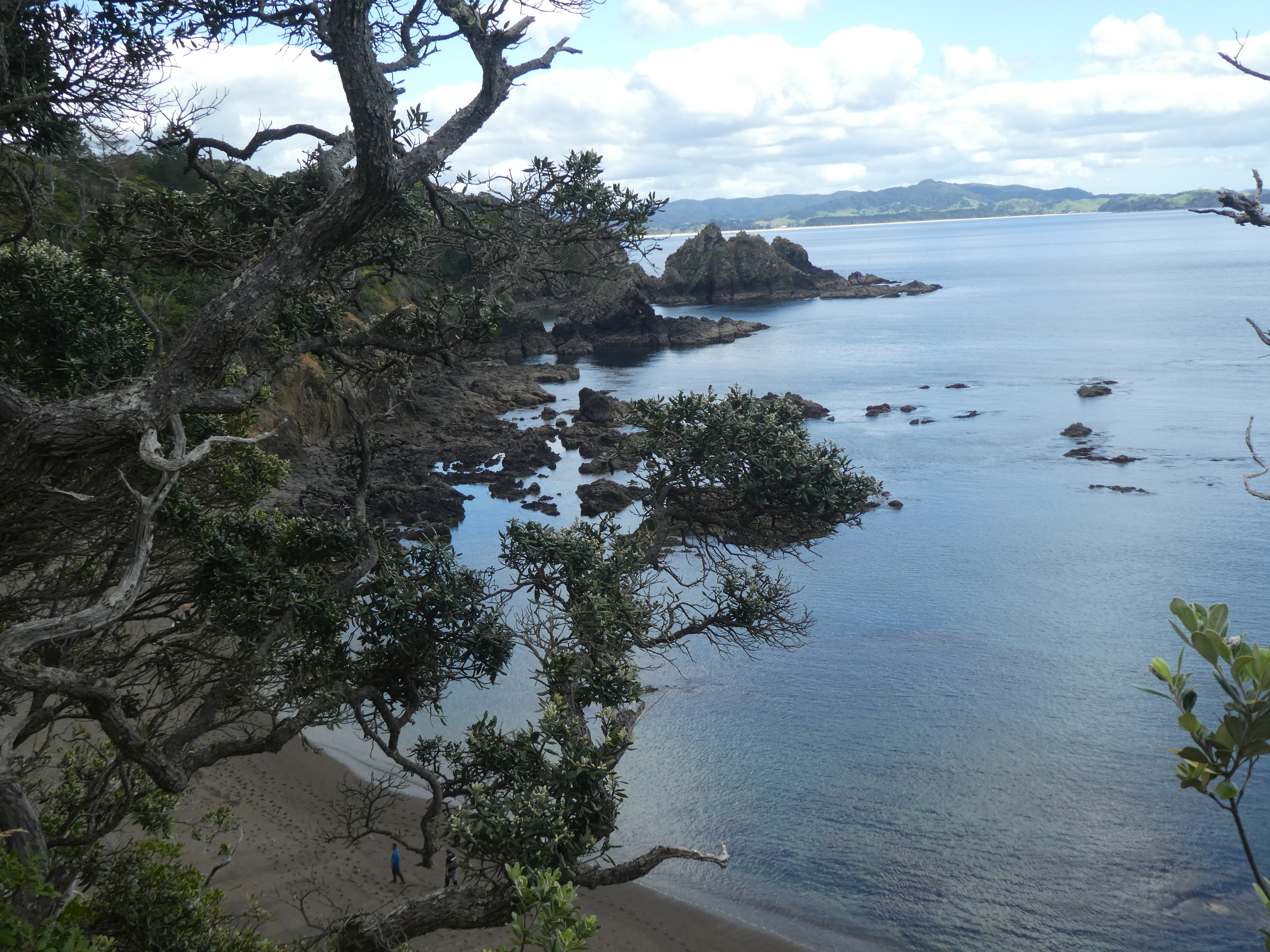
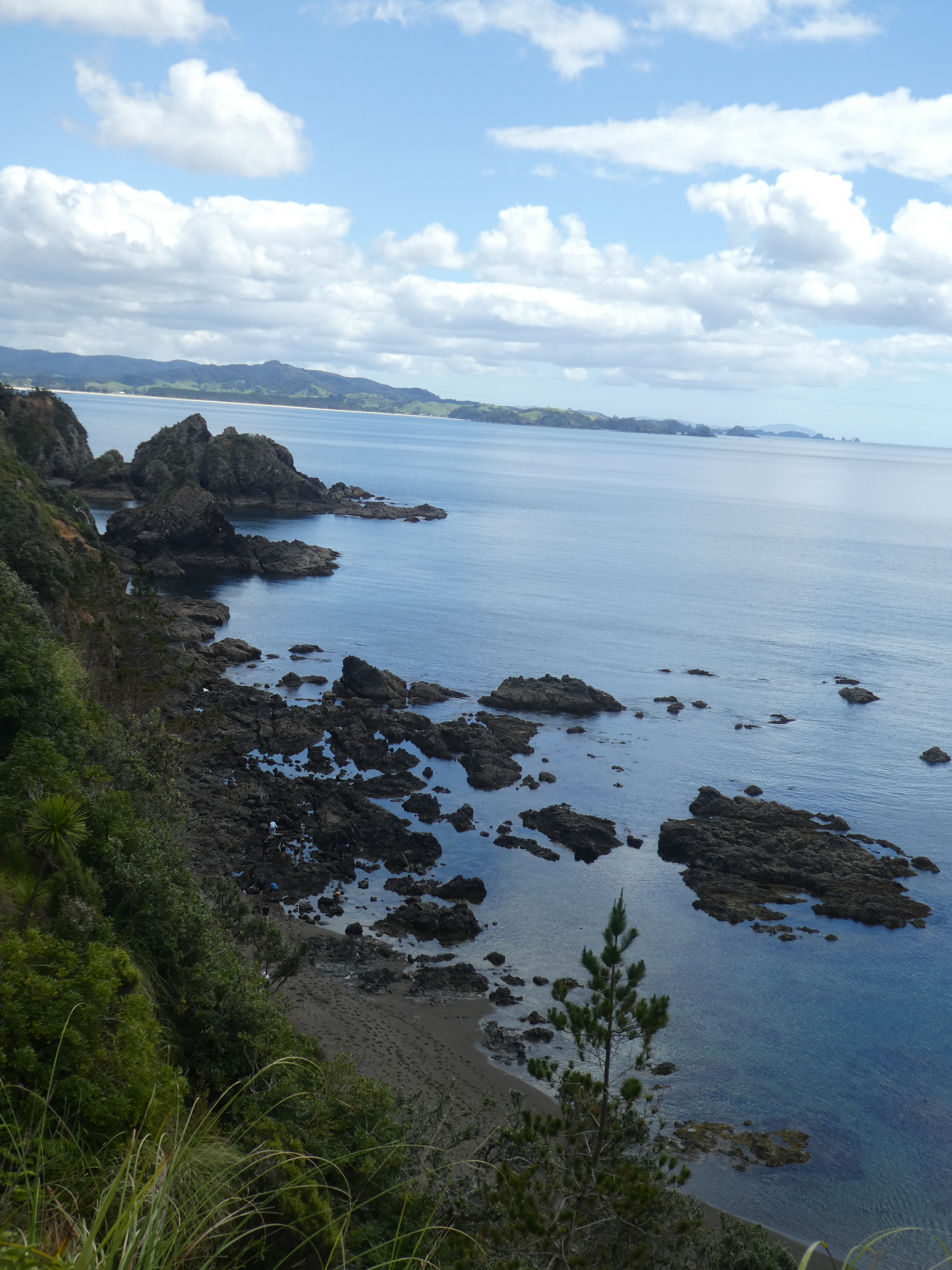
Near the end of the beach though is a walking track to Whale Bay, and we decided to see where it could lead. It was quite steep in places, and unfortunately a lot longer than we believed to was, meaning that our jandals were not appropriate footwear for completing the hike. We certainly enjoyed the views though.

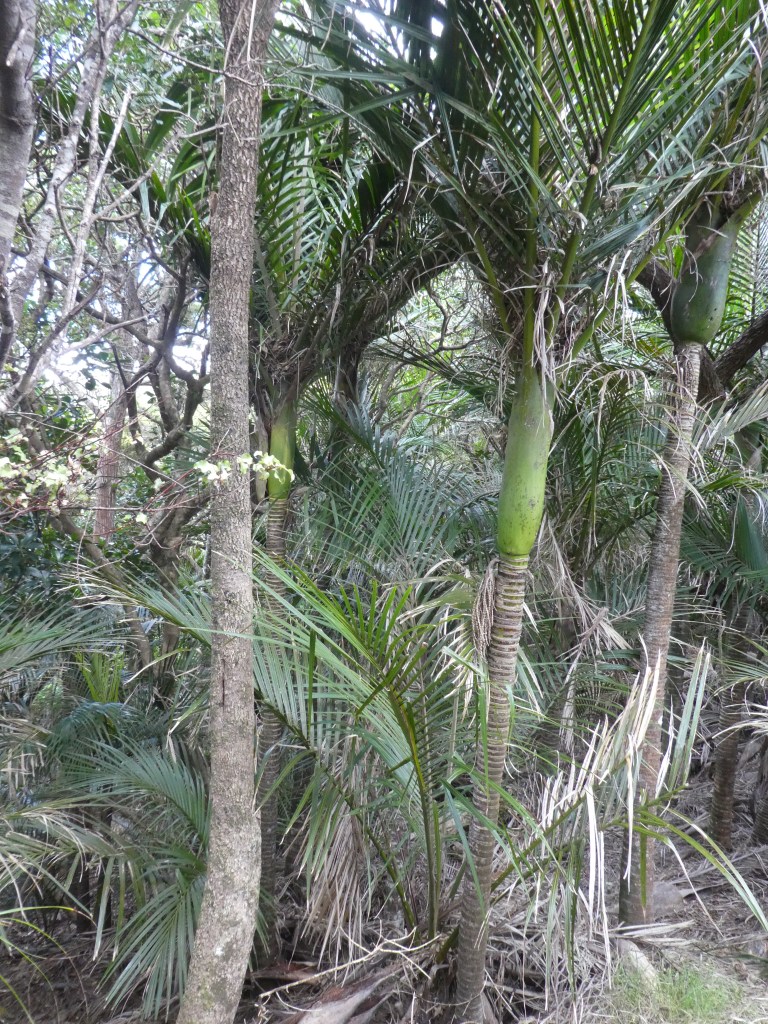
As we walked further the scraggy growth became more lush and tropical looking, with lots of Nikau palms

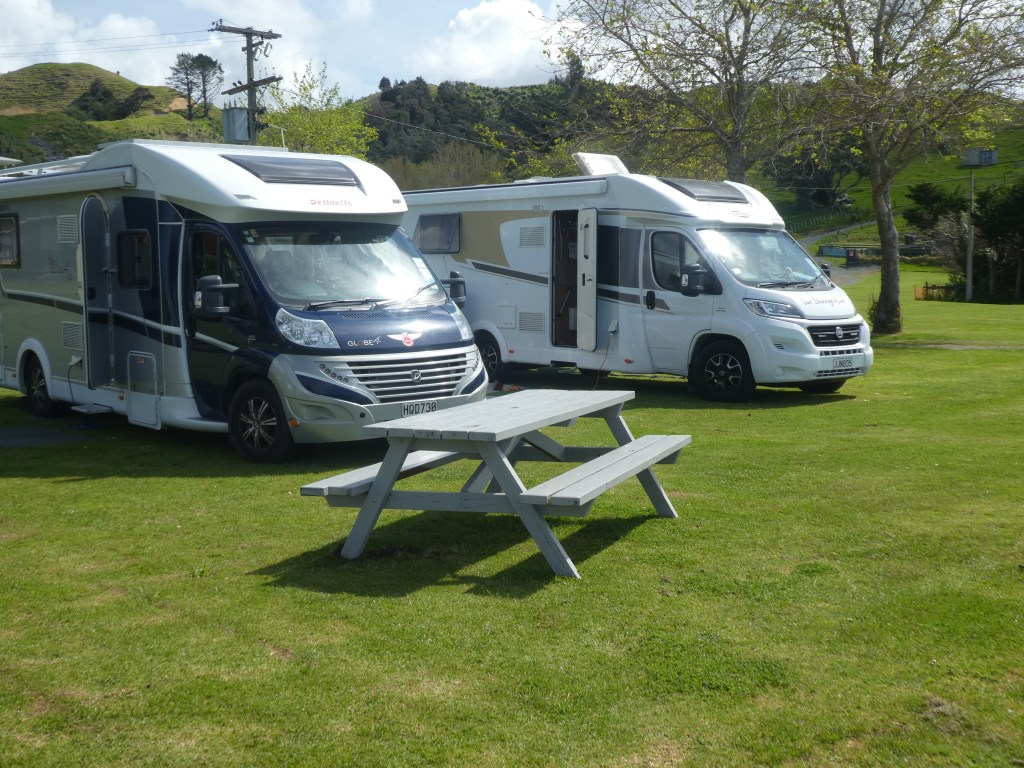
We then headed a bit further along the coast to Woolleys Bay and Sandy Bay. Both these beaches had small freedom camping areas, and while Woolley’s Bay was OK, Sandy Bay wasn’t, so we elected to keep travelling towards Whananaki. We stayed in the Whananaki Beach Front Holiday Park, because we needed a spot to do our washing, fill and empty the tanks etc. We only planned to stay here for one night.

The park was a bit rustic to say the least, and it is the first place in years where I had been greeted with clouds of cigarette smoke when I went in the office. Nevertheless, it was a magic spot.

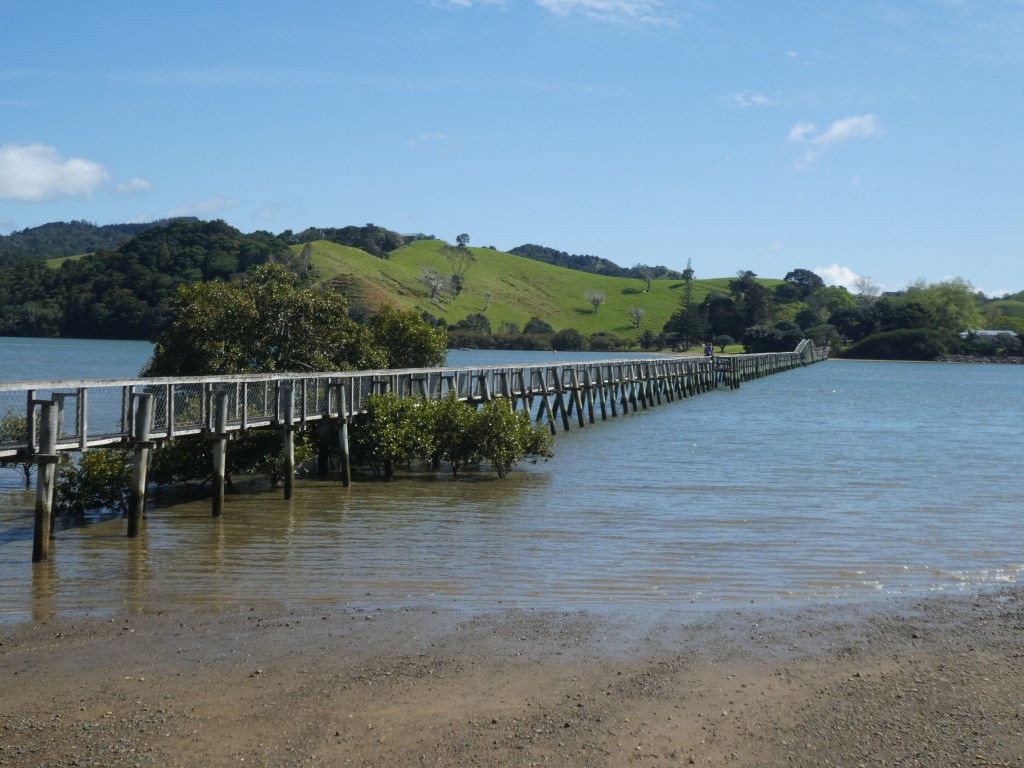
Whananaki is known for two things:

  1. It is the home of Winston Peters
  2. It is the site of the longest footbridge in New Zealand.

We decided to walk this bridge the next morning, and John decided that he was going to catch a bait fish off the bridge in the process.

Well, walking the bridge was fine, but it certainly was a bit ricketty in places. Catching the bait fish did not go so well. We could see reasonable sized fish in the water, but they were not the slightest bit interested in John’s lures. Never mind, we had fun anyway.

Kowharewa Bay

We had a wonderful stay with Kay and Richard, but it was time to hit the road again. First stop was the Waipu Golf Club. Kay had told us all about this place, and ther wonderful doughnuts they have – she wasn’t wrong!. It was a very picturesque place for a golf course, and the coffee and doughnuts were fantastic!
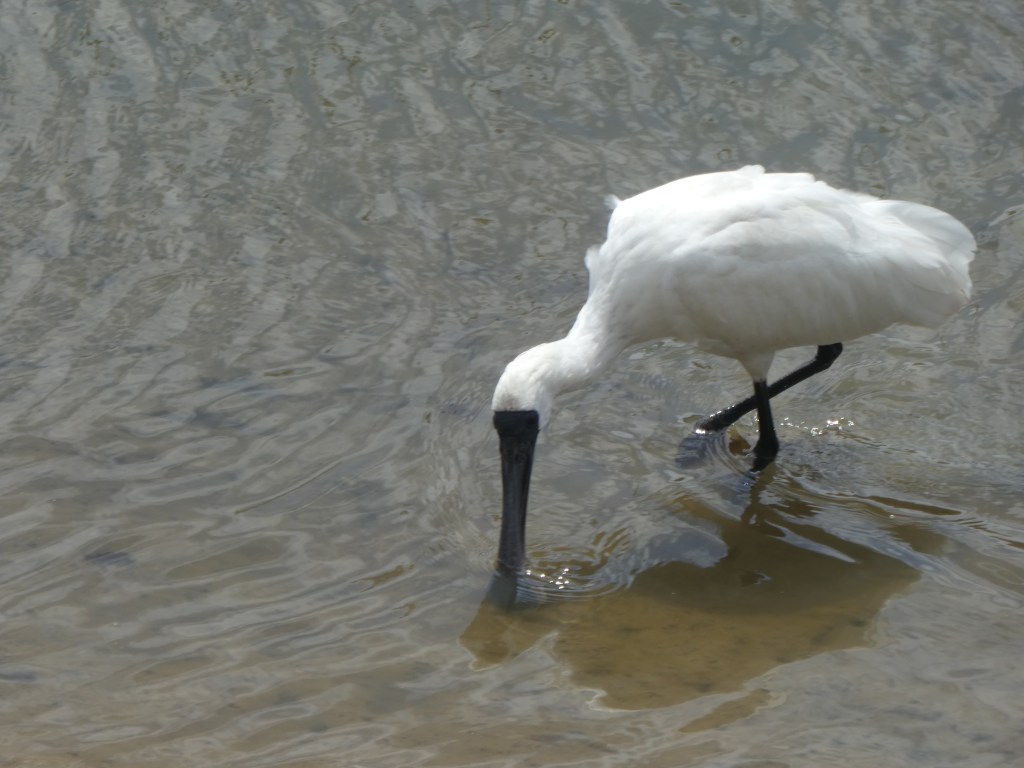
Feeling full, we headed onwards back to the waterfront in Whangarei to see the Rolling Ball Clock again. Kay told us we needed to be there at 1pm, when all the balls reset. We had a bit of time to kill before that so enjoyed a stroll and seeing the local birdlife – a Spoonbill was sifting through the mud for food just a few metres away from us.
Just a short distance on from that, a thrush was sitting in her nest, with baby birds, in the middle of a Nikau palm.

We then sat beside the ball clock and waited but it all happened so fast I didn’t manage to get a photo! Next on the agenda was a drive through Ngunguru to check out Dad’s old places. They actually still look much the same.

Ngunguru is the last place for some distance to empty our tanks, so we took advantage of the opportunity, and then headed over the hill to Tutukaka. This township remains much as I remember it – very picturesque, and quite affluent.

We carried on over the hill and found the most beautiful freedom camp for the night – right next to the sea. Bruce and I decided to try a little fishing, and I managed to catch a baby kahawai which became our bait for future expeditions. Unfortunately, I couldn’t convert it to anything larger.

Waipu Caves

This morning we have been joined by our friends Tina and John from Front Beach, and after a cup of coffee with Kay and Richard we decided to head off to explore the Waipu Caves. None of us had been there before.

The caves that we went to are part of a Farm Park, and cave tours are a new initiative for them – they only started doing the tours in February of this year. The lovely Nina was our guide, and she was very knowledgeable. We had all been through other caves before but Nina was able to share information that we had not heard before. She was also happy to let us meander at our own pace.

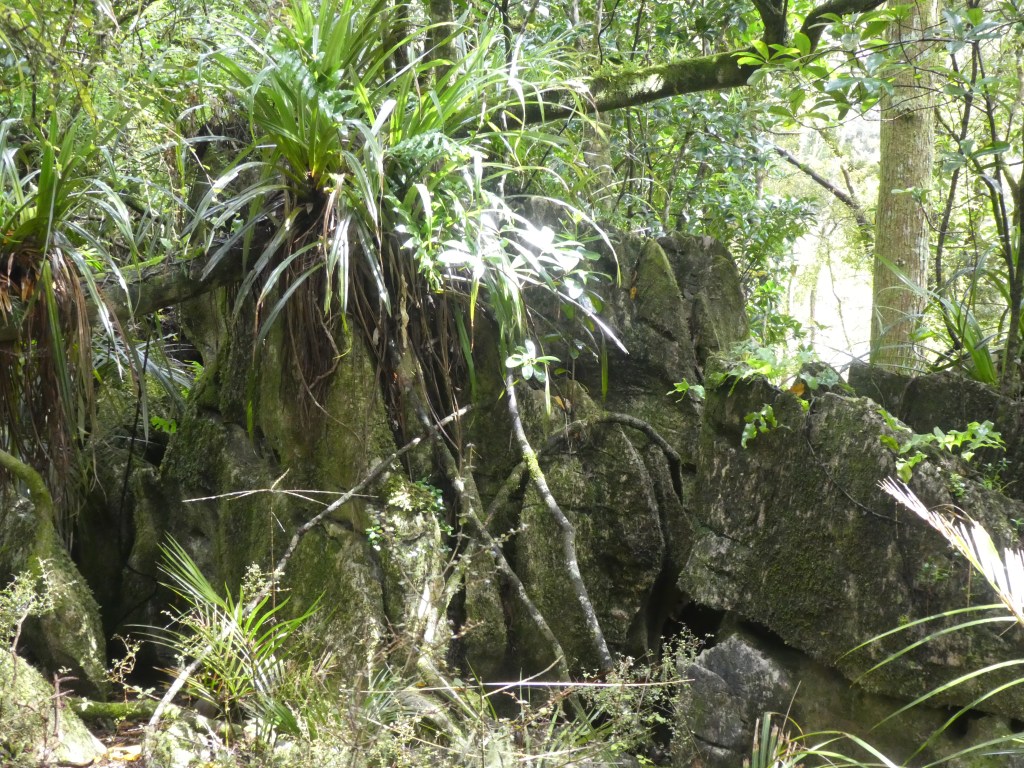
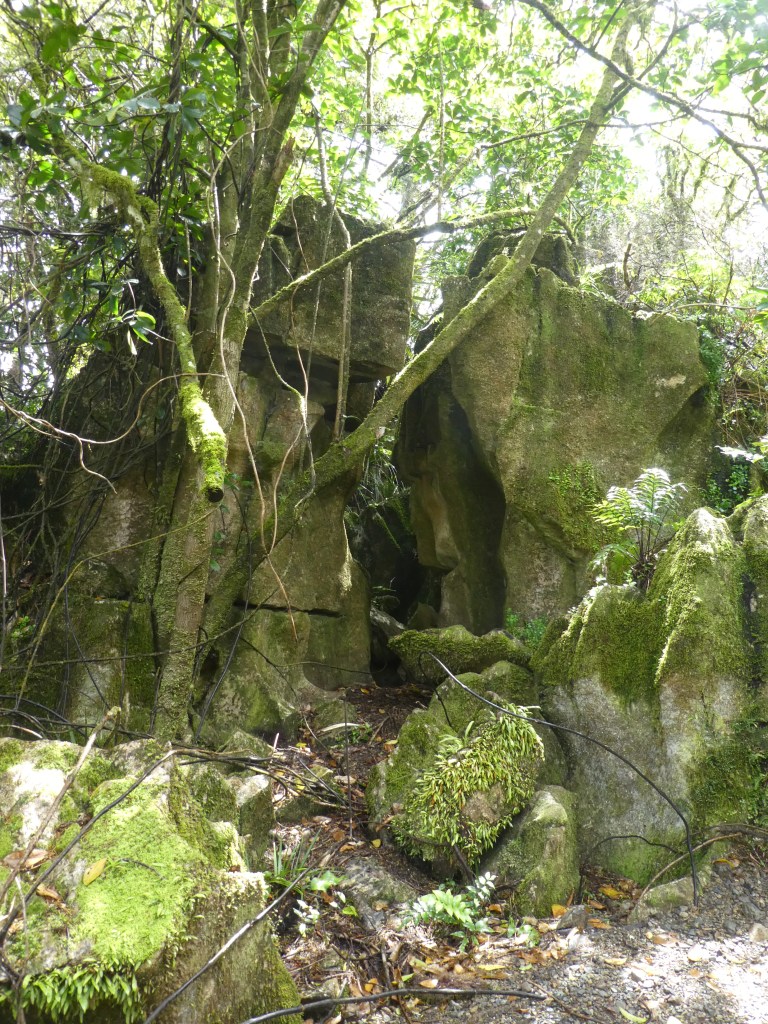
The rock formations and bush leading up to the cave entrance were stunning.

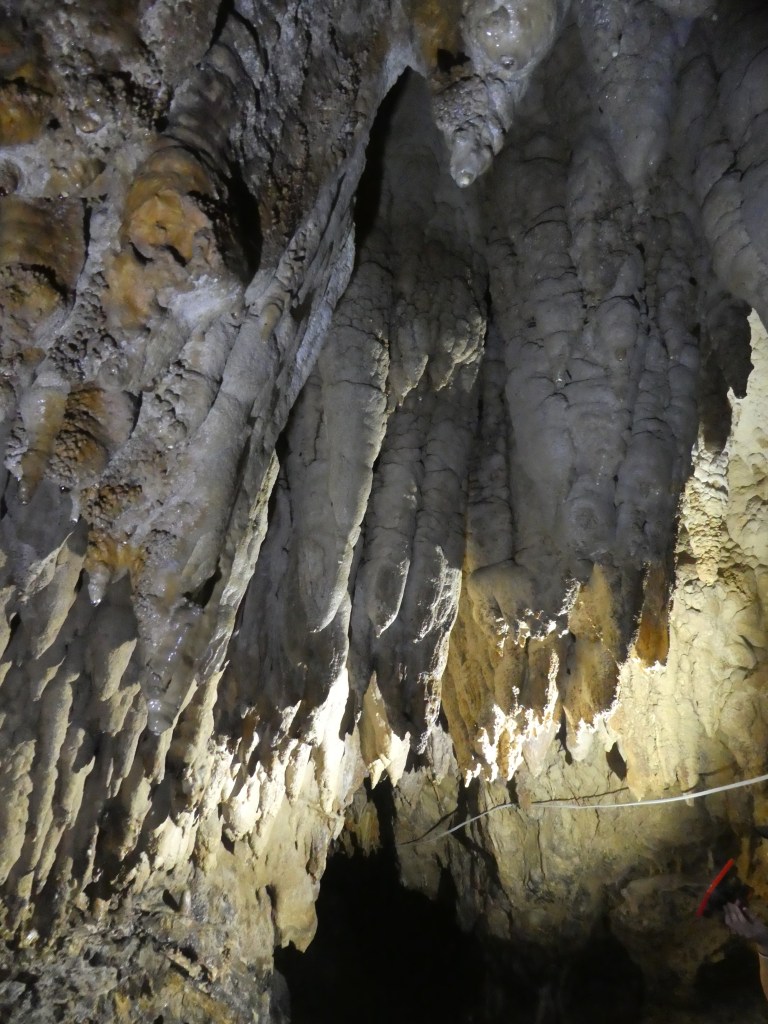
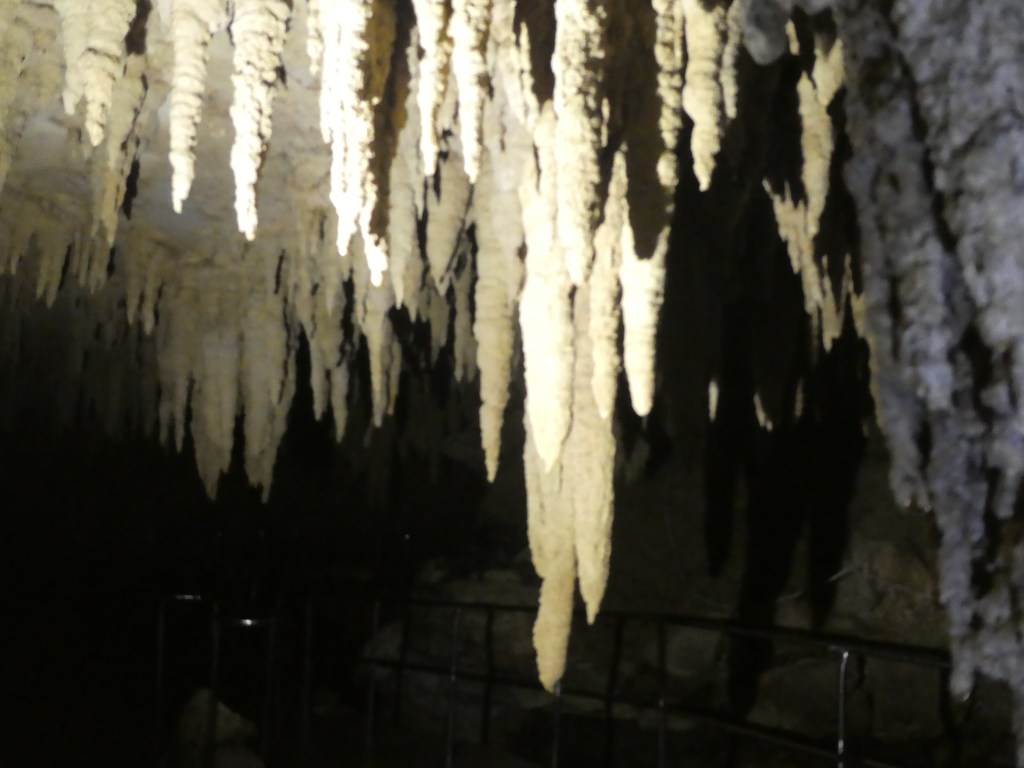
The cave system was quite large and easy to access. The Farm Park had laid concrete paths throughout so we didn’t get wet feet, and they were well organised with torches for each of us. From the moment we entered the cave we were greeted with hundreds of stalactites.

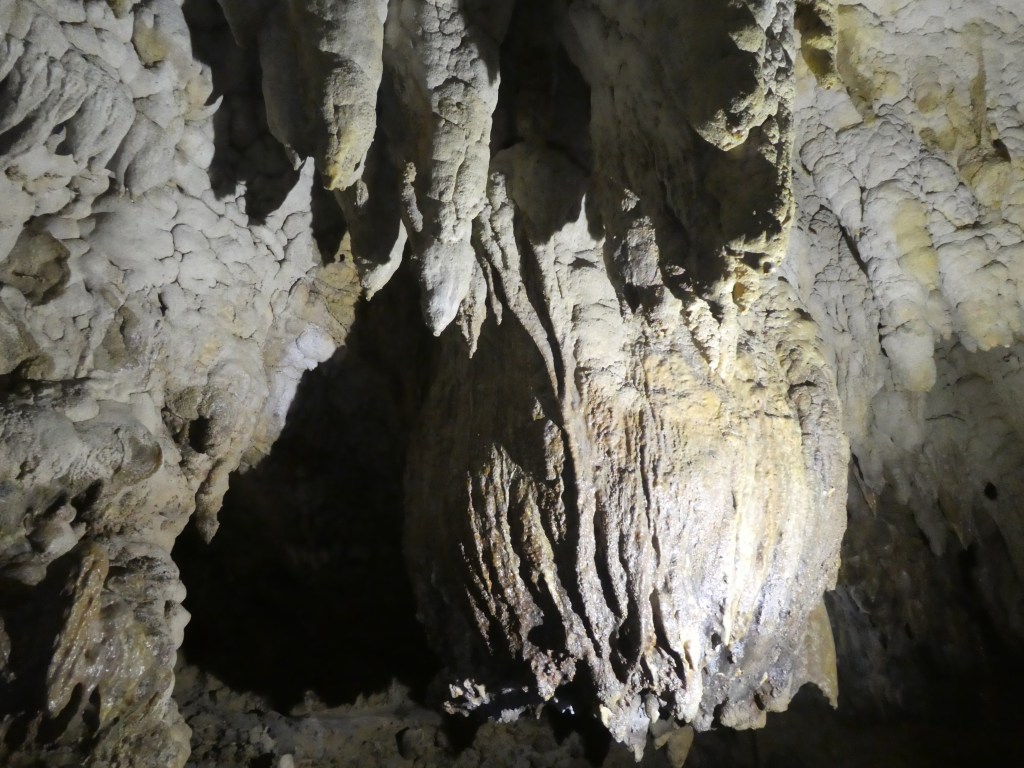
There were also big flow forms (the more bulbous looking outcrops made by water leaking over the surface of the limestone instead of through a “straw” that forms stallectites).

We spent about an hour ambling through the caves, and the last part of that was with our lights either turned off or covered up, which enabled us to see the myriad of glow worms on the ceiling of the cave system. Nina was able to tell us a lot about glow worms, how they feed, and how they use the byproducts of that food to provide an enzyme that they use to create the light in their “tails”.

It was a lovely way to spend part of an afternoon, and we would recommend others to experience the tour.

Exploring the bays around Whangarei

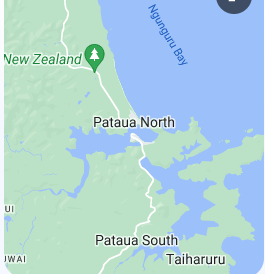
We left Bob and Jean this am. They had to head into town to get some new tyres, and Bruce wanted to show me Pataua South, and the footbridge across to Pataua North.

The drive out past Parua Bay was quite leisurely as the road was pretty windy. The farmland out here looked beautiful with rolling hills and the greenest of grass, but I imagine in the summer it will be quite different.

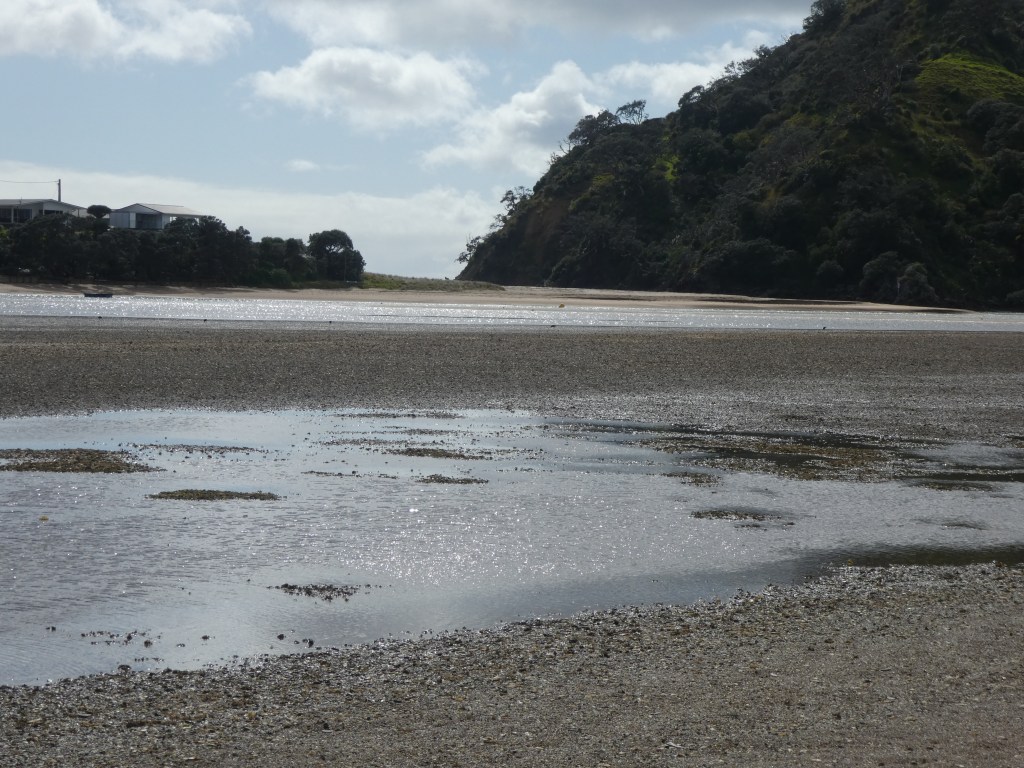
Pataua South was at the end of the road and was a quaint little settlement on the banks of an estuary. Many timber groynes had been built there but it was hard to say whether or not they had been successful. There was lots of sand though and evidence of shellfish beds.

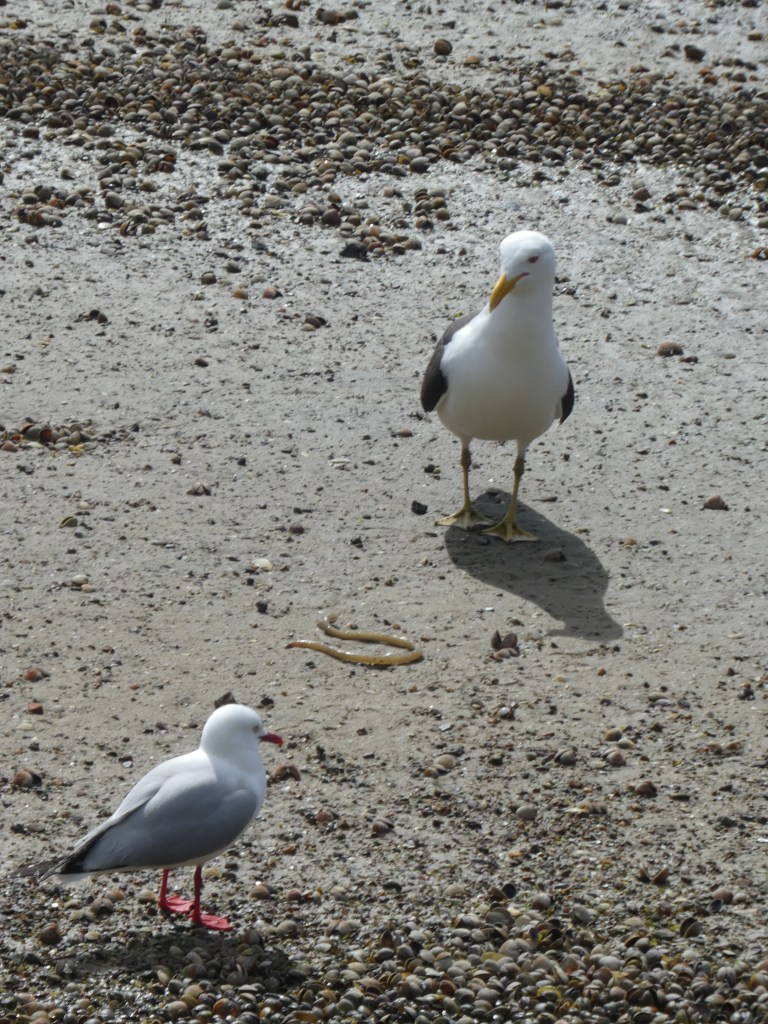
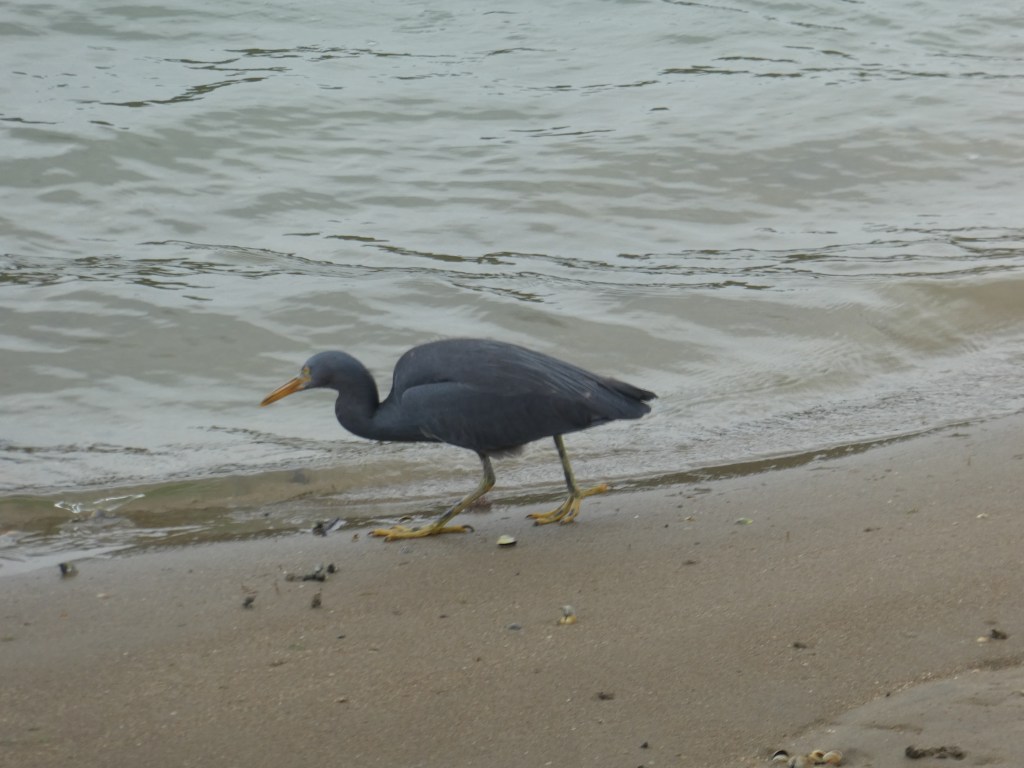
A group of gulls (both red billed and black backed) were having a squabble over what looked like a small sea snake, that was still very much alive. A blue heron was hovering very close by in case there was a chance that he could nab it as well.

We went for a walk across the foot bridge, and along a bit until we found the access to the ocean beach at Pataua North.

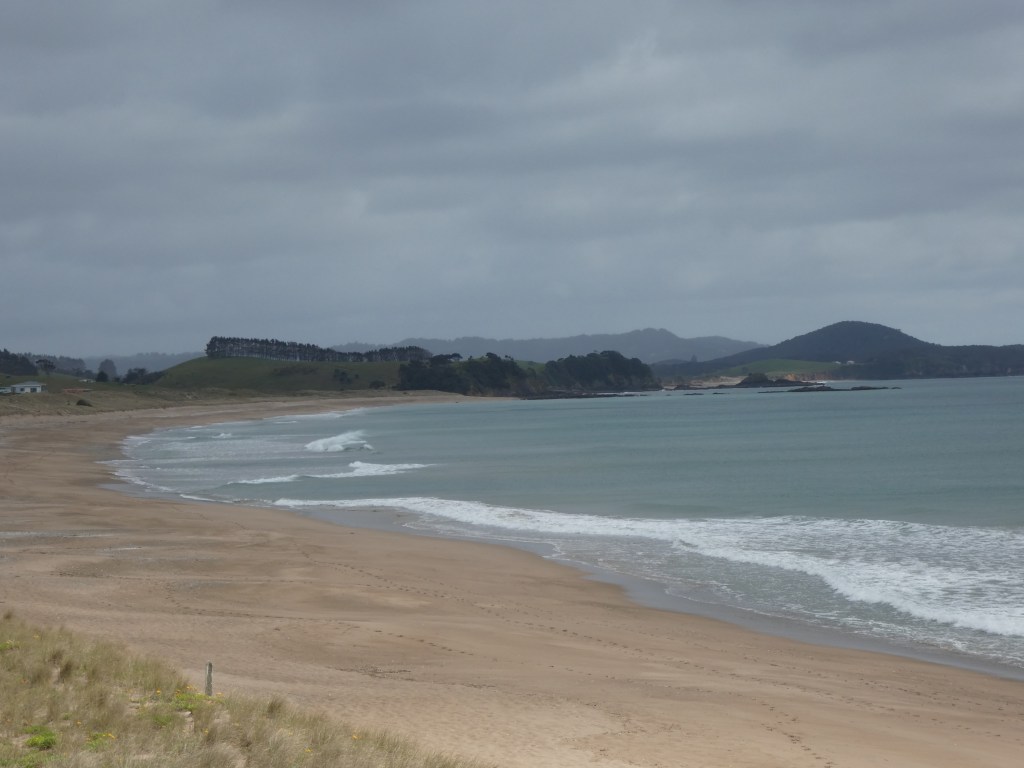
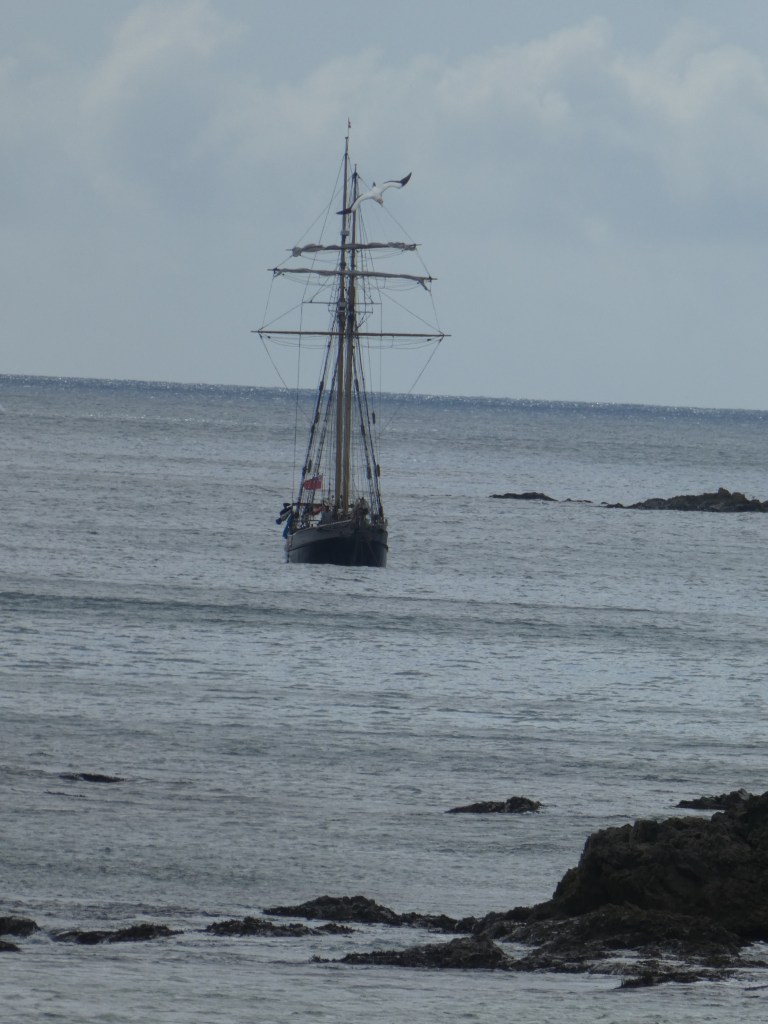
The beach was deserted – a wide expanse of soft, but coarse sand. At the mouth of the estuary was a rocky point and just beyond it we could see a tall ship at anchor. We couldn’t tell what bay it was off, or how you might get closer to it so we had to be content with distant views.

We walked around the point on the beach itself, rather than the walkway, and although a pleasant walk it was hard going at times with the soft sand and some cold wind gusts. We had a quick lunch in the van before we headed off again and this time took a side road to Mc Gregors Bay. The road there was sealed all the way, but again, a bit narrow and windy.

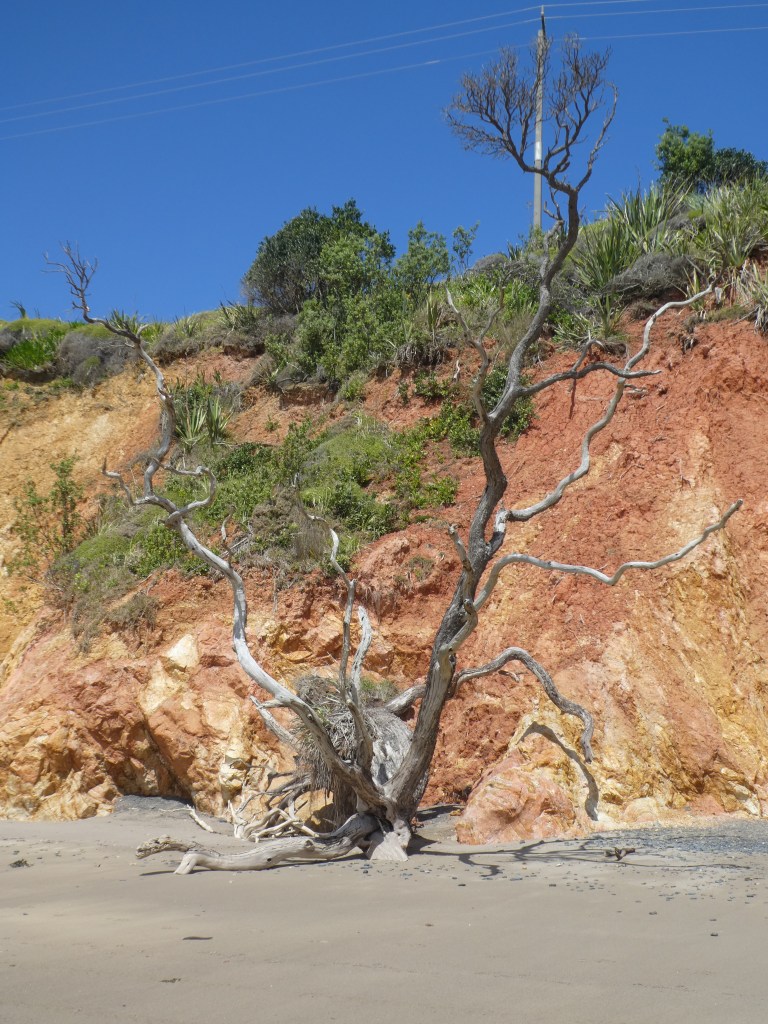
McGregors Bay was a charming spot, but there was evidence here of cyclone damage / erosion.

It looked to be a very exclusive little settlement though, and some of the houses here were pretty big and expensive looking. There were rocks at the end of the beach which we were informed were supposed to have rock pools, but we couldn’t find much here, and the rocks were also pretty slippery.

We headed back to Whangarei and had a quick look at my Dad’s old place in Onerahi. It was disappointing to see how unkempt it was looking, We still had a bit of time on our hands before we were due back in Waipu, so we headed to Whangarei Falls.

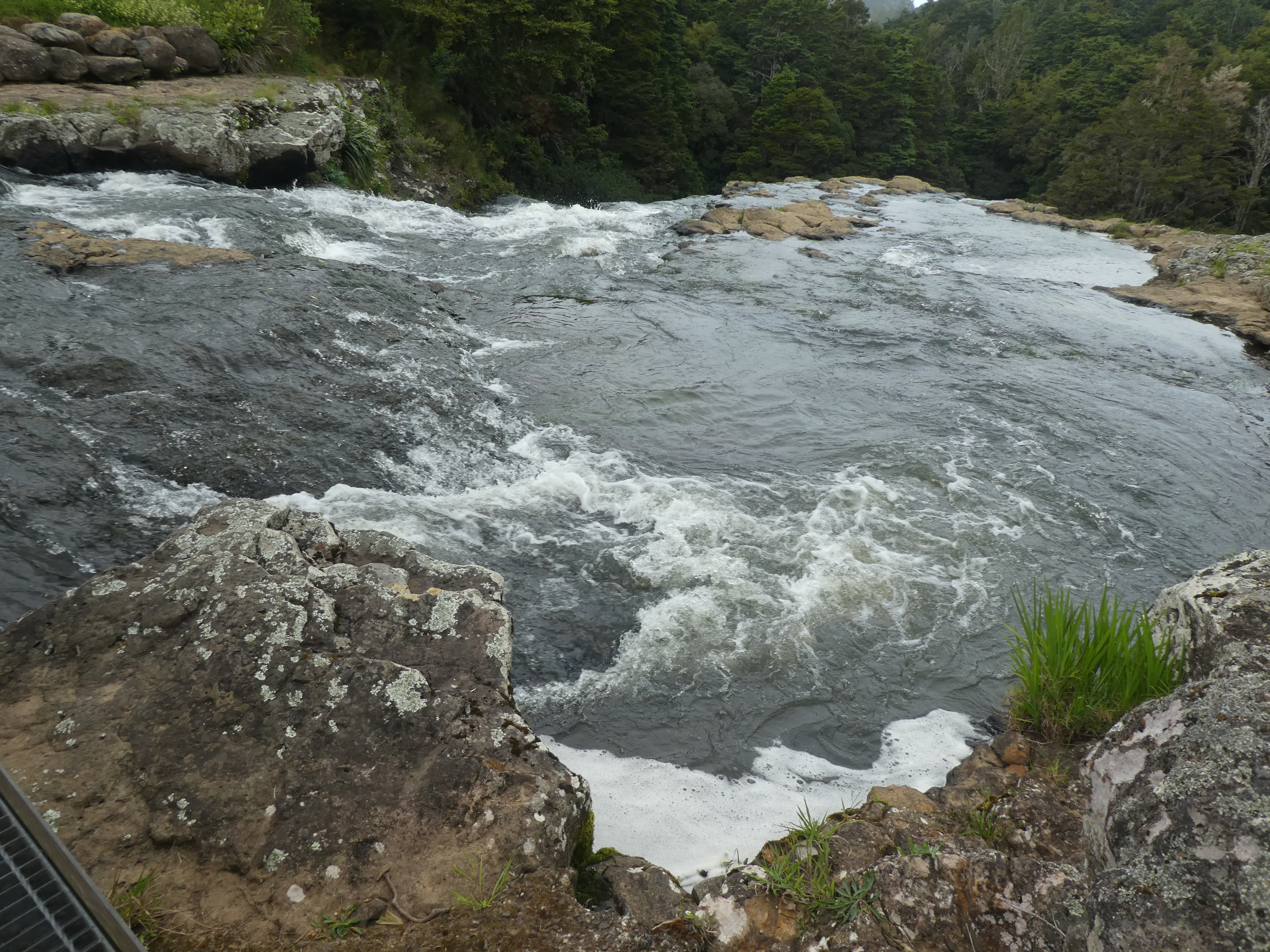
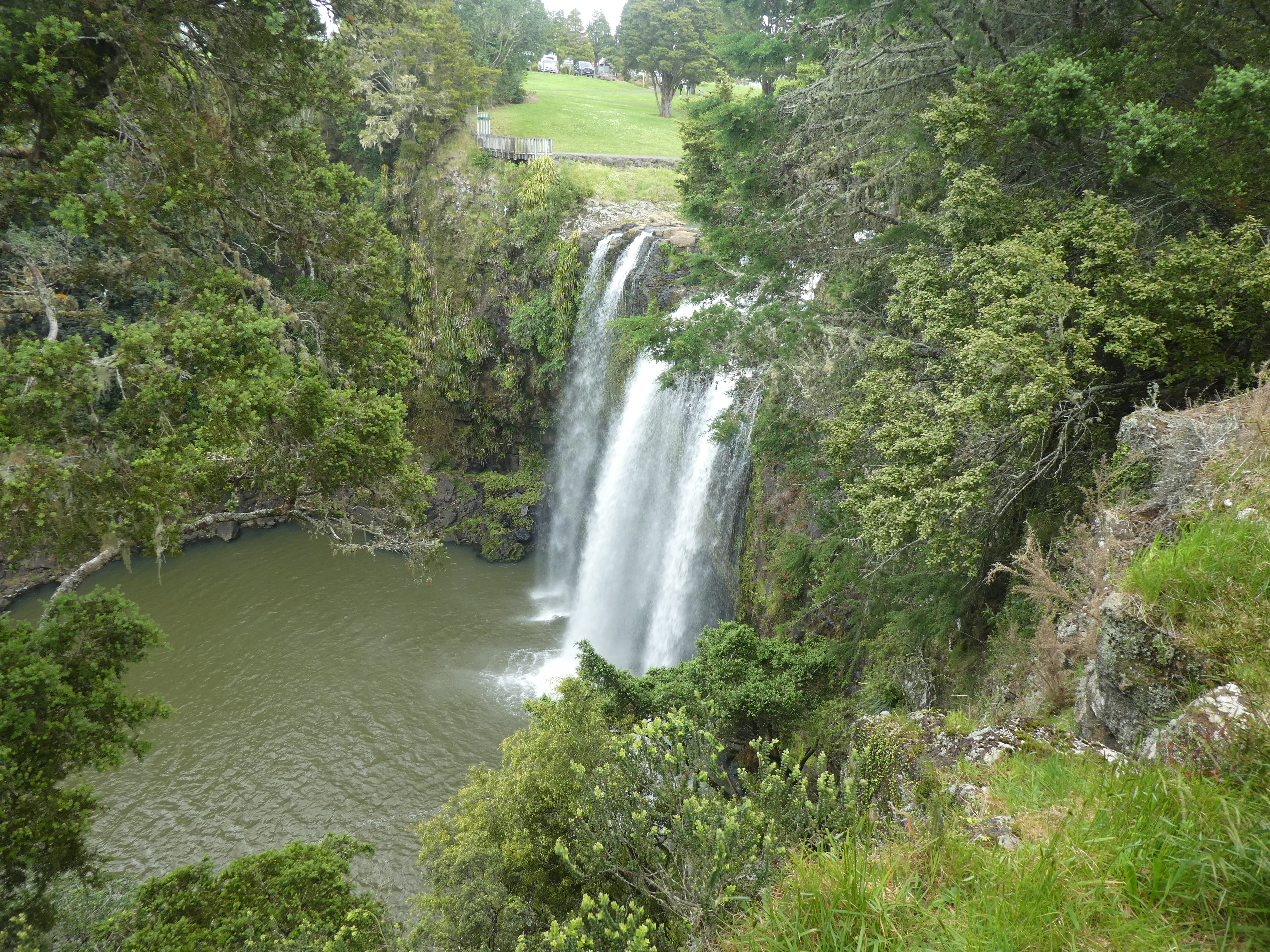
Both of us had been there before, but many years ago. It has obviously had a revamp since then, with extensive, manicured lawns and gardens; a flash toilet block; and various paths and lookouts over the falls.

All in all we had a lovely day and ended it with a drive to Waipu, where Bruce’s sister Kay lives. We were joined there also by Bruce’s other sister Jan, so it was a lovely family meal that night – thanks Kay and Richard!

Whangarei

Bruce and I have been to Whangarei many times, but the last was four years ago when my dad was ill. The most notable drawcard this time was the Hunderweisser Art Gallery that was still being built the last time we were here.

First though, a trip to Quarry Gardens. Again, the last time we were here was just to the cafe, as Dad and Betty were not particularly mobile at that stage. Since then Cyclone Gabrielle has done a fair bit of damage and some of the tracks as unpassable, and some of the gardens eg. the Arid Garden, have been wiped out by a land slip.

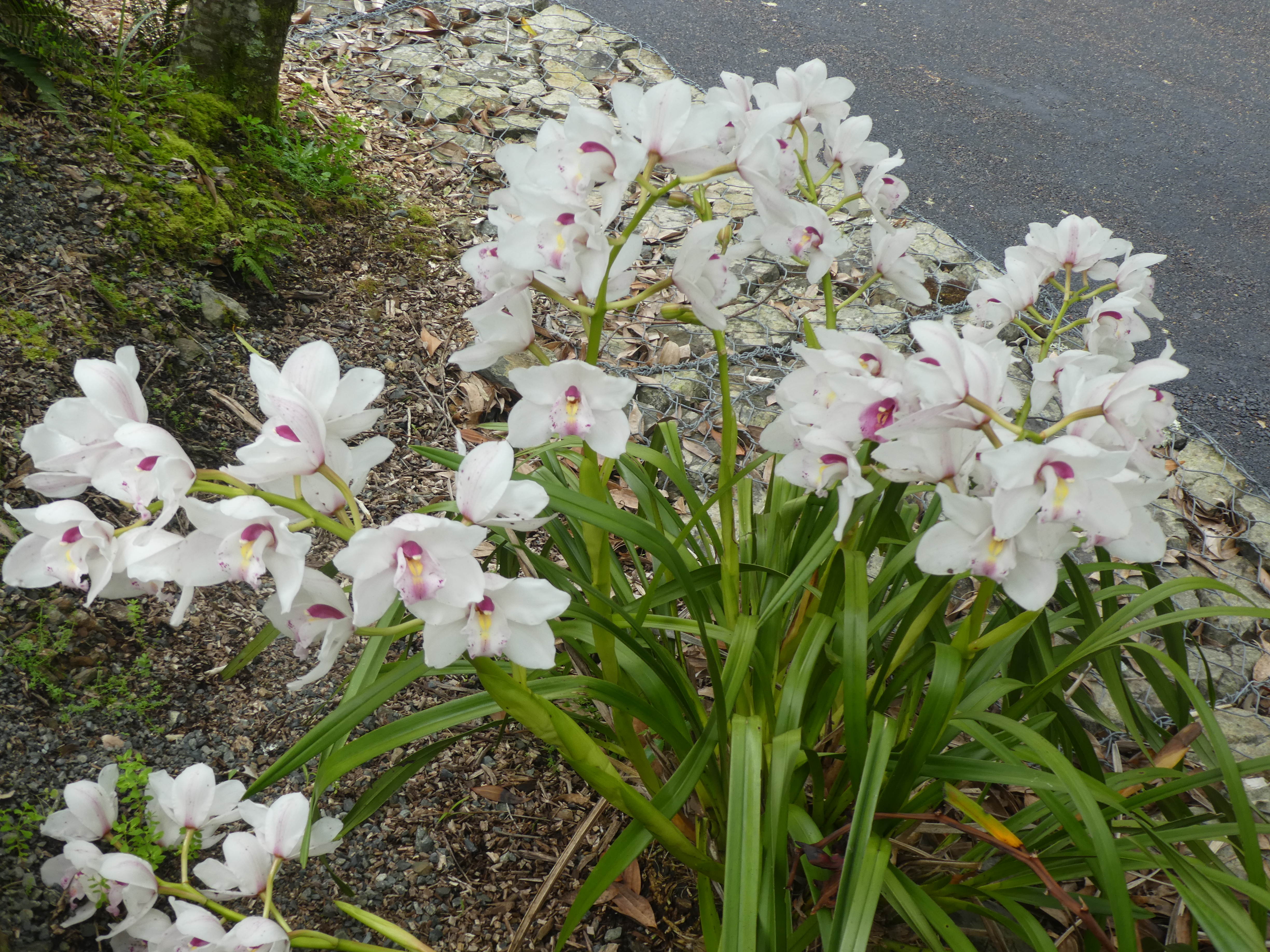
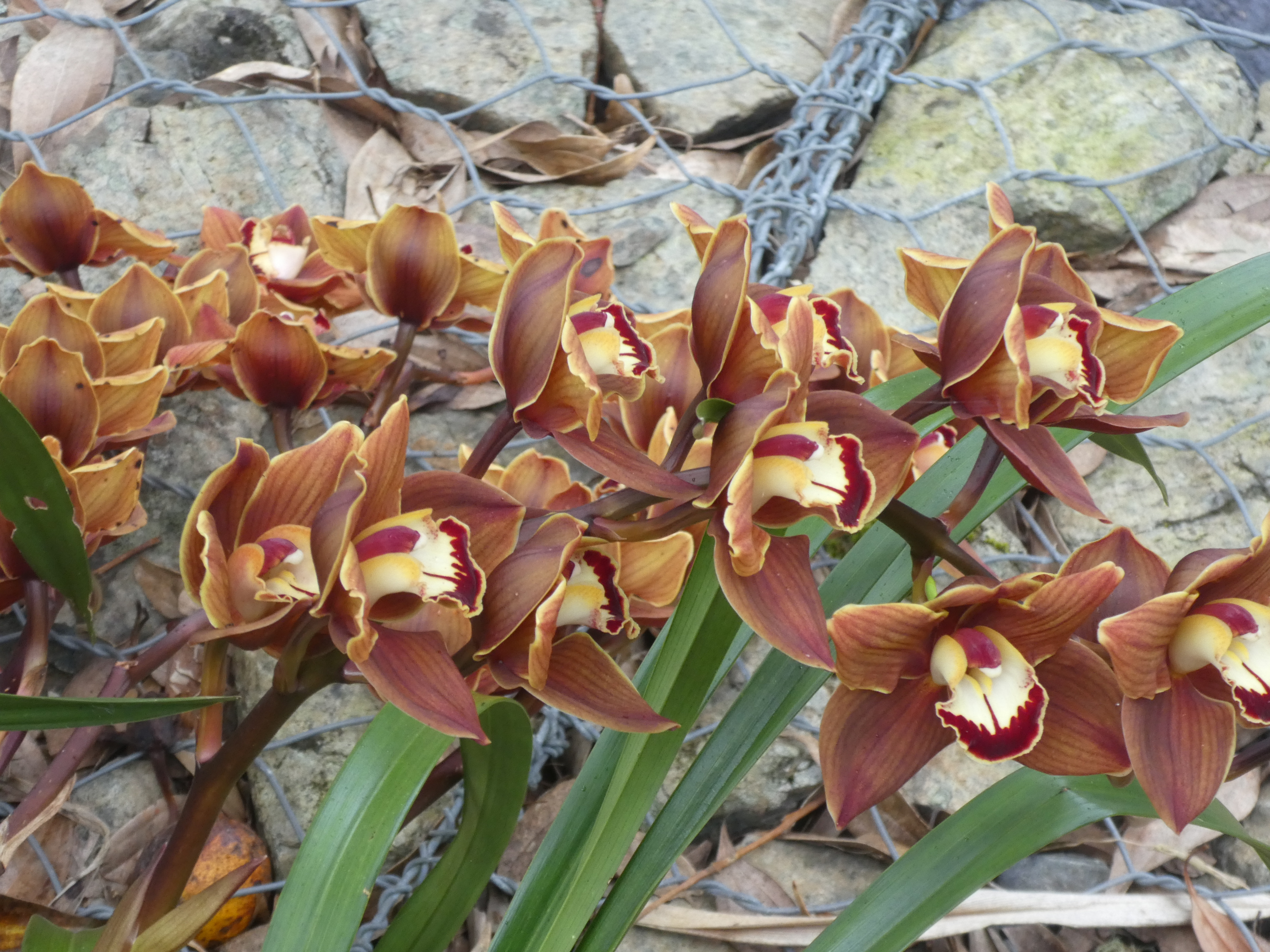
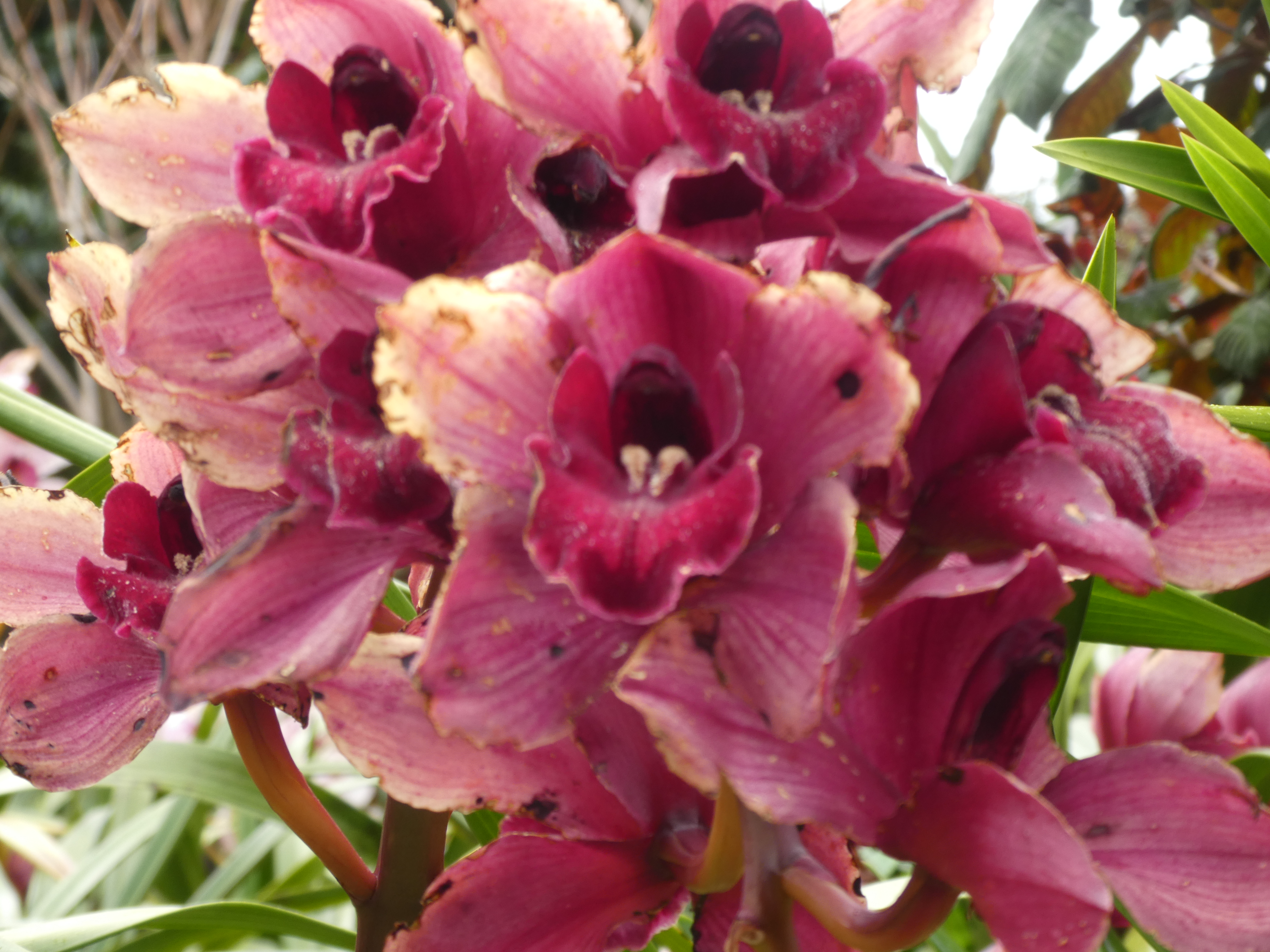
The orchids in the garden were prolific and stunning.

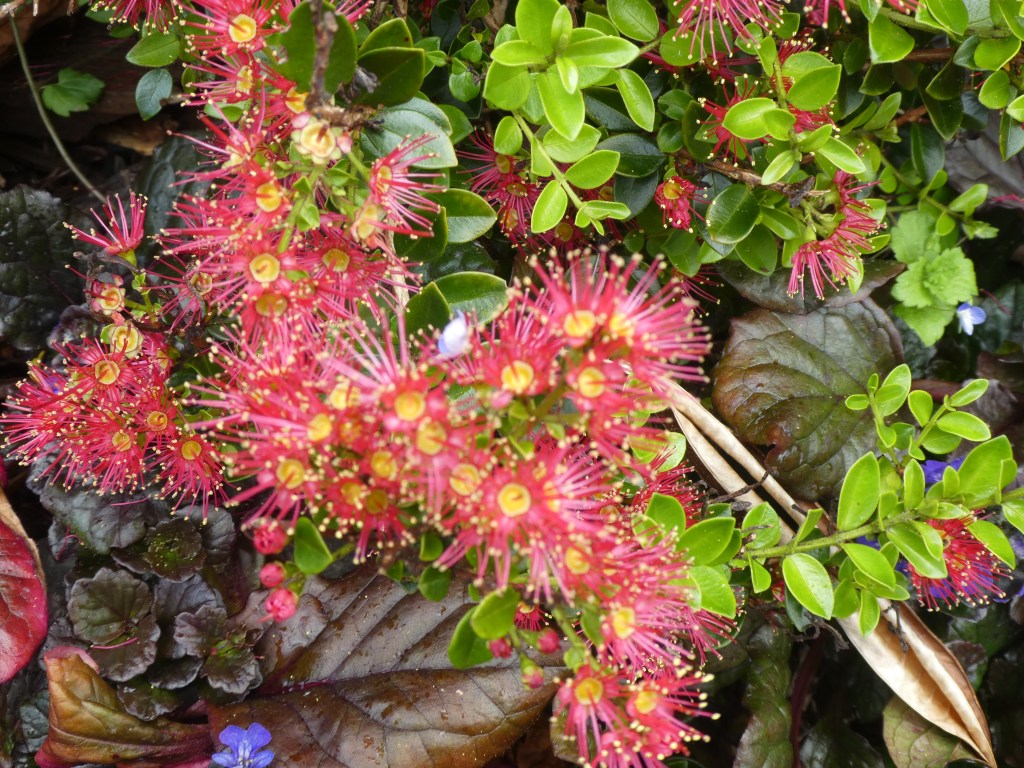
I also fell in love with this little cascading Rata

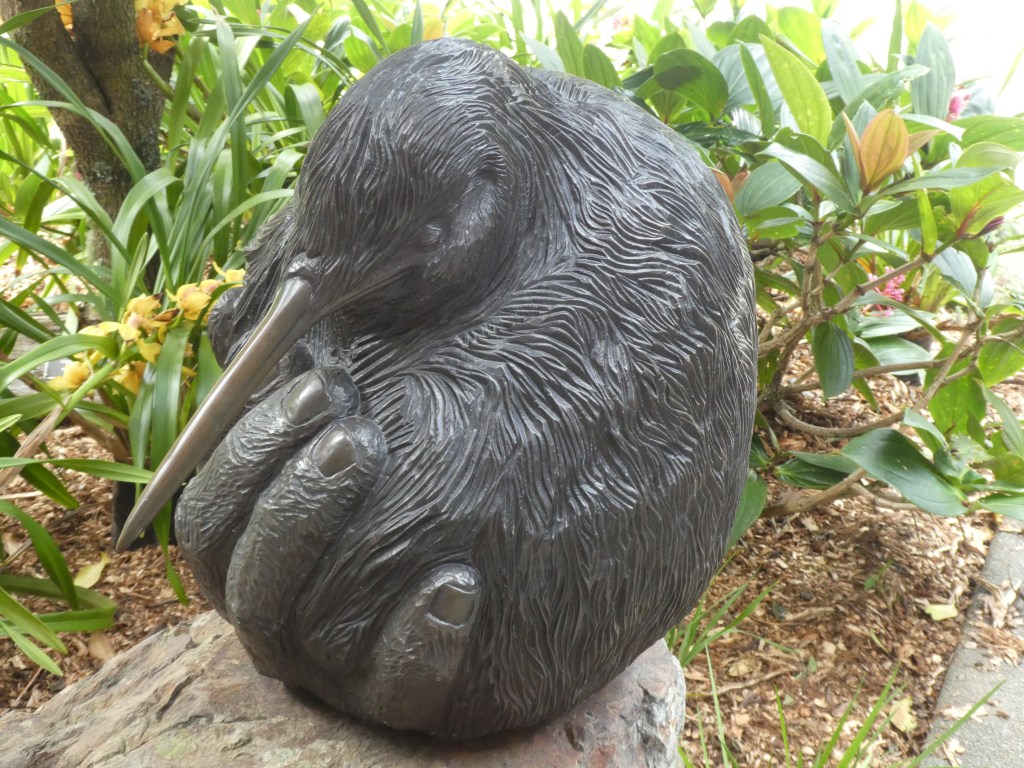
Another thing that took my fancy was a bronze statue of a baby kiwi being held in someone’s hand. So beautiful.

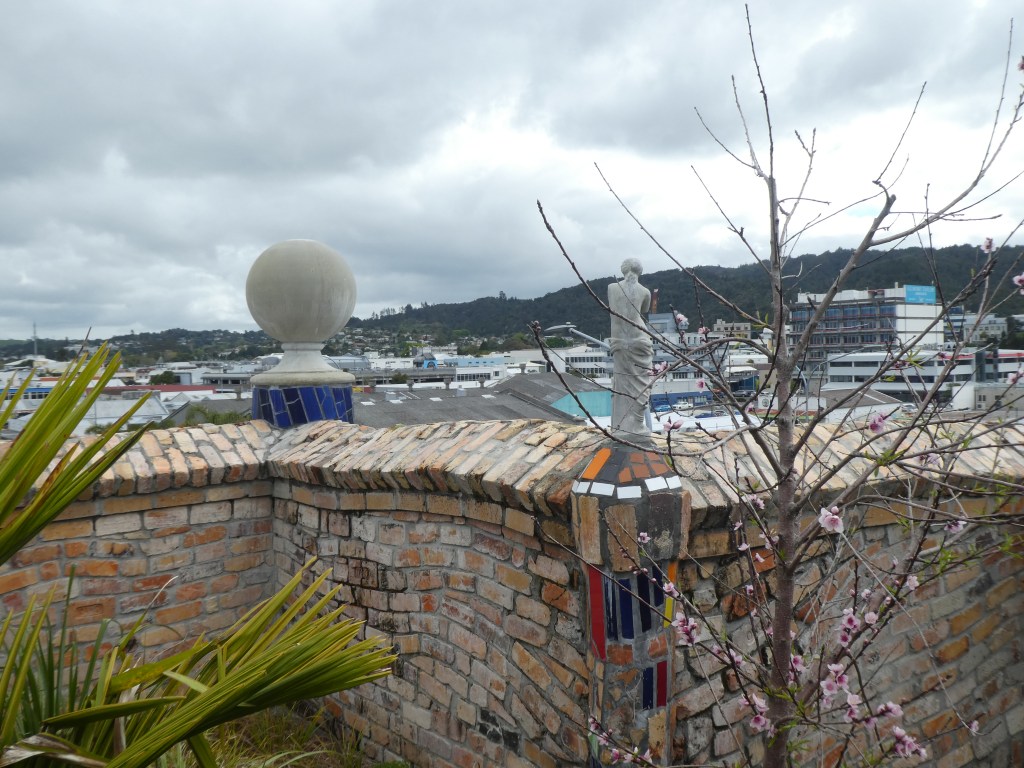
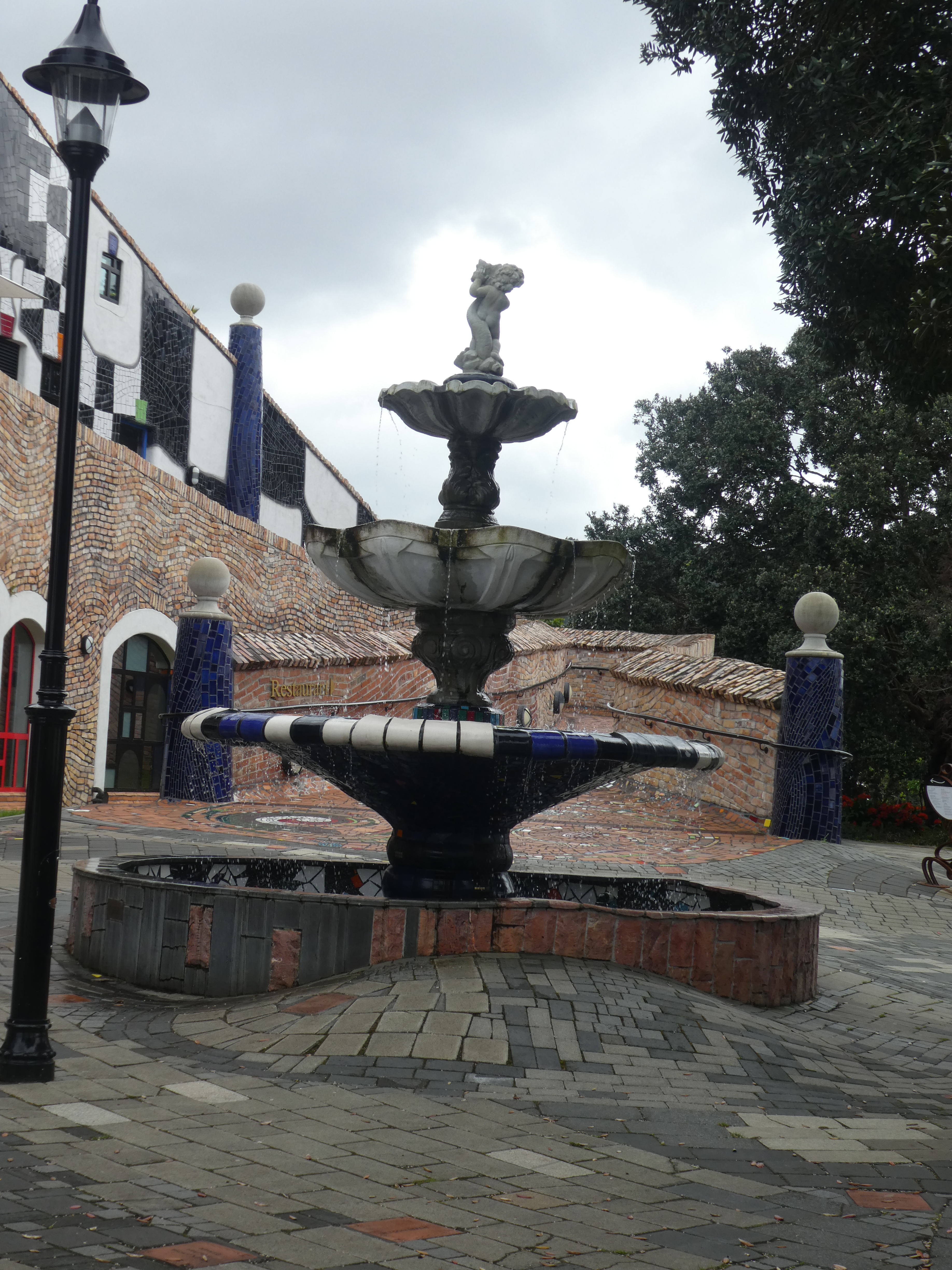
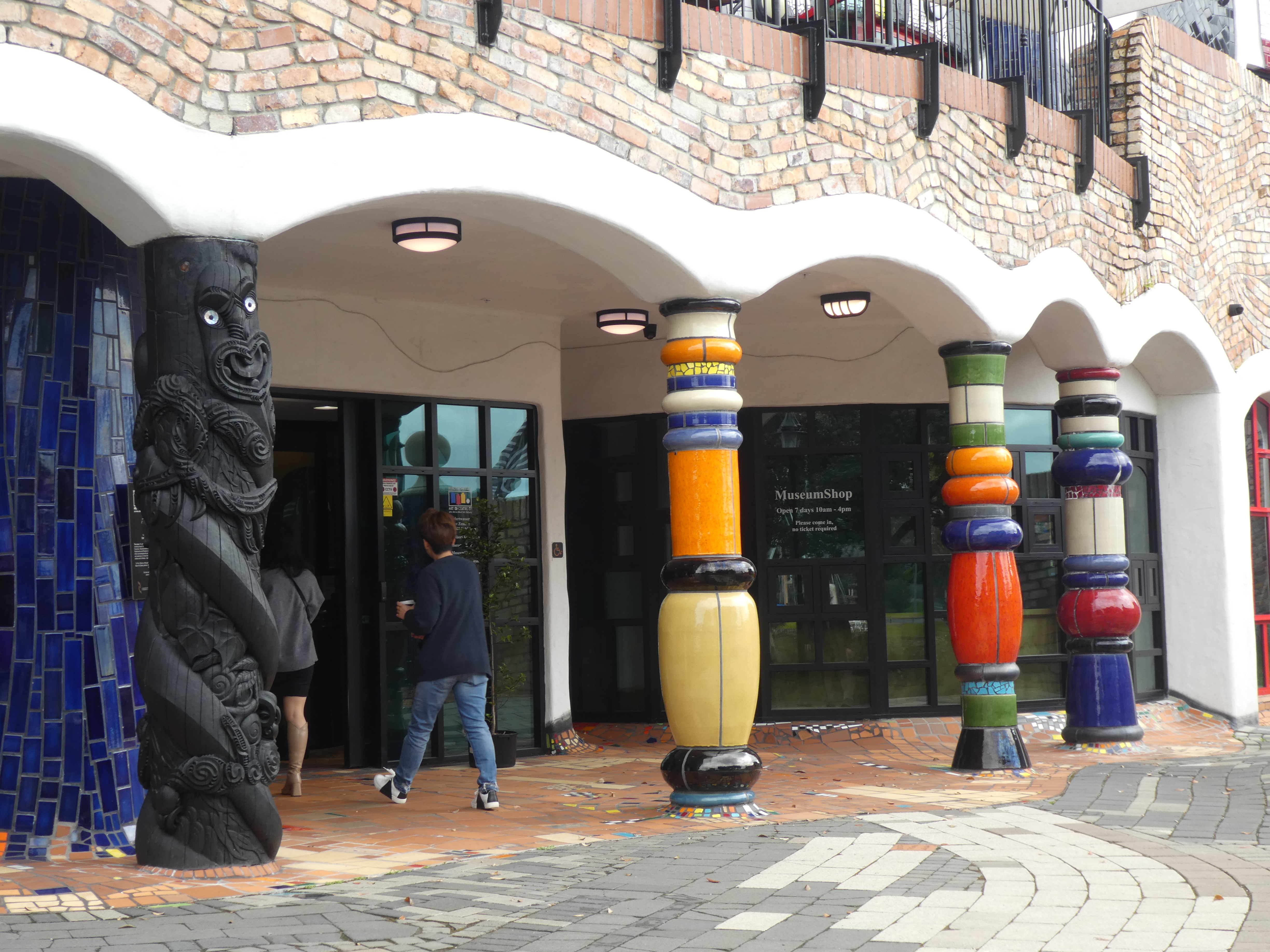
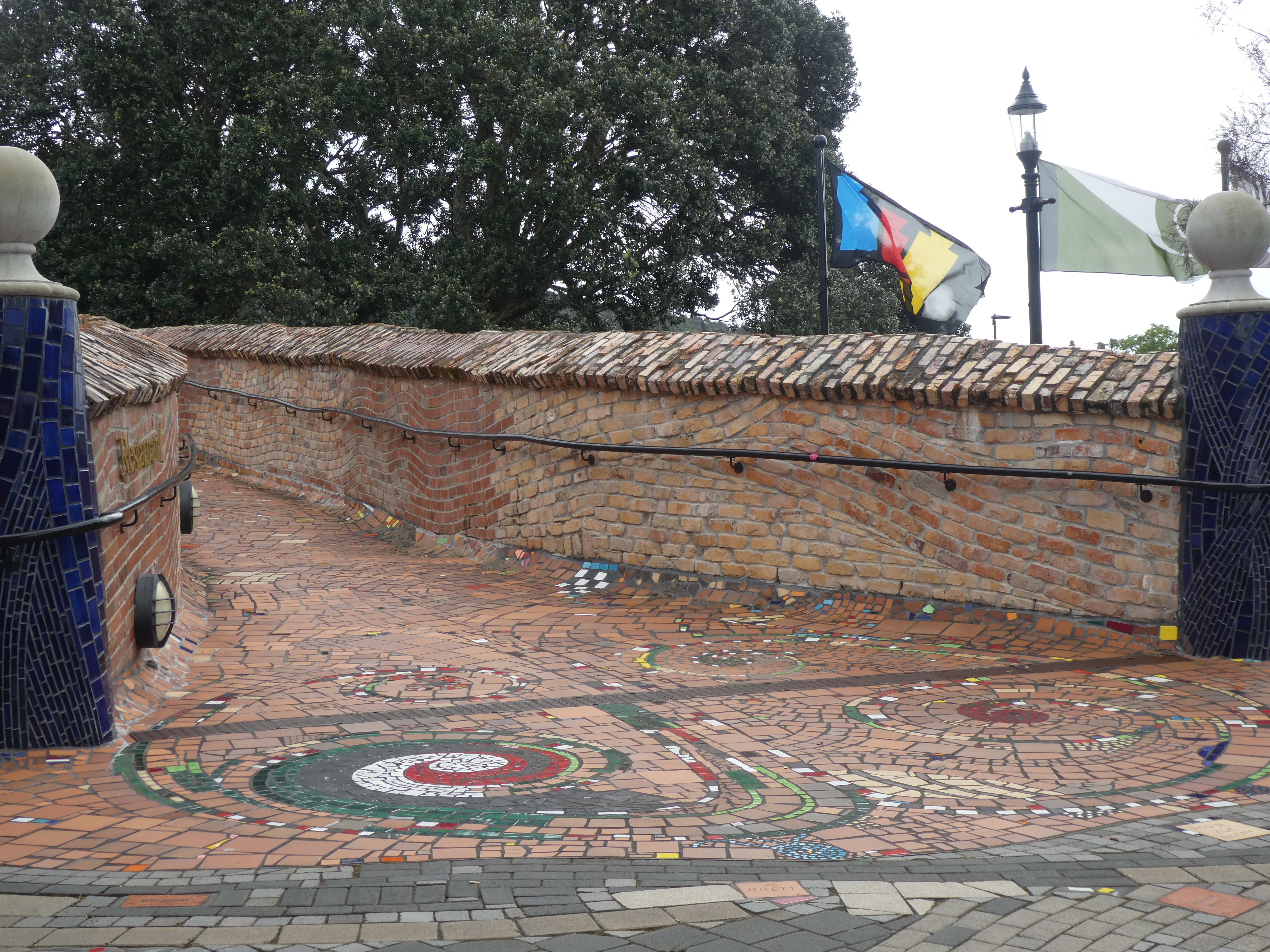
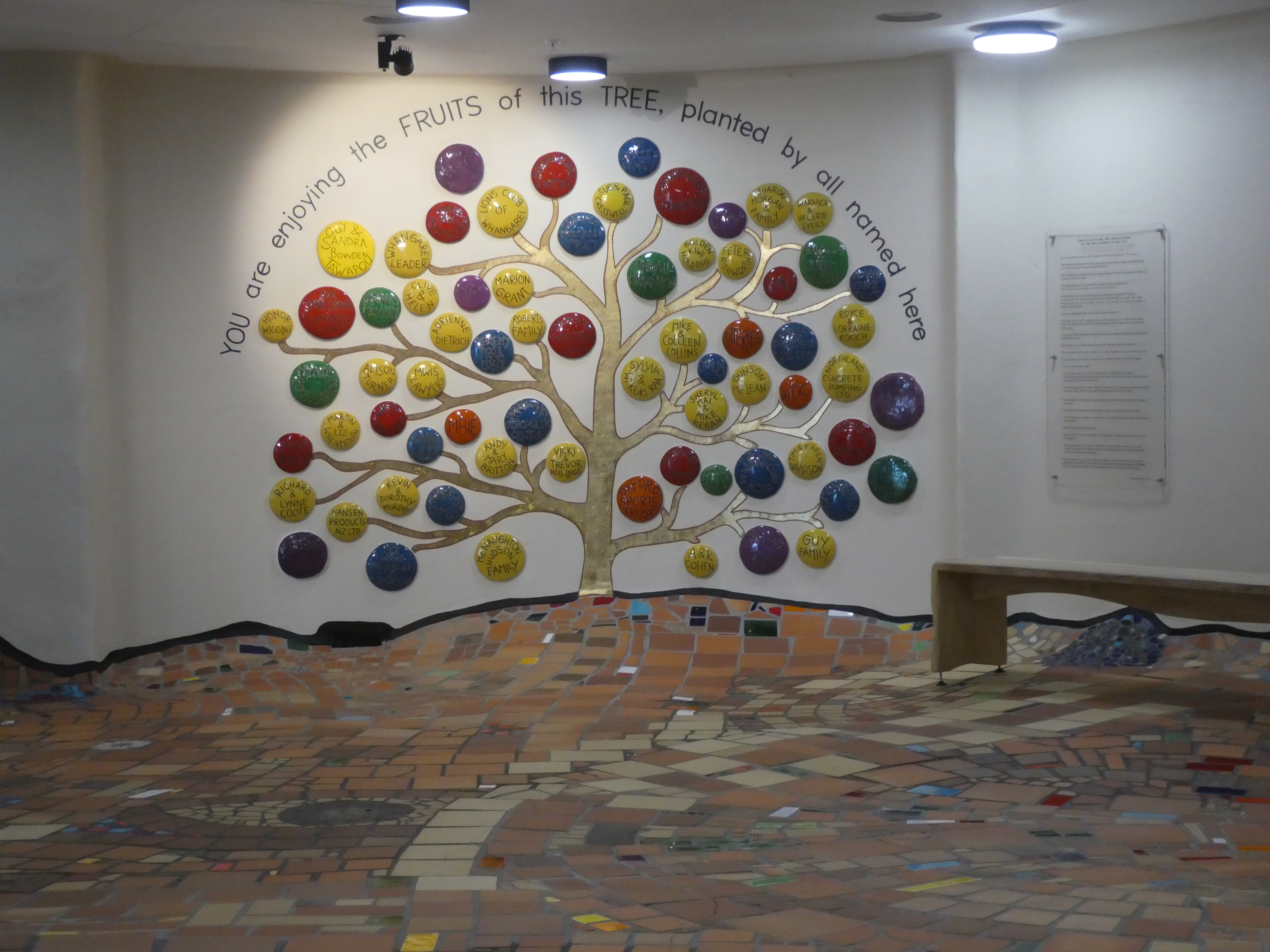
The cafe at the gardens wasn’t open today, so after a stroll we headed in to town to visit the Hunderweisser Gallery. What and amazing place – not a straight line to be seen, and lots of colour.

The roof was planted in garden to blend in with nature, and again it was a lovely place to stroll around.

We perhaps did not have as much time to look around as we might have because the gallery shut at 4pm so it was with reluctance that we moved on to the next attraction, and that was the perpetual rolling ball clock.

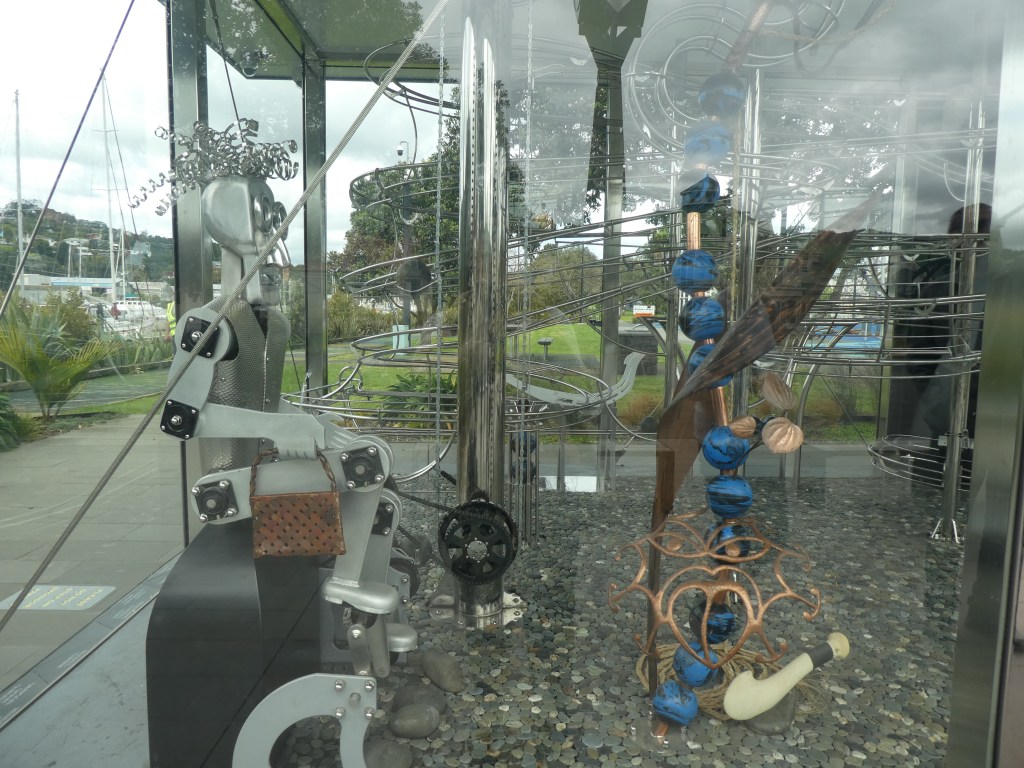
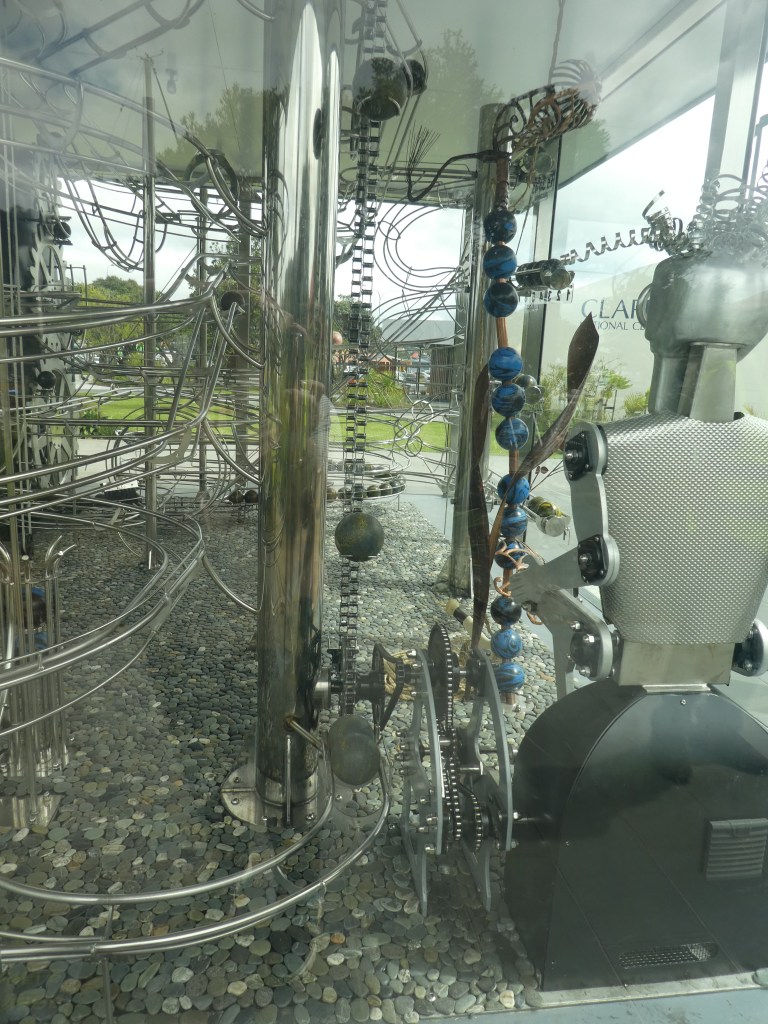
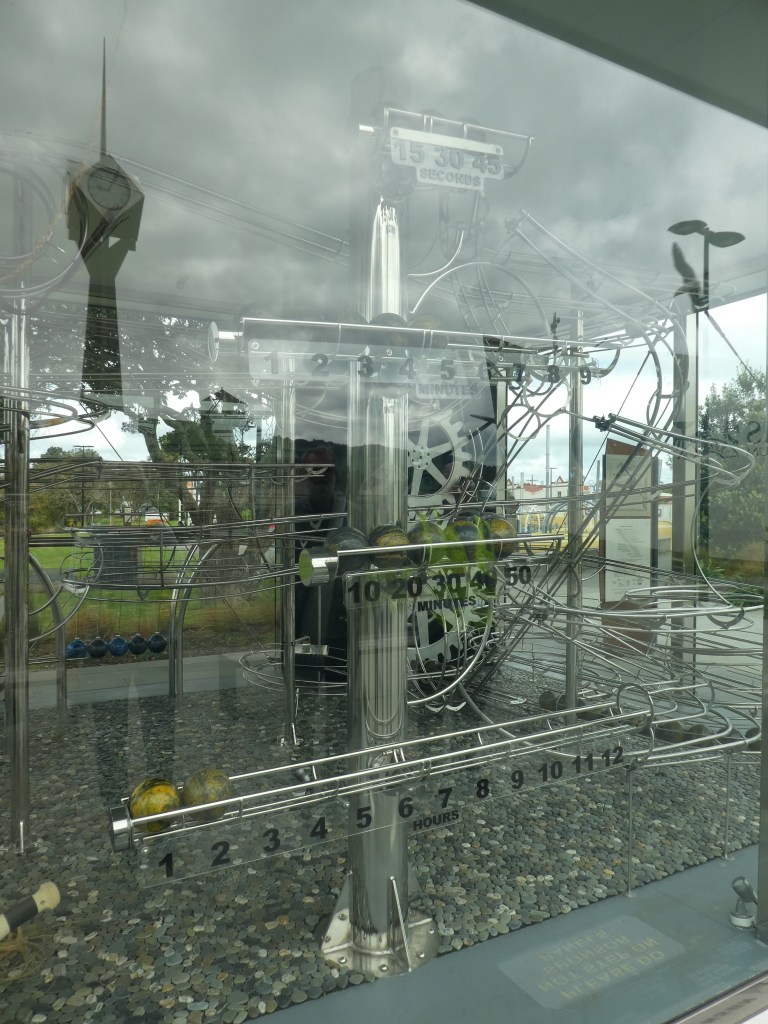
This clock had us fascinated and we could have watched it for a long time. I was unfortunate in that it was encased in glass paneling so it was difficult to get pictures without reflections. The clock was run by a robot cyclist.

As she (I call it a her because she carried a handbag) cycled away her momentum pushed balls around the clock, dropping 4 balls per minute into the tray that told you what the time was.

We decided, after a delicious ice cream that it was time to head to our camp for the night at Parua Bay. Bruce and I have stayed here several times before and it was still as nice as ever.

North of Auckland

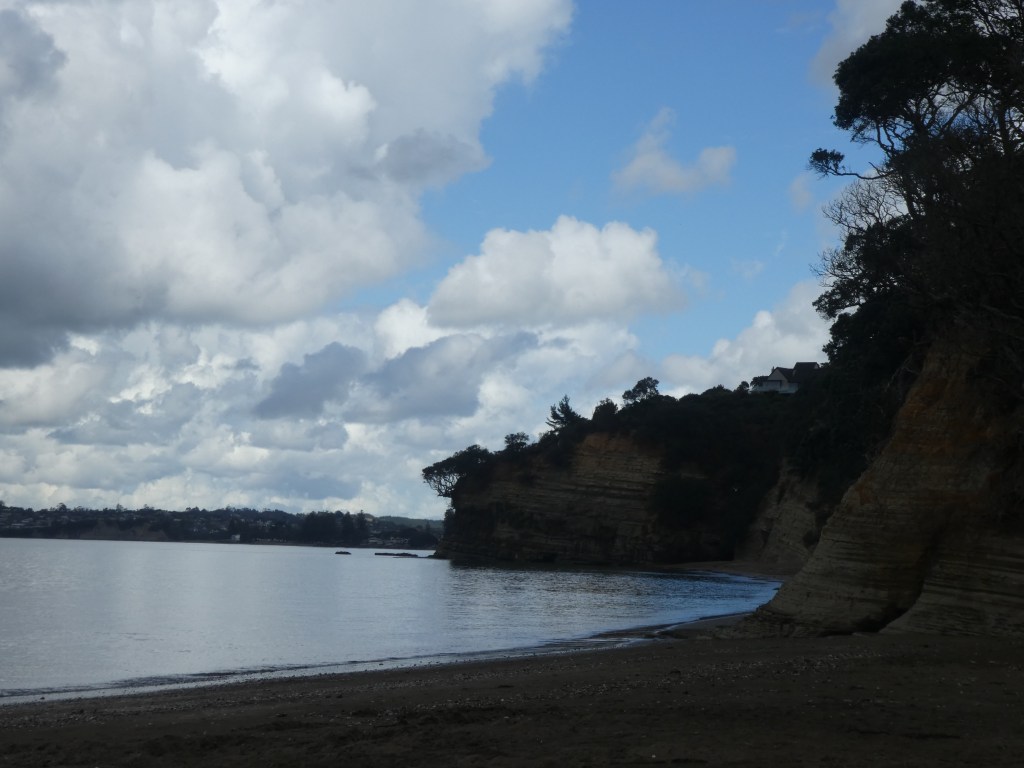
We enjoyed Ray’s Rest but had arranged to meet friends near Mangawhai so we headed off and got through the Auckland traffic with very little trouble. Bruce decided that instead of going on the new motorway, we would stop in Orewa for lunch. That turned out to be impossible because there was some sort of surfing event on, so we continued to Hatfields Beach. Our resolution for this holiday is that we would have at least one beach walk each day, and Hatfields was a lovely beach to walk on.

There has been quite a bit of erosion here and there are several houses perched precariously near the edge of a crumbly cliff! Not a comfortable position to be in.
After lunch we continued on and found that we could not re-join the motorway so kept on the old State Highway towards Mangawhai. The chosen stop for the night turned out to be not so great, so after a coffee with our friends, Bob and Jean, we decided to head to Maungaturoto Country Club for the night. That was a much better site.
The only downside of this place was the roosters! The house adjacent to the parking area had at least 4 roosters that we could see, all competing to see who could crow the loudest. We knew what was to come in the morning, and sure enough, at 4.30am they started!

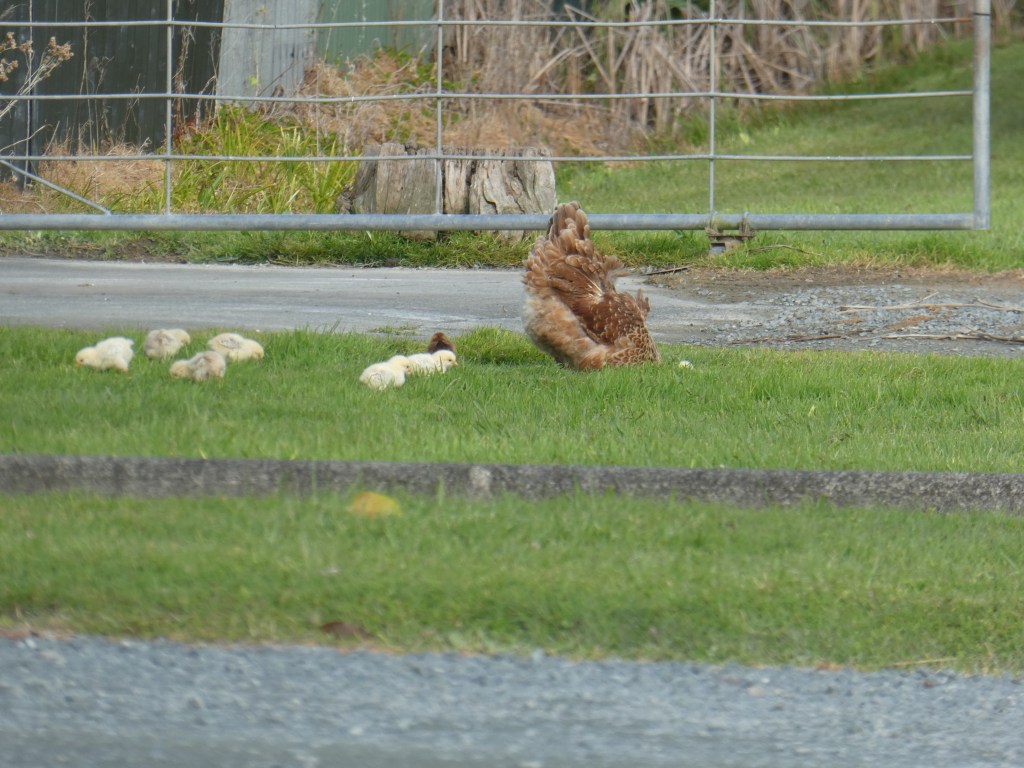
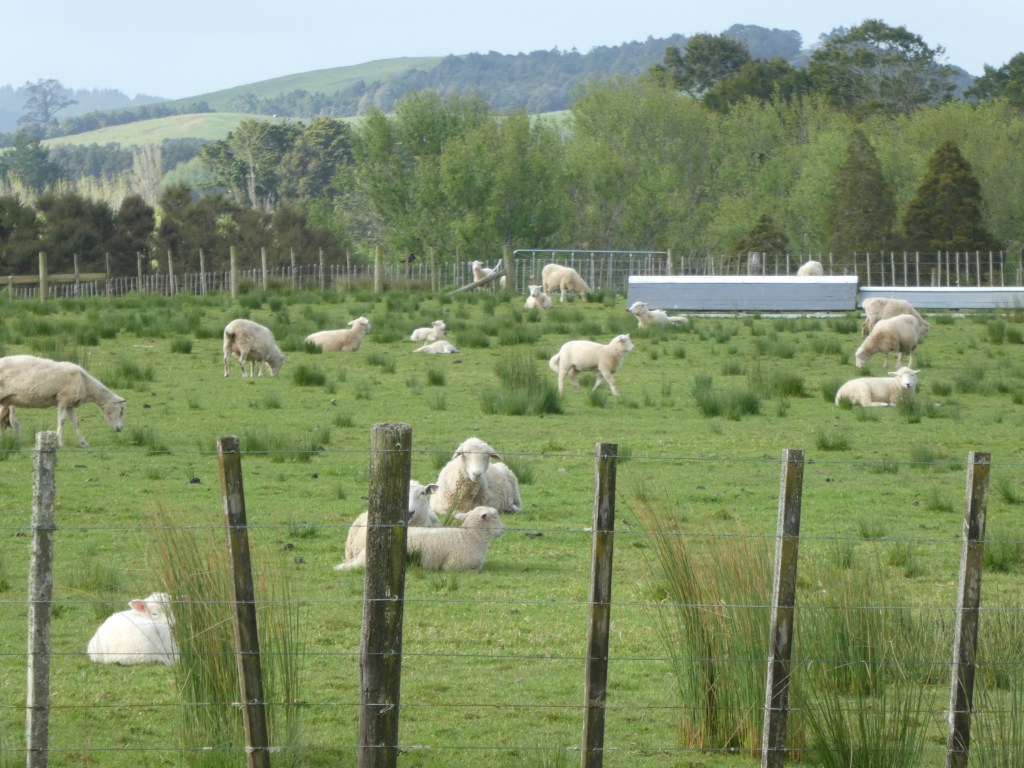
I would have to say though, that after becoming aware of their crowing we were able to get back to sleep. It was nice to be around the lambs, the bantam and her chickens, and even to watch the roosters protecting their little harems of hens.

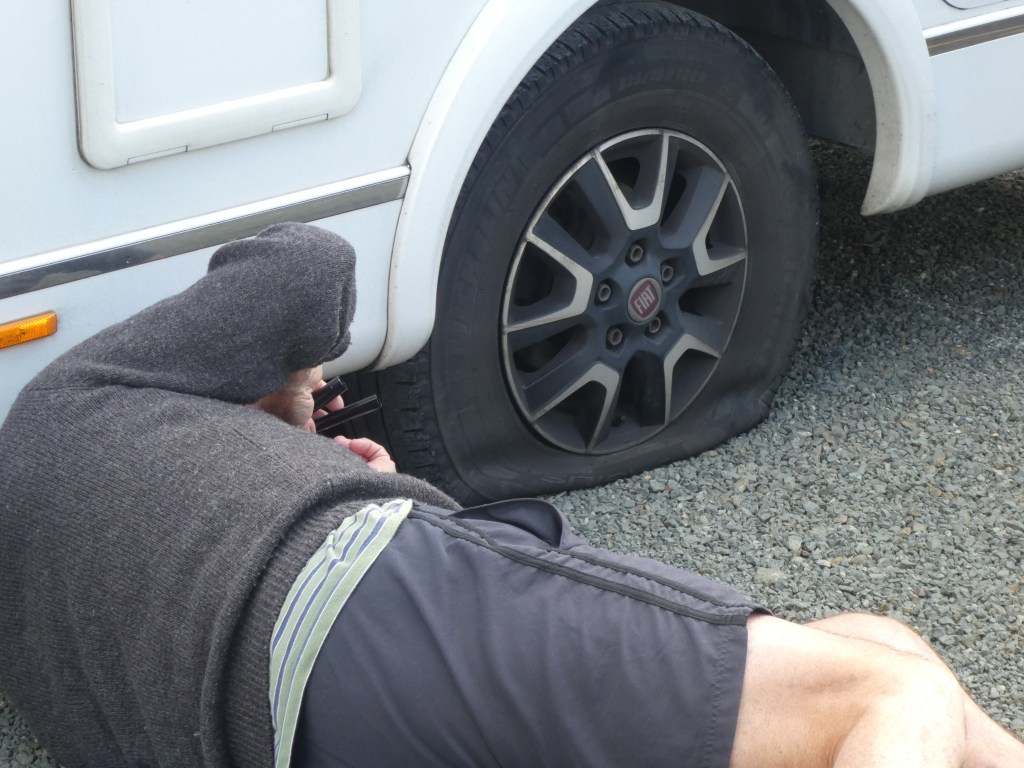
The next morning brought an unwelcome surprise for Bob and Jean, in the way of a flat tyre.

Bruce and I knew how that felt as we had experienced this in the South Island, so between Bruce and Bob they were able to remove the tyre and we drove them into the township of Maungaturoto to have it repaired. Half a day had gone by the time it was all sorted, but we still had time to head off to Whangarei to a couple of attractions that we wanted to see there.