Blog

Northland here we come.

It is not that long ago that we returned from our South Island adventure (May) but this year we decided to stay home for the summer, and to take this time before the rush of Christmas, to explore aspects of Northland.

As usual it was a rush to get all the jobs done at home, to find a house/dog sitter because Hunter is not a good traveler; and we also had some grandchildren duties, doctors visits, and a special family birthday to fit into the days before we were to leave.

Friday was our first day away, and the first stop was to Whitianga where we had to go and vote, and to pick up some extra dog roll to be delivered home to keep the dogs fed until we get back. Then we carried on to Matarangi where we stopped in for a coffee with friends of ours, and then on to Coromandel town where we planned to stay the night.

Once we got to Coromandel we decide to take a walk and explore the shops. It turned out to be a short visit because most of the shops were closed! It seemed to be only the takeaway shops, the foodmarket and the fish shop that were open.

We had a quiet night, which I was thankful for, as our friends in Matarangi had told us there were increasing gang problems in Coromandel with some serious assaults happening, sometimes on innocent by-standers.

The next morning we had a meeting to attend in Thames, so we could not linger in Coromandel, hoping that the shops might have opened. We headed over the hill and down to the Thames Coast, where our journey became more leisurely as we were stuck behind a posh sports car that was too afraid to put their foot on the accelerator in case they damaged it. We watched time ticking away, and the time for the start of our meeting looming ever closer. Finally, they turned off just before the Thames township and we made our meeting with 3 minutes to spare.

After the meeting we headed further up the coast to a place called Ray’s Rest. We had not been able to stay here before as it has a strict “no pets” policy. There were already quite a few vans here, but it is something special to be able to park right on the shore, free of charge.
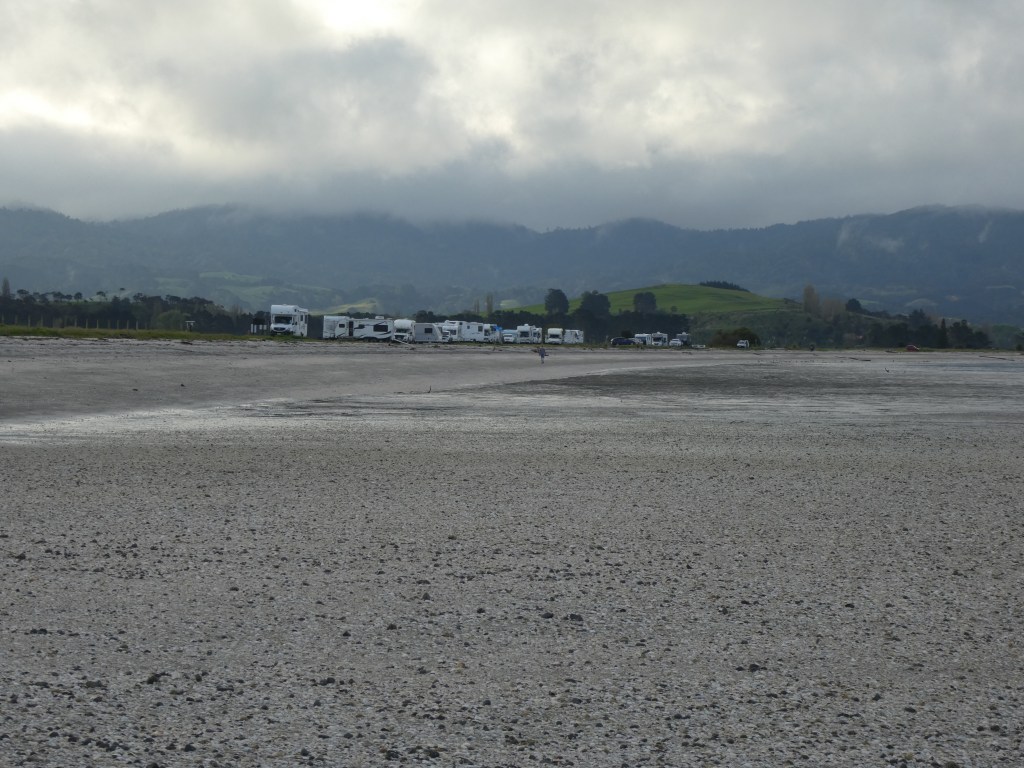
We had no sooner parked up than the wind became strong, the clouds darker, and the rain started falling. The bad weather band was short lived though and by dinner time it had passed through and we were able to take a walk on the beach. As usual we contributed a bit to the environment by picking up the bits of rubbish we saw, but overall the beach was really clean.

There were some tiny little birds wading on the muddy flats which I later identified as the Wrybilled Plover. They were a very cute, but very shy bird, with a beak the curves to the side, and always the right side.
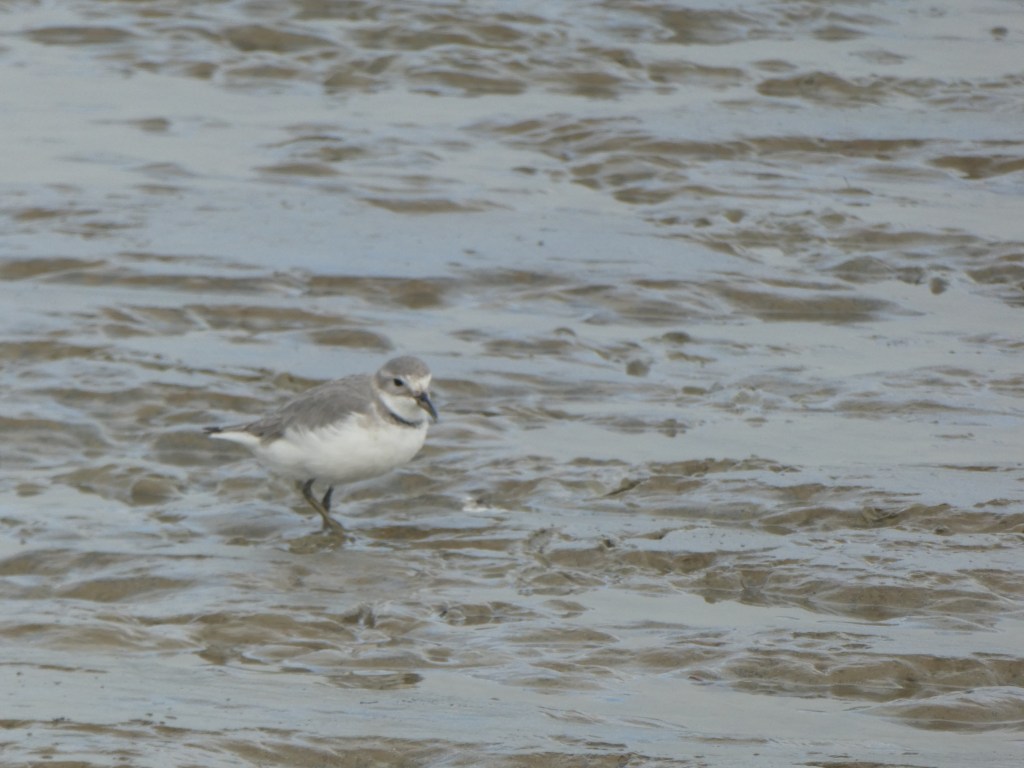
They apparently breed on the braided rivers of the South Island’s east coast, but fly north for the winter.

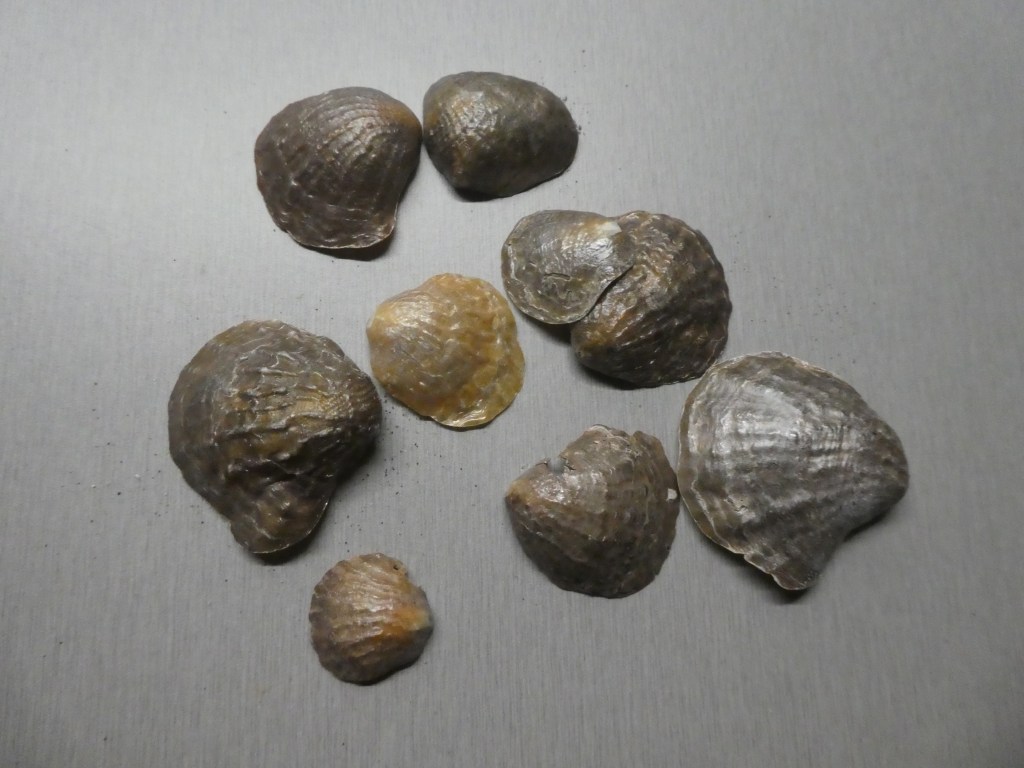
Also found on the beach were lovely bronze coloured shells, possibly of some kind of oyster??? The photo doesn’t really do justice to the lovely metallic colour they are.
Tomorrow we have a long drive through Auckland, to meet up with our friends near Mangawhai.
Mount Cook experience

Despite many hours fishing, and Bruce’s best endeavours, no salmon were caught this time, and we decided not to waste any more time trying. We made a quick trip to the Salmon Farm shop, and another into Twizel to fill our water tank etc. and then we were on our way again.
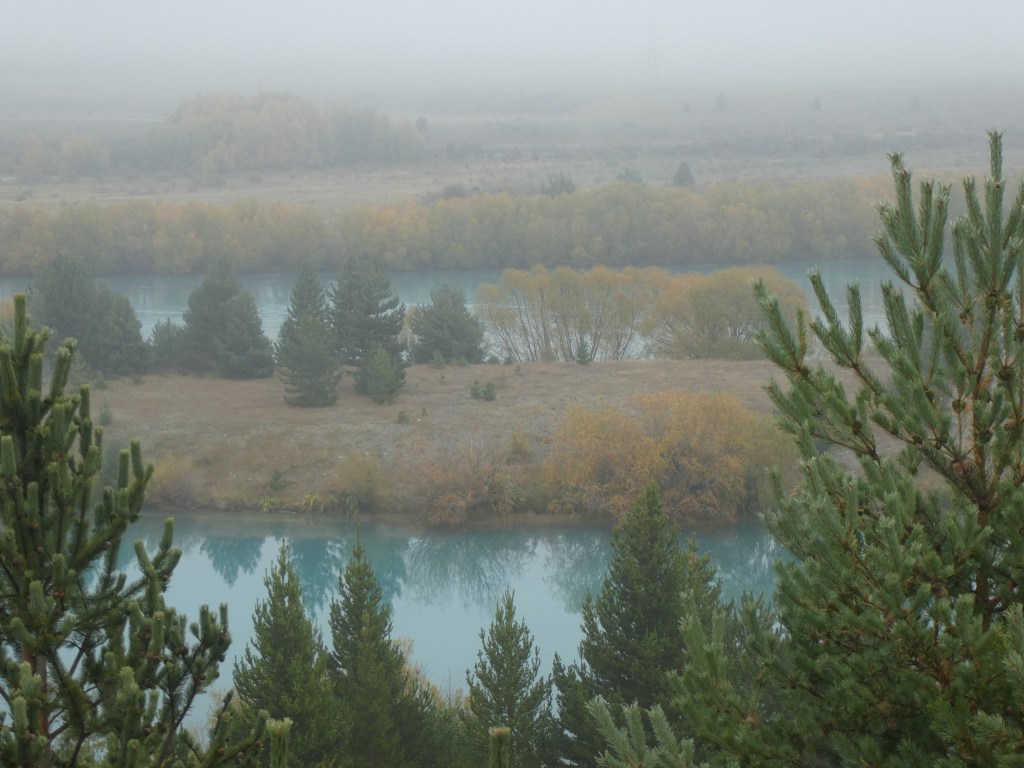
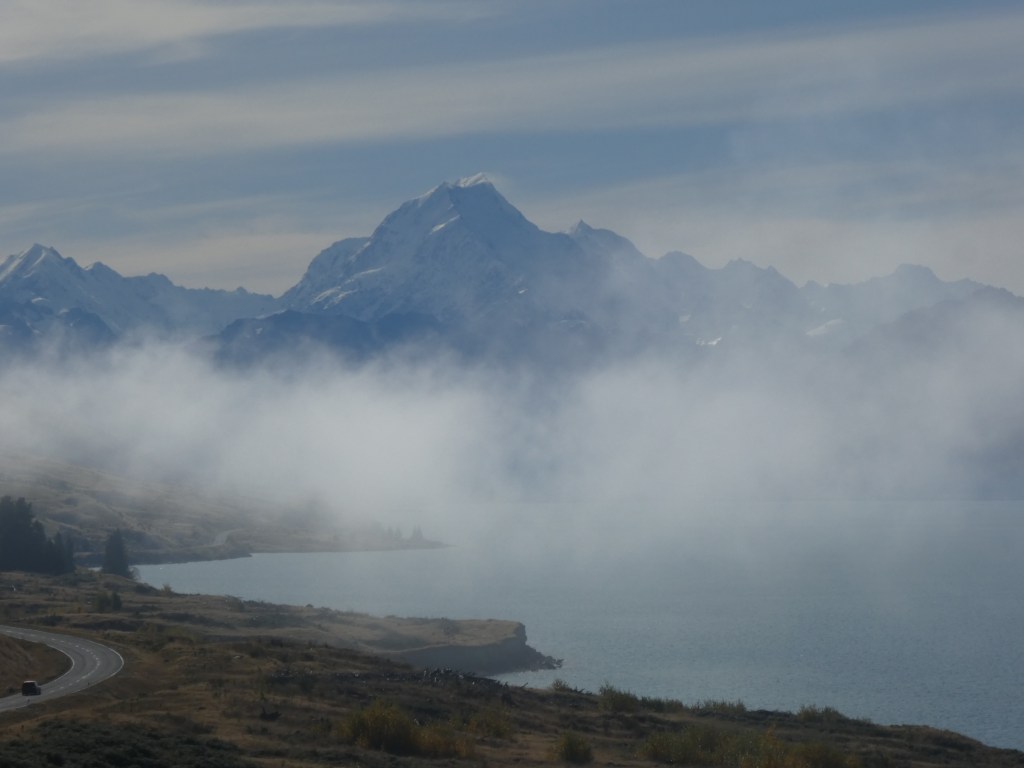
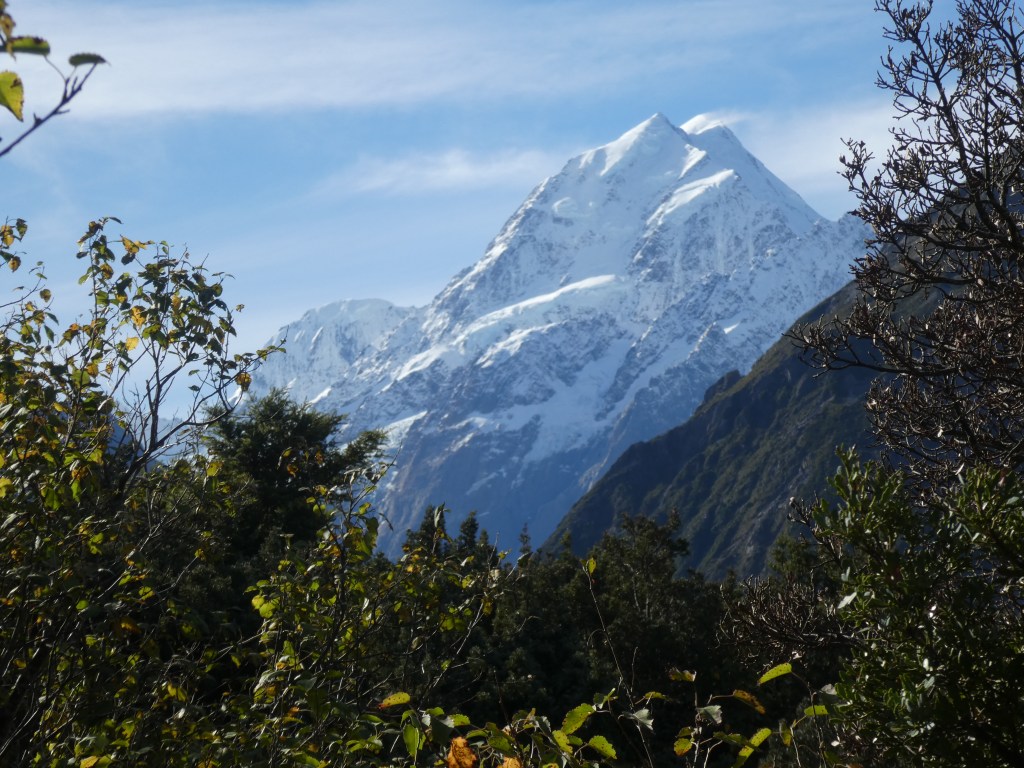
I had told Bruce that if the fog lifted, I would like to go back to Mt Cook. I never cease to be awed by it’s majesty. As we were nearing Lake Pupuke, the fog was starting to lift, but it was still very hazy.

We made the quick decision to take our chances anyway on the fog disappearing by the time we drove to the Mt Cook reserve. Sure enough, that is what happened. There were lots of people around though and wherever we went for a walk we had to distance ourselves from tourists -some of whom have no idea of personal space.

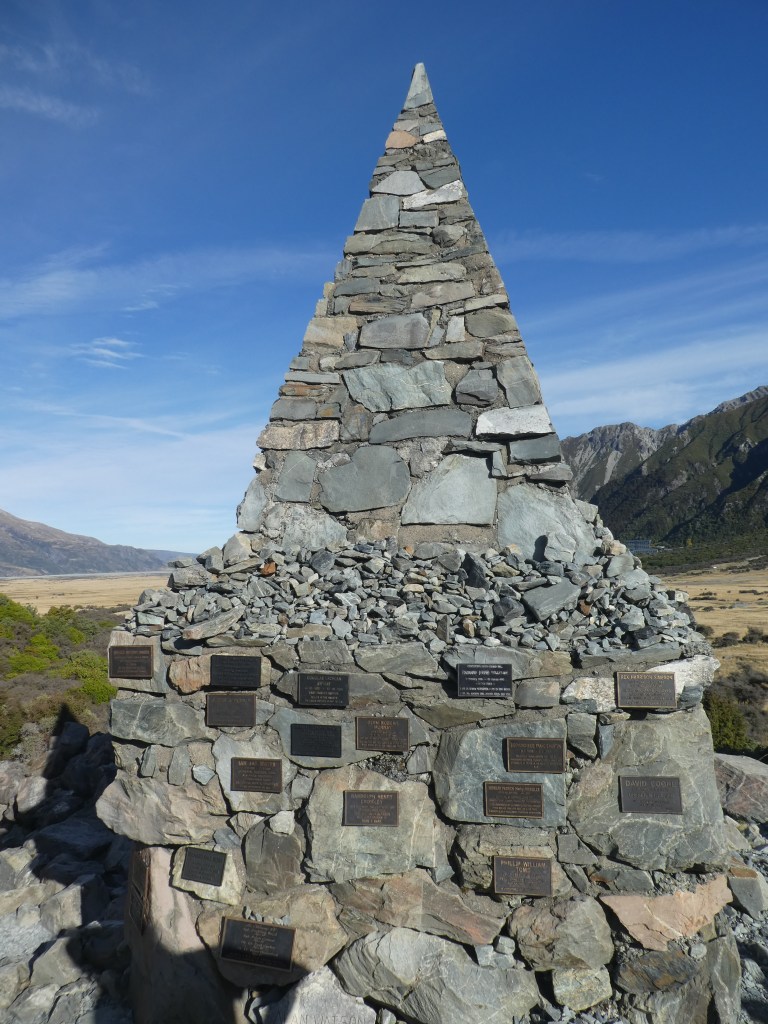
We drove down to the lower reserve at the base of the Kea track, and walked up to the memorial spire for the victims of an avalanche. Again, a surprising number of people from all races and all ages were doing this walk. I wondered though, how many of those walkers thought about the people have lost their lives on such a beautiful mountain.

We were then going to head towards Tekapo when Bruce made a surprising turn off towards the little Mt Cook airfield. He thought he would take a chance on there being a helicopter flight up into the mountains, and this time we were lucky. This was the 4th time we had tried, and in the end, it was a brilliant afternoon for it. The forecast for the next day or so is for rain, and we were also running out of time in this area.

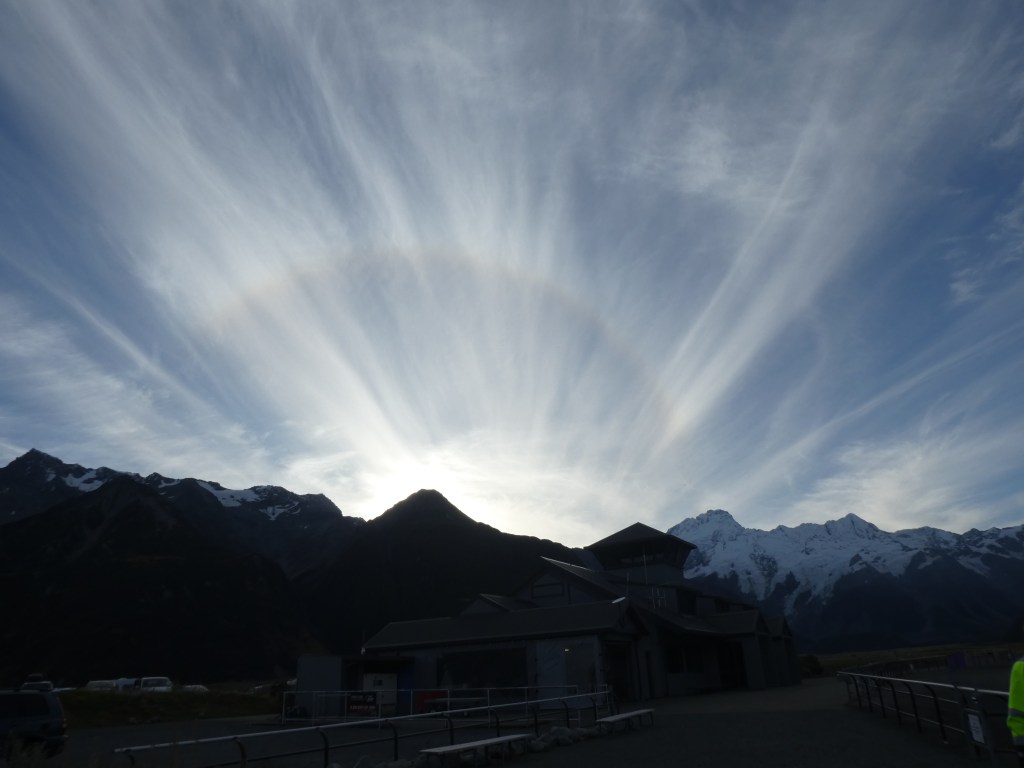
While we were waiting for take off time, we were treated to this amazing view out the window.

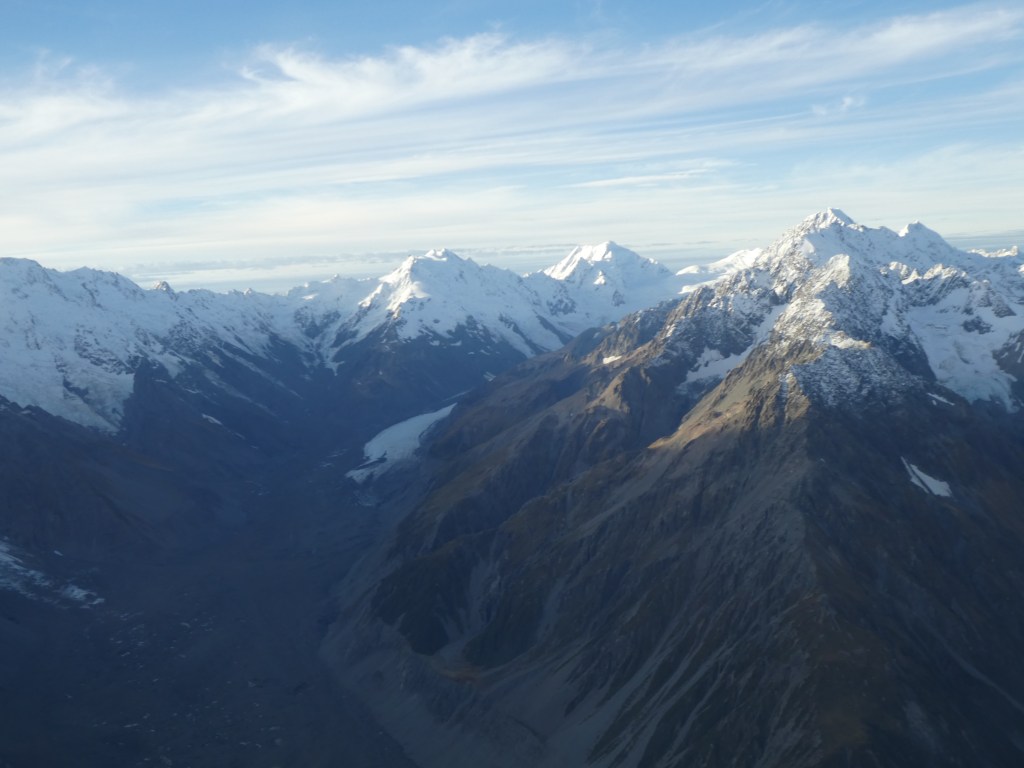
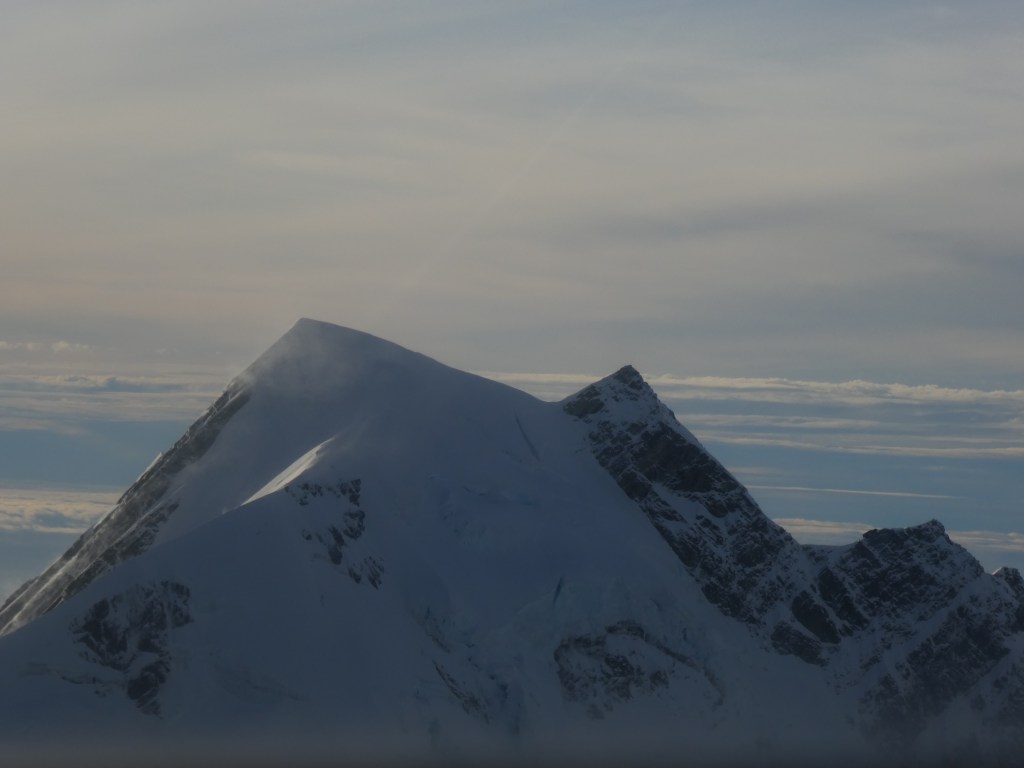
The flight itself was amazing. We could almost touch the mountains we were flying next to. We could see all faces of Mt Cook at different times during the flight, the beginning of the Fox Glacier, the Murchison and Tasman glaciers, and their lakes. Normally this trip lands on the beginning of a glacier, but it was too windy to do that today, so we landed on a mountain top instead. We trudged up the icy, slippery snow, and stood there, breathless in wonder, watching the sun set against Mt Cook.

We were away on the trip for just over an hour, and every second was wonderful. It is a memory that will never been forgotten.

Dam, Dam, Dam

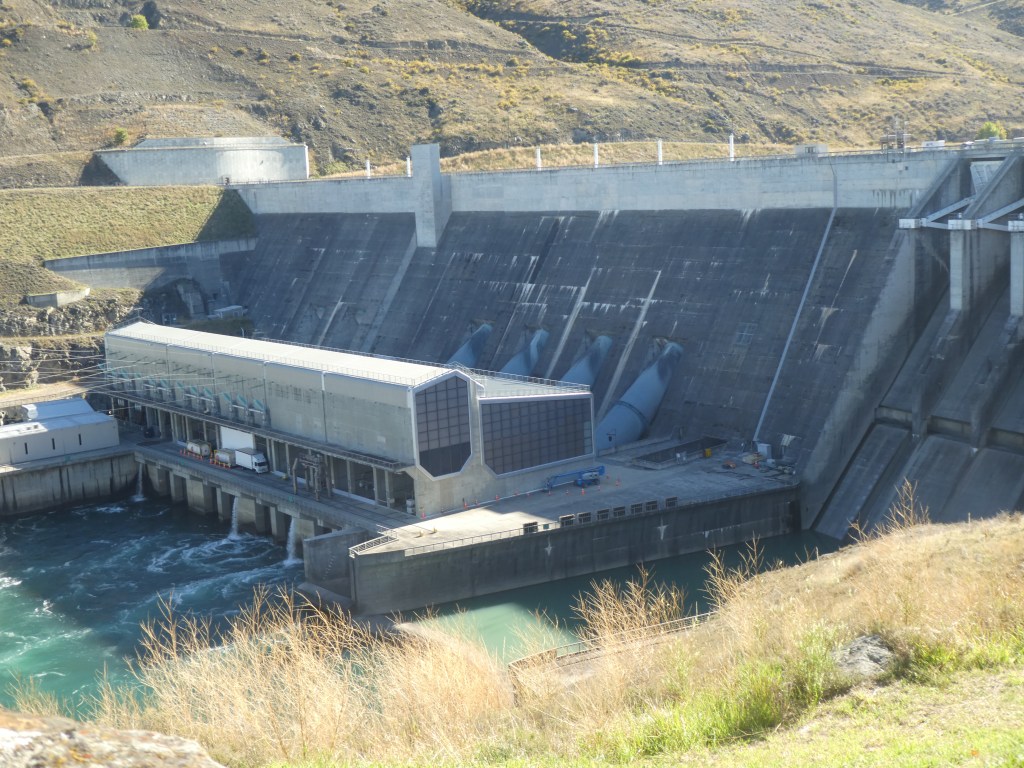
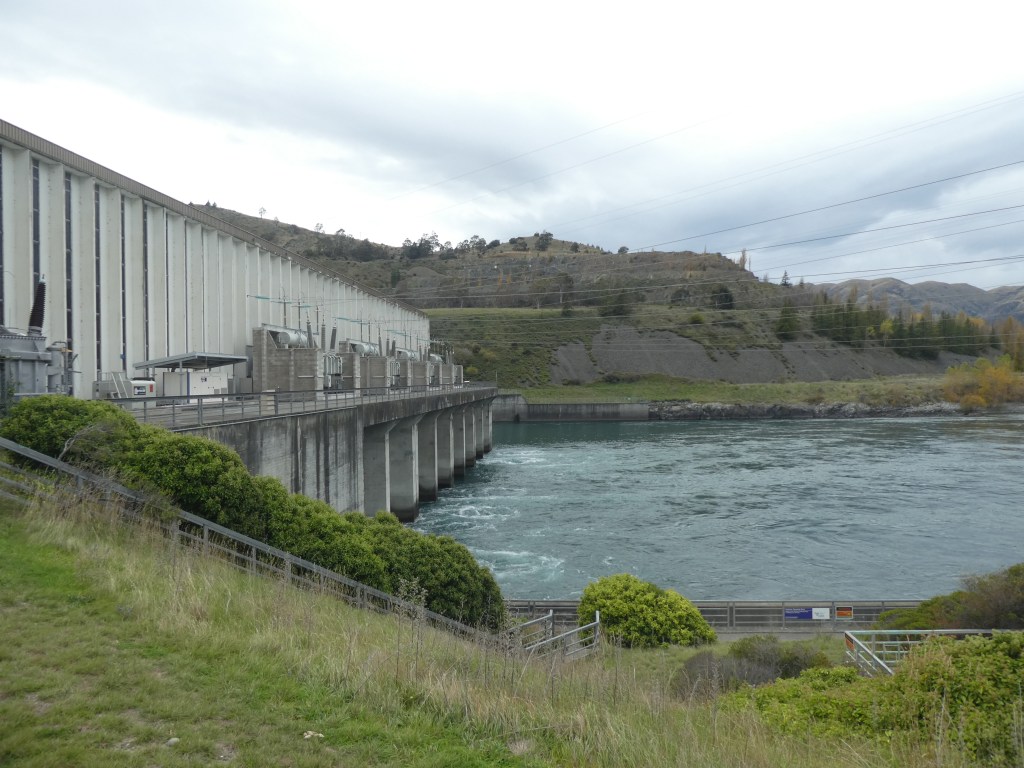
New Zealand relies heavily on this area for the generation of electricity. In the course of our travels we have visited 6 dams – one I have already written about down at Manapouri, but we have visited also the Clyde Dam, the Roxburgh Dam, the Aviemore Dam, the Benmore Dam and the Ohau A Dam.

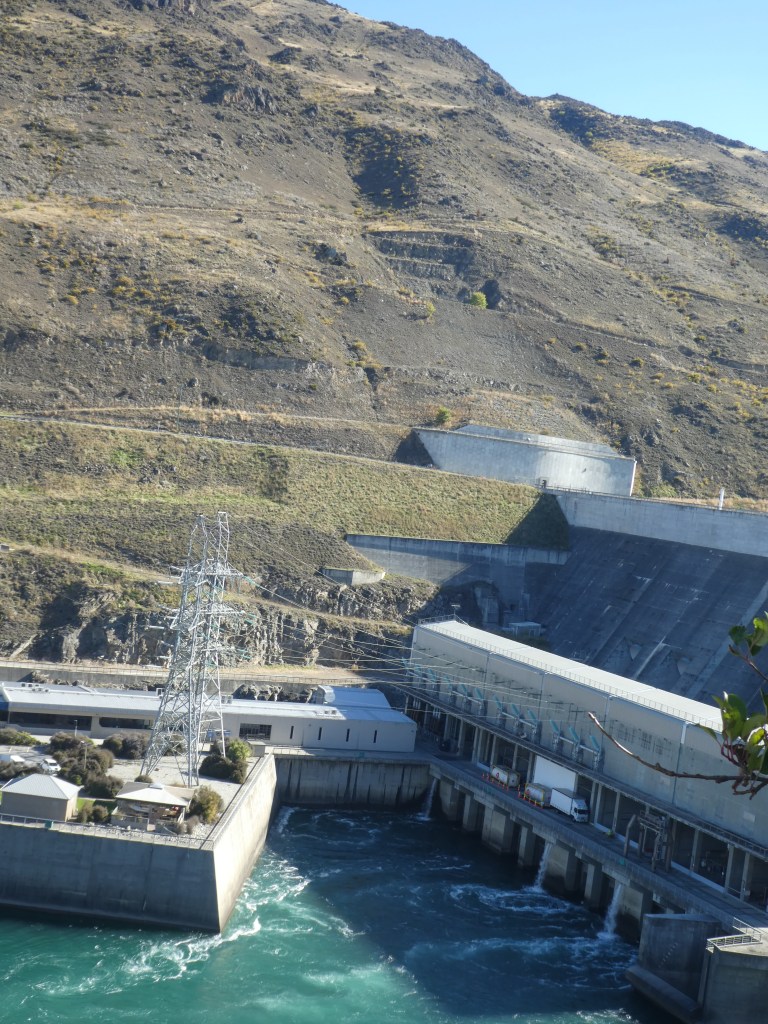
The Clyde Dam was notable because it’s construction meant that the original township of Cromwell was flooded by the lake (Lake Dunstan) it created. Bits of the old township were removed and preserved in what is now known as the Old Precinct. This dam produces 464 megawatts of power which is enough to supply the electricity needs of 430,000 kiwi homes, and 20% of the country’s electricity.

Further down the river is the Roxburgh Dam, and generates another 392 megawatts. We only had a drive by of this dam.

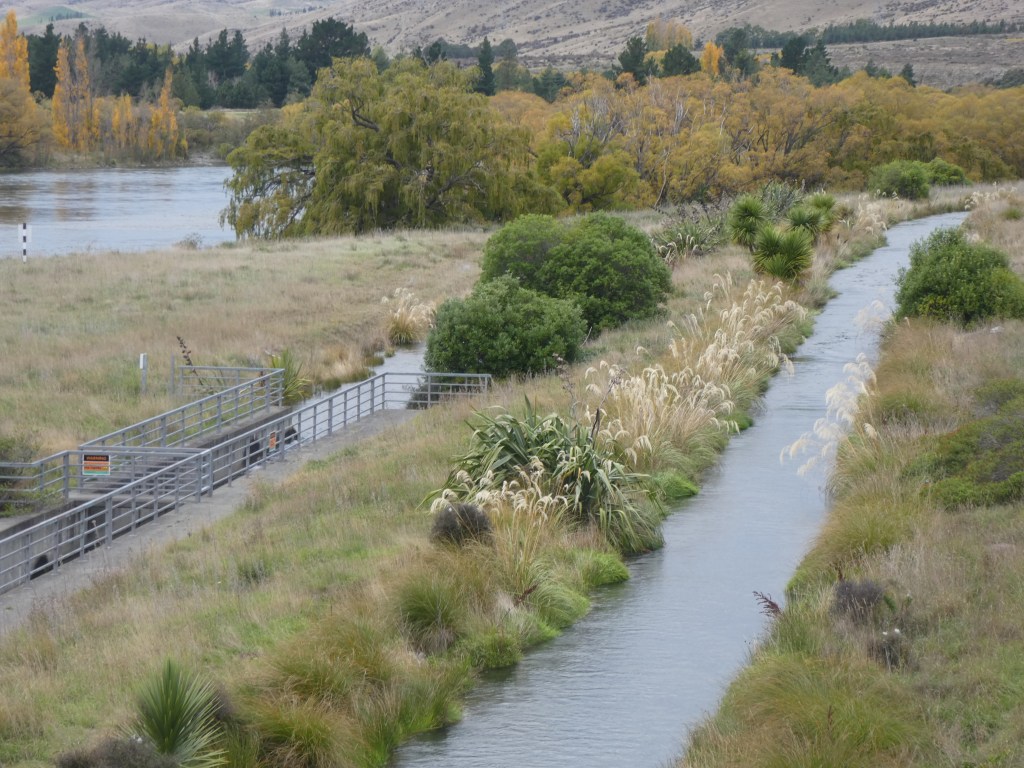
We spent a bit more time though around the Aviemore Dam which is on the Waitaki River. 30% of New Zealand’s power is generated along this river, with the Aviemore Dam producing 220 megawatts. This dam is also notable because it has canals on the side so the trout and salmon can have a safe place to spawn. There is no fishing allowed here of course.

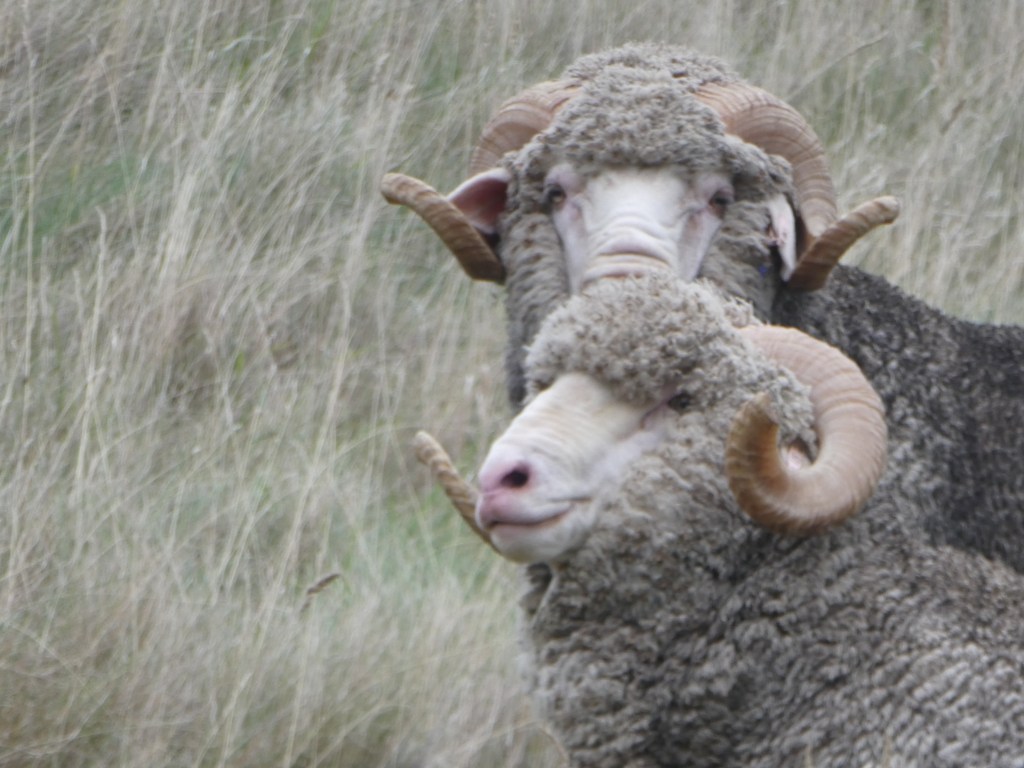
The canals have been built so they have fine gravel at the bottom, where the fish can wiggle their bums in and lay their eggs, and also a series of little concrete terraces so that this material cannot get easily washed downstream. Our visit to this dam was supervised by a handsome couple of merino rams and their ladies.

Further along is the Benmore Dam, which is different in that it is not made of concrete, but is an earthern dam. Not only that, it is the largest earthern dam in NZ, producing a further 540 megawatts of power for the country. It has a large lake that is apparently good for fishing, but better from a boat.

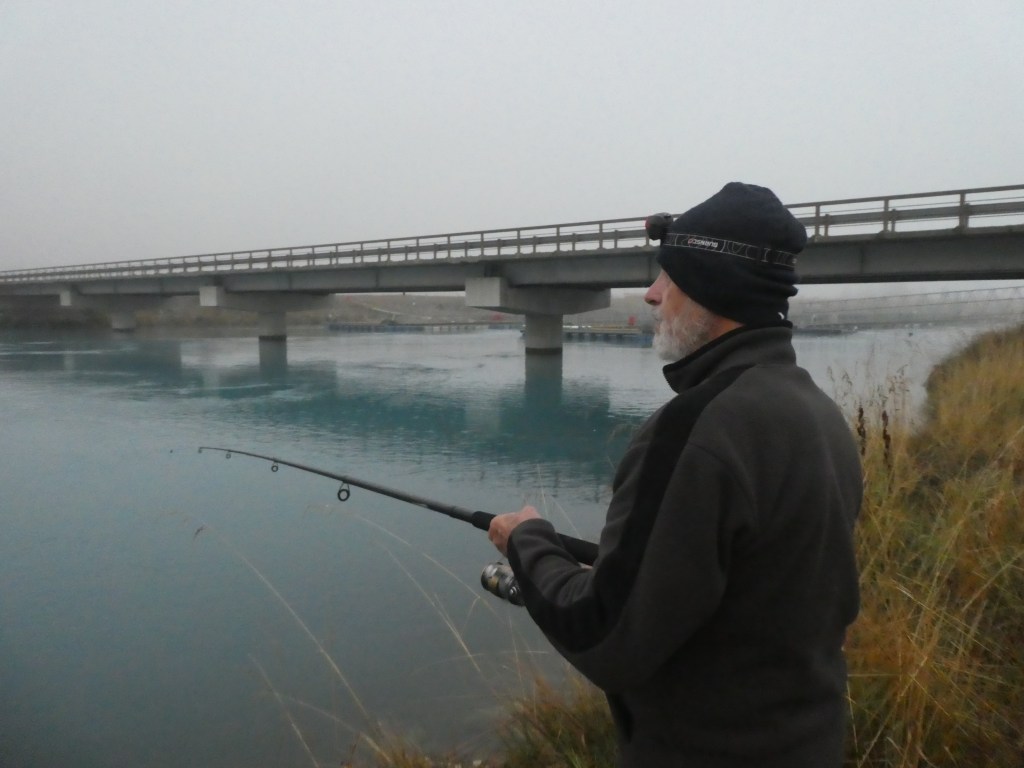
We spent a couple of days on the Ohau Canal, where Bruce was supposed to catch us a salmon. He certainly gave it a good shot, but we ended up buying our salmon from the salmon farm next door. Our time there was restful and relaxing, despite not catching any fish.

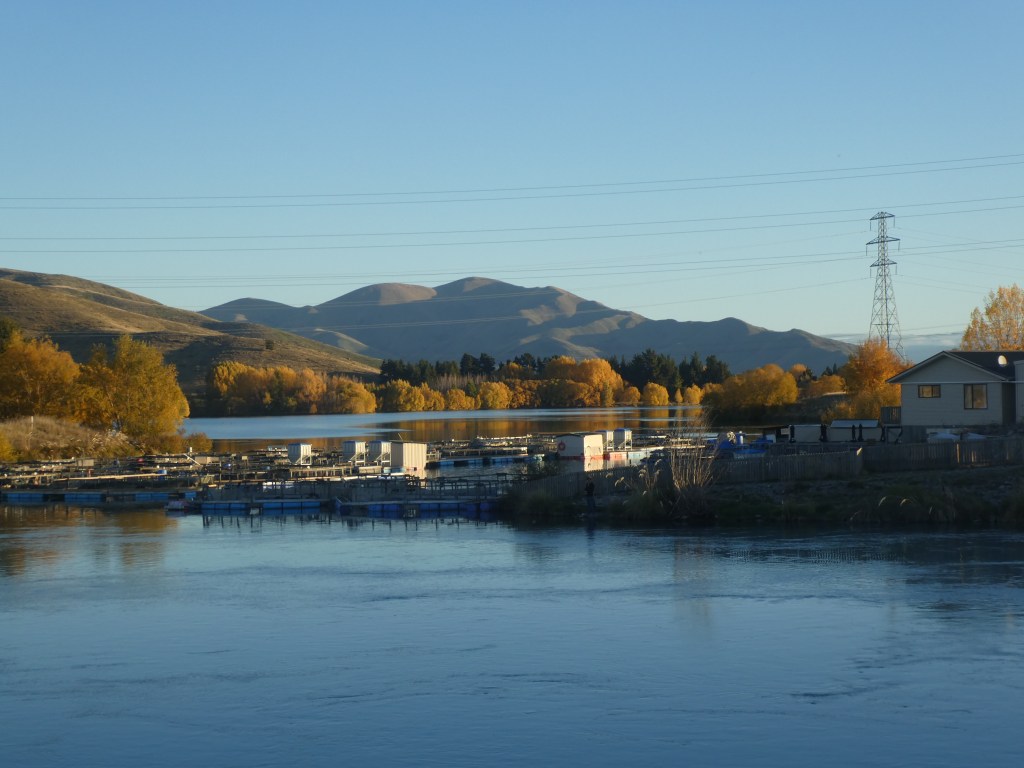
The fishing spots along the canal are popular because of the salmon farms there. It was so frustrating when we could see the splashes of the fish, see their large bodies jumping out of the water, and despite trying many different lures, as well as raw prawns, Bruce could not get one on the hook. Mind you, neither could anyone else it seemed.

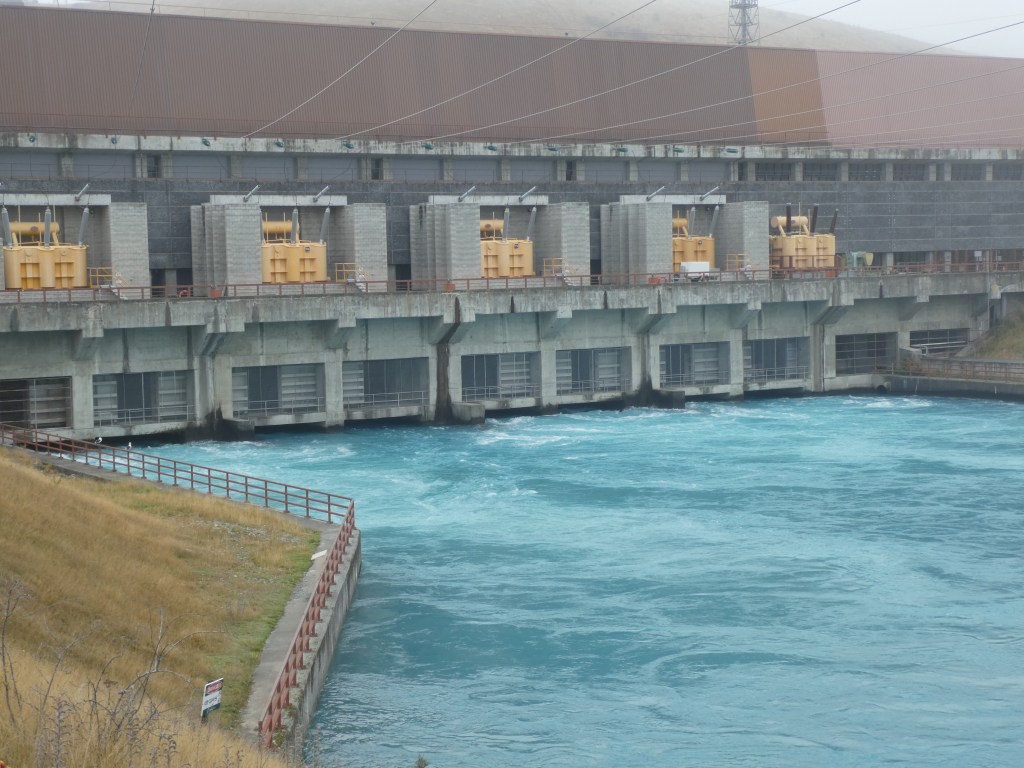
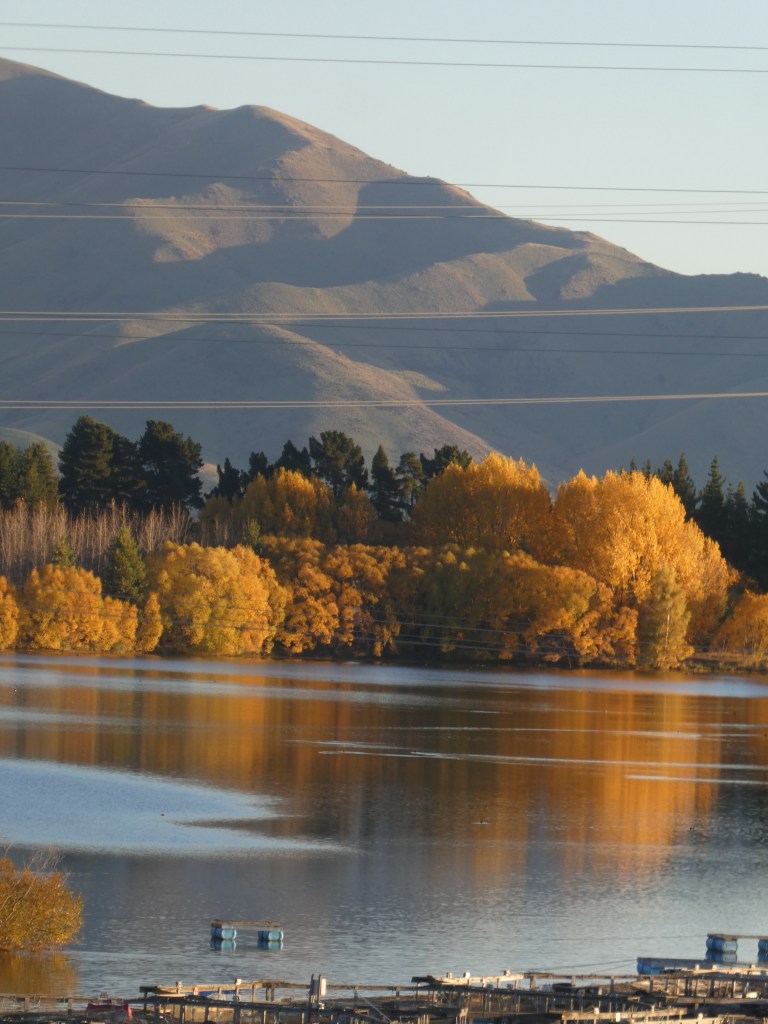
These canals are formed from the network of three Ohau power stations (A,B,and C) along the Ohau River. This time we took a detour to visit the Ohau A dam, which is a concrete dam producing 264 megawatts of electricity. Although it is a smaller dam it is still stunning largely because of the alpine water it processes – the colour is out of this world, and it is full of nutrients that fish thrive on.

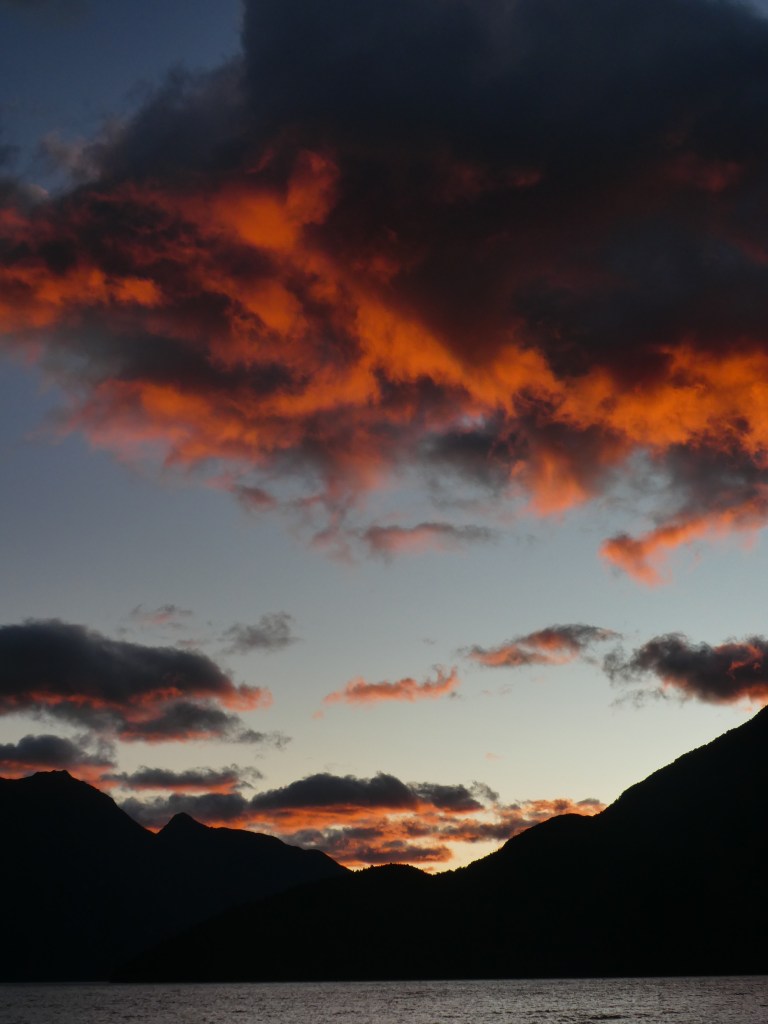
The only downside of camping alongside lakes and canals in autumn is the morning fog.

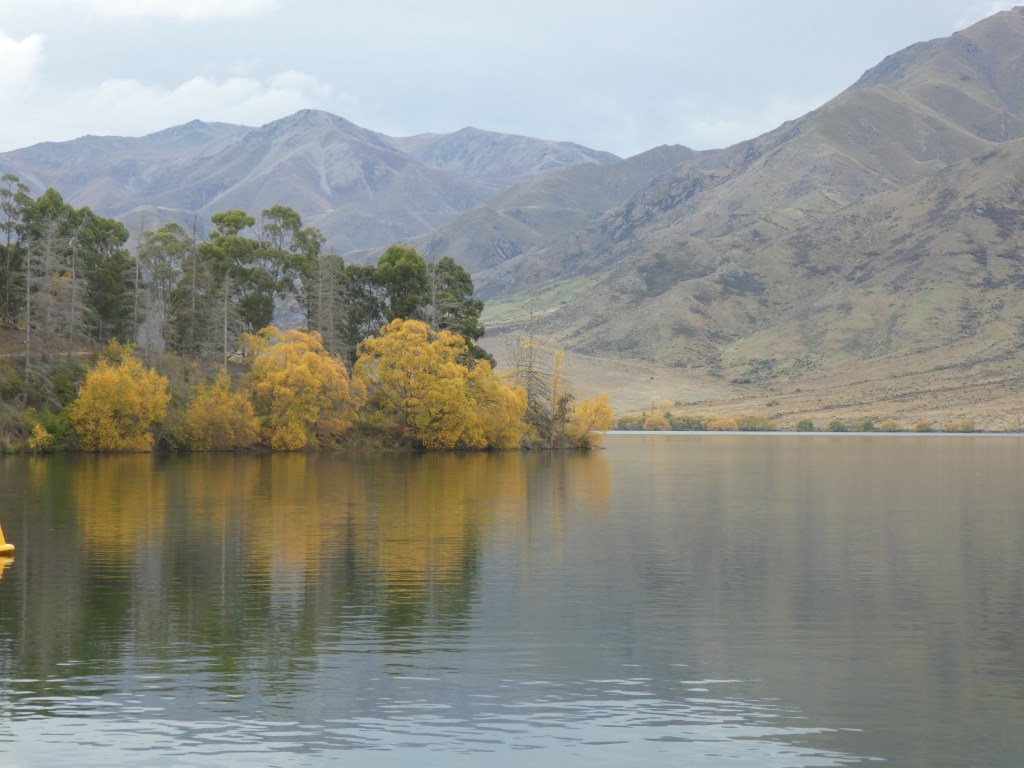
When the fog lifts though, the autumnal colours, along with the colour of the glacial waters, give some magnificent sights.

Duntroon and the Takiroa Maori Rock Art

We finally made a getaway from Gore, with new tyres on the back and feeling confident that we can drive normally again. We decided to make our way towards the fishing grounds at Twizel, but ended up in Oamaru instead of our intended destination of Waimate, because of road works and rolling 50 minute road closures on that road. Bruce suggested staying at Awamoko NZMCA Park, but I wasn’t keen. To me it seems to be just a paddock in the middle of nowhere, with a neighbour who complains if you get too close to her fence! Therefore, we pushed on to Oamaru township and stayed at their A&P showgrounds – another lovely setting.

They have a fully enclosed soccer field there where dog owners come to let their dogs have a good run. One one occasion there was a couple of border collies having fun chasing balls around. On another occasion there was a woman with 5 greyhounds, accompanied by a chihuahua. The greyhounds were magnificent when they hit full stride, and it was nice knowing they were running for the joy of it, and not because they had to.

It was a bit of a strange day in Oamaru. The day started off beautifully clear, but by 12pm the sea fog had rolled in and it took several hours to lift.

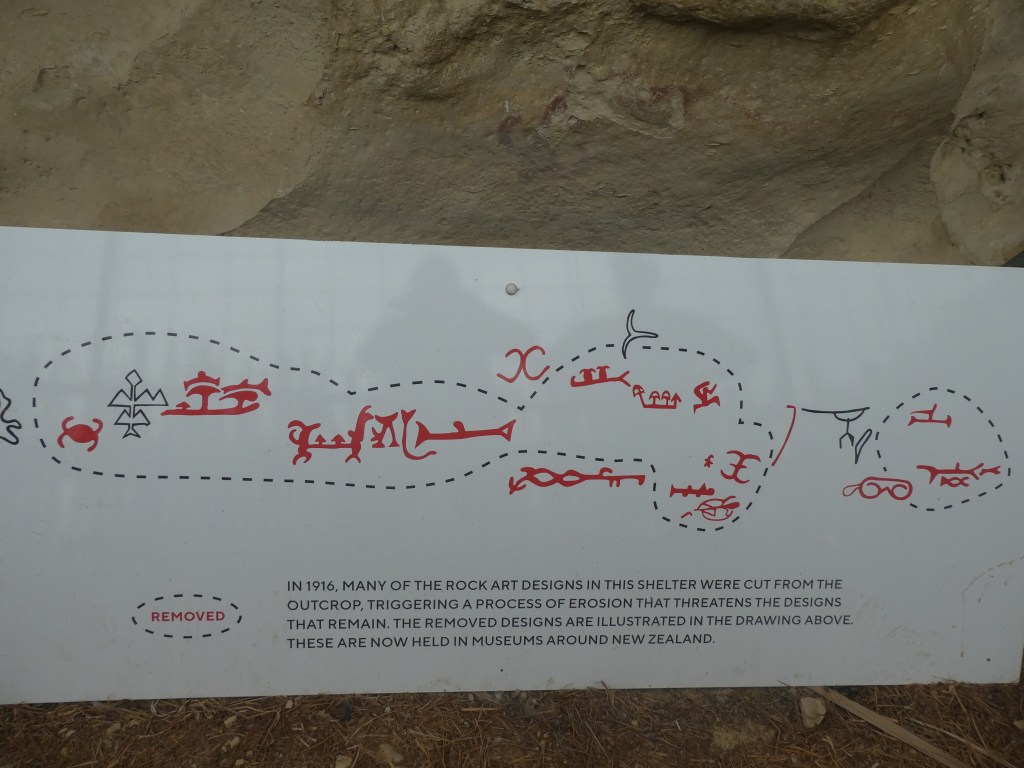
After exploring a bit, we headed out of town towards the dams (Benmore and Aviemore), stopping to explore the Maori Art at Duntroon.

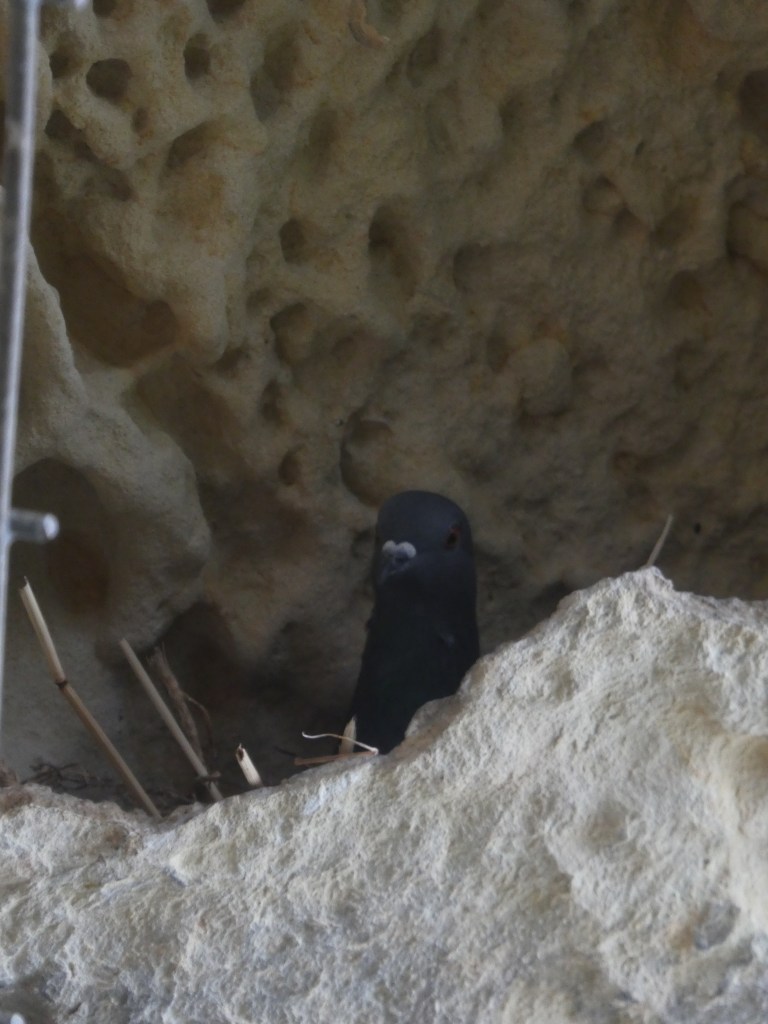
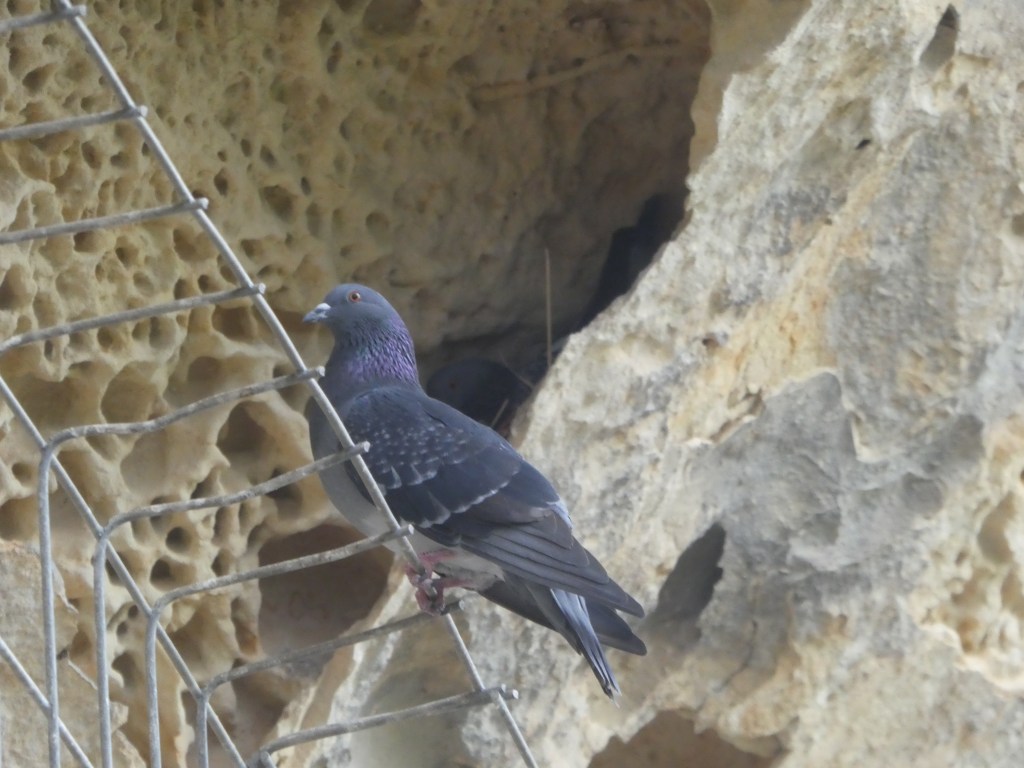
The land around this area is very similar to that at Omarama with the clay cliffs. The clay cliff faces here have been weathered by the rain and wind into all sorts of shapes.

Unfortunately, this landscape provides an ideal habitat for pigeons. They had built there nests in all sorts of places. The place stunk of pigeon poo and the ground was covered with droppings and feathers.

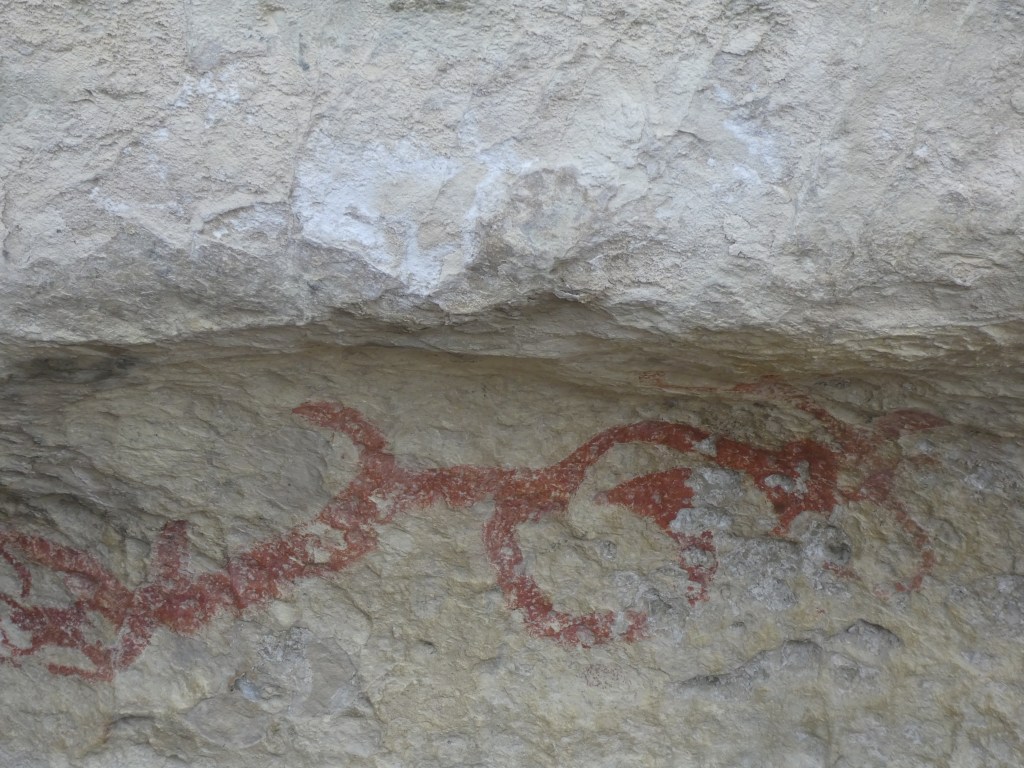
The rock drawings were in a fenced off area because of the vulnerability of the cliff face. Apparently, some well meaning scientists decided to try and cut some out to take to a museum, but that destroyed some of them, so the rest have been left alone.

I remember our guide to Farewell Spit saying that the Maori, his people, were a stone-age people, and I think this is certainly true when you look at their art. The Maori are believed to have settled NZ in the 1300’s, so conceivably these drawing may have been done in the 14th century BC.

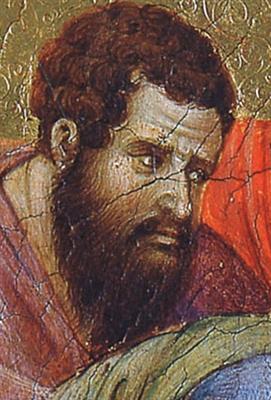
Compare this to European art of the 13th century – no comparison really. I think that is what geographical isolation does for civilisation.

This painting is a portion of one called ” The position of Mary in the Tomb” believed to be painted in 1311

Gore

We carefully drove back to Gore following our Doubtful Sound cruise and set up camp again in the A&P showgrounds. The next morning, right on 8am, we headed back to Carters Tyres. Unfortunately, there was more sad news to come. They could not locate or obtain the tyres that Bruce had requested, so being a helpful company, they had acquired the same brand of tyres to put on the truck. When I explained that we were not very happy about that, seeing as 4 out of the 8 Hankook tyres we have purchased up until now had failed us, they understood the dilemma and arranged for them to be returned to sender while they found something more suitable. We were told they would probably have them that afternoon, so it meant another day in Gore for us – not really a hardship.

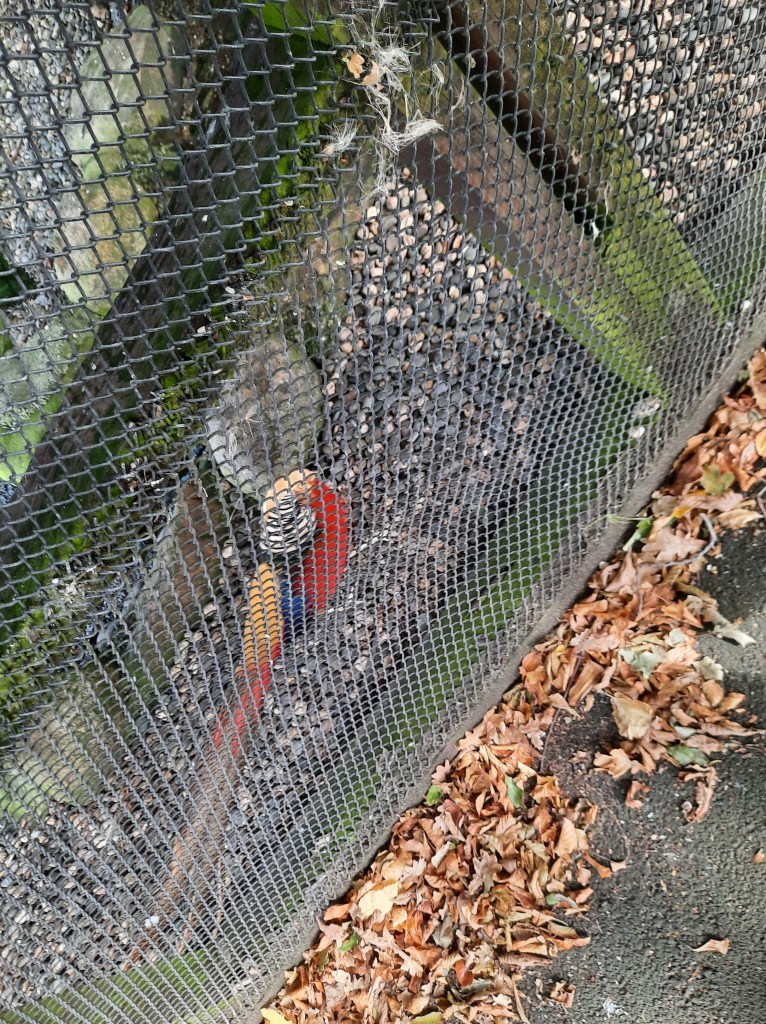
We decided to explore the Gore Public Gardens and Aviary. The aviary was quite large really, and the stand out performer was the Golden Pheasant from China.

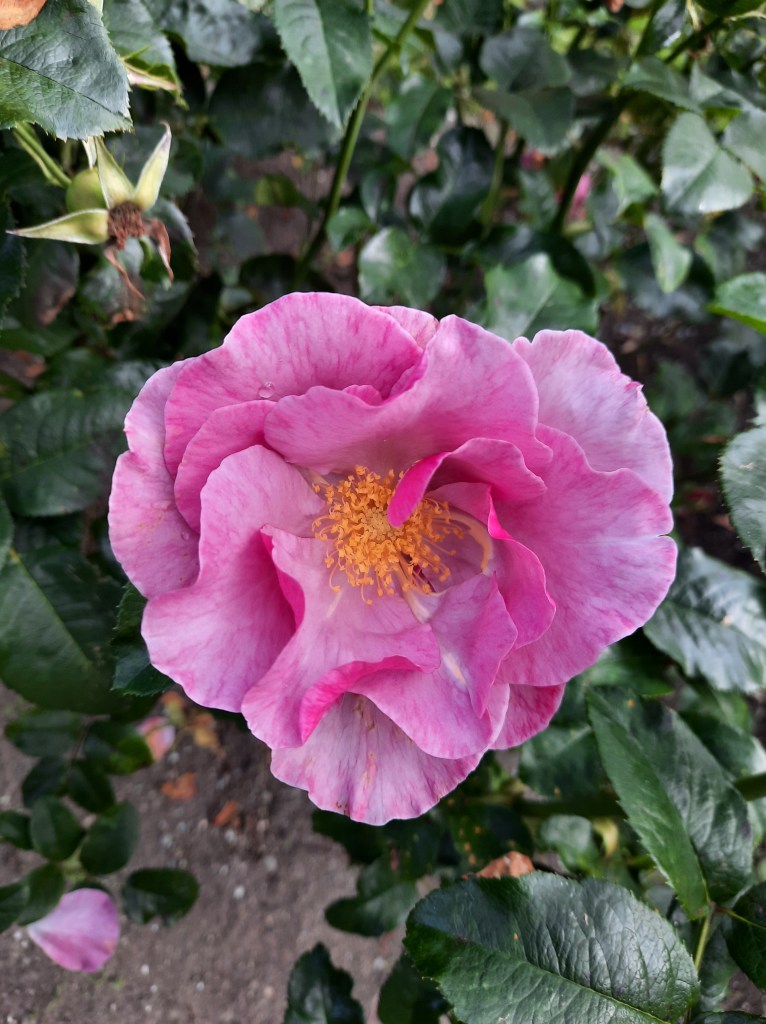
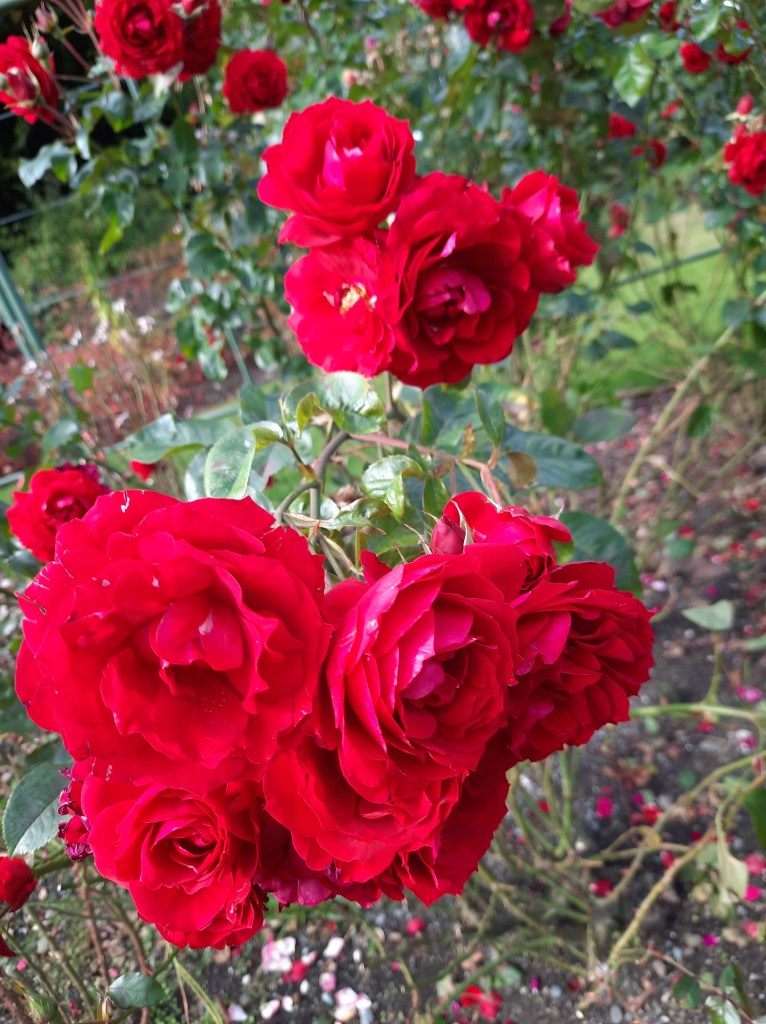
Bruce and I spent several hours sniffing all the rose varieties to see which were scented and which were not. Not many of them were actually, but the blooms, while nearly end of season, were still lovely. We had a pleasant time.

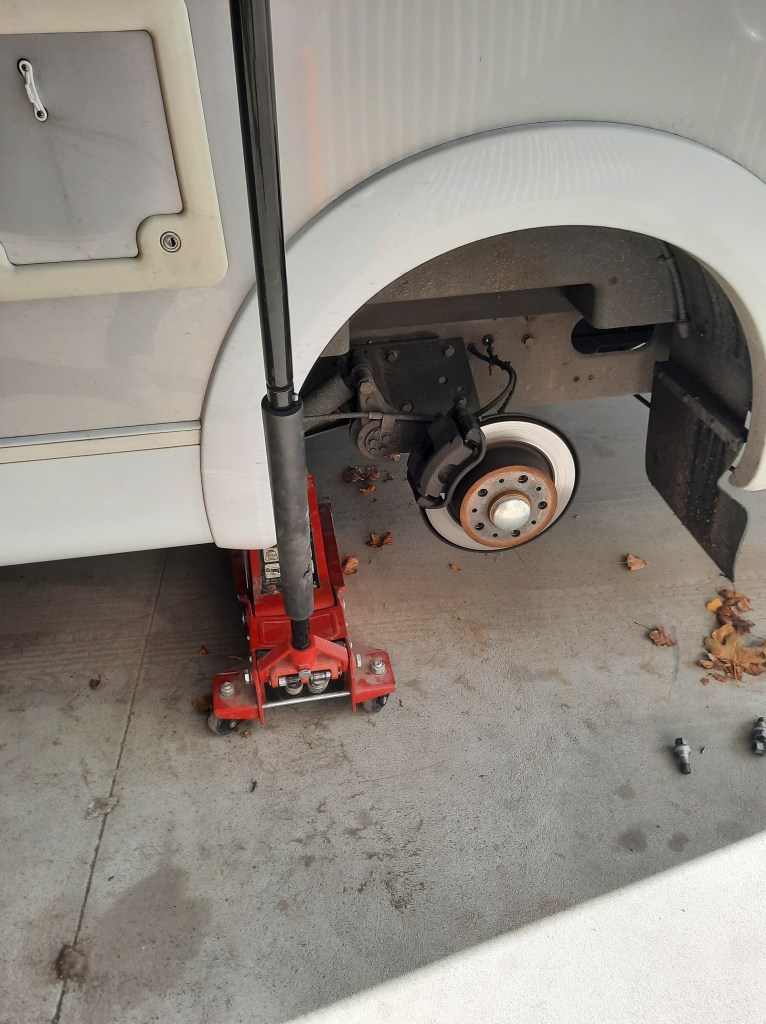
We finally got the call to return to Carters, so we trundled around there. Poor Globe4Us looked a bit sad there for a while without any back wheels.

At last though we could relax – we had good tyres on the back, and they even threw in, at no cost, the tyre they had lent us. This was put on the spare wheel as it was in much better condition than the one we had. The bill, while expectedly steep, was still less than we thought it would be, and we would heartily recommend the crew at Carters Tyres Gore.

Doubtful Sound

Luckily Bruce and I reached Te Anau, after traveling the distance at a much slower speed than normal because of the tyre situation. Thankfully the roads were really quiet and we did not hold anyone up. We reached Te Anau in plenty of time to go for a walk and have a quick look around, including finding where we had to report to in the morning.

The weather was drizzly and we hoped it would be OK for the Doubtful Sound trip. We got up early the next morning, but before we went to check in, we both did RAT tests and were thankful they were both negative.

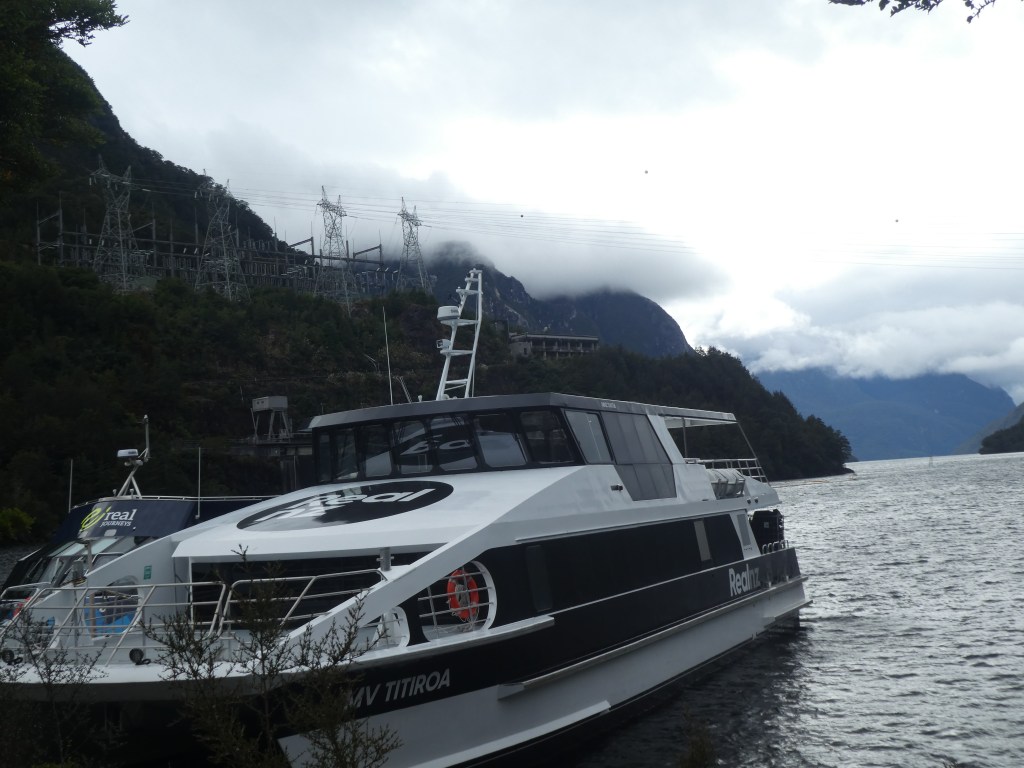
The first part of the trip was a van ride to Lake Manapouri, where we climbed aboard the larger ferry, with many others, for a trip to the end of the lake.

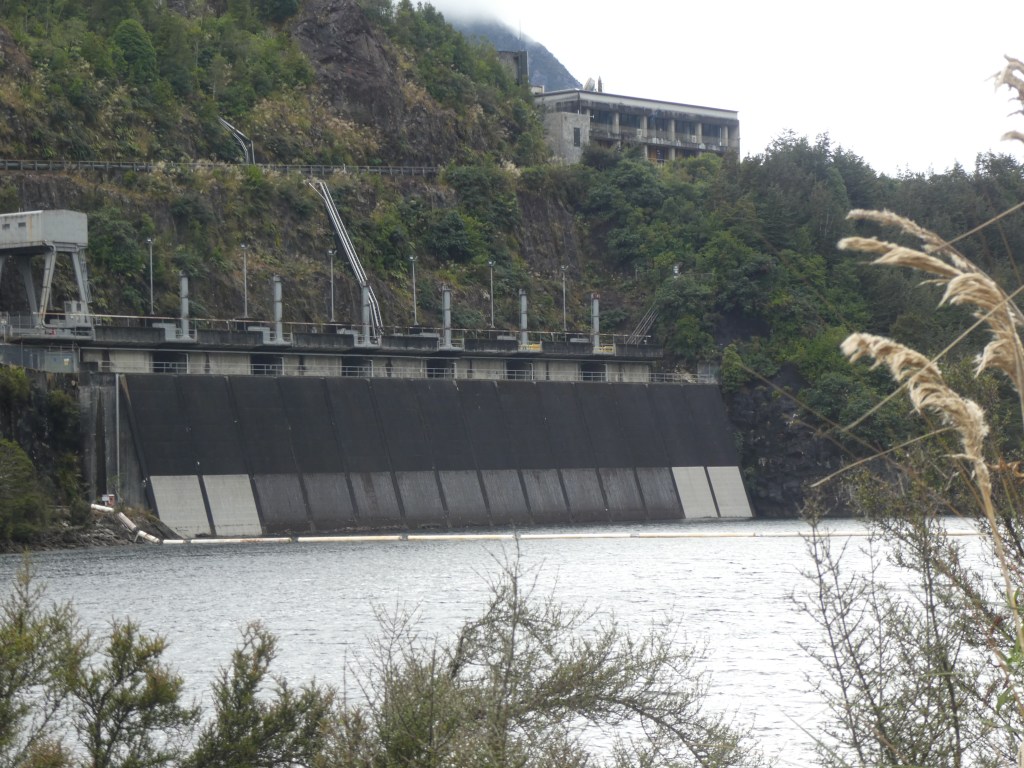
From the end of the lake here we could get a good view of the Manapouri Power Station.

90% of it’s power is sent to run the Bluff Aluminium Smelter, but this can go as high as 100%. It is because of the power available that the smelter (which gets its bauxite from northern Australia) can produce very high quality aluminium that is used for the building of aircraft. As the aircraft industry has been in decline, and also because they are looking at different materials for the building of aircraft, the demand for this high quality aluminium is in decline, which places the future of the smelter in doubt.

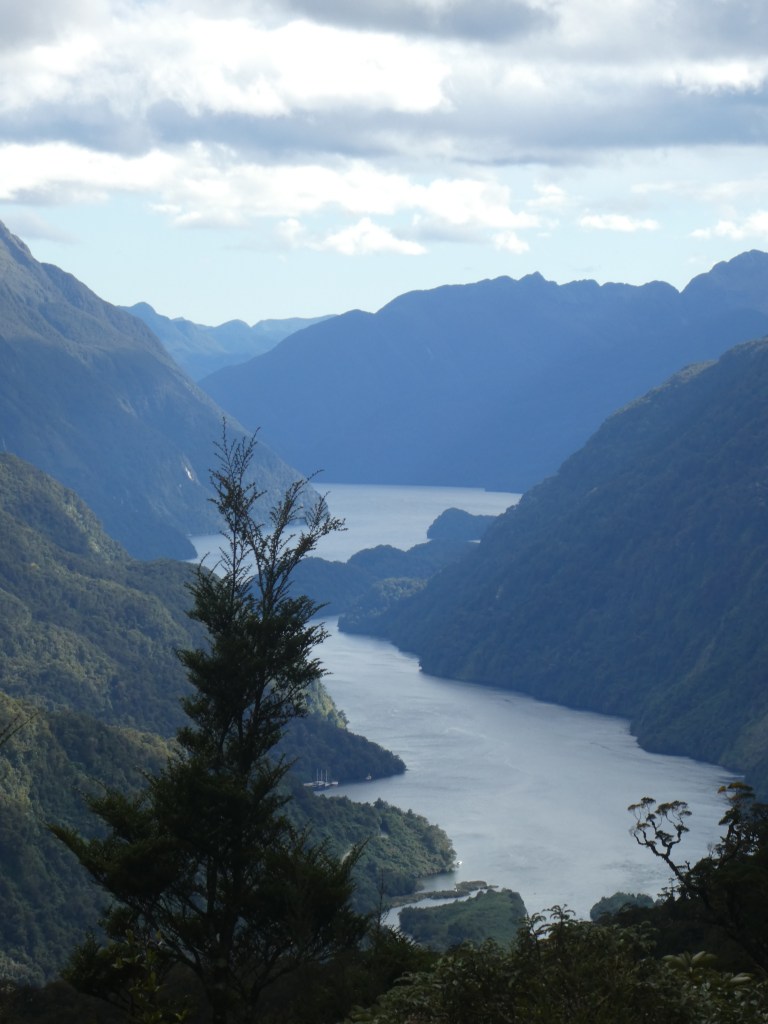
We were collected at the end of the trip by a guy called David, and loaded into yet another van for our ride over the Wilmott Pass. This road was especially built (at great expense) for the transportation of all the heavy machinery that was needed to build the Manapouri Power Station. It cost $2 to build an area the size of a $2 coin!. It is an unsealed road, full of corrugations and potholes, and very steep in places, but offers a magnificent view of Doubtful Sound near the top.

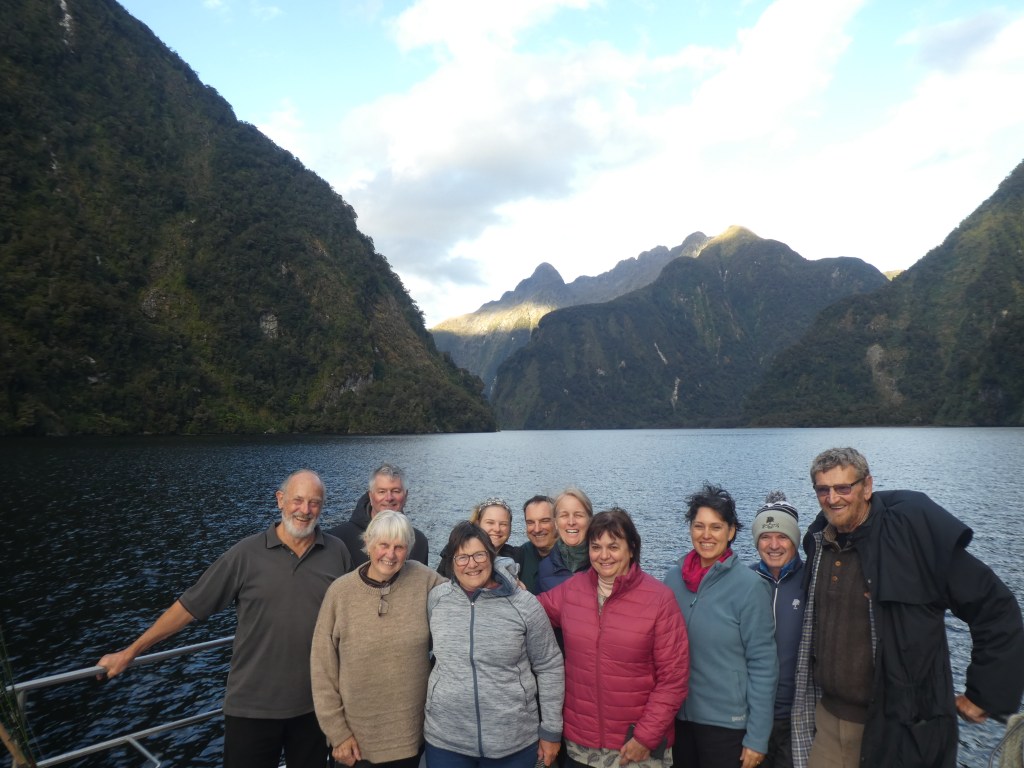
There were 11 of us going on the boat, along with David, who was not only our van driver, but our captain as well, and Jenny who was our hostess and cook. One elderly couple were from Picton; one couple from Australia; one couple from England; and a couple and their 21 year old daughter from Georgia, USA.

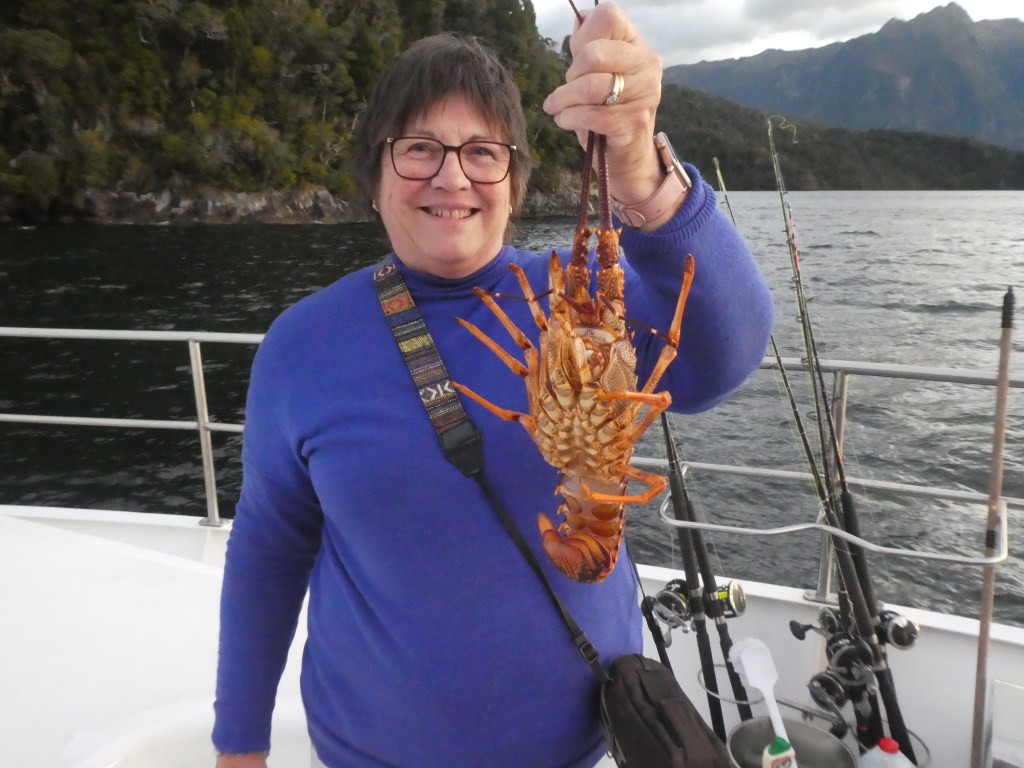
We were no sooner on board than David had got us on our way. We were assigned our cabins (each with their own ensuite) and lunch was set out about half an hour later. What a lunch it was – fresh crayfish that had been caught by the boat, and various salads.

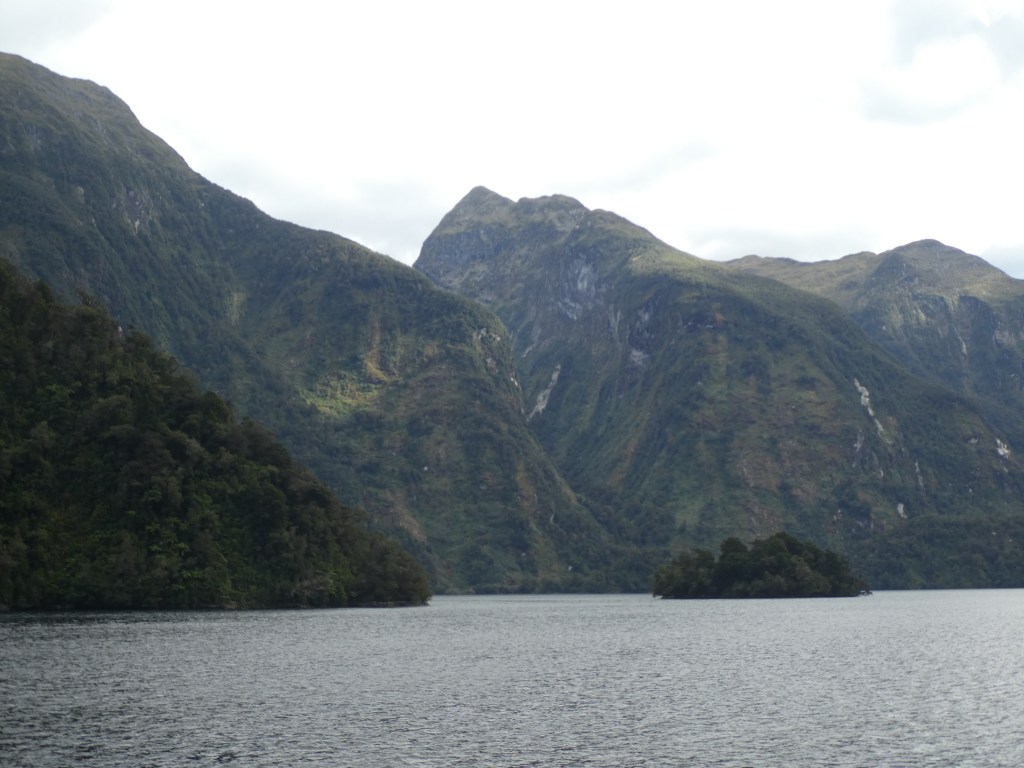
Doubtful Sound is very beautiful. The sound, or more correctly, the fiord, was carved out by glaciers many millions of years ago. The sides are very steep, and that includes down below the waters edge. The sound reaches depths of close to 700m.

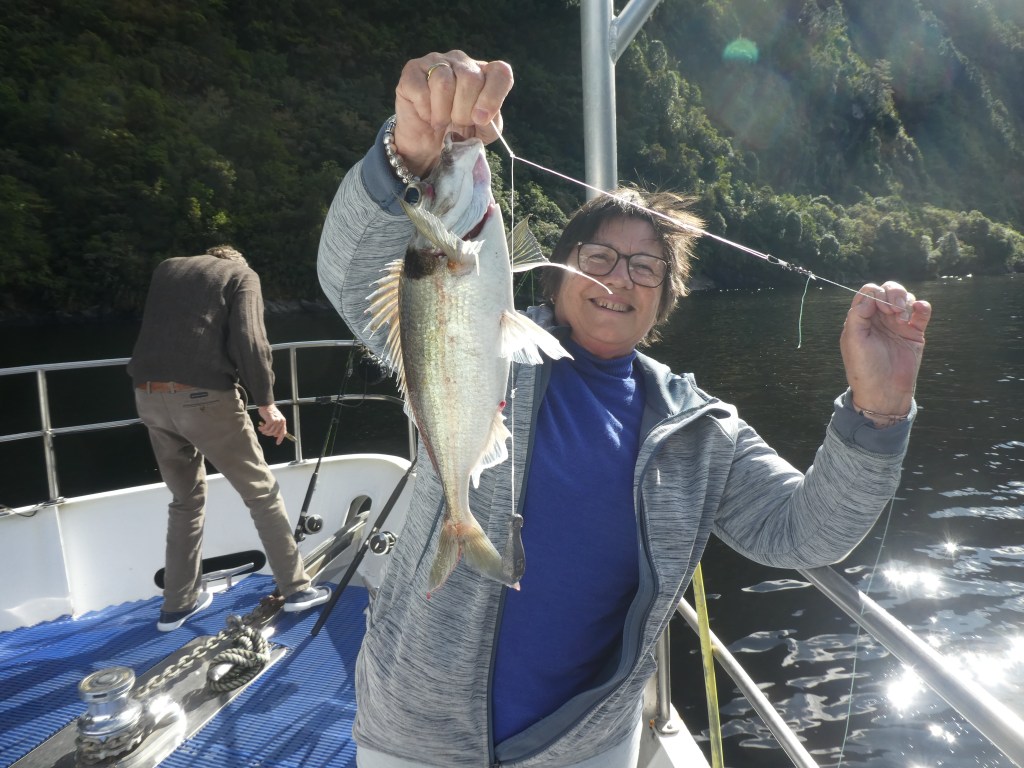
The afternoon activities included some kayaking for those who wanted to; some swimming for those who wanted to (no takers on that one as the sea temperature was only 15 degrees C), and some fishing. I was lucky enough to catch two terakihi, and a parrot fish. Someone else caught a large blue cod, and there were two undersize cod and a shark caught as well.

We also lifted some cray pots,

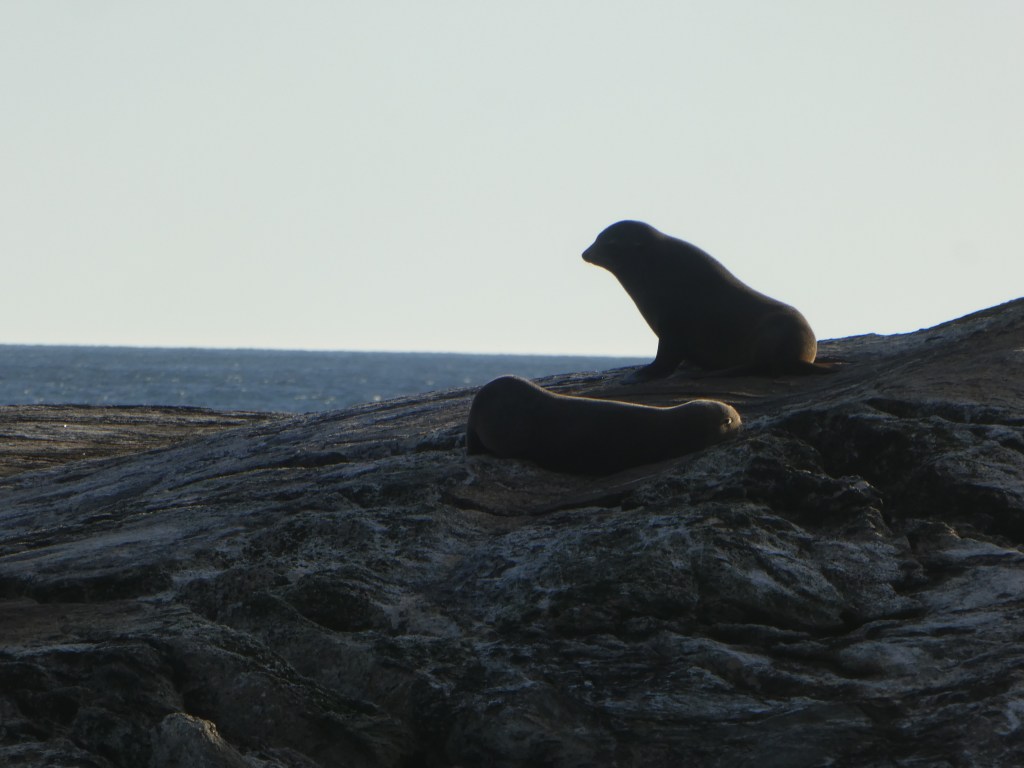
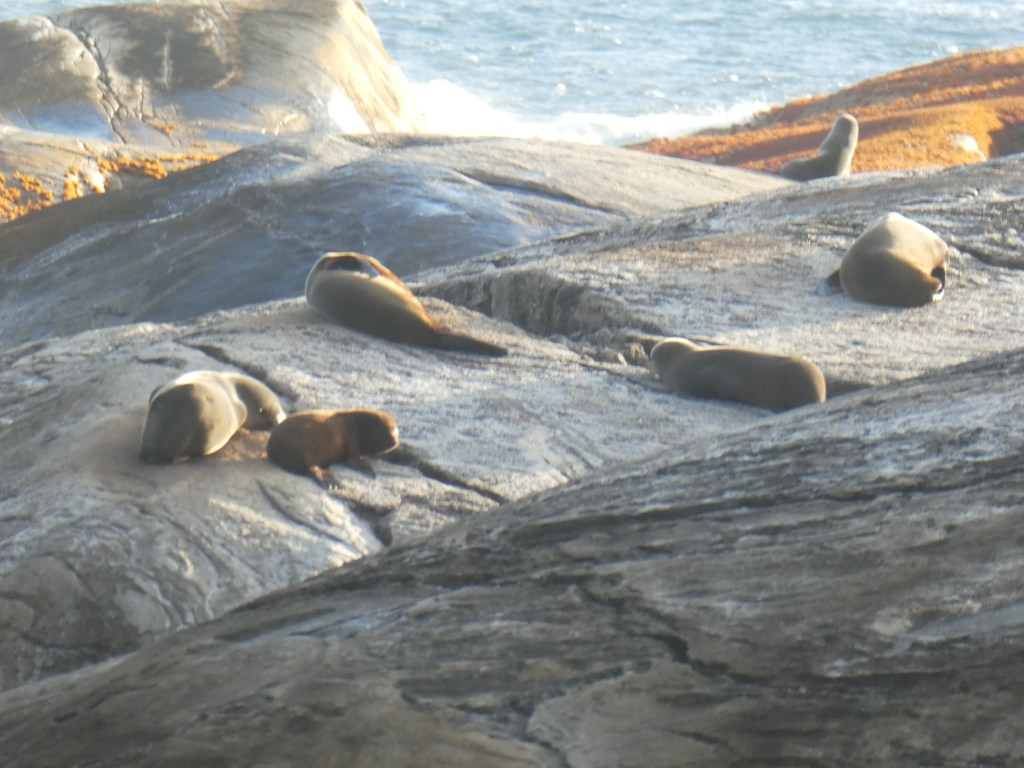
We made our was slowly out towards the Tasman Sea and near the entrance was a group of islands called the Shelter Islands, and a couple of them were home to a seal colony.

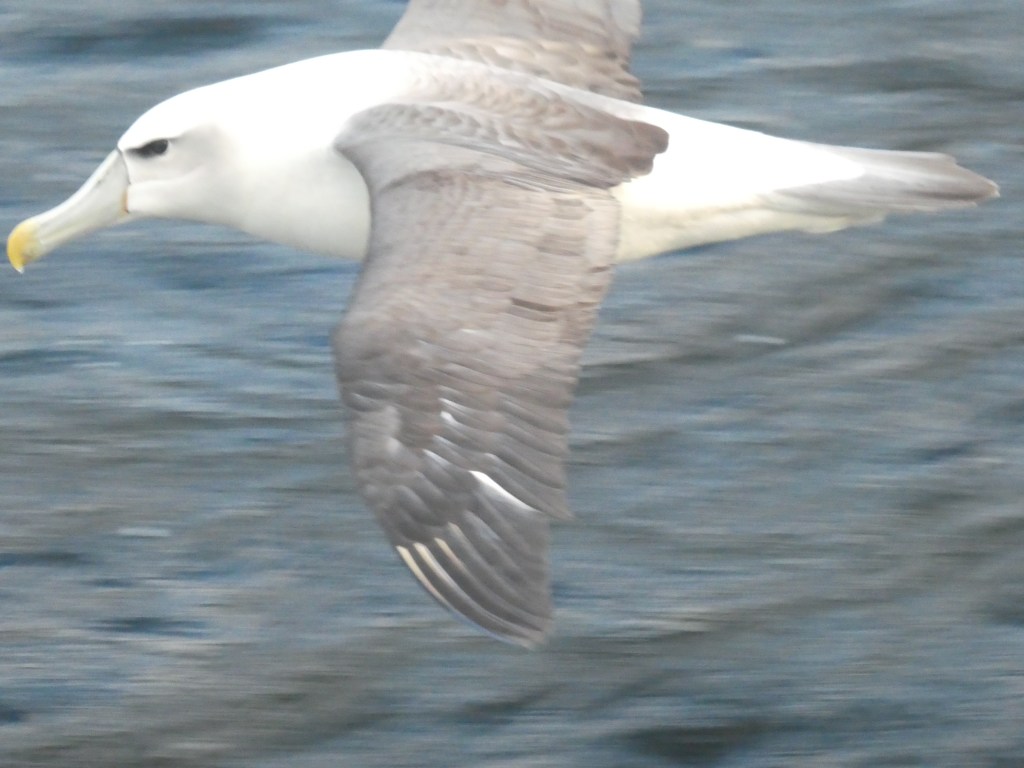
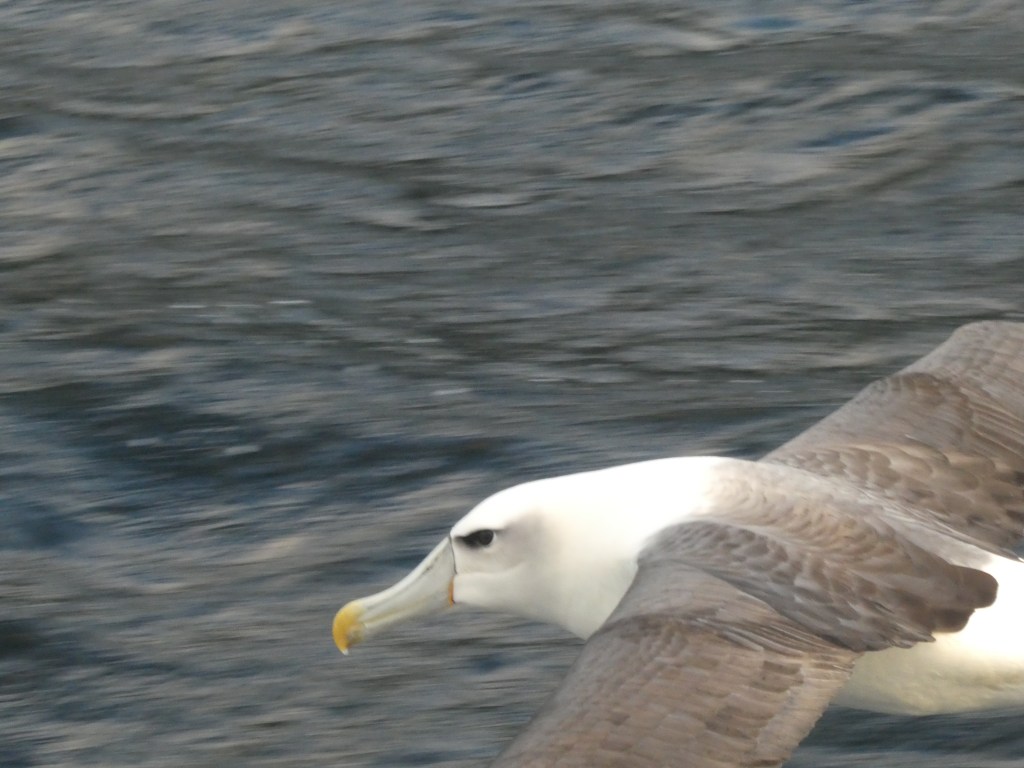
As we were making our way back in to the sound, we were followed by a Royal Albatross. This bird was magnificent, flying close by the boat on several occasions, giving us a good view.

We also had a couple of dolphin encounters. The Bottle Nose Dolphins seen in Doubtful Sound are said to be the largest in the world, and they certainly were big. They enjoyed swimming along with the boat before going back to their hunting for dinner.

Dinner for us was a magnificent meal of the fish we had caught, roast lamb and all the veges, followed by an ice cream sundae for dessert. We were not late to bed as roll call in the morning was 6am – that was when the motors started up, the noisy water pumps started working, and the boat started moving again.

The next day saw more clearing of the crayfish pots, and another dolphin encounter before exploring another arm of the Sound and then heading back to base. Once we got there and loaded our stuff into the van, David encouraged us to start walking, saying he would pick us up in about 20m. We did, but the walk ended up being a bit longer than that. Nevertheless, it was still pleasant.

Both David and Jenny impressed me with their professionalism and the way they worked together. They would have had no time to themselves all trip except when we were sleeping, and as soon as they drop us off, they start again with a new set of visitors. Therefore, they work about 18 hours a day, for 7 continuous days, and then they get 7 off. I am not sure how I would fare in their position. What a wonderful advert they are for their company!

Trouble comes in threes

Well, no. 1 was getting the flat tyre before getting to Pinders Pond, but little did we realise that, as we headed to Gore, more was yet to come.

We proceeded very cautiously along the highway to Gore, stopping in Millers Flat for a coffee and to check the wheel nuts. We had to pull over often to allow traffic to pass as we were going so slowly. The landscape around us changed rapidly from dry rocky desolation to prosperous green farm land. We were meeting Kay and Richard in Gore, but they were about half an hour behind us. In the meantime we made a callout to the Carters Tyre people. Bruce felt we needed to get the spare tyre transferred to the original wheel rim. They agreed to meet us as the depot so we drove there and parked up. Their technician arrived a few minutes later and asked us if we had told them the correct wheel, pointing out the driver’s side back wheel was flat. That meant we had two flat tyres and only one spare! Needless to say they did not have the tyres we wanted on the shelf. As he was trying to call their Invercargill depot, Kay and Richard arrived. We had visions of them having to drive us back to Invercargill to collect some tyres, or at worst case, a rental car! Thank goodness we weren’t having to deal with dogs as well as all this!

Invercargill were not answering the phone, so this wonderful technician found a second hand tyre that would see us through until we got back from Te Anau, and put the spare tyre on the original wheel rim, and we were sorted for now. I did not dare ask the price, because whatever it was, it was worth paying. He was going to order us two new tyres which we would come back and have fitted on Friday.

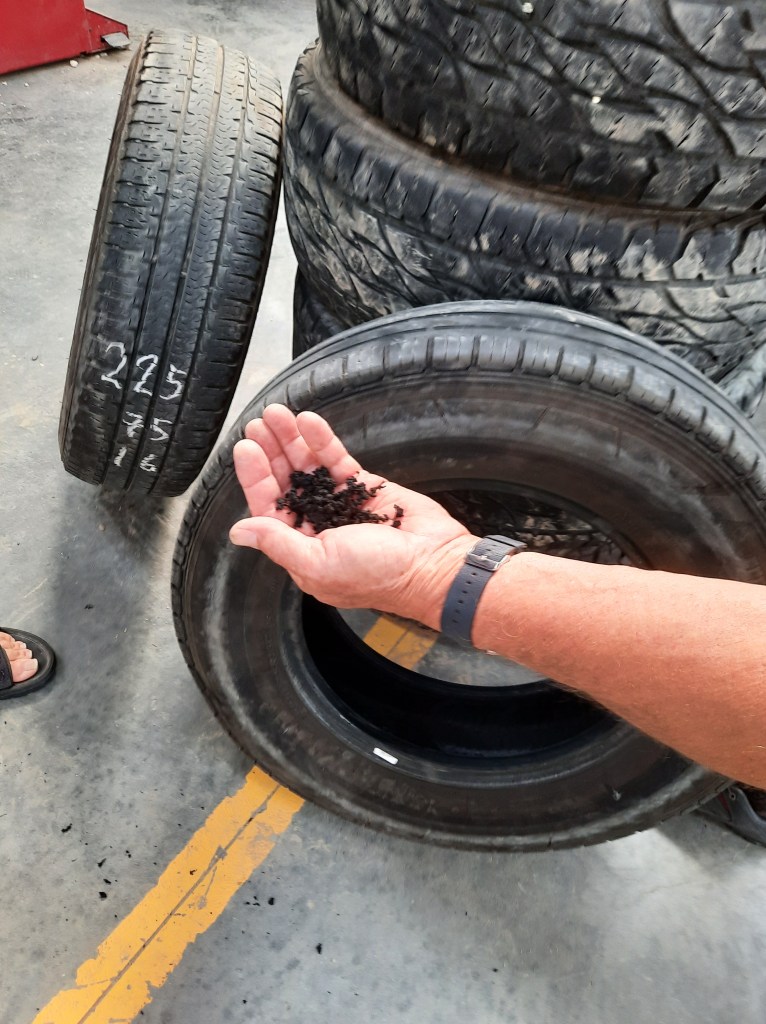
The second flat tyre could not be fixed either. It had also delaminated and was disintigrating inside the tyre.

To say that Bruce is less than impressed that 4 out of the 8 Hancook tyres we have purchased have failed so dramatically would be an understatement. However, we were very lucky again that the second tyre failed in the tyre yard or we would have been well and truly stranded.

After getting the wheels sorted we made our way to the A&P showgrounds to park up. It is a great setting here – on grass underneath trees, and with power and other amenities if you want them. We had a lovely happy hour catch up with Kay and Richard and then headed across the road to the Town and Country Club for a lovely dinner of blue cod and chips.

The evening was peaceful, but the next morning we received a text from Kay – Richard has tested positive for Covid! We had just been saying at dinner last night how grateful we were that none of us had caught it – well, the run of luck is over. Fortunately, Richard is not feeling too bad, but I guess it will be inevitable that we will get it also, having been in such close contact yesterday. We wait and see.

In the meantime, it is Easter, and Tuesday is Southland Anniversary Day, so all chemists and Drs are shut. Fortunately, Kay has a GP friend here so she was able to get them the antiviral medications etc, and we should be able to access some first thing Wednesday morning if we need them.

Pinders Pond

This morning we went back to explore Clyde which is one of my favourite places. It is full of atmosphere, history and beautiful gardens. We complimented one man on his garden and he told us that the residents of Clyde take great pride in their gardens, but the winter will always decimate them.

We came across this fella relaxing and surveying his domain.

One of my favourite places in Clyde is Touch Yarns. They have their own farms that they get their fibre from, and it is processed especially for them, so their yarns are not obtainable anywhere else. They also develop their own patterns. I spent a bit of time fossicking around in their store, but it was quite crowded. It seems everyone else likes it too.

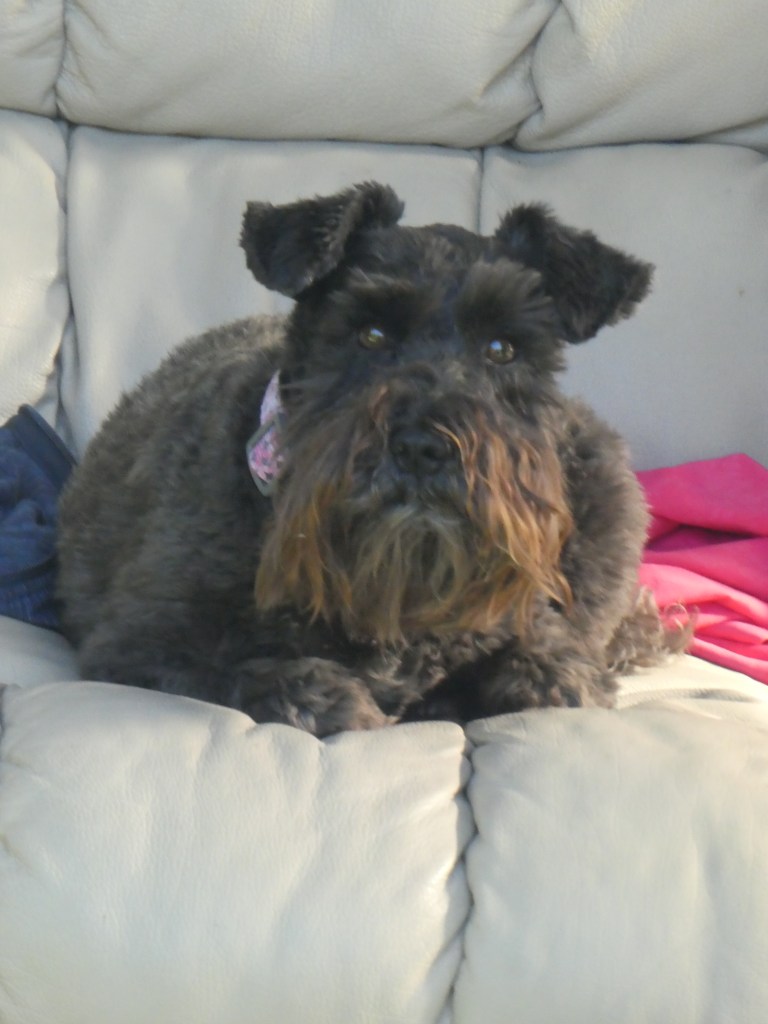
We then drove on towards Roxburgh where they had a market in place at the sports grounds. We had a good look around there but were not exactly big spenders. Bruce found a dwang ?? (used for fixing taps) at a second hand stall which was a whole $5. We also met Axl, who was a beautiful mini schnauzer (although not so mini), so we got our dose of schnauzer cuddles for the day. However, this market place was where our next saga begins!

We spoke to a lady who was manning the Info centre table, when we stopped to pick up a brochure on local attractions. She urged us to go up to the historic Mitchel’s Cottage, which was just 10kms out of town and she was sure it was a motorhome friendly road. Well, as it turns out, that was far from the truth.

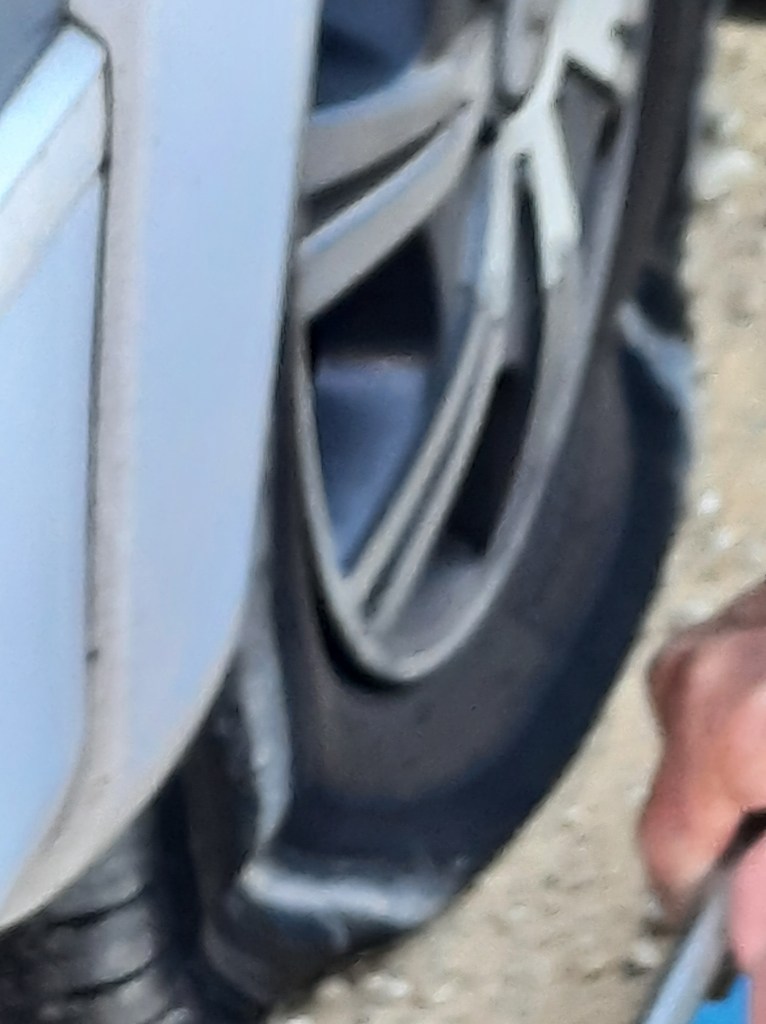
We found the road, although we initially went past it, and had to find a driveway that we could use to turn around in. We were only about 20m down the road when the motorhome started making a terrible noise. I got out, had a look, and found we had a VERY flat back tyre – our first ever puncture! Bruce had no choice but to keep driving about 50m to find a big enough driveway where he could pull off the narrow metal road.

Bruce had managed to get the jack under the van when 3 utes stopped to offer a helping hand. One guy had a bottle jack on board and had worked on trucks and motorhomes fulltime at one stage, so he was a great help, and we got the tyre changed easily with their assistance. The tyre looked like it had delaminated and bulged so we were very lucky it happened when we were going slow on a metal road, not 90 kph on the main highway.

The guys told me they were just out for a drive. They had come from Greymouth, and were heading up into the ranges, going over the top via the Nevis, landing in Glen Orchy, and then going back into the hills to get home – 3 young men in 3 utes having a great adventure! What lovely guys they were too! They told us we would not have got much further up the road in our van so when everything was all packed away again we turned around and headed to Pinders Pond.

Pinders Pond is the site of an old gold mine, and is now run as a camping ground by the Roxburgh District Council. It is a real gem of a place and quite popular. It is all freedom camping but it demonstrates that campers can be responsible – there was no litter, no misbehaviour – just a delightful spot with people having a good time. There were lots of dogs around but again no issues.

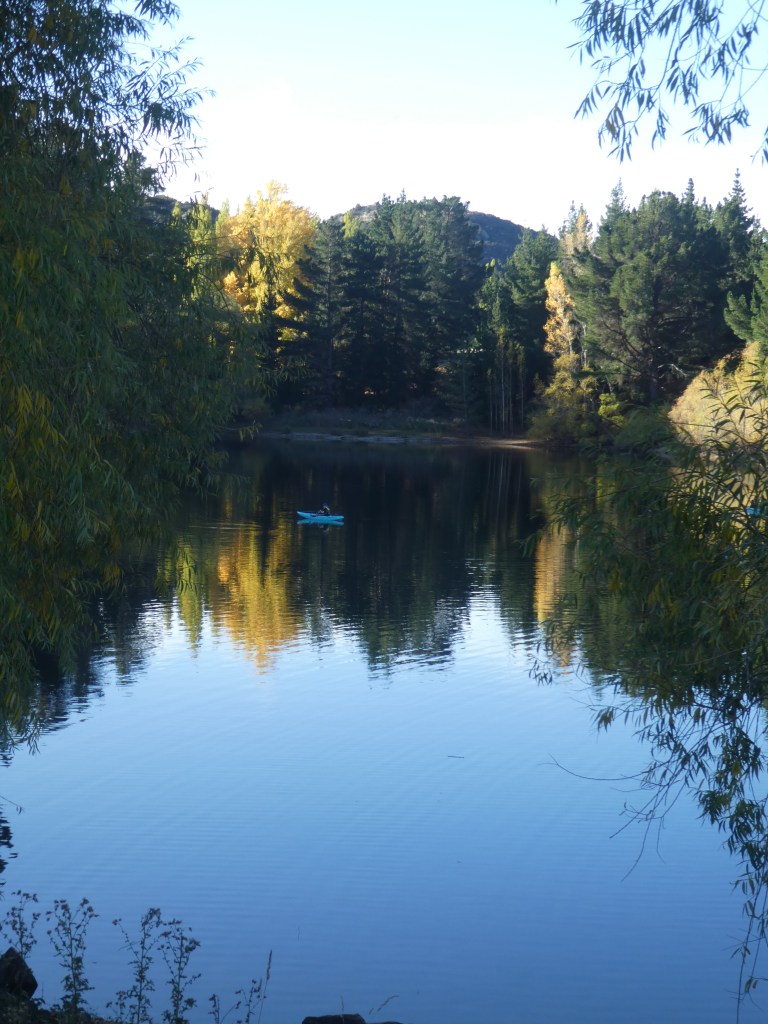
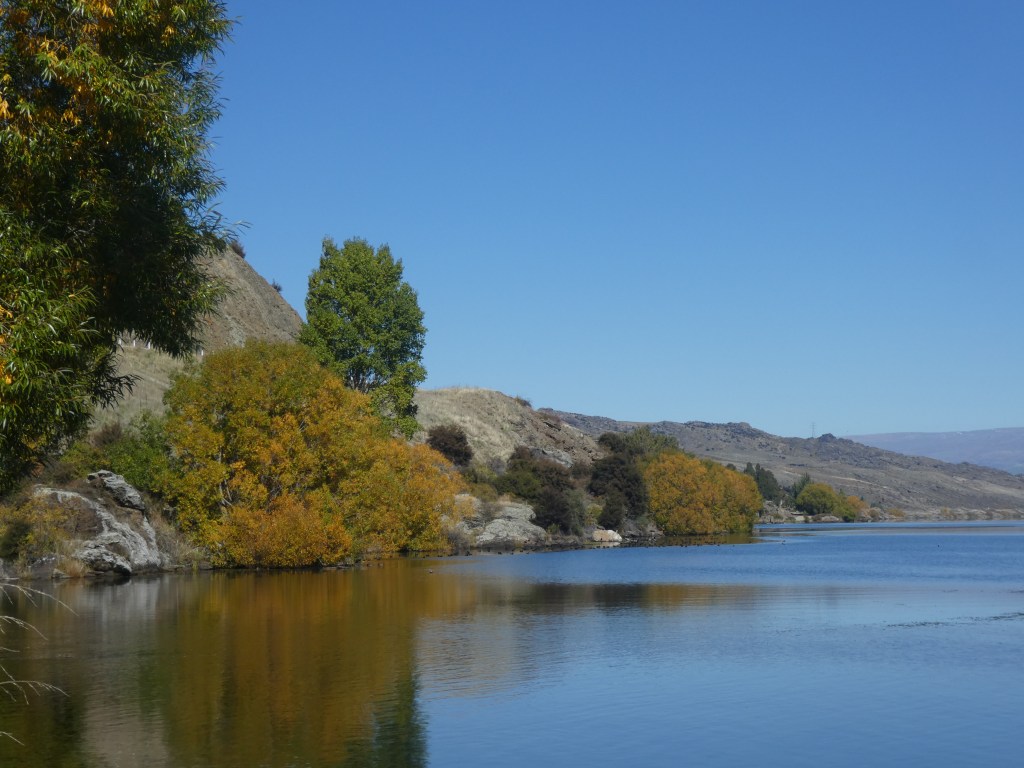
The pond itself is around 30m deep, and today there was no wind, so the reflections made for some great photos, and hopefully a nice painting when we get home.

We had a lovely night here, and would cheerfully have stayed longer.

Challenges

We decided to explore Cromwell township a bit the next morning. It was my turn to drive and we had our first scare of the day. I was approaching a round about leading in to the town when a car pulling a small caravan came barreling into the roundabout at speed. He managed to swerve at the last minute, when I expected that he would plough right into us. Then the caravan swung around, hit the median divider and became airborne, and I expected that would bounce into us but fortunately it bounced in the opposite direction.

The next problem was finding the Info Centre. We walked a long way before finally locating it in an obscure place in the corner of a cafe. With the exception of a couple of cafes, and the service station, everything in Cromwell was shut. That being the case, Bruce headed the motorhome out of town, along the Queenstown highway side of the lake and we found a nice place to relax, have a coffee and enjoy the scenery.

Bruce had intended that we would do the Reservoir walk, but time was getting away from us a bit so we decided to head back and towards our next overnight stay just out of Alexandra.

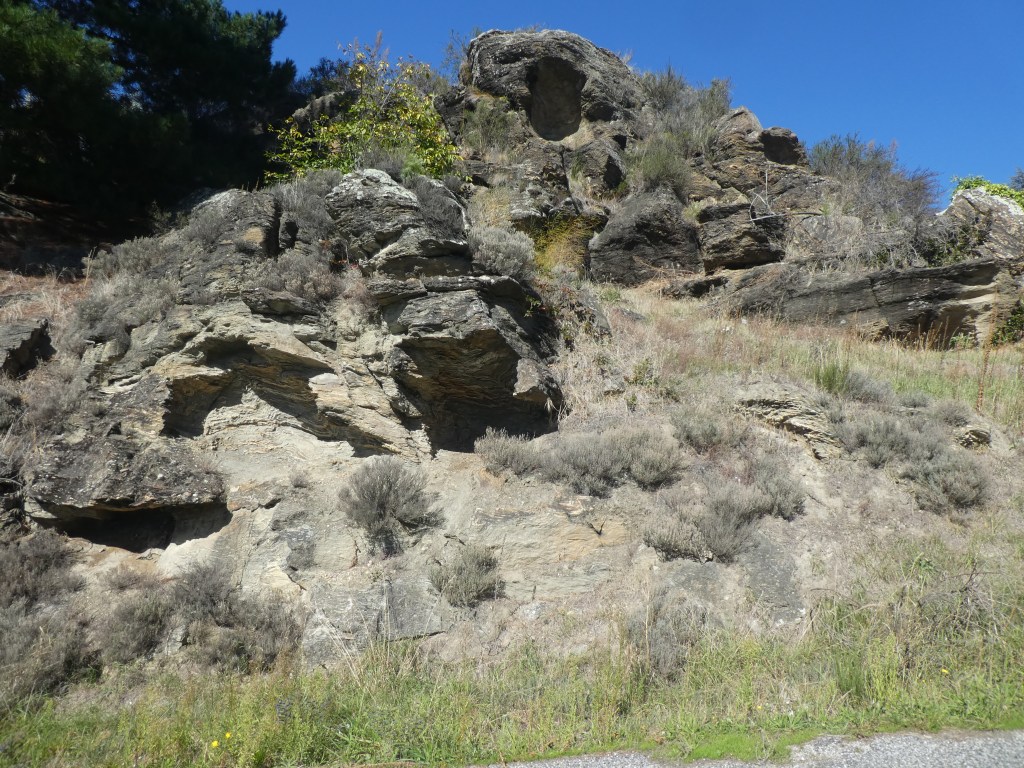
The landscape around here is probably the most barren in New Zealand. It is dry, rocky, steep and forbidding, and the only real colour is from the river running through it (the Clutha).

On the way through we took a bit of time to look out over the Clyde Dam – a great piece of engineering.

Our stay for the night was a Park Over Property just outside Clyde. It was OK but not quite what we were expecting. It said on their site it was just a short walk to the river paths, and Bruce felt he knew the way so off we went. We ended up walking through a big roading gravel pit, and although we could see the river, there were no walking paths evident. However, I can now say I have walked through a gravel pit!

Cromwell

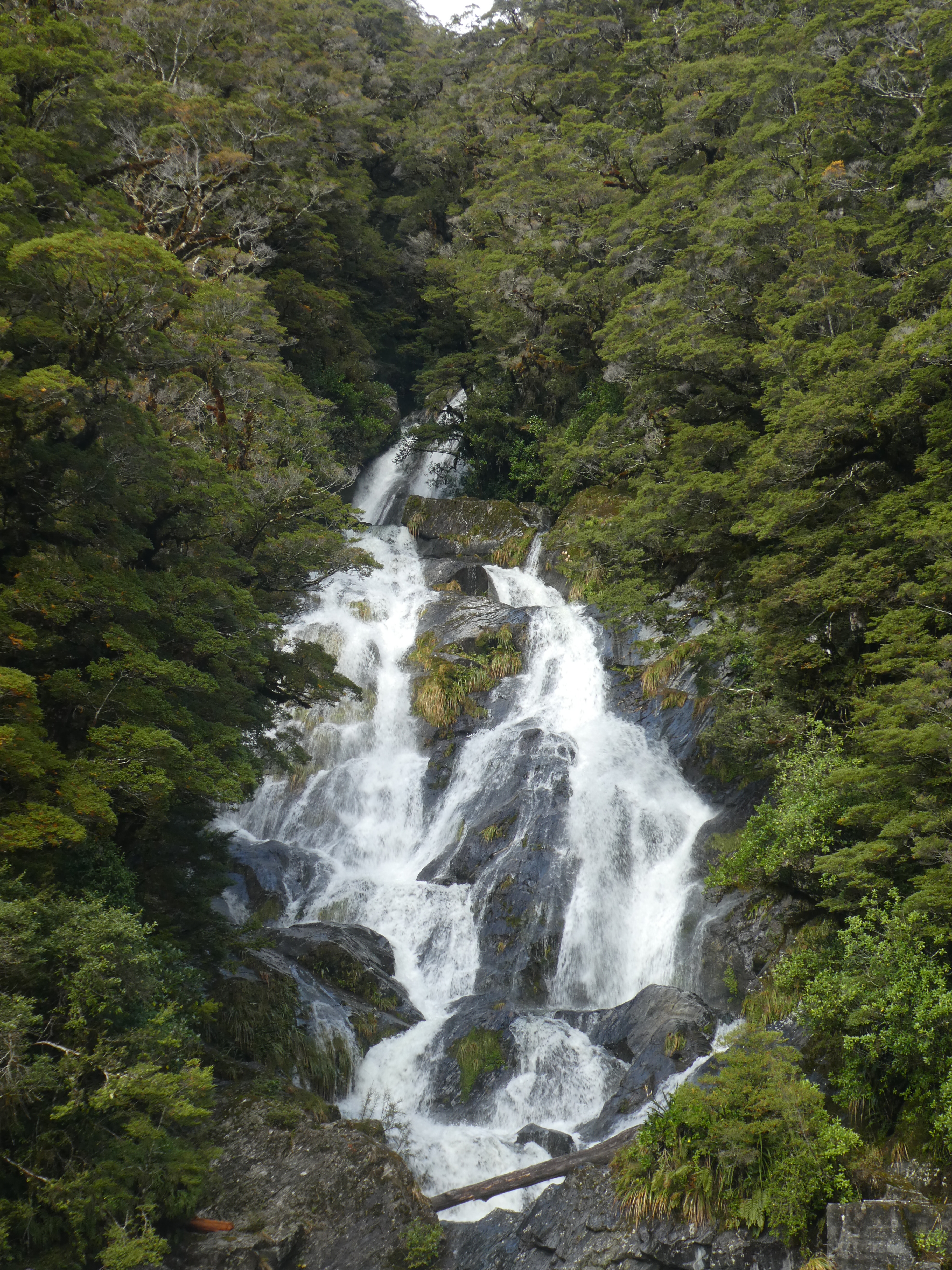
We took our time driving from Haast to Wanaka, intending on staying there overnight. Today’s trip became an exploration of a series of waterfalls, and they all had plenty of water going over them thanks to the rain last night.

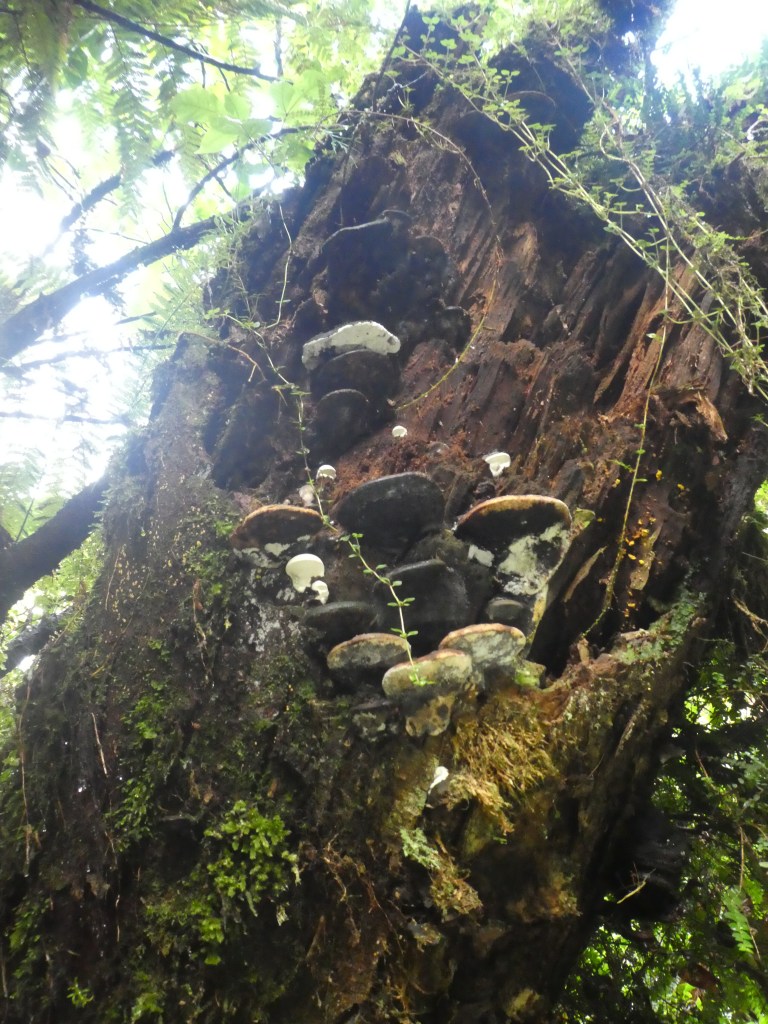
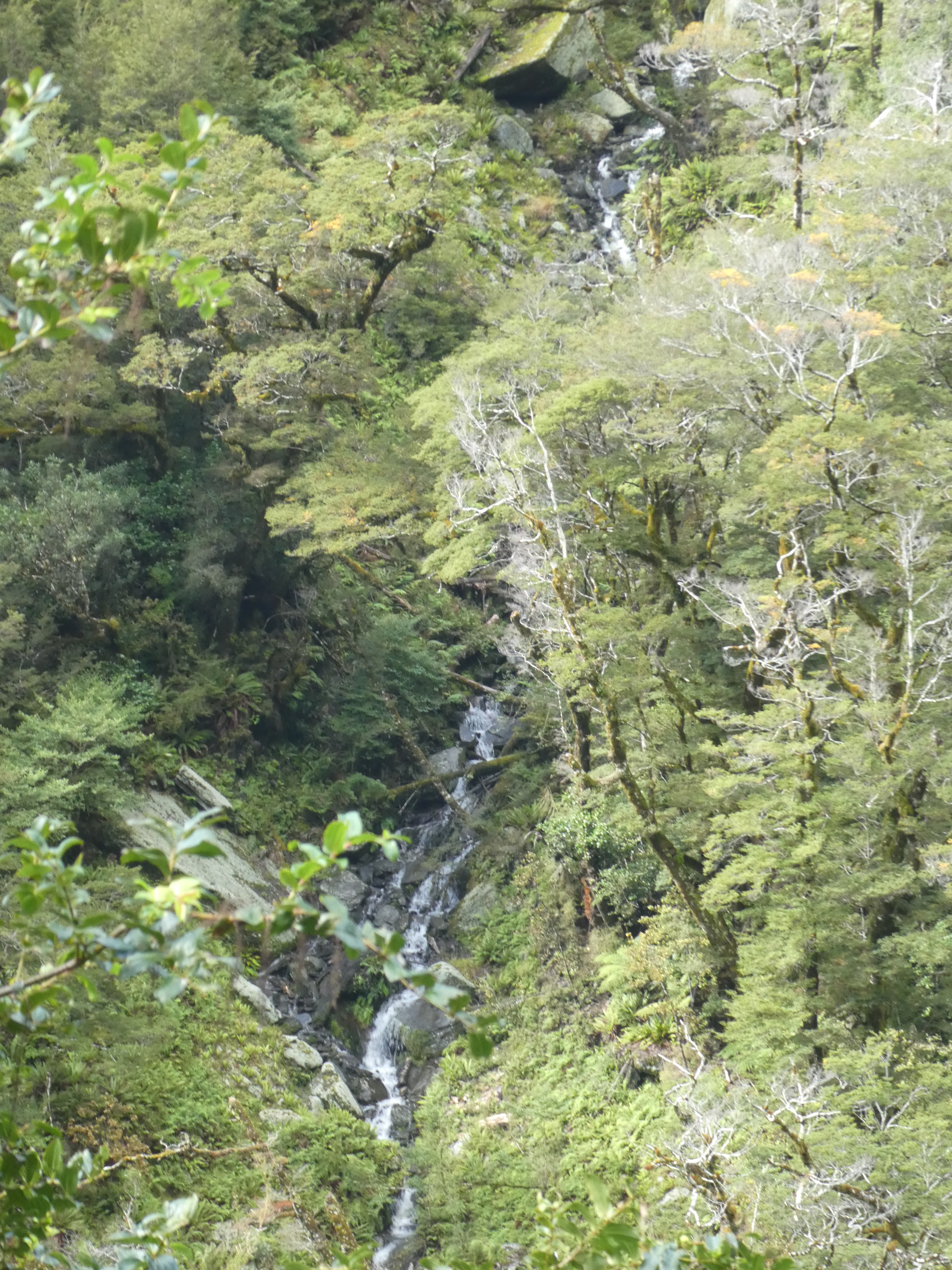
First up were the Roaring Billy Falls, which had a walk through beautiful bush to get there, tree trunks were covered with ferns and lichens, and one had a series of fungi growing up the trunk.

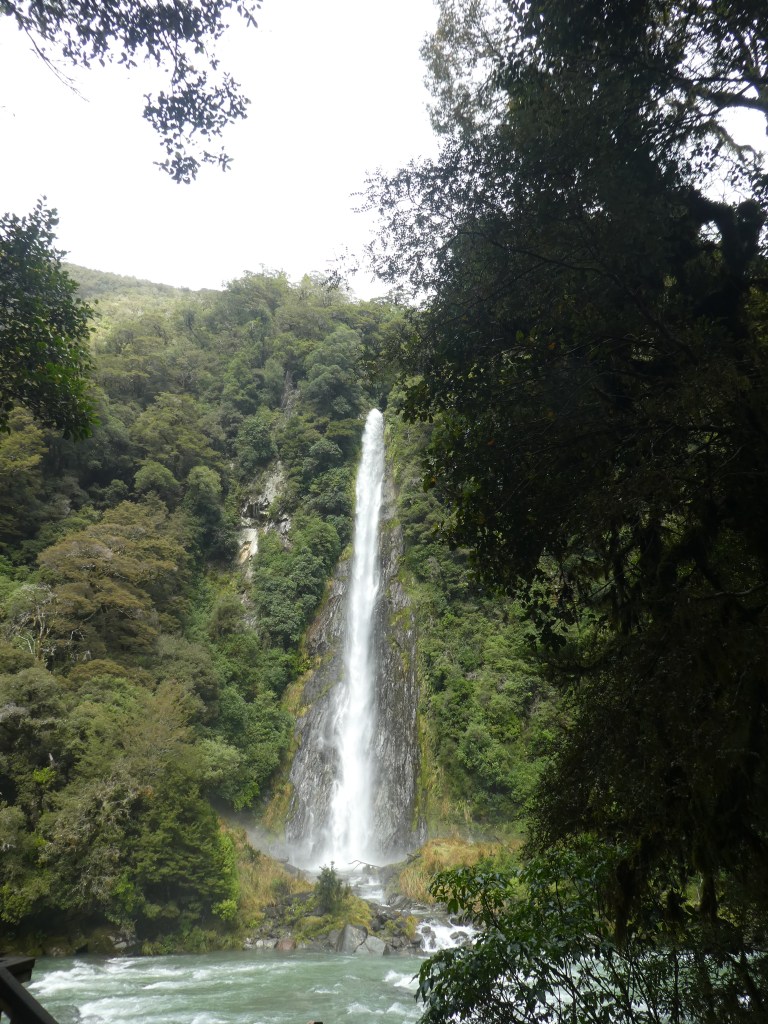
Unfortunately, the sun was in the wrong place to get a good picture of the falls. Next along the road were the Thunder Falls.

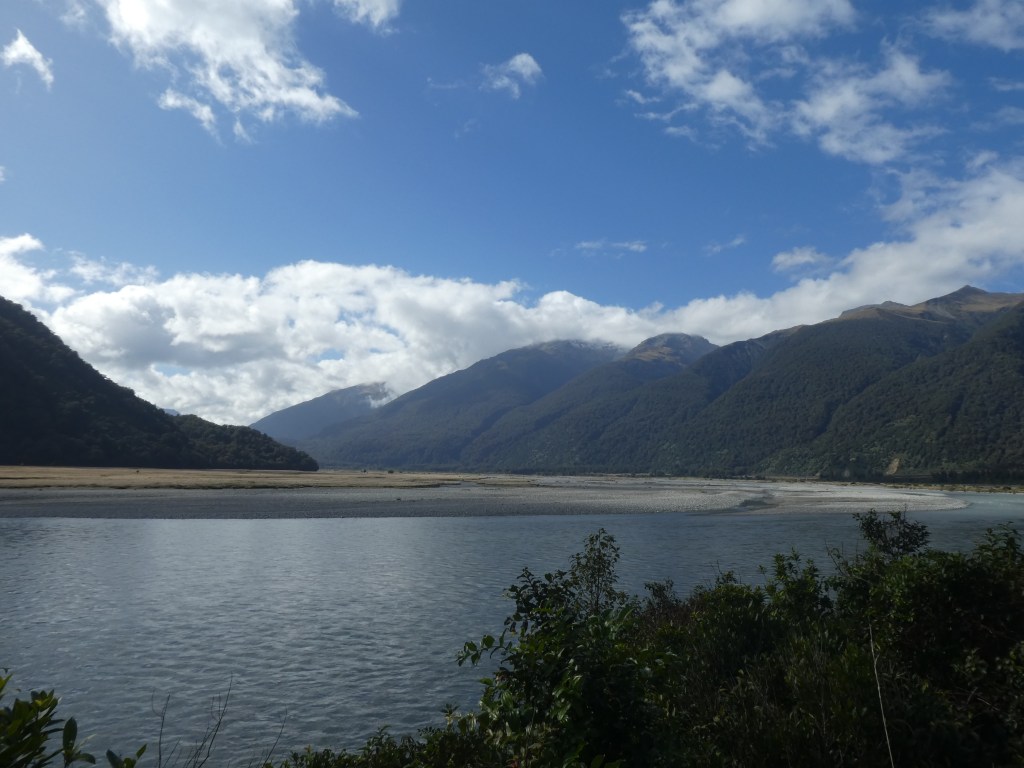
To get to these falls we had to drive past rocky rivers and lakes and the scenery was breathtaking. Bruce became adept at stopping the motorhome on a dime whenever I shouted “stop” because I saw a photo opportunity.

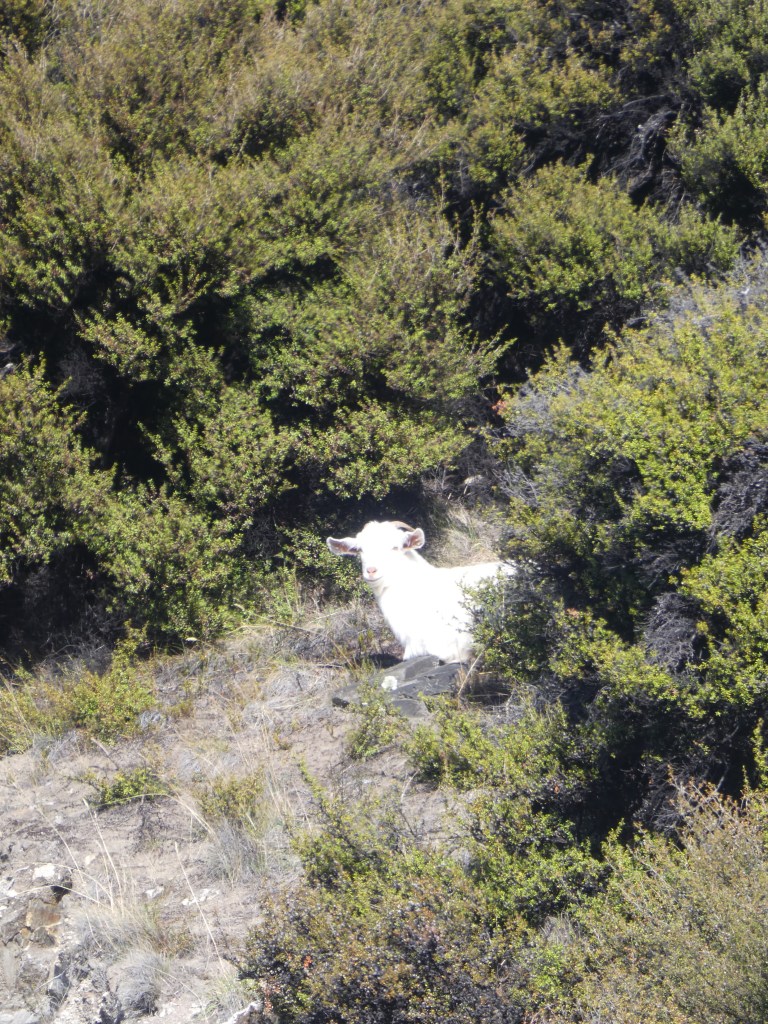
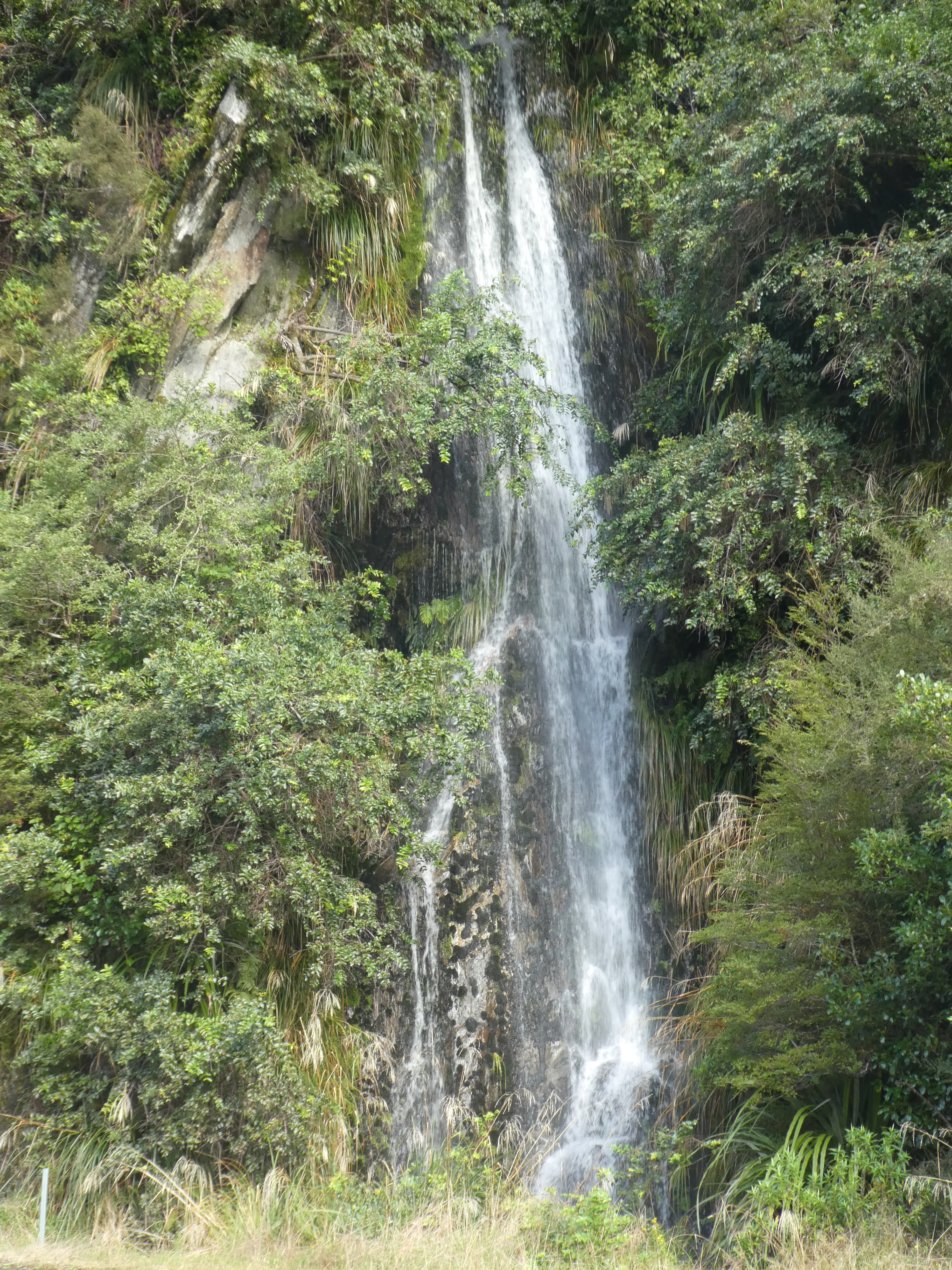
The hillsides were steep and rocky whenever there was no bush, and at one photo stop this fella was calmly staring at us from the hillside. Fantail Falls were next, but beyond them were some falls just beside the road.

We finally arrived to Wanaka, but as it was a busy weekend, the cost of camping here was going to be expensive, so we only stopped long enough to do some shopping. As we were driving the streets we were excited to see a couple of steam driven, steel wheeled tractors driving towards the showgrounds for the Wheels on Wanaka show. Too bad I did not have enough time to grab the camera.

We finally settled into the NZMCA Park at Cromwell for the night, and spent a bit of time deciding our next route.